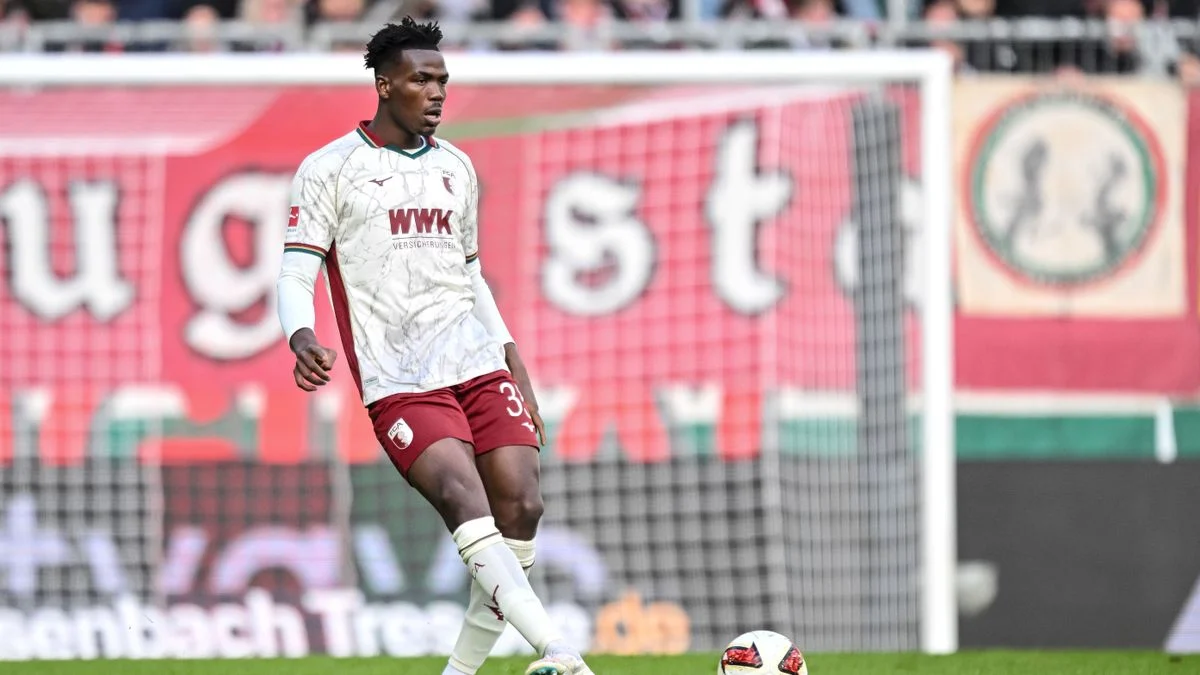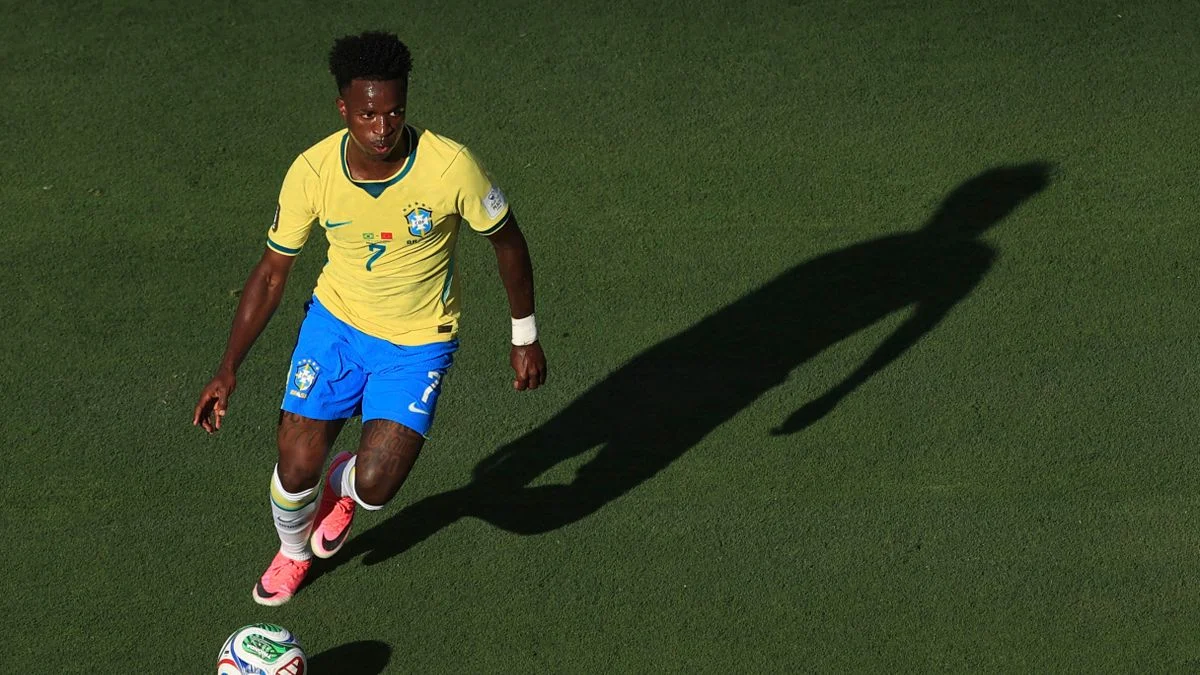
The MetLife Stadium in East Rutherford, New Jersey, is slated to host the crowning jewel of the 2026 FIFA World Cup: the final on July 19. Yet, as the tournament progresses, the arena—located just outside the bustling heart of New York City—has become the epicenter of an increasingly heated debate. The subject of contention is not the infrastructure or the seating capacity, but the very foundation upon which the world’s greatest players are expected to perform: the pitch.
The Core Complaint: A Surface of Friction
For elite footballers accustomed to the lush, yielding grass of Europe’s premier stadiums, the playing surface in East Rutherford has proven to be a shock to the system. The primary grievance voiced by players and coaches alike is the unnerving hardness of the pitch.
French midfielder Adrien Rabiot was among the first to sound the alarm, describing the experience of playing on the surface as akin to navigating a synthetic carpet rather than a natural grass pitch. "It feels more like artificial turf," Rabiot remarked, echoing a sentiment shared by several high-profile stars who have struggled to find their footing in the cavernous New Jersey stadium.
This hardness, combined with an exceptionally short cut of grass, has created a surface that lacks the natural shock absorption required for top-tier professional football. When players pivot, accelerate, or slide, the impact on joints and muscles is significantly higher than on a traditional, well-irrigated pitch. The result is a playing field that feels alien to those who have spent their entire careers on natural turf, leading to concerns regarding both the quality of the spectacle and the long-term physical toll on the athletes.
A Chronology of Criticism
The scrutiny began shortly after the inaugural matches in East Rutherford. The stadium, a marvel of modern engineering, was expected to provide a pristine stage for the tournament, but the reality on the ground told a different story.
Following Brazil’s 1-1 draw against Morocco, Real Madrid’s superstar Vinícius Júnior provided a damning assessment. The 25-year-old winger highlighted the technical challenges imposed by the surface, specifically noting how the extreme heat in the New York area exacerbates the issues. According to Vinícius, the sun-baked pitch dries out rapidly, resulting in a surface that slows the movement of the ball and makes it difficult for creative players to establish a rhythm. "It’s hard to build pace," he explained, noting that the combination of the dry surface and the ball’s unpredictable bounce disrupts the fluidity of the game.
The situation has evolved into a tactical concern as much as a physical one. As the DFB (German national team) prepares for their final group-stage match against Ecuador this Thursday, the focus has shifted toward how this specific surface will influence the outcome of the match. For Germany, who pride themselves on a possession-based, technical game, the "stiff" nature of the MetLife turf represents a significant variable that could neutralize their passing lanes.
The Climate Factor: Heat, Humidity, and Rainfall
The performance of the pitch in East Rutherford is inextricably linked to the volatile weather patterns of the American Northeast. Meteorologists have forecast temperatures hovering around 30 degrees Celsius (86 degrees Fahrenheit) for the German clash on Thursday.
In such conditions, the evaporation rate of moisture from the pitch is high, which—as Vinícius Júnior pointed out—leads to a dry, "sticky" surface. However, the stadium has also faced the challenge of humidity and periodic rainfall. Norwegian manager Ståle Solbakken, who oversaw his team’s preparations before their encounter with Senegal, provided a more nuanced take.
"When it rains, this pitch could become incredibly fast, perhaps dangerously so," Solbakken theorized. The former 1. FC Köln manager, who possesses deep tactical knowledge of European conditions, noted that while the pitch is undeniably hard, it is not necessarily "bad." In fact, he suggested that for teams accustomed to synthetic surfaces—as some of his own players are—the MetLife pitch might actually offer a home-field advantage. "It is different from others, yes, but for us, it is something we can adapt to," he remarked.
FIFA’s Stance: A Defense of Engineering
In the face of mounting criticism from the stars of the game, world football’s governing body has maintained a steadfastly defensive position. FIFA issued a formal statement to the German Press Agency (dpa), asserting that the pitches across all 16 World Cup venues are in "excellent condition."
The organization emphasized that the current state of the playing surfaces is the result of over five years of rigorous research, testing, and collaboration with world-leading turf experts and stadium operators. FIFA’s response seeks to frame the players’ complaints as subjective rather than an objective failure of the infrastructure.
"The safety and playability of our fields are our top priorities," the statement read. FIFA maintains that the surfaces have met all international standards for professional competition and that the transition from traditional grass to these hybrid or engineered systems is a necessary evolution to ensure consistency across a massive, multi-city tournament. However, for many observers, this official reassurance rings hollow when juxtaposed with the visceral testimony of the players currently battling on the turf.
Implications for the Remainder of the Tournament
The implications of the "pitch crisis" extend far beyond the group stages. With the final set to take place at MetLife Stadium on July 19, the question remains: will the surface degrade further under the pressure of continuous high-intensity matches?
1. Tactical Adjustments: Teams are now forced to factor the turf into their tactical preparations. Coaches are altering their training regimes to simulate the ball bounce and friction levels found in East Rutherford. Players are experimenting with different boot studs to find the optimal grip on a surface that is harder than most natural pitches.
2. Physical Health and Injury Risk: The primary concern for medical staffs is the increased risk of non-contact injuries, such as ACL tears or ankle sprains, which are notoriously more common on overly firm surfaces. If players continue to struggle with the turf, the potential for a high-profile injury occurring in a high-stakes match remains a dark cloud over the remainder of the tournament.
3. The Spectacle of the Final: The World Cup Final is the most-watched sporting event on the planet. If the pitch at MetLife Stadium continues to hinder the technical prowess of the world’s best players, the legacy of the 2026 final could be permanently marred by complaints about the quality of the surface. A slow, bouncy, or unpredictable pitch could prevent the tactical brilliance usually seen in championship matches.
Looking Ahead to Thursday
As Germany prepares to face Ecuador, the eyes of the footballing world will be fixed on more than just the scoreboard. The match, which will be broadcast in Germany via ARD and MagentaTV, will serve as another stress test for the stadium’s turf.
Whether the surface acts as a neutral backdrop or becomes an active protagonist in the match remains to be seen. If the DFB players struggle to connect passes or if the game feels disjointed due to the lack of traction, the chorus of voices calling for FIFA to take corrective action will only grow louder.
For now, the football world remains in a state of uneasy observation. The 2026 World Cup has been a celebration of expansion and ambition, but the humble patch of grass in New Jersey serves as a reminder that even the most advanced technology cannot always replicate the perfect conditions of a natural pitch. Whether the controversy is a case of players being overly sensitive to change or a legitimate oversight by tournament organizers, the pressure is on FIFA to ensure that when the final whistle blows on July 19, the conversation is about the beauty of the game, not the hardness of the ground.