The atmosphere at this year’s Volkswagen Group virtual Annual General Meeting (AGM) was far from celebratory. For CEO Oliver Blume, the event served as a stark reminder of the mounting pressure facing the automotive giant. While shareholders acknowledged the stabilization brought by his decision to relinquish his dual-role as head of both Porsche and VW, the prevailing sentiment was one of profound dissatisfaction.
Facing a sharp decline in profits and a stagnating market position, the board found itself under fire from institutional investors and shareholder advocacy groups alike. The consensus among the critics is clear: Volkswagen is currently a "massive construction site," and mere hope for better times is no longer a viable corporate strategy.
The Core Conflict: A Systemic Failure?
The critique leveled against the management board was both sweeping and personal. Representatives from major investment firms, including Deka Investment and Union Investment, did not mince words.
Tanja Bauer of Deka Investment delivered one of the day’s most biting metaphors, comparing Volkswagen’s current trajectory to the relegation of the VfL Wolfsburg football club—a team historically tied to the automaker. She warned that without a radical and immediate restructuring, the automotive titan risks a "creeping descent" into irrelevance.
This sentiment was echoed by Hendrik Schmidt of DWS, who argued that the company’s dismal financial performance was not an unfortunate anomaly but a symptom of a broken system. "It is the expression of a system in which control, independence, and accountability simply do not function," Schmidt stated.
The primary grievances centered on three key areas:
- Dividends: Described by Ulrich Hocker of the German Association for the Protection of Securities Holders (DSW) as being at an "underground level."
- Inefficiency: Analysts pointed to bloated overcapacities and structural inefficiencies that act as a "millstone around the neck" of the core VW brand.
- Lack of Strategy: The common thread among critics was that existing cost-cutting measures are insufficient to navigate the current automotive "curve."
Chronology of the Crisis and Structural Shifts
The current challenges are the culmination of years of structural inertia combined with a rapidly shifting global market.
- 2021: The company reached a landmark settlement in the Diesel scandal, including an €11.2 million payment from former CEO Martin Winterkorn. This agreement, however, has been mired in legal limbo, with the Federal Court of Justice (BGH) later declaring certain insurance-related resolutions null and void, forcing a re-vote on these historic liabilities at the current AGM.
- 2023: Oliver Blume took full control of the Volkswagen Group. While his leadership was initially welcomed for its clarity, the honeymoon period has effectively ended as the financial results of his tenure have come under scrutiny.
- Early 2024: Blume announced the "Volkswagen Group 2030" vision, a roadmap intended to modernize the business model.
- The Present: Volkswagen finds itself in a "tense and demanding" situation, as defined by Blume, characterized by geopolitical risks, trade barriers, and intense competition from Chinese manufacturers entering the European market.
Supporting Data: The Scale of the Transformation
To understand the severity of the situation, one must look at the numbers driving the company’s decision-making process. The goal is to achieve an operating margin of 8 to 10 percent by 2030, a target that currently seems distant.
Workforce and Capacity Reduction
Volkswagen is mid-stream in a massive downsizing effort:
- Total Job Cuts: The company plans to reduce its global workforce by 50,000 positions by 2030.
- Core Brand Impact: Within the VW brand specifically, 35,000 roles are slated for elimination. By the end of 2026, the workforce is expected to shrink by 19,000, with 28,000 voluntary exit agreements already finalized.
- Production Overcapacity: Blume has confirmed plans to reduce European production capacity by an additional 500,000 vehicles by 2030. This is in addition to the previously announced plan to cut capacity by one million vehicles by 2028. A similar reduction is planned for the Chinese market, bringing the total global capacity reduction to one million units.
Cost Efficiency
Financial CFO Arno Antlitz emphasized that the company cannot compete with the new, highly efficient factories being built by Chinese competitors in Eastern and Southern Europe while simultaneously maintaining underutilized, high-cost facilities. "We need competitive costs to survive in the market," Antlitz noted, highlighting that factory costs at German sites have already been reduced by 20 percent since 2025.
Official Responses: Blume’s Defense
CEO Oliver Blume remained steadfast during the virtual meeting, defending his long-term transformation strategy. He acknowledged that the automotive industry’s framework conditions have "sharpened once again," necessitating an increase in the pace of transformation.
"Our decades-long successful business model no longer works as it is today," Blume admitted to shareholders. "We must evolve."
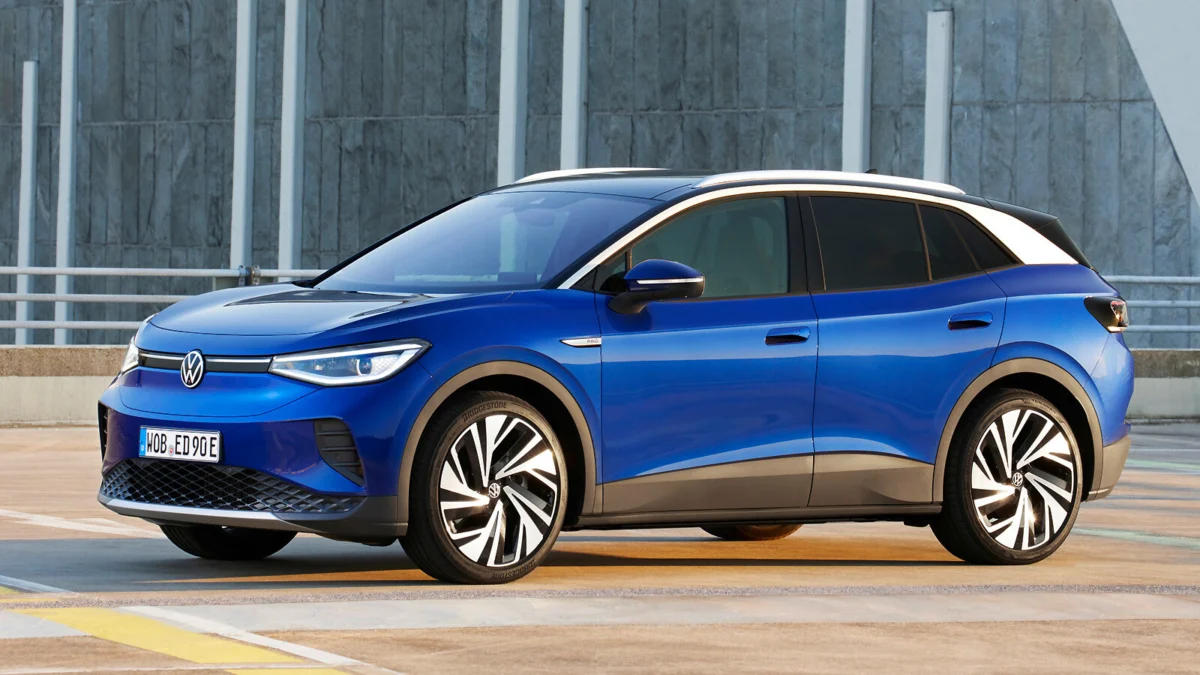
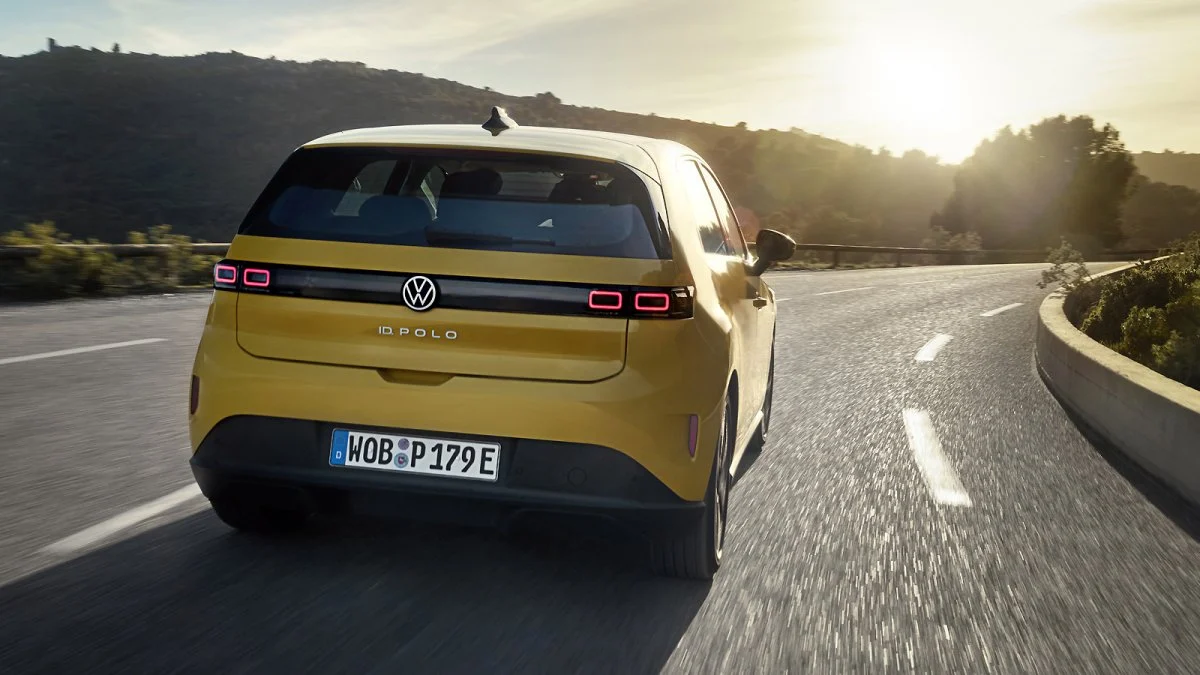
Blume insists that the company is on the right track regarding product development, citing the newly unveiled electric ID. Polo as a sign that VW is "back at the front of the competition." However, he conceded a fundamental paradox: "We have the right products, but we are not making enough money with them."
He emphasized that the transformation is not a one-time project but a "permanent task." Further details regarding the concrete restructuring of individual sites are expected to be decided in conjunction with the Supervisory Board later this summer.
Implications and Governance Turmoil
The AGM was not only a forum for financial critique but also a stage for corporate governance drama.
The Pötsch Re-election
The re-election of 75-year-old Supervisory Board Chairman Hans Dieter Pötsch was a focal point of the meeting. Despite his age technically exceeding the company’s internal guidelines, the board pushed for an exception. Given that the Porsche SE holding company controls over 50 percent of the voting rights, and the state of Lower Saxony holds a significant portion, Pötsch’s re-election for another five-year term was effectively a foregone conclusion.
The Sudden Resignation
In an unexpected twist, Susanne Wiegand, a former head of the defense contractor Renk and a recent appointee to the supervisory board, withdrew her candidacy for a full term just before the vote. Her departure leaves a vacancy in the oversight body, adding a layer of instability to the company’s governance structure at a time when cohesion is most required.
The Legal Legacy
The re-submission of the Diesel scandal settlements to a shareholder vote highlights that Volkswagen is still haunted by its past. The inability of the previous resolutions to survive judicial scrutiny at the Federal Court level demonstrates the complexity of the legal and ethical cleanup required before the company can truly turn the page.
Conclusion: A Long Road Ahead
Volkswagen stands at a critical juncture. The shift to electric mobility, the erosion of margins, and the aggressive expansion of international competitors have created a "perfect storm."
While Oliver Blume has successfully identified the necessity for radical change, the patience of the investor base is wearing thin. The message from the AGM was clear: shareholders are no longer content with promises of future efficiency. They demand tangible results, a clear strategy for the core brand, and a return to the profitability levels that once made Volkswagen the envy of the global automotive industry.
The next twelve months will be the ultimate test for the Blume administration. Whether the company can successfully shed its structural weight and adapt to a new era of mobility remains to be seen. For now, Volkswagen remains a company in transition, caught between a storied past and an uncertain, high-pressure future.