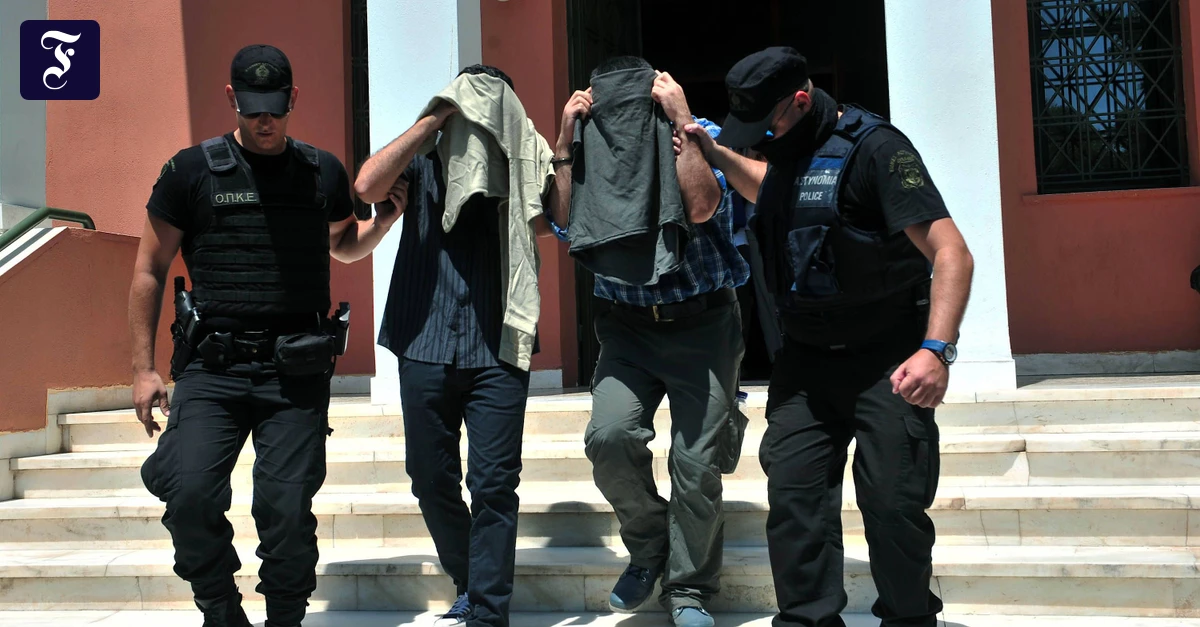
Athens, Greece – A Greek court has delivered a significant blow to Turkey’s efforts to extradite eight former Turkish military personnel, ruling against the handover of three individuals accused of involvement in the 2016 failed coup attempt. The decision, reported by state radio ERA and the news channel Skai on Monday, marks a pivotal moment in the ongoing diplomatic and legal tensions between the two neighboring nations. While the fate of five additional Turkish servicemen remains pending, legal experts and the defendants’ lawyers anticipate a similar outcome, citing deep-seated concerns over the potential for human rights abuses should they be returned to Turkey.
The eight Turkish nationals, comprising two majors, four captains, and two sergeants, fled to Greece in a military helicopter shortly after the July 2016 coup attempt, landing in Alexandroupoli, a city strategically located near the Turkish border. Upon arrival, they immediately sought asylum, initiating a complex legal and political saga that has since strained bilateral relations. The Turkish government, however, has vehemently demanded the immediate extradition of all eight, branding them as traitors and essential components of the plot orchestrated by the Gülen movement, which Ankara designates as a terrorist organization.
The Legal Crucible: A Clash of Jurisprudence and Human Rights
The Athen’s court’s decision to deny the extradition of the initial three servicemen is rooted in a careful consideration of Greek and international legal principles, particularly those pertaining to the protection of fundamental human rights. Greek judges, tasked with upholding the rule of law, are bound by strict extradition treaties and the European Convention on Human Rights. A key factor in their deliberation is the assessment of whether the individuals would face a fair trial and be subjected to inhumane or degrading treatment upon their return to Turkey.
During the court proceedings, the Turkish servicemen themselves reportedly asserted that their lives would be in grave danger if extradited. Their defense, spearheaded by experienced Greek lawyers, presented compelling evidence, including documented reports and visual material detailing alleged instances of torture and ill-treatment of fellow colleagues within Turkish detention facilities. These accounts painted a grim picture of the potential repercussions for those accused of participating in the coup, suggesting that due process might be compromised in favor of punitive measures.
Furthermore, the prosecution’s office in Athens, in a move that underscored the gravity of the human rights concerns, reportedly also advocated for the rejection of Turkey’s extradition requests. This stance from the public prosecutor’s office lends significant weight to the defense’s arguments and highlights a perceived lack of confidence in Turkey’s judicial system’s ability to ensure fair treatment for the accused. The lawyers representing the servicemen further revealed that members of the families of the fleeing military personnel have also faced persecution and threats, adding another layer of complexity and concern regarding the safety and well-being of individuals connected to the accused.
A Timeline of Flight and Legal Battles
The chain of events leading to this judicial decision began in the tumultuous hours of July 15, 2016. A faction within the Turkish military launched a coordinated attempt to overthrow the government, leading to widespread violence and hundreds of casualties across the country. Amidst the chaos, eight Turkish military personnel, fearing for their safety and disillusioned with the unfolding events, made the perilous decision to escape.
July 16, 2016: The day after the failed coup, a Turkish military helicopter carrying eight individuals landed in Alexandroupoli, Greece. The men, identified as Turkish military personnel, immediately requested political asylum.
Following Days/Weeks: Greek authorities, acting in accordance with international asylum procedures, detained the servicemen. Meanwhile, Turkey, through its diplomatic channels, formally requested the extradition of all eight individuals, labeling them as fugitives and participants in a treasonous act.
Subsequent Months: The legal process for asylum and extradition began in earnest. The Greek judicial system commenced a series of hearings to examine the asylum claims and the extradition requests. This process, by its nature, is intricate, involving thorough investigations, legal arguments, and judicial review.
The Court’s Deliberation: The court’s decision on the extradition of the first three individuals was the culmination of extensive legal proceedings. The judges meticulously analyzed the evidence presented by both the prosecution and the defense, considering international human rights standards, the specific nature of the alleged crimes, and the potential for unfair treatment in Turkey. The reported testimonies of the servicemen regarding the risk of torture and the information provided by their lawyers played a crucial role in this deliberation.
The Verdict: The rejection of the extradition request for the initial three servicemen was announced on a Monday, sending ripples through diplomatic circles. The fate of the remaining five servicemen is now under scrutiny, with their extradition hearings expected in the coming days.
Supporting Data and Human Rights Concerns
The Greek court’s decision is not an isolated incident but rather a reflection of broader international concerns regarding the human rights situation in Turkey following the 2016 coup attempt. Numerous international organizations, including Amnesty International and Human Rights Watch, have documented widespread allegations of arbitrary arrests, detentions, torture, and unfair trials in the aftermath of the coup.
Post-Coup Crackdown: Turkey launched an extensive crackdown on individuals suspected of links to the Gülen movement, leading to the dismissal of over 150,000 public officials, including military personnel, judges, academics, and journalists. Tens of thousands have been arrested and imprisoned pending trial.
Allegations of Torture and Ill-Treatment: Reports from credible human rights organizations have consistently highlighted a disturbing increase in allegations of torture and ill-treatment of detainees in Turkey. These reports often cite firsthand accounts from former detainees and their families, detailing systematic abuses in police custody and prisons. The Greek court’s consideration of these documented instances is a critical aspect of its decision-making process.
Fair Trial Guarantees: Concerns have also been raised about the independence of the judiciary and the erosion of fair trial guarantees in Turkey. International observers have noted the increasing political influence on judicial proceedings, leading to fears that individuals accused of politically motivated crimes may not receive impartial justice.
The Gülen Movement: Turkey accuses Fethullah Gülen, a self-exiled Turkish cleric living in the United States, of orchestrating the coup attempt through his followers within the military and state institutions. The Gülen movement, however, denies any involvement in the coup. The designation of the movement as a terrorist organization by Turkey is a central element of its extradition demands.
Official Responses and Diplomatic Ramifications
The Greek court’s ruling has predictably elicited strong reactions from both Ankara and Athens.
Turkish Government Reaction: Turkey’s Ministry of Foreign Affairs has expressed its disappointment and strong disapproval of the Greek court’s decision. Ankara has consistently maintained that the individuals are coup plotters and terrorists who must be returned to face justice. Turkish officials have often characterized such legal rejections as a sign of Greece harboring terrorists and undermining mutual security interests. They are likely to continue to exert diplomatic pressure on Greece, potentially impacting broader bilateral relations.
Greek Government Position: The Greek government has emphasized its commitment to the rule of law and its respect for judicial independence. While acknowledging the sensitive nature of the case and the strained relationship with Turkey, Athens has stressed that its courts operate autonomously and are bound by national and international legal frameworks. The Greek Ministry of Foreign Affairs has likely issued a statement reiterating its adherence to legal principles and the importance of due process.
NATO and EU Context: Both Greece and Turkey are NATO allies and key partners within the European Union. This judicial decision, and the broader extradition dispute, has the potential to create further friction within these alliances. The EU, in particular, has been closely monitoring the human rights situation in Turkey and has expressed concerns about the rule of law and judicial independence. A consistent pattern of rejecting extradition requests based on human rights concerns could further complicate Turkey’s relationship with the EU.
Broader Implications and Future Outlook
The Greek court’s decision to reject the extradition of the three Turkish servicemen carries significant implications, both for the individuals involved and for the broader geopolitical landscape.
Precedent for Future Cases: The ruling sets a significant precedent for the extradition requests of the remaining five Turkish servicemen. If the legal reasoning remains consistent, it is highly probable that their extradition will also be denied, further solidifying Greece’s stance on human rights protection. This could embolden other countries facing similar extradition requests from Turkey to scrutinize them more rigorously.
Strained Bilateral Relations: The dispute over the extradition of the alleged coup plotters is a symptom of deeper underlying tensions between Greece and Turkey, which often revolve around maritime disputes, territorial waters, and historical grievances. This judicial decision is likely to exacerbate these tensions, leading to increased rhetoric and potential diplomatic standoffs.
Human Rights as a Diplomatic Tool: The case highlights the growing importance of human rights considerations in international extradition proceedings. Countries are increasingly using human rights concerns as a basis for rejecting extradition requests, particularly when there are credible allegations of systematic abuses by the requesting state. This trend could lead to greater accountability for states with questionable human rights records.
The Role of International Law: The Greek court’s decision underscores the vital role of international law and human rights conventions in safeguarding individuals from potential persecution. It demonstrates that even in the face of intense diplomatic pressure, judicial bodies can uphold their commitment to justice and the protection of fundamental rights.
The ongoing legal battles and diplomatic exchanges surrounding these Turkish servicemen will continue to be closely watched. The outcome will not only determine the fate of these individuals but also shed further light on the complex interplay between national sovereignty, international law, and the paramount importance of human dignity in an increasingly interconnected world.