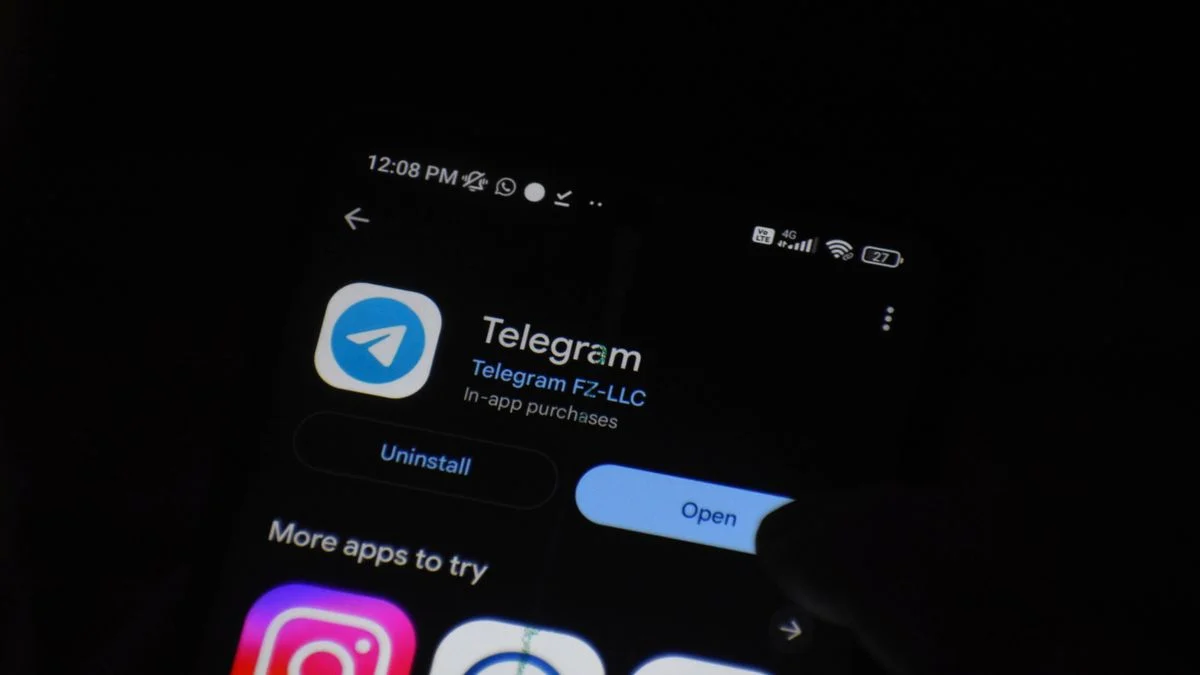
In an unprecedented move to curb academic malpractice, the Indian government has initiated a sweeping crackdown on the encrypted messaging platform Telegram. As of mid-June 2026, authorities have directed major app stores, including Apple and Google, to temporarily remove the application from their Indian storefronts. The measure, which aims to protect the integrity of the National Eligibility cum Entrance Test (NEET), has ignited a fierce debate regarding the balance between national security, exam transparency, and digital civil liberties.
The Core Conflict: A Compromised Examination
The catalyst for this extraordinary intervention is the recurring crisis surrounding the NEET, India’s primary gateway for medical education. The exam, which serves as the filter for over two million aspiring doctors, has been marred by systemic failures. Following the initial examination held in May, authorities uncovered evidence that confidential question papers had been leaked. The scale of the breach was so significant that the government was forced to declare the original results void and schedule a mandatory re-test for June 21, 2026.
Investigations revealed that Telegram served as the primary nexus for these criminal syndicates. Fraudsters allegedly used the platform’s encrypted channels to trade in leaked papers, sell fake answer keys, and impersonate government officials to solicit bribes from anxious students and parents. By blocking the app, the Ministry of Education claims it is acting as a necessary guardian of meritocracy, shielding students from a shadow economy of exam-related fraud.
Chronology of the Crisis
The path to the current digital blockade was marked by a series of escalating administrative failures and reactive government policies:
- May 2026: The annual NEET examination is conducted across India, drawing over two million participants.
- Late May 2026: Reports of widespread irregularities emerge. Forensic analysis of social media activity points to coordinated leaks via Telegram channels.
- Early June 2026: The National Testing Agency (NTA) confirms the compromise of the exam process. The government announces a complete cancellation of the May results.
- June 15, 2026: The NTA launches a dedicated portal for whistleblowers to report exam-related malpractices, signaling the government’s desperation to restore order.
- June 16, 2026: The Ministry of Education confirms that access to Telegram will be severely restricted until June 22. Reports surface that the government is also pressuring mobile service providers to throttle or block traffic associated with the app.
- June 16, 2026 (Afternoon): Telegram founder Pavel Durov issues a public rebuke, arguing that the ban is ineffective and punishes millions of legitimate users.
The Mechanics of Fraud: Why Telegram?
The preference for Telegram among criminal syndicates is not accidental; it is functional. Security analysts note that Telegram’s architecture offers unique features that are highly exploitable for illicit commerce.
One primary concern cited by Indian authorities is the platform’s "Edit" function. Unlike traditional messaging services that maintain a permanent audit trail of sent messages, Telegram allows users to modify content after it has been delivered. Fraudsters have reportedly used this feature to alter the details of exam documents or to bait victims into fraudulent transactions, only to update the message later to erase incriminating evidence.

Furthermore, the "Channel" feature allows for the broadcasting of information to thousands of subscribers with minimal oversight. This has allowed scam artists to create echo chambers where they build "authority" by posing as NTA officials, using sophisticated graphics to validate their claims of having access to the official question bank.
Official Responses and Administrative Measures
The Indian government has framed the ban as a "last resort." In official statements, representatives emphasized that previous attempts to request the removal of illicit content via standard legal notices were insufficient.
"We deeply regret the inconvenience caused to the public," an official statement read, "but the protection of our students’ futures takes precedence over the convenience of a single digital platform."
Beyond the temporary ban, the government has mandated that Telegram disable its "edit message" functionality entirely within Indian borders until June 30. This demand represents a significant extraterritorial reach of Indian law, testing the limits of how much control a sovereign state can exert over a globally operating, decentralized technology company.
The Voice of Dissent: The Founder’s Rebuttal
The response from Telegram’s leadership was swift and biting. Pavel Durov, the platform’s founder, characterized the move as a blunt instrument that fails to address the root cause of the exam leaks.
"The Indian authorities have chosen to punish 150 million normal users," Durov stated. He argued that the ban is a "performative gesture," noting that the criminal elements facilitating the NEET leaks have likely migrated to other, more obscure platforms or encrypted services. According to Telegram, blocking the app does nothing to fix the systemic vulnerabilities within the National Testing Agency itself, such as the physical security of paper distribution or the vetting of human personnel involved in exam administration.

Implications: Civil Liberties and Digital Sovereignty
The situation in India serves as a case study for the growing tensions between democratic governments and Big Tech. Critics and digital rights activists have voiced profound concerns, arguing that the government is abusing provisions within India’s Information Technology (IT) laws to suppress not just criminal activity, but the broader right to private communication.
1. The Precedent of "Digital Curfews"
By implementing a temporary, geographically locked ban, the Indian government has established a precedent for "digital curfews." Critics fear that if the government can disable a major communication tool during exam season, the same logic could be applied to social unrest, political protests, or any situation deemed a "threat to national interest."
2. The Failure of Oversight
There is an underlying irony in the government’s approach. While the state targets the platform, many observers point out that the real scandal lies within the National Testing Agency. The inability to secure a paper-based exam in the 21st century is, to many, a sign of institutional decay that cannot be solved by simply turning off the internet. The reliance on a ban suggests a government prioritizing the appearance of control over the substance of reform.
3. Economic and Social Fallout
For millions of Indians, Telegram is not just a tool for illicit activity; it is a critical hub for education, small businesses, and community organizing. The sudden loss of access has disrupted legitimate study groups and professional networks. Furthermore, the ban highlights the precarity of the Indian digital market, where global platforms must constantly navigate the shifting landscape of local regulatory demands.
Conclusion: A Fragile Solution
As the June 21 re-test approaches, the effectiveness of the Telegram ban will be measured by the absence of further leaks. If the exam proceeds without incident, the government will likely claim a victory for "Digital Governance." However, if the leaks persist, the move will be viewed as an costly, ineffective, and authoritarian overreach that alienated millions of citizens without solving the fundamental flaws in the national education system.
The "Telegram Lockdown" is more than a technical issue; it is a symptom of a modern state struggling to govern the borderless nature of the internet. As India continues its push for digital dominance, the challenge remains: can a nation secure its institutions without eroding the very digital freedoms that define a modern, open society? For now, the answer remains blocked, much like the app itself.