Introduction: A New Paradigm for Digital Safety
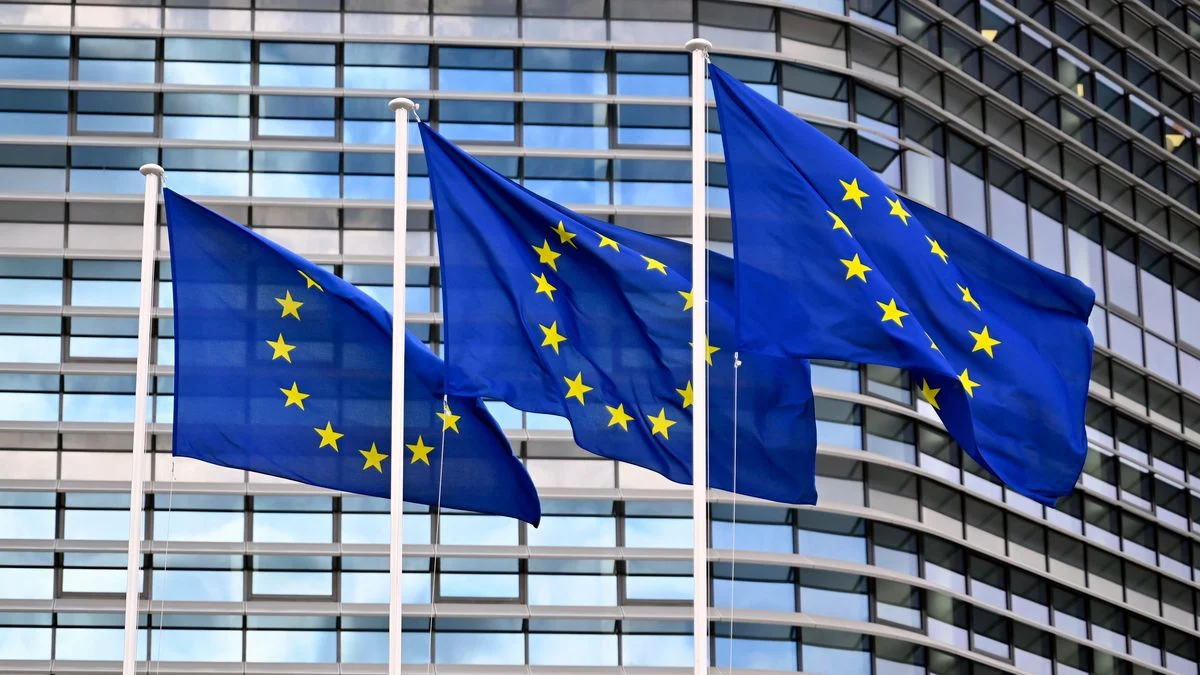
In a landmark decision that signals a tightening of the regulatory grip on the rapidly evolving landscape of artificial intelligence, the European Parliament has voted overwhelmingly to prohibit the creation and distribution of non-consensual, sexually explicit deepfakes. This legislative milestone, backed by a decisive 423 votes in favor, reflects a growing consensus among European lawmakers that the current digital environment is increasingly hostile toward privacy and bodily autonomy. With only 57 votes against and 174 abstentions, the mandate is clear: the EU is determined to define the boundaries of ethical AI development, ensuring that innovation does not come at the expense of fundamental human rights.
The proposed amendment to the European AI Act is not merely a reactive measure; it is a structural adjustment designed to hold both the users of these tools and the developers who build them accountable. As the world watches, the EU is positioning itself as the global architect of AI governance, setting a precedent that will likely force multinational tech firms to re-evaluate their product safety protocols.
Chronology of the Legislative Shift
The journey toward this ban has been marked by a series of rapid developments that highlight the difficulty of regulating technology that evolves faster than traditional lawmaking processes.
- The Inception: Following the rise of generative AI platforms—such as ChatGPT, Claude, and various image-generation models—concerns regarding the proliferation of synthetic, non-consensual sexual imagery reached a boiling point in late 2023.
- Initial Frameworks: The EU AI Act was originally introduced to provide a risk-based classification for AI tools, with specific provisions slated to come into effect in August 2024.
- The Pivot: As the volume of sexually explicit deepfakes grew across social media platforms like X (formerly Twitter), pressure mounted on European legislators to provide more explicit protections.
- The Parliamentary Vote: On the recent floor session in Strasbourg, the overwhelming majority signaled that general safety guidelines were insufficient, leading to the specific amendment targeting sexually explicit content.
- Future Timeline: With the parliamentary hurdle cleared, the measure awaits formal approval from EU member states. Once ratified, the enforcement will be spearheaded by the EU AI Office, with a full implementation date set for December 2, 2026.
Defining the Scope: Distinguishing Art from Abuse
One of the most contentious aspects of the legislative process was the need to draw a legal line between prohibited abuse and protected speech. Legislators were acutely aware that an overly broad ban could stifle digital creativity, satire, and legitimate artistic expression.
The Criteria for Prohibition
The legislation explicitly targets AI-generated imagery or audio that depicts:
- Intimate Areas: Detailed representations of genitalia, the anus, buttocks, or exposed female breasts.
- Sexually Explicit Acts: High-fidelity simulations of sexual intercourse or other explicit behaviors.
- Child Sexual Abuse Material (CSAM): A major focus of the legislation is the absolute prohibition of synthetic content that depicts or suggests the sexual abuse of minors, a category that will face the strictest enforcement protocols.
The Boundaries of Satire and Expression
To prevent the “chilling effect” on digital culture, the bill provides clear carve-outs. Satirical caricatures, for instance, remain protected. Furthermore, the legislation creates a nuanced grey area regarding non-consensual, but non-explicit imagery. For example, images such as those generated by the AI model "Grok"—which have been criticized for depicting individuals in swimwear without their consent—may currently fall outside the strict scope of this specific ban, provided they do not cross into the defined "sexually explicit" territory. This distinction highlights the legislator’s intent to focus on severe privacy violations rather than all instances of digital manipulation.
Implications for the AI Industry
The transition period leading up to December 2, 2026, will be a period of intense compliance work for the world’s leading AI firms. The delay in the enforcement of certain provisions—initially intended for August 2024—provides a grace period, but it also signals a shift in the regulatory burden.
The Burden of Transparency
Companies behind major models like OpenAI’s ChatGPT and Anthropic’s Claude must now prepare for a rigorous regime of transparency. Under the updated Act, providers will be legally required to:
- Watermarking: Every image or video generated by an AI model must contain a machine-readable, robust digital watermark. This ensures that users can distinguish between human-captured reality and synthetic fabrication.
- Content Filtering: Developers must implement "guardrails" that prevent their systems from being used to generate prohibited sexually explicit content.
- Liability Shifts: By targeting the providers of digital tools, the EU is signaling that developers cannot hide behind the "neutral platform" defense. If a tool is architected to prioritize the creation of sexualized imagery, the company behind it may face significant financial and legal consequences.
Economic Considerations
While some industry critics have argued that these regulations might hinder competitiveness, the European Commission contends that a safe, regulated environment is essential for the long-term sustainability of the AI market. By providing clear rules, the EU hopes to foster a "trust-based" ecosystem where users feel secure interacting with AI technologies.
Official Responses and Expert Commentary
The reception to the vote has been largely positive among privacy advocates and women’s rights organizations. NGOs specializing in digital safety have lauded the move as a long-overdue step in protecting victims of "image-based sexual abuse."
"The technology has outpaced the law for too long," said one policy analyst close to the negotiations. "By focusing on the infrastructure—the models themselves—rather than just the users, we are finally addressing the root of the problem."
Conversely, some industry lobbyists have expressed concerns regarding the technical feasibility of universal watermarking and the potential for these mandates to be circumvented by open-source, decentralized models that operate outside of European jurisdiction. The EU AI Office, however, remains confident that the scale of the European market will force even external providers to adopt these standards if they wish to remain relevant within the bloc.
Conclusion: Looking Toward December 2026
The date of December 2, 2026, looms large on the horizon. It represents more than just a regulatory deadline; it marks the beginning of a new era of digital accountability. As the EU AI Office prepares its enforcement mechanisms, the global tech community will be watching closely to see how effectively these rules can be applied to a decentralized and rapidly evolving digital landscape.
The ban on sexually explicit deepfakes is a testament to the European belief that technology must serve human dignity. While the challenges of enforcement are significant—ranging from jurisdictional hurdles to the rapid improvement of deepfake detection evasion techniques—the legislative action taken in Strasbourg provides a crucial foundation for protecting individuals in an increasingly synthetic world. The question remains whether other global powers will follow the European lead or if the internet will remain a fragmented landscape of varying safety standards. For now, the EU has set the bar, and the onus is on the industry to rise to meet it.