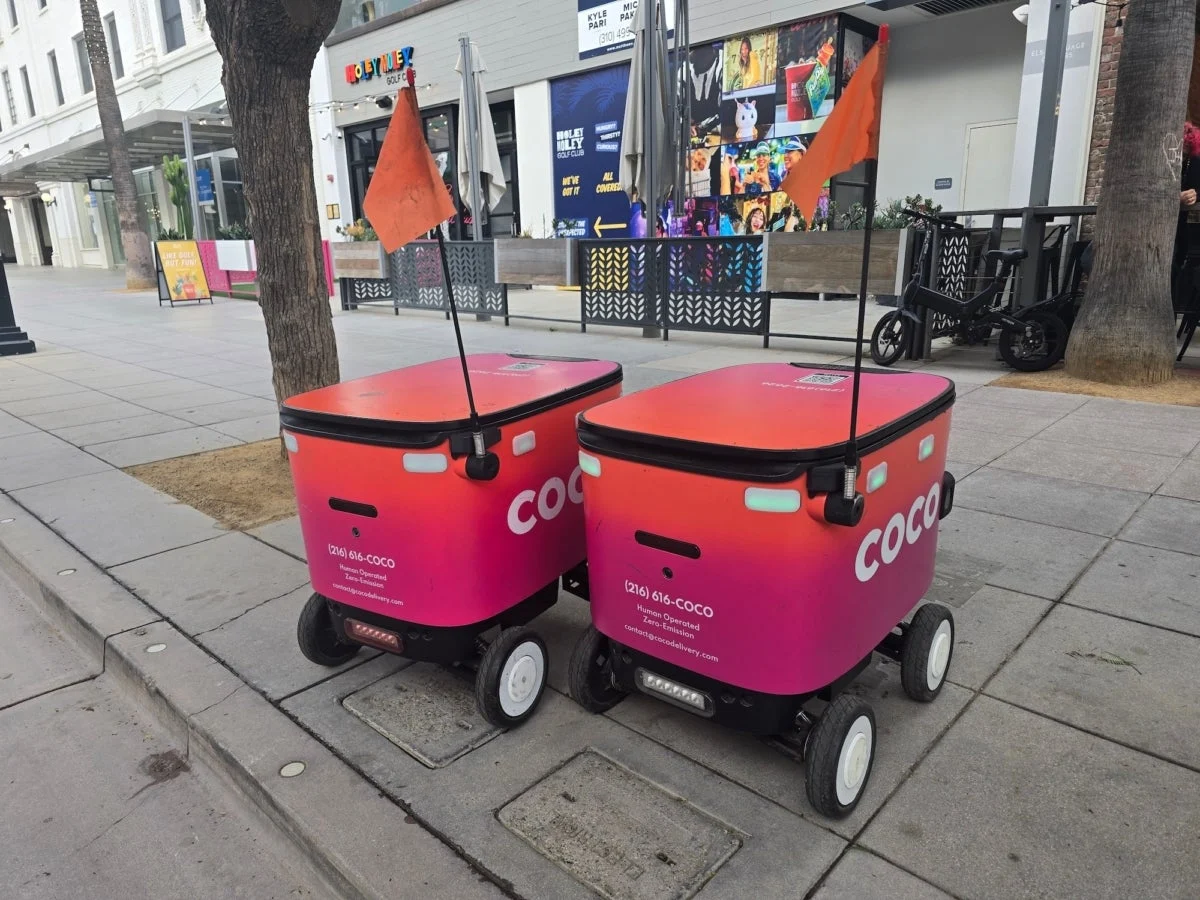
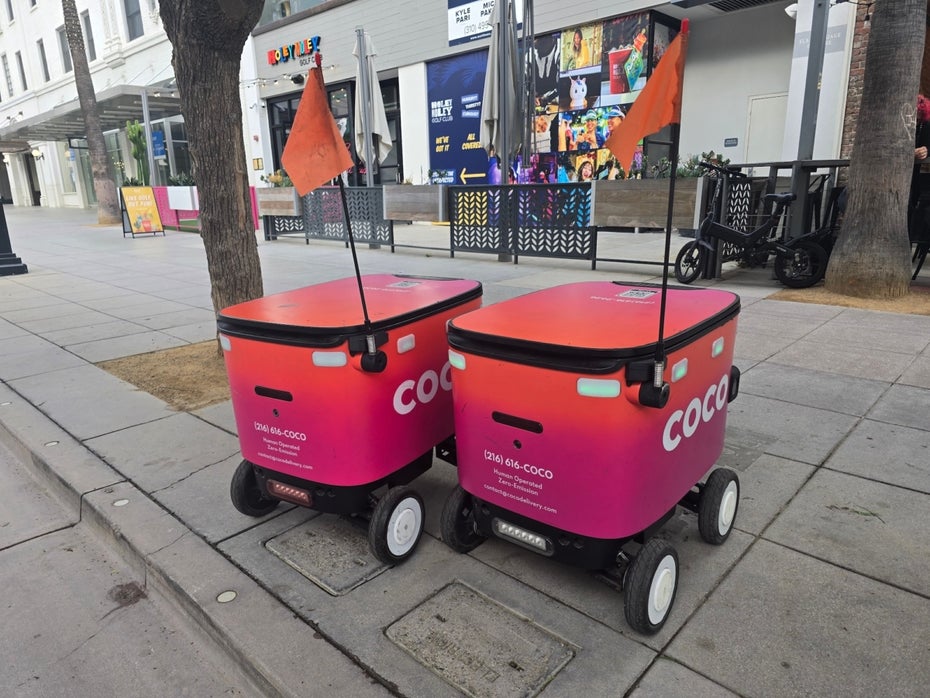
In the bustling urban centers of the United States, a quiet revolution is taking place on the pavement. Small, autonomous delivery robots—often resembling mobile, high-tech coolers on wheels—are becoming a familiar sight. Currently, around 5,000 of these machines navigate sidewalks in cities like Los Angeles, Chicago, and Miami, ferrying everything from hot pizza and groceries to vital medications. While industry analysts project that this fleet could expand to 500,000 units in the coming years, the road to automation is proving to be far from smooth.
The rise of these autonomous couriers has triggered a wave of public discontent. What began as mild annoyance regarding cluttered sidewalks has escalated into aggressive physical attacks, viral social media protests, and, most recently, a series of high-stakes legal battles that could define the future of the delivery-robot industry.
The Friction of Automation: A Chronology of Conflict
The integration of autonomous robots into human-centric environments has always been a contentious experiment. The timeline of this resistance can be traced through several distinct phases:
The Early Adoption Phase (2019–2022): Initially, these robots were seen as a quirky novelty. Companies promised a future of efficient, emission-free, and low-cost delivery. Local governments were largely permissive, eager to position their cities as hubs for technological innovation.
The Public Backlash Phase (2023–2024): As the density of robots increased, so did the friction. Pedestrians began reporting that the machines were blocking sidewalk access, particularly for individuals with disabilities. Social media platforms like TikTok began hosting videos showing citizens kicking, tripping, or even vandalizing robots. These acts of civil disobedience signaled a broader cultural resistance to the "robotization" of public spaces.
The Regulatory and Legal Phase (2025–Present): The tension reached a tipping point in Chicago. A grassroots movement, bolstered by thousands of signatures on a petition, demanded a city-wide ban on sidewalk-based delivery robots. This culminated in the filing of two major lawsuits, which have now thrust the industry into a precarious legal position, shifting the focus from physical vandalism to the much more sensitive issue of data privacy.
Data Privacy at the Core of the Controversy
While physical attacks against robots often grab headlines, the current legal challenges against major providers like Coco Robotics and Serve Robotics are arguably more significant. The plaintiffs in these cases are not necessarily trying to ban the technology outright; they are challenging the business model that powers it.
The lawsuits allege that these robots, equipped with high-definition cameras and Lidar (light detection and ranging) sensors, are doing more than just navigating the sidewalk—they are allegedly harvesting biometrics.
The Allegations
The plaintiffs assert that the robots have been recording the faces, hands, and gaits of passersby without their consent. The core of the accusation is particularly damaging: the plaintiffs claim that these recordings—linked to specific locations and times—are being used for purposes far removed from navigation, including the training of Artificial Intelligence (AI) models and potential data sharing with third parties, such as OpenAI.
One plaintiff detailed an incident where a remote operator allegedly observed the delivery process via the robot’s camera in real-time, raising concerns about the level of surveillance occurring in public view. The potential for these companies to build massive databases of facial recognition data under the guise of "delivery logistics" has triggered alarm bells among privacy advocates.
Supporting Data and Industry Projections
To understand the scale of this conflict, one must look at the industry’s trajectory. The move toward 500,000 units is not merely a marketing goal; it is a massive infrastructure shift.
- Market Penetration: Current data suggests that the "last mile" of delivery—the most expensive and labor-intensive part of the supply chain—is where companies expect to save the most money by replacing human couriers with autonomous units.
- The Illinois Precedent: The lawsuits in Chicago are leveraging the state’s Biometric Information Privacy Act (BIPA). BIPA is one of the strictest privacy laws in the United States, requiring clear consent for the collection of biometric identifiers. Because the plaintiffs are seeking damages between $1,000 and $5,000 per violation, the potential financial liability for companies like Coco and Serve could run into the hundreds of millions if these cases proceed to class-action status.
- Sensor Density: Modern delivery robots utilize an array of sensors that are functionally indistinguishable from those used in autonomous vehicles. While the companies maintain these are for navigation, the fidelity of modern Lidar and high-res imaging is more than sufficient to identify individuals in a crowd, turning every sidewalk into a potential data-gathering point.
Official Responses: The Corporate Defense
In the face of these allegations, the robotics companies have adopted a defensive, yet conciliatory tone. Both Coco Robotics and Serve Robotics have officially denied the claims, categorizing them as a misunderstanding of how the technology operates.

The Technical Defense
The primary defense provided by Serve Robotics to the media is that their systems are specifically engineered to avoid identifying individuals. According to the company, the cameras and sensors are optimized to detect obstacles and ensure safe navigation on crowded city streets, not to create personal profiles of citizens.
The Privacy Commitment
Coco Robotics has echoed these sentiments, asserting that compliance with local and state data privacy laws is a "top priority." They argue that the metadata collected is anonymized and stripped of personal identifiers before any processing occurs. They contend that the accusations of selling data to third parties for AI training are speculative and unsupported by their internal data governance policies.
However, the legal reality is that regardless of intent, the capability of the hardware remains the focus of the court. If the software is technically capable of recording and identifying a human face, the burden of proof will lie on the companies to demonstrate that they are strictly prohibiting that function.
The Broader Implications
The conflict in Chicago is a microcosm of a global struggle: the clash between corporate technological ambition and the fundamental right to privacy in public spaces.
The Future of "Smart Cities"
The outcome of these lawsuits will likely set a legal precedent for how "Smart Cities" are governed. If courts rule that companies must obtain explicit consent from everyone on a sidewalk before a robot can pass, the economic viability of autonomous delivery may collapse. Conversely, if these companies are allowed to collect data unchecked, the public’s sense of autonomy and privacy in urban environments may be permanently eroded.
Social Acceptance and Trust
Beyond the courtroom, there is the issue of social engineering. Technology companies often assume that if a product is efficient and cost-effective, the public will eventually accept it. The ongoing vandalism and protests suggest that trust cannot be programmed. Without a transparent dialogue between robot developers and city residents, the "war on the sidewalk" is unlikely to cease.
The Role of Regulation
Legislators are now faced with a difficult balancing act. On one hand, they want to foster innovation and reduce urban traffic congestion. On the other, they are duty-bound to protect their constituents from unauthorized surveillance. We can expect to see a wave of new municipal ordinances requiring "privacy-by-design" certifications for any autonomous vehicle operating in public spaces.
Conclusion
The roll-out of delivery robots is no longer just a story about convenience; it is a story about the limits of public tolerance and the sanctity of personal privacy. While the industry promises a frictionless future, the current reality is one of friction—legal, social, and physical.
As these court cases progress in Illinois, they will serve as a bellwether for the rest of the world. Whether these robots ultimately become a staple of modern life or are regulated into obsolescence will depend on whether companies can prove that they can operate as good citizens, rather than just efficient ones. The sidewalk, once a simple thoroughfare for pedestrians, has become the new frontier for the battle over the digital age.