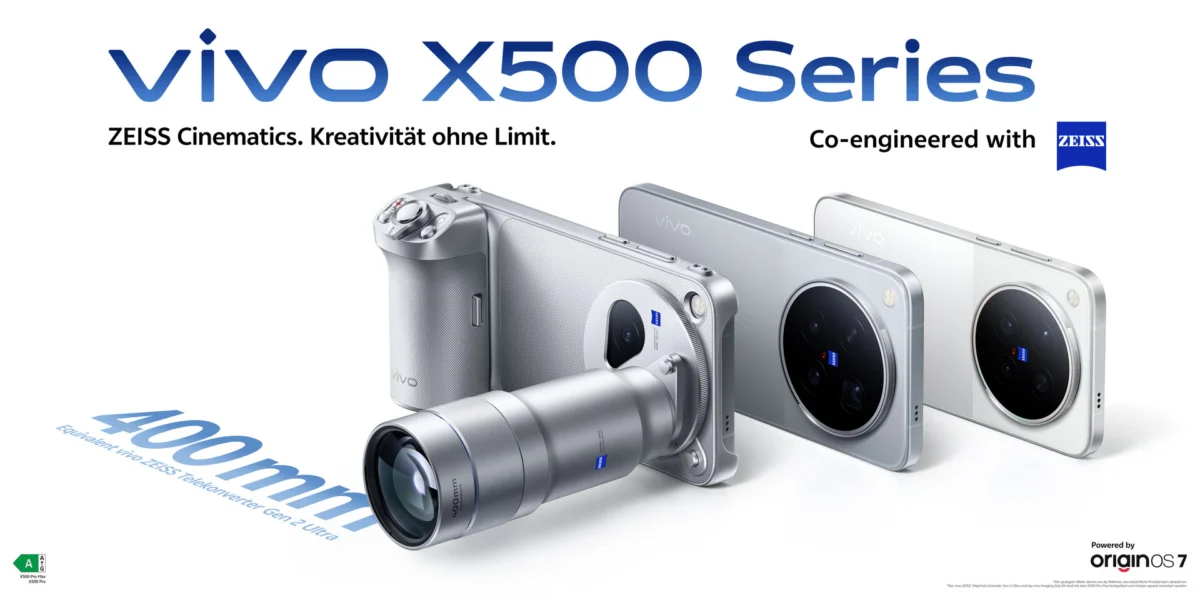
In a bold move to solidify its position within the European high-end smartphone market, Vivo has officially launched its highly anticipated X500 Pro and X500 Pro Max series in Germany. These devices, which have already garnered significant attention in Asian markets, represent a convergence of cutting-edge silicon architecture, advanced optics developed in collaboration with Zeiss, and a suite of professional-grade video tools that challenge the dominance of traditional camera manufacturers.
By integrating the industry-leading MediaTek Dimensity 9600 Pro—a 2nm powerhouse—with sophisticated image processing, Vivo is signaling a shift: the smartphone is no longer just a communication device; it is a portable cinematography suite.
Main Facts: A New Benchmark for Mobile Imaging
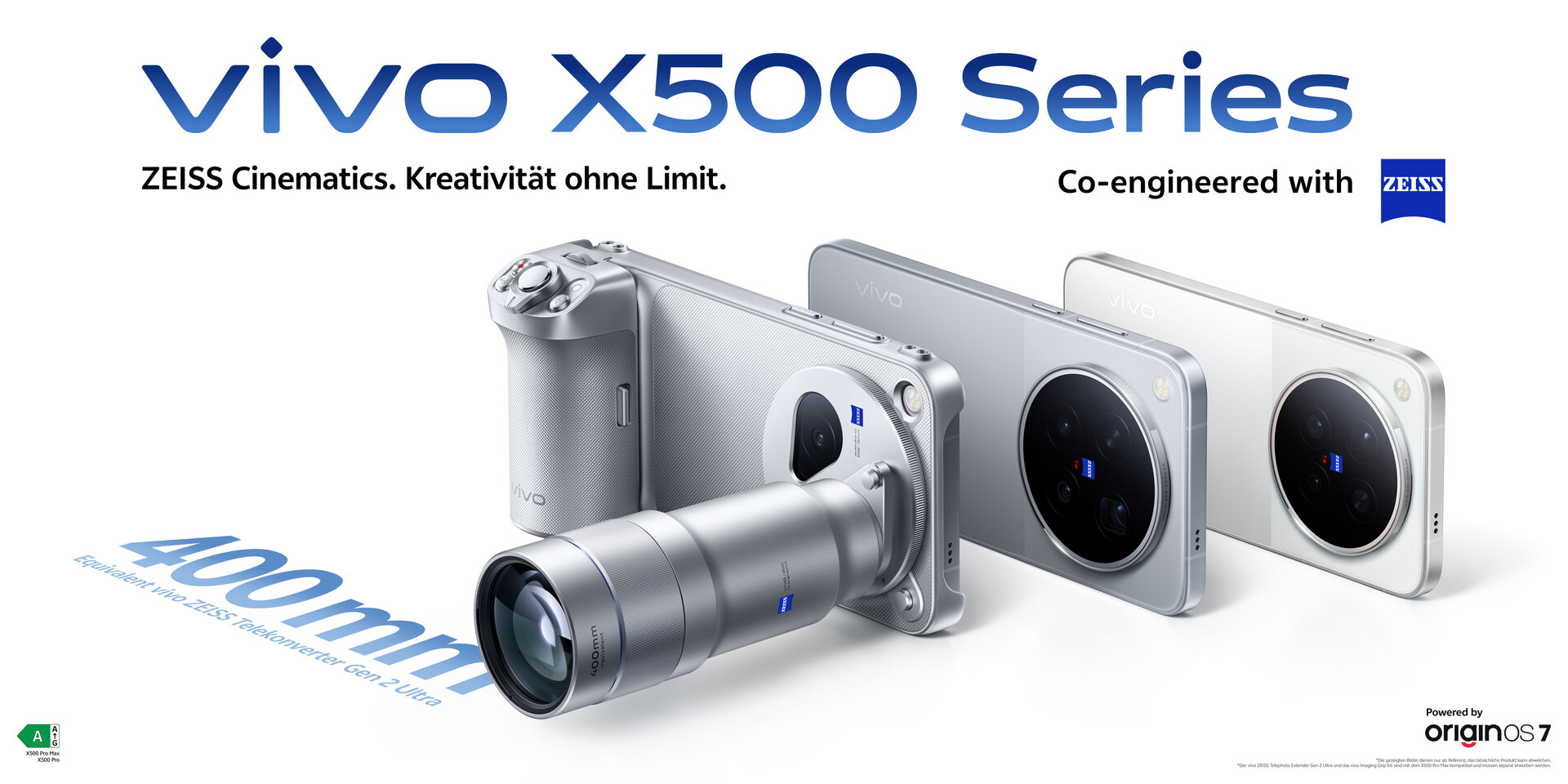
The core philosophy behind the X500 series is "Optical Excellence through Computational Intelligence." Both models share a unified foundation in their main camera arrays, anchored by the 50-megapixel Sony Lytia-910 sensor (1/1.28 inch). This primary sensor is paired with a 50-megapixel ultra-wide lens (Samsung JN5) and a 50-megapixel front-facing camera with autofocus, ensuring that the selfie experience matches the quality of the primary rear modules.
However, the divergence between the Pro and the Pro Max lies in their telephoto capabilities. While the standard X500 Pro utilizes a 64-megapixel Zeiss APO telephoto lens, the X500 Pro Max introduces a staggering 200-megapixel telephoto module. This sensor utilizes Samsung’s HP0 architecture, offering unparalleled detail retention even at high zoom levels. Both models feature Zeiss T* anti-reflective coating, a hallmark of their partnership that drastically reduces lens flare and ghosting in challenging lighting conditions.

The Pro Max further distinguishes itself with an "Ultra" telephoto configuration, capable of leveraging proprietary Telephoto Extenders to achieve an effective 400mm focal length—a feature previously reserved for professional DSLR rigs or specialized hardware like the X300 Ultra.
Chronology: The Road to the German Launch
The path to the German market has been calculated and methodical. Vivo’s strategy began with early teasers in the spring, focusing on the sensor technology behind their "X-Track" engine.
- Q1/Q2: Development and testing of the MediaTek Dimensity 9600 Pro chipset, focusing on 2nm efficiency and AI-driven image processing.
- Late Summer: Official announcement of the collaboration with Arm for the new C2-CPU and Mali-G2-NX GPU, setting the stage for the X500 series performance.
- Mid-October: Pre-release briefing under NDA, allowing technical reviewers to analyze the hardware capabilities.
- Today (Official Launch): The global retail rollout begins, with Vivo establishing a direct-to-consumer presence via its official online store and Amazon, accompanied by a comprehensive incentive package for early adopters.
Supporting Data: Technical Specifications and Performance
The performance metrics of the X500 series are anchored by the Dimensity 9600 Pro. This chipset is built on TSMC’s 2nm process, which is currently the gold standard for energy efficiency and thermal management in mobile computing.
Camera Array Comparison
| Feature | X500 Pro | X500 Pro Max |
|---|---|---|
| Main Sensor | 50MP Lytia-910 | 50MP Lytia-910 |
| Telephoto | 64MP Zeiss APO (85mm) | 200MP Zeiss APO (85mm) |
| Max Zoom Range | 20x (Motion Snapshot) | 30x (Motion Snapshot) |
| Video Support | 4K @ 240 FPS | 4K @ 240 FPS |
| Stabilization | CIPA 7.0 | CIPA 7.0 + 3-Axis Gimbal |
Display and Battery
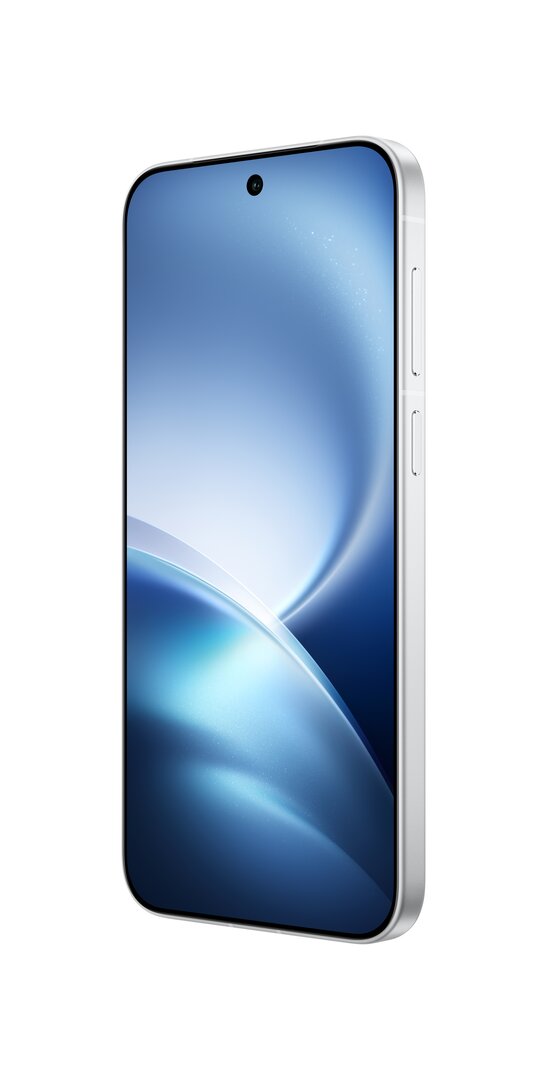
The displays utilize LTPO technology, allowing for a dynamic refresh rate between 1Hz and 144Hz. The X500 Pro features a 6.36-inch panel (1,216 x 2,660), while the Pro Max jumps to 6.85 inches (1,440 x 3,168). Both devices boast peak brightness levels exceeding 4,400 nits, ensuring visibility under direct sunlight.

Battery life is managed by a dual-cell architecture: 6,510 mAh for the Pro and 6,750 mAh for the Pro Max, both supporting 90W wired and 40W wireless charging.
Official Responses and Strategic Vision
Vivo executives have framed the X500 series as a "direct response to the creator economy." In internal briefings, the company emphasized that the integration of the "Cinematic Pro-Log" mode and a 17 EV dynamic range is designed to minimize the post-production workload for mobile videographers.
"We are not just selling a smartphone; we are providing a tool for visual storytelling," a spokesperson stated. "By integrating 4K recording at 240 frames per second with professional-grade color profiles, we are allowing creators to shoot, grade, and edit cinema-quality footage entirely on the device."
The software, running on OriginOS 7 based on Android 17, has been specifically optimized to handle the heavy computational load of the 200MP telephoto sensor and the AI-driven "X-Track" engine, which maintains focus even when subjects are momentarily obscured.
Implications: The Future of Mobile Photography
The launch of the X500 series has several profound implications for the industry.
1. The Death of the Dedicated Point-and-Shoot
With a 400mm focal reach via teleconverters and a 200MP sensor capable of 60 FPS burst tracking, the X500 Pro Max effectively renders entry-to-mid-level dedicated cameras obsolete for most consumers. The inclusion of "Gimbal-Grade" stabilization means that handheld video no longer requires external mechanical stabilizers.
2. AI as the Core Orchestrator
By leveraging the Arm C2-Ultra CPU, the X500 series marks a transition toward "AI-Agent" photography. The phone is no longer just capturing light; it is interpreting the scene, predicting movement through the X-Track engine, and adjusting lens behavior in real-time. This level of autonomy is expected to become the industry baseline within the next 24 months.
3. Strengthening the European Market Position
Vivo’s aggressive retail strategy—offering a 2+1-year warranty, a five-year battery guarantee, and a "lowest price of the year" promise—shows a long-term commitment to the German consumer. By mitigating the risks typically associated with premium hardware (battery degradation and repair costs), Vivo is attempting to win the trust of European users who have traditionally leaned toward legacy brands like Samsung or Apple.
4. The 2nm Milestone
The move to the Dimensity 9600 Pro (2nm) puts Vivo at the absolute vanguard of hardware performance. As other manufacturers struggle with thermal throttling in high-performance modes, Vivo’s implementation of advanced cooling and the efficiency of the 2nm process suggests they have solved the "performance vs. heat" equation that has plagued the industry since the advent of 4K video recording.
Conclusion
The arrival of the Vivo X500 Pro and Pro Max in Germany is more than a simple product launch; it is a declaration of intent. With industry-leading optics, a revolutionary telephoto system, and a robust software ecosystem, Vivo has positioned itself as the manufacturer to beat in the high-end photography segment. For the consumer, the choice is clear: if you are looking for the absolute pinnacle of what mobile imaging can achieve in 2024, the X500 series—and particularly the Pro Max—demands serious consideration.
As the retail window opens today, all eyes will be on how the market responds to these hardware-heavy devices. With the added security of the "niedrigsten Preise des Jahres" (lowest prices of the year) promotion, Vivo has effectively removed the financial barrier to entry, inviting users to experience the future of photography today.