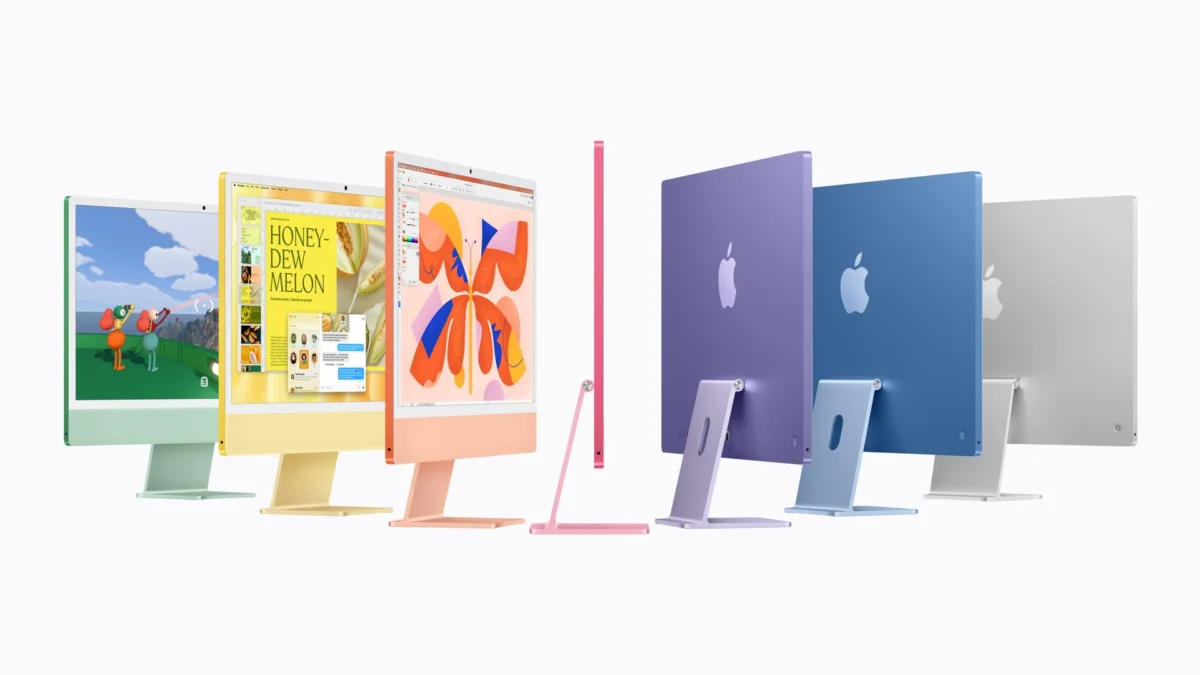
Apple has officially refreshed its iconic 24-inch All-in-One desktop, the iMac, marking a significant transition into the next era of silicon. By integrating the cutting-edge M6 processor—the company’s first chip fabricated using a 2nm process—Apple is positioning its desktop lineup to dominate the intersection of productivity, creative workflows, and artificial intelligence. Despite the massive internal upgrade, the starting price remains anchored at €1,799, maintaining the same entry point as the previous M4-based iteration.
Main Facts: A 2nm Leap Forward
The core of this update is the M6 chip, a powerhouse that promises to redefine the performance expectations for an All-in-One computer. While the exterior design remains familiar—retaining the vibrant seven-color palette and the signature 24-inch 4.5K Retina display—the hardware beneath the hood has undergone a radical transformation.
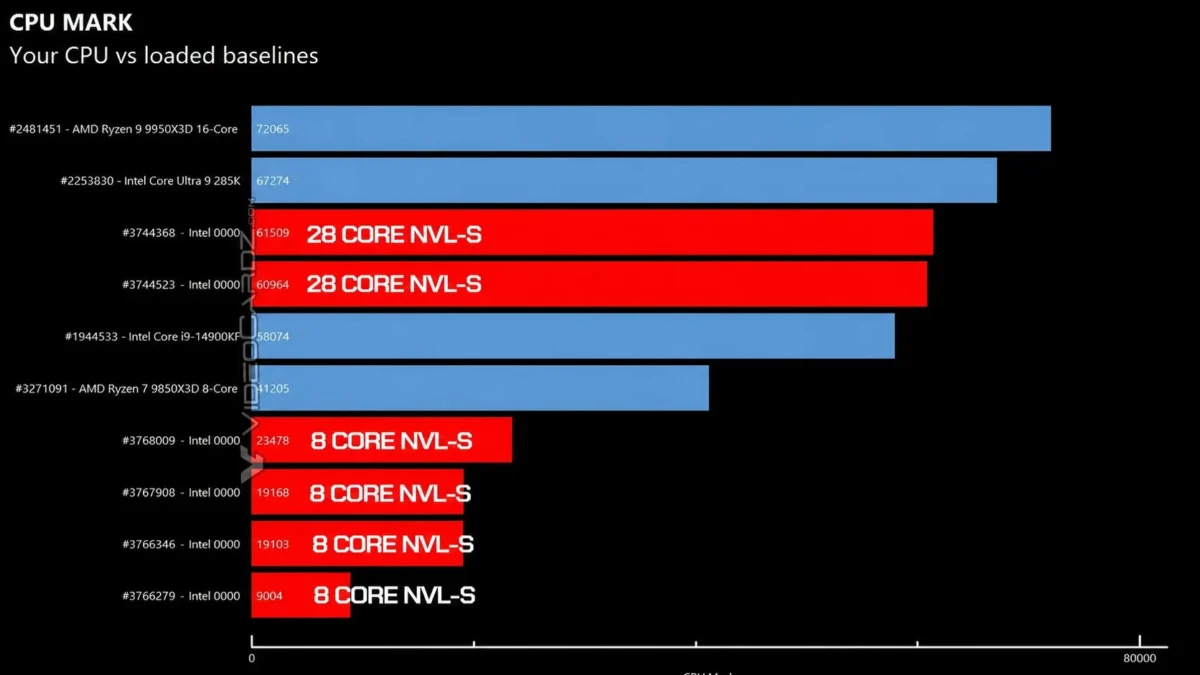
The M6 chip is available in two distinct configurations. The base model features 10 CPU and 10 GPU cores, while the high-performance variant boasts a full 12-core CPU and 12-core GPU setup. According to internal testing, this represents a substantial leap in performance: Apple claims up to a 50% improvement in CPU tasks and a staggering 100% boost in graphics performance compared to the M4 architecture.
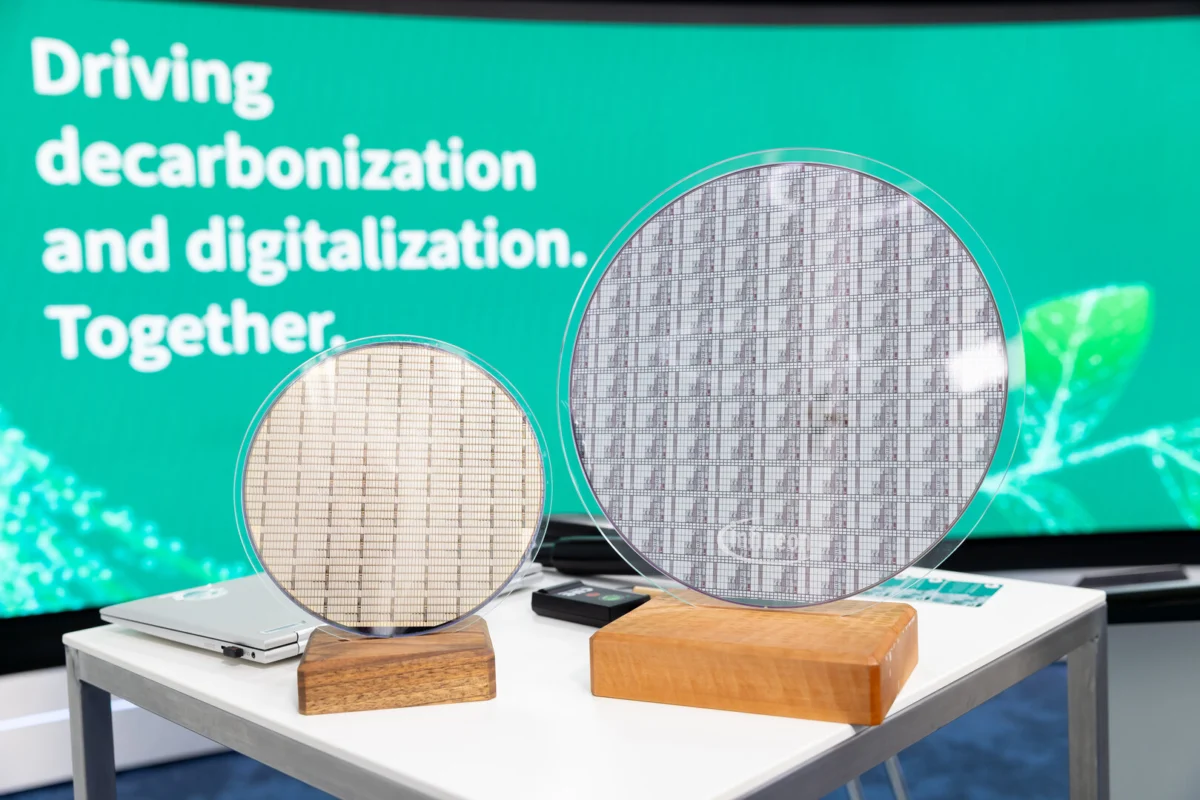
Crucially, the chip is built on a 2nm process, which allows for higher transistor density, improved energy efficiency, and a significant increase in memory bandwidth, now reaching up to 170 GB/s. This allows the new iMac to handle complex multitasking and high-resolution media rendering with unprecedented fluidity.
Chronology of the Transition
The evolution of the iMac has been a steady march toward total Apple Silicon independence. Since the introduction of the M1, the iMac has served as a benchmark for how desktop computing can be streamlined without sacrificing power.
- The M1 Era (2021): The radical redesign of the iMac, moving away from Intel processors to the custom-designed M1, introduced the thin chassis and the diverse color range.
- The M3/M4 Intermediates: Subsequent updates focused on refining thermal management and raw processing speed, cementing the iMac as the primary choice for students, office professionals, and light creative users.
- The Present (M6 Launch): With the announcement on October 28, the M6 integration marks the first time Apple has brought its 2nm flagship technology to the desktop form factor, signaling that the company is prioritizing efficiency and AI capabilities over mere aesthetic changes. Pre-orders have opened immediately, with the first units slated to reach customers by November 6.
Supporting Data: Performance and Technical Specifications
The M6 is not just about raw numbers; it introduces a sophisticated approach to AI. The integration of Neural Accelerators within the GPU cores allows for a doubling of AI-processing throughput compared to previous generations. This enhancement is specifically designed to support the burgeoning suite of "Apple Intelligence" features embedded within the new macOS 27 operating system.

Memory and Storage Configuration
Apple has standardized the entry-level RAM at 16GB, a nod to the growing memory demands of modern software. For power users, the upgrade path remains robust:
- RAM Upgrades: Users can configure their machines with 24GB (+€220) or 32GB (+€440) of unified memory.
- SSD Storage: The base storage remains at 256GB. However, for those requiring more space, Apple offers 512GB (+€220), 1TB (+€550), and a massive 2TB option (+€1,100). The SSD technology itself has been updated, with Apple promising up to double the read/write speeds of the previous generation, a boon for users working with 4K/8K video files or massive datasets.
Connectivity and Expansion
The new iMac finally embraces the latest wireless standards, moving to Wi-Fi 7 and Bluetooth 6.0. This ensures lower latency and more stable connections in crowded wireless environments. While the standard model features two Thunderbolt ports, the high-end M6 model doubles this to four, providing greater flexibility for external peripherals. For enterprise environments, Apple has maintained the option for a 2.5-Gigabit Ethernet port, available for a €30 premium. Additionally, the device now supports up to two external 6K displays, effectively turning the iMac into a command center for multi-monitor workstations.
Official Responses and Strategic Positioning
Apple’s leadership has emphasized that the M6 iMac is designed to be "future-proof." By focusing on the Neural Engine and memory bandwidth, Apple is preparing the hardware to handle the next several years of software development.
"We aren’t just increasing clock speeds," an Apple representative noted during the briefing. "We are increasing the intelligence of the machine. The M6 architecture allows for a seamless integration between the OS and the hardware, making the iMac feel faster not just in benchmarks, but in daily interaction."
The company’s decision to keep the starting price at €1,799 is a strategic play to maintain its dominance in the education and home office markets. By not raising the price despite the 2nm transition and the inclusion of more advanced components, Apple is effectively undercutting the perceived value of competitors in the Windows-based All-in-One market.
Implications: What This Means for the Market
The introduction of the M6 iMac carries significant implications for the broader computing industry.
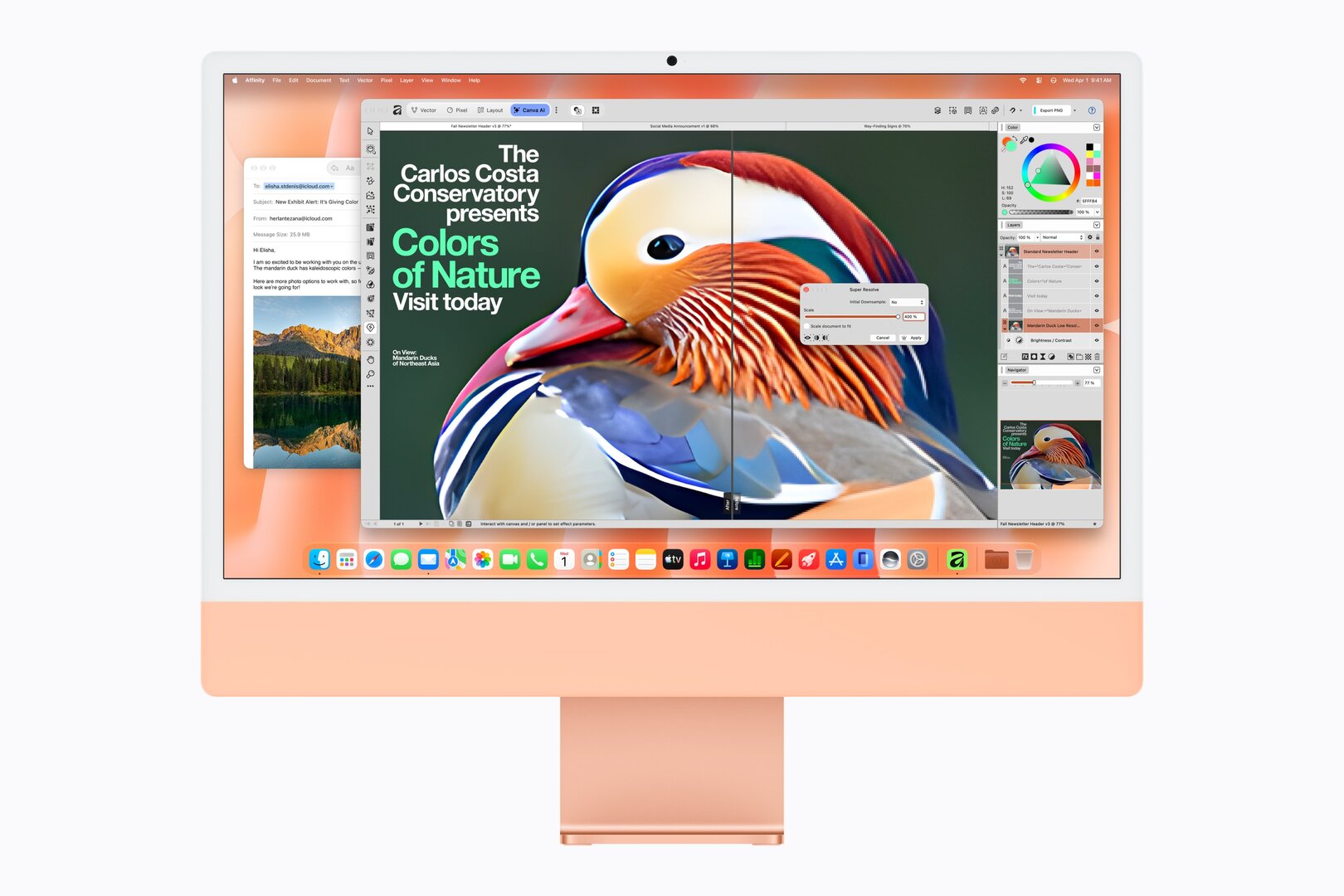
1. The Death of the "Slow" Desktop
With the M6’s architecture, even the "base" model iMac is now capable of performing tasks that were once reserved for the Mac Studio or MacBook Pro. This creates a challenging environment for competitors, who often struggle to balance thermal constraints with high-performance chips in an All-in-One form factor. Apple’s mastery of unified memory and the 2nm process gives it an efficiency edge that is currently unmatched.
2. The AI-First Desktop
By embedding AI acceleration directly into the silicon, Apple is signaling that AI is no longer an optional add-on but a fundamental component of the user experience. Whether it is text summarization, image generation, or real-time voice processing via macOS 27, the iMac is now optimized to perform these tasks locally, protecting user privacy while ensuring rapid response times.
3. Sustainability and Longevity
The increased RAM and faster SSD speeds suggest that Apple is encouraging users to keep their machines longer. A 32GB RAM configuration, paired with the 2nm efficiency of the M6, is a combination that will remain performant for years to come. This aligns with Apple’s broader environmental goals, as longer product lifecycles reduce the overall carbon footprint per user.
4. The Peripherals Ecosystem
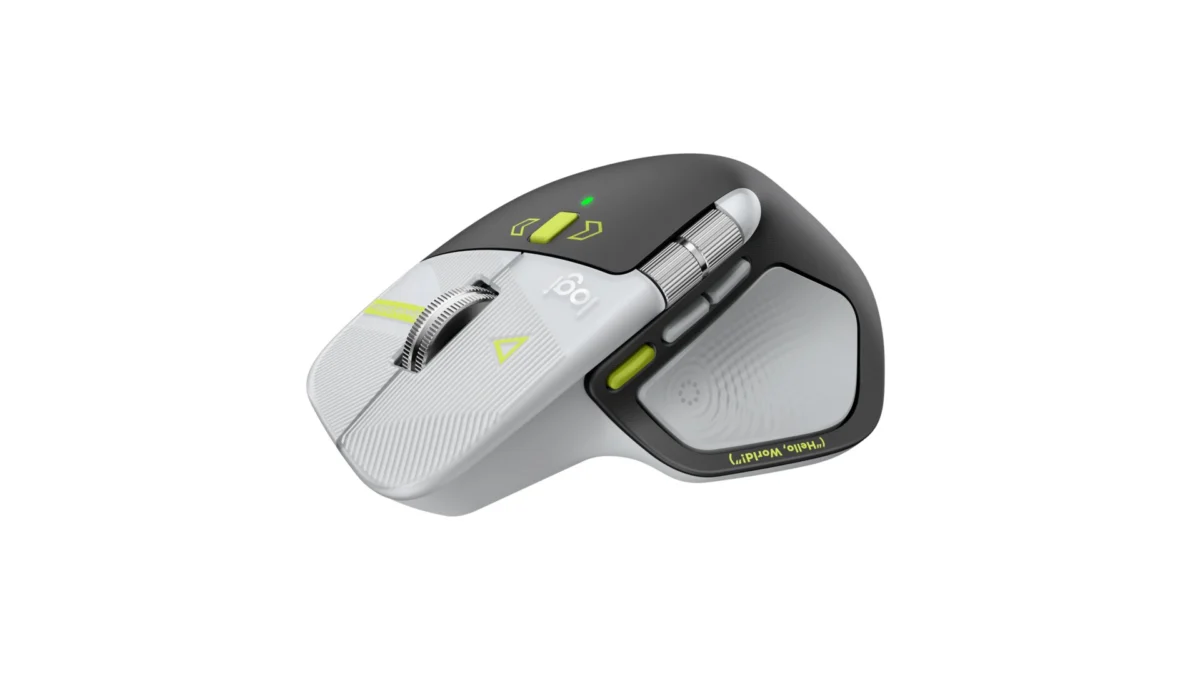
The continued reliance on the Magic Mouse and Magic Keyboard, while functional, highlights Apple’s commitment to a clean, cable-free desk. While some power users still clamor for a more ergonomic mouse design, the seamless integration of these peripherals with the M6 iMac continues to provide a "plug-and-play" experience that is central to the brand’s appeal.
Conclusion
The new iMac with M6 is a testament to Apple’s relentless pursuit of vertical integration. By owning the chip design, the operating system, and the physical hardware, Apple has delivered a product that is faster, smarter, and more efficient than its predecessor, all while resisting the urge to hike prices. For creative professionals, families, and businesses alike, this machine represents a significant, long-term investment in a computing platform that is finally ready for the era of on-device artificial intelligence. As of November 6, the bar for the All-in-One computer category has been officially moved.