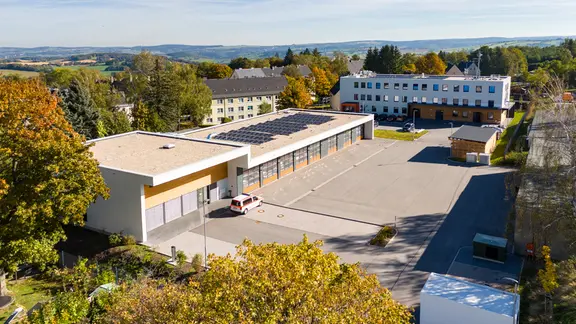
BREITENBRUNN, GERMANY – In a significant step forward for environmental protection and industrial legacy management, a pioneering pilot plant for advanced water purification was officially commissioned in the Ore Mountain (Erzgebirge) region of Saxony this past Tuesday. The facility, situated in the municipality of Breitenbrunn, represents a strategic investment in sustainable technology designed to tackle the long-standing challenge of heavy and semi-metal contamination in local water bodies.
The project, which has been closely watched by environmental agencies and local stakeholders, promises to filter harmful residues with unprecedented cost-efficiency. By leveraging cutting-edge filtration processes, the plant aims to neutralize the impact of historical mining activities—a central concern for the region’s ecological health.
Main Facts: A New Chapter for the Erzgebirge
The inauguration of the Breitenbrunn pilot plant marks a critical transition from traditional, energy-intensive water treatment to a more sustainable, circular-economy model. The facility focuses on the systematic extraction of metallic elements that have long permeated the groundwater and stream systems surrounding former mining sites.
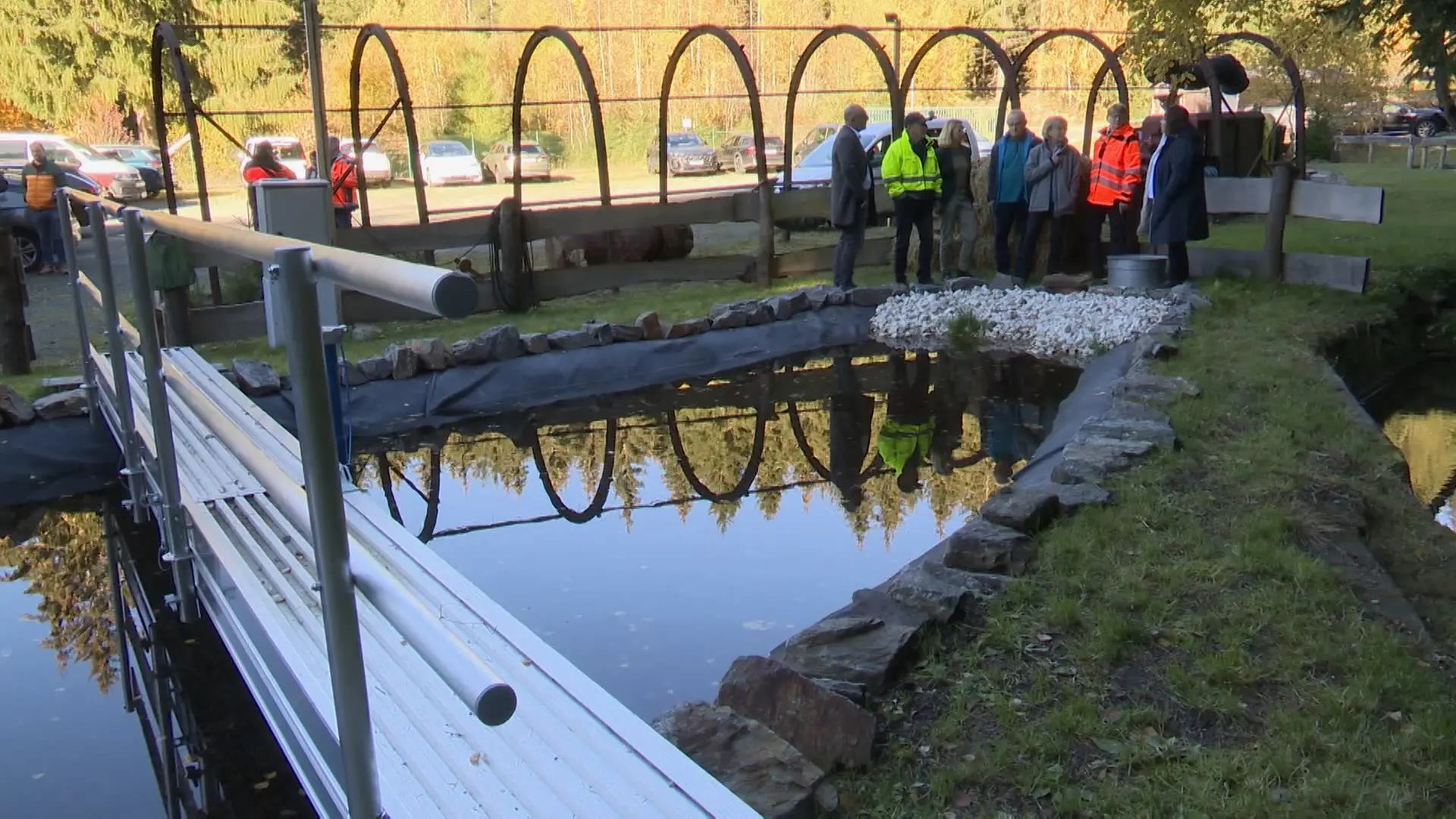
- Primary Objective: The removal of hazardous heavy metals (such as arsenic, cadmium, and lead) and semi-metals (including antimony and arsenic) from mine-affected water.
- Technology: The plant utilizes a multi-stage, modular filtration system designed to minimize chemical waste while maximizing the recovery of clean, discharge-ready water.
- Sustainability: By optimizing the filtration process, the facility significantly lowers operational costs, making it a viable template for other post-mining regions across Germany and Europe.
- Scale: Currently operating as a pilot facility, the plant serves as an essential testing ground for scaling up operations to full municipal and industrial capacity.
Chronology of the Project
The road to the opening of this facility was paved by years of research and environmental monitoring. The Erzgebirge, a region world-renowned for its centuries-long mining history, has faced the persistent legacy of "acid mine drainage" and metal-rich sediment runoff.
Phase 1: Diagnostic Assessment (2020–2022)
Environmental engineers conducted comprehensive surveys of the Breitenbrunn water catchment area. Data confirmed that legacy mine tailings were continuously leaching minerals into the watershed, posing a long-term risk to local flora and fauna.
Phase 2: Pilot Design and Engineering (2023–2025)
Working in collaboration with the Bergsicherung Schneeberg, engineers developed a proprietary filtration medium capable of capturing specific metallic ions. The focus was shifted from traditional lime-based precipitation, which creates large volumes of toxic sludge, to more precise ion-exchange and membrane-based technologies.
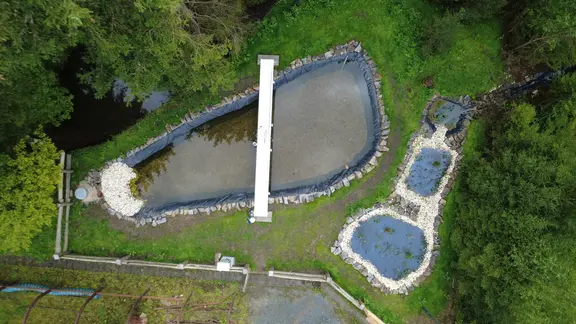
Phase 3: Construction and Commissioning (2026)
Following regulatory approval in early 2026, the construction of the modular plant began. The facility was integrated into the existing infrastructure, allowing for real-time testing against varying water flow rates and metal concentrations. The official "switch-on" occurred on Tuesday, October 27, 2026, marking the start of a twelve-month observation period to validate long-term efficiency.
Supporting Data: The Scale of the Challenge
The necessity of the Breitenbrunn plant is backed by extensive geochemical data. The geological composition of the Ore Mountains makes the region naturally rich in mineral deposits, but centuries of intensive extraction have exposed these materials to oxidation.
Water Quality Metrics
Preliminary studies indicate that the concentration of heavy metals in untreated runoff in the area often exceeds EU drinking water guidelines by a factor of ten or more. The following table highlights the primary targets of the new filtration system:

| Element | Typical Source | Environmental Impact |
|---|---|---|
| Arsenic | Sulfide ore weathering | High toxicity to aquatic life |
| Antimony | Industrial waste / Mining | Long-term soil contamination |
| Cadmium | Zinc/Lead mining residue | Bioaccumulation in food chains |
The plant is designed to reduce these concentrations to levels well below the regulatory thresholds, ensuring that water returning to the regional streams meets the high standards of the Water Framework Directive.
Official Responses and Stakeholder Perspectives
The launch has been met with broad support from both local government officials and environmental groups.
The Municipal Perspective:
Mayor Ruben Gehart, who attended the inauguration, emphasized the importance of this facility for the town’s future. "For too long, the legacy of our ancestors’ hard work has manifested as a burden on our environment. This plant proves that we can respect our history while actively protecting our future. It is not just a machine; it is a signal that Breitenbrunn is committed to ecological responsibility."
Technical Oversight:
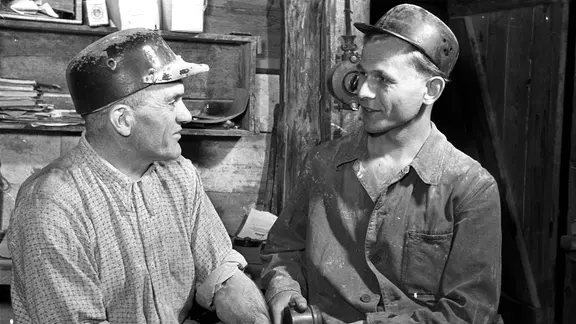
Spokespeople from the Bergsicherung Schneeberg noted that the primary hurdle in previous years was the cost of maintenance. "By refining our filtration materials to be recyclable, we have moved the needle on cost-effectiveness. The pilot plant is already showing that we can reduce operational expenditures by nearly 30% compared to traditional sediment-tank methods."
Environmental Advocacy:
Local conservationists have praised the project but urged continued transparency. "We are pleased with the installation, but we must ensure that the secondary waste produced by the filters is handled with the same rigor as the water purification itself," stated a representative from a local environmental NGO. The project management team has confirmed that all waste products are being processed for safe, sealed disposal.
Implications: The "Breitenbrunn Model"
The success of the Breitenbrunn project carries implications far beyond the Ore Mountains. Many regions in Central Europe are grappling with the decommissioning of heavy industry and the subsequent environmental cleanup.

A Blueprint for Post-Mining Europe
The modular nature of the Breitenbrunn plant allows it to be replicated or scaled depending on the specific contamination profile of a site. If the facility proves successful over the next year, it is expected that the Saxon Ministry for the Environment will propose similar units for other hotspots in the Erzgebirge, including the areas around Aue and Schwarzenberg.
Economic and Ecological Synergy
The project highlights a growing trend in "green mining" and environmental remediation. By investing in such technologies, local governments are not only cleaning up the environment but also fostering a hub of technical expertise. The maintenance and operation of these plants require a specialized workforce, potentially creating new, high-skilled jobs in a region that has historically faced economic shifts due to the decline of traditional mining.
The Path Forward
As the plant enters its first full month of operation, the focus shifts to data collection. Engineers will monitor the longevity of the filter cartridges and the consistency of the purified water output. The data gathered will be compiled into a comprehensive report by late 2027, which will serve as the basis for a potential regional rollout.
For the residents of Breitenbrunn, the facility is more than just infrastructure; it is a symbol of restoration. As the region continues to balance its identity as a historic mining landscape with the demands of a modern, environmentally conscious society, the success of this water purification effort will be a vital indicator of progress.
Disclaimer: This article is based on recent local reports regarding the commissioning of environmental infrastructure in the Ore Mountains. For further updates on the facility’s performance and regional environmental data, readers are encouraged to follow the official releases from the Saxon State Ministry for Energy, Climate Protection, Environment and Agriculture.