By Dirk Hofmeister
Updated: October 27, 2026, 10:17 AM
The world of international biathlon is bracing for a significant transformation. As the circuit prepares for the 2026/2027 season, the legendary Oberhof venue in the Thuringian Forest is undergoing a series of structural modifications that promise to redefine the competitive landscape. For the first time in its storied history, the Oberhof Biathlon World Cup will shift its calendar slot to early March, but the date change is merely the beginning. Organizers have embarked on an ambitious project to overhaul the track layout, focusing specifically on the notorious "Birxstieg" and the removal of the "Henkel-Schleife," signaling a strategic pivot toward both athlete safety and enhanced spectator engagement.
The Main Facts: Reshaping the "Scharfrichter"
For decades, the Birxstieg has been the defining feature of the Oberhof course. It was a section that polarized the peloton: athletes like the Italian star Dorothea Wierer famously detested its grueling demands, while power-skaters like the late German legend Denise Herrmann-Wick thrived on its steep, unforgiving incline.
The "Birx," as it is affectionately and sometimes mockingly known, has long served as the course’s "Scharfrichter"—a term used in cycling and skiing for a section so difficult that it essentially decides the race. Previously, athletes exiting the stadium faced a brutal 270-meter climb with a gradient reaching 13 percent, requiring them to conquer 41 vertical meters in a single push.
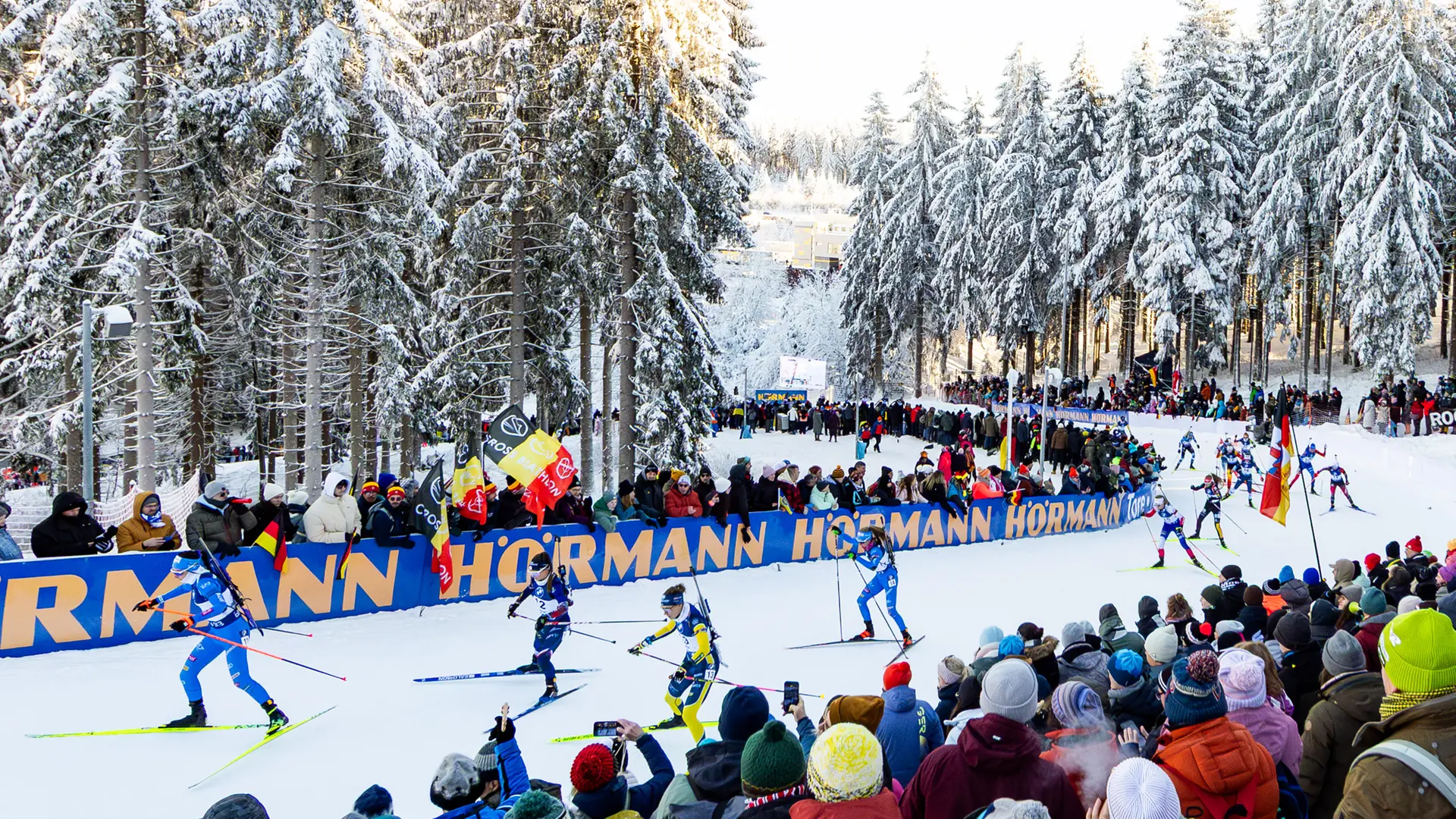
Starting this season, that profile will be fundamentally altered. The Birxstieg is effectively being halved. Instead of the full, punishing ascent, athletes will now climb only to the halfway point, where a new turn has been constructed. From there, the course will transition into a descent, leading into a new, extended uphill section via the "IBU-Schneise" (the IBU lane). This creates a longer, albeit differently paced, climbing challenge that shifts the tactical requirements of the race.
Chronology of the Transformation
The decision to modify one of the most famous tracks in the sport did not happen overnight. It is the result of years of data collection and logistical analysis by the Oberhofer Sport und Event GmbH.
- 2023: Ahead of the Biathlon World Championships in Oberhof, experts identified the high vulnerability of certain track sections to unpredictable Thuringian weather.
- 2024: During a particularly challenging training session, Norwegian athlete Endre Strømsheim famously described the slushy, rain-affected Birxstieg as the "worst training day of all time," highlighting the extreme physical toll the section takes when conditions are suboptimal.
- October 2026: At the Forum Nordicum in Nove Mesto, organizers officially confirmed the dual strategy: modifying the Birxstieg and permanently retiring the Henkel-Schleife to ensure the viability of the World Cup through to the March season finale.
- March 2027: The debut of the new course layout will take place, coinciding with a special "Legends Race" featuring former icons of the sport.
Supporting Data and Strategic Reasoning
The motivations behind these changes are rooted in more than just athlete comfort. Bernd Wernicke, Managing Director of Oberhofer Sport und Event GmbH, explained that the primary drivers are environmental and logistical.
"We have meticulously observed which sections of the track are most susceptible to wind and where the snow base degrades the fastest as we move toward the month of March," Wernicke noted. "The upper part of the Birxstieg and the Henkel-Schleife were identified as the two major ‘problem zones’ where maintaining a high-quality track surface becomes an existential challenge for our grooming teams."

The Henkel-Schleife, named after the world-class athlete Andrea Henkel and introduced in 2015, will be removed entirely from the competition circuit. While it served as a technical highlight for years, its removal simplifies the course maintenance requirements, ensuring that the remaining sections can be better preserved for the late-season date.
To compensate for the loss of the intense incline, the track is being widened from nine meters to 13 meters in critical areas. This expansion serves a dual purpose: it allows for more tactical passing maneuvers during mass starts and relays, and it provides a safer, more stable surface for athletes to navigate when the spring thaw begins.
Official Responses and Stakeholder Perspectives
The reception to the changes has been largely pragmatic. Andrea Henkel, who has been kept in the loop regarding the removal of the loop bearing her name, has reportedly taken the news with grace. "Anyone who knows Andrea understands that she thinks in the interest of the sport, not in terms of vanity or names," Wernicke remarked.
The athletes’ perspective is also evolving. While the "Scharfrichter" nature of the Birxstieg was a point of pride for some, the consensus among modern competitors is that a more balanced course allows for more technical racing rather than a simple test of raw strength. By adding a new, longer climbing sequence through the IBU lane, the course remains physically demanding but shifts the focus toward aerobic capacity and technical efficiency.

Implications for Fans and the Spectator Experience
Perhaps the most exciting aspect of the renovation is the direct benefit to the thousands of fans who make the pilgrimage to Oberhof every year. The new layout is designed to maximize visibility. By creating a turning point halfway up the Birxstieg, spectators will now be able to witness the athletes not just during the agonizing climb, but also as they turn and begin their descent.
"We are creating a massive viewing area at the IBU-Schneise," Wernicke explained. "We can accommodate up to 1,000 spectators in that specific zone alone, offering them a front-row seat to the most critical tactical moments of the race."
Furthermore, the organizers are introducing a world-first for the Biathlon World Cup: a giant Ferris wheel installed within the event grounds. This structure will provide fans with an unparalleled vantage point, allowing them to look down into the stadium from the "Hüttendorf" (hut village). This move is part of a broader effort to transform the Oberhof experience from a purely athletic event into a winter festival.
Additionally, to ensure that fans deep in the forest are not cut off from the action, a new, massive video wall will be installed at the Hochwald descent. This ensures that even those stationed far from the stadium can follow the shooting sequences and time splits in real-time.

The Future of the "Legends"
The shift to a March date also allows for a celebratory end to the season. On March 3, 2027, the venue will host a "Legends Race." This is not merely an exhibition; it is a bridge between the sport’s history and its future. Confirmed participants include Andrea Henkel, Simone Hauswald, Kati Wilhelm, Sabrina Buchholz, and Christoph Stephan, with organizers actively courting the participation of Michael "Ebs" Rösch.
In a unique twist, the organizers are opening the relay event to fans, who can apply to compete alongside these legendary figures. This inclusion of the public underscores the community-centric approach that Oberhof is taking to mitigate the risks associated with the new, slightly less "punishing" course.
Conclusion
The evolution of the Oberhof track is a microcosm of the sport of biathlon itself: constantly adapting to climate realities, seeking to improve the safety and technical fairness for athletes, and striving to provide an increasingly immersive experience for fans. While the "Birxstieg" will no longer be the singular monster that defined the venue for decades, its transformation into a more tactical, spectator-friendly segment may well usher in a new era of high-speed, dynamic racing. As the world’s best prepare for the March 2027 showdown, one thing is certain: the Thuringian Forest remains the beating heart of world biathlon, ready to face the challenges of a changing season with innovation and, hopefully, a little less fog.