By Marcus Engert and Edgar Lopez, MDR INVESTIGATIV
Updated: October 26, 2026, 14:19 CET
The "Antifa-Ost" trial, one of the most high-profile and politically sensitive proceedings currently before the State Security Senate of the Higher Regional Court (OLG) in Dresden, has taken a deeply tragic turn. In the early hours of Saturday morning, 38-year-old defendant Henry A. passed away following a series of suicide attempts that had cast a long, dark shadow over the judicial proceedings. His death has not only brought the legal case against him to a premature end but has also ignited a fierce debate regarding the limits of state authority, the duty of care in the German judiciary, and the psychological burden placed upon defendants in complex criminal trials.
The Context: A Landmark Trial of Alleged Militancy
Since November 2025, the OLG Dresden has been presiding over the trial of seven individuals accused of membership in a criminal organization with a left-extremist ideology. The case is intrinsically linked to the broader "Antifa-Ost" complex, which garnered national attention following the conviction of Lina E. and others. The prosecution alleges that the defendants were part of a militant network responsible for coordinated attacks on political opponents.
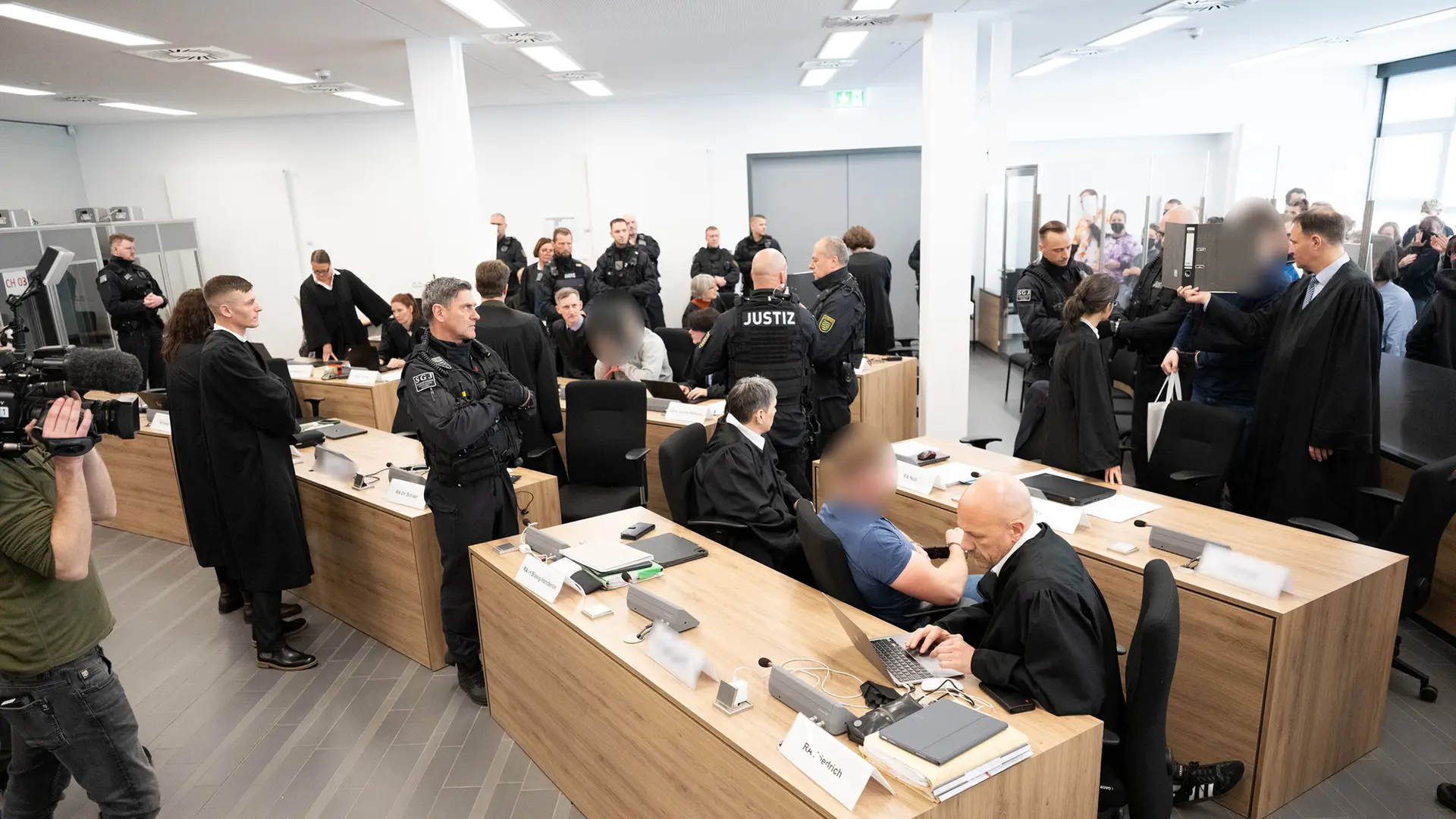
However, as the proceedings unfolded, the focus shifted from the alleged crimes to the health and human rights of those in the dock. Henry A., one of the seven, became the epicenter of a legal battle between his defense team and the presiding judges, as his mental health rapidly deteriorated under the pressure of the trial.
Chronology of a Declining State
The tragic trajectory of Henry A.’s case is marked by a series of alarming medical incidents that were, according to his legal counsel, ignored or downplayed by the court.
- August 2026: Henry A. experienced two severe mental health crises in short succession. His condition was deemed so critical by his primary care physicians that he was twice placed in psychiatric care under orders from the District Court of Leipzig.
- Mid-August 2026: Despite the psychiatric recommendation for a suspension of the proceedings, the OLG Dresden, following the assessment of a court-appointed psychiatric expert, maintained that Henry A. remained fit to stand trial. The court directed that he be transported from his clinic in Leipzig to Dresden to participate in the hearings, supervised by law enforcement.
- August 15, 2026: Following a session in which the defendant reportedly appeared heavily medicated and in a visibly degraded mental state, Henry A. made a severe suicide attempt that left him in a coma.
- September 2026: The severity of his condition forced the court to formally sever his case from the main proceedings.
- October 2026: In the early hours of Saturday, the death of Henry A. was confirmed by his defense attorney, Felix Isensee.
The Defense’s Accusations: A "Degrading" Legal Process
The defense team, led by attorney Felix Isensee, has leveled scathing criticism against the State Security Senate. According to the defense, the court’s insistence on continuing the trial despite clear warnings from medical professionals regarding the defendant’s suicidal ideation constituted a failure of the state’s duty of care.

Isensee argued that the decision to transport a patient, who was under emergency psychiatric observation, to a high-pressure court environment was fundamentally "undignified." During the hearings in August, observers noted that Henry A. appeared to be under the influence of strong sedatives, such as Tavor, and seemed detached from the proceedings. The defense maintains that the court, by prioritizing the schedule of the trial over the immediate psychological stability of the individual, bears a share of the responsibility for the catastrophic decline in his health.
The Court’s Stance: Professionalism vs. Responsibility
The Higher Regional Court in Dresden has faced mounting pressure to explain how a defendant under such extreme psychological distress could be deemed "fit for trial." In September, when the controversy first erupted, the court largely declined to comment, citing the ongoing nature of the proceedings.
Following the news of the defendant’s death, a spokesperson for the court issued a statement: "The Senate, after weighing all circumstances and consulting with an independent expert, proceeded on the assumption of the defendant’s fitness for trial." The court emphasized that it relied on the medical expertise provided to them, though it offered no specific rebuttal to the accusations of failing in its broader humanitarian duty of care. This refusal to engage with the ethical implications of their decisions has further polarized the legal community and observers of the trial.

Broader Implications: The Limits of Criminal Prosecution
The death of Henry A. raises critical questions about the German judicial system’s handling of defendants with serious mental health issues. In cases involving state security—where the alleged crimes are often ideologically motivated and public interest is high—courts face an immense pressure to deliver verdicts. However, the tragedy in Dresden highlights the potential for this pressure to eclipse the fundamental right of a defendant to be treated humanely.
Legal experts have noted that while the court may have acted within the strict letter of criminal procedural law, the moral and ethical outcome is catastrophic. The duty of a judge is not merely to facilitate the prosecution but to ensure that the process itself does not violate the dignity of the human being standing before them. The fact that the court’s own appointed experts disagreed with the treating physicians creates a precedent of conflict that, in this instance, resulted in a loss of life.
The Path Forward
The trial against the remaining six defendants continues. The proceedings, which have been plagued by protests and intense media scrutiny, now face a new hurdle: the shadow of a death that many activists and legal critics view as an avoidable tragedy.

For the legal community, this case serves as a somber reminder of the limitations of the courtroom in managing complex human crises. As the OLG Dresden moves forward, the silence from the bench regarding the specific accusations of neglect will likely fuel further protests and calls for a thorough review of how psychiatric assessments are weighed against the demands of the judicial calendar.
Support Resources
If you or someone you know is experiencing thoughts of suicide or a personal crisis, please seek help. You are not alone.
- Telefonseelsorge (Germany): Available 24/7 at 0800/1110111 or 0800/1110222. These calls are anonymous, free, and do not appear on phone records.
- Stiftung Deutsche Depressionshilfe: Information and help for depression at 0800/3344533.
- Youth Support (Nummer gegen Kummer): For young people, call 116111.
- Agus (Support for the bereaved): For those who have lost someone to suicide, visit www.agus-selbsthilfe.de or call 0921/1500380.
Journalistic integrity is paramount in reporting on such sensitive issues. The authors of this piece, representing MDR INVESTIGATIV, continue to monitor the proceedings to ensure transparency and accountability in the ongoing trial.