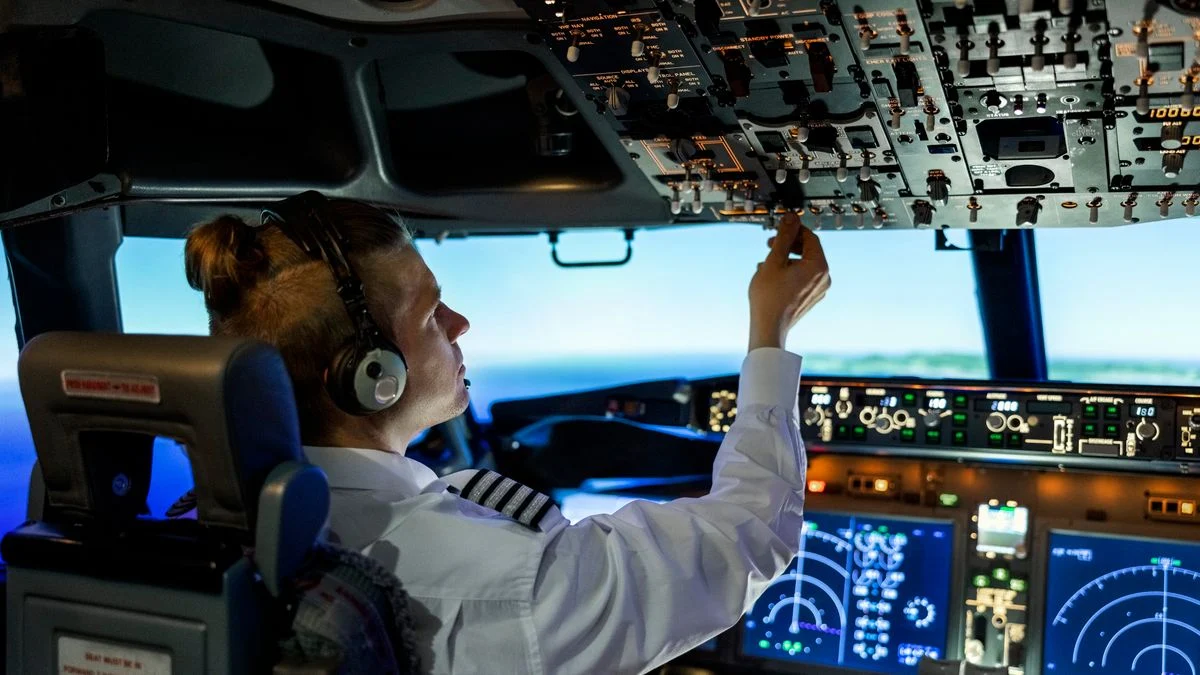
The safety of modern aviation is built upon a foundation of redundant systems, rigorous maintenance, and highly trained professionals. Yet, a recent, alarming survey suggests that one of the most critical components of this safety net—the pilot—is increasingly compromised. According to a comprehensive study by the European Cockpit Association (ECA), chronic fatigue has become a pervasive, systemic issue across European skies, raising urgent questions about the industry’s current operational standards.
The findings, as reported by The Guardian, paint a harrowing picture: three out of four European airline pilots have admitted to taking naps in the cockpit to cope with exhaustion. Even more concerning, one in four pilots regularly operates an aircraft while feeling too fatigued to perform their duties safely. This is not merely an anecdote; it is a statistical indictment of a culture that prioritizes schedule adherence over human physiological limits.
The Anatomy of the Study: Methodology and Scope
To understand the scale of the problem, the ECA surveyed nearly 7,200 pilots and first officers. The data collected provides a rare, unfiltered look into the working conditions behind the locked doors of the flight deck. The respondents identified a triad of pressures driving them to their breaking points: insufficient rest periods, management-imposed pressure to extend working hours, and, perhaps most critically, a pervasive fear of professional retaliation if they declare themselves "unfit to fly."
The survey results reveal a culture of silence. Only 17 percent of those who feel too tired to work actually report in sick. Instead, the vast majority continue to fly, effectively gambling with passenger safety. Half of the respondents admitted that, in the three months leading up to the survey, they had operated a flight despite knowing they were in a state of fatigue that should have grounded them. Perhaps most damning is that nearly half of all surveyed pilots fear negative consequences—ranging from disciplinary action to career stagnation—should they choose to put safety first and call out sick.
Chronology of a Growing Problem
While the recent ECA report has brought the issue to the forefront of public discourse, the problem of pilot fatigue is far from new. For over a decade, aviation unions and safety advocacy groups have been sounding the alarm as airlines have moved toward leaner staffing models and more aggressive flight scheduling.
- The Early 2010s: As low-cost carriers (LCCs) began to dominate the European market, the "efficiency-first" model became the industry standard. Pilots began reporting shorter turnaround times and more frequent early-morning/late-night shifts.
- The Mid-2010s: Several high-profile incidents and subsequent investigations sparked initial debates about "Flight Time Limitations" (FTLs). Regulators introduced some caps, but critics argued they were based more on political compromise than physiological necessity.
- The Pandemic Shift: During the COVID-19 pandemic, thousands of pilots were furloughed. As the industry roared back to life, the rapid rehiring process and the loss of experienced staff created a "bottleneck of fatigue," where remaining crews were pushed to compensate for understaffing.
- The Present Day: The current ECA survey marks a breaking point, showing that despite years of regulatory oversight, the trend of pilot exhaustion is not just persisting—it is accelerating.
Geographic Variations: Where the Fatigue Hits Hardest
The survey highlights significant disparities across different European regions and carriers. The data indicates that pilots flying for airlines based in Malta and Ireland—the latter being the primary hub for the continent’s largest low-cost carrier, Ryanair—report the highest levels of cockpit fatigue. In these regions, more than a third of pilots stated they were not receiving sufficient rest to prevent increasing levels of exhaustion.
The trend is not limited to budget airlines, though they appear to be the most significantly impacted. The survey notes that two out of every five pilots flying for Spanish airlines, and one in three at French carriers, report regularly flying while tired. Interestingly, the United Kingdom presents a more optimistic outlier, with only one in ten pilots reporting similar issues, suggesting that stronger national regulatory enforcement or different corporate cultures can make a significant difference in mitigating fatigue.

The Physiological and Safety Implications
To understand why this is a crisis, one must look at the human body. Long, irregular hours, the constant disruption of circadian rhythms caused by shift work, and the persistent stress of long-haul or high-frequency short-haul flights create a physiological "debt."
When a pilot is chronically fatigued, the brain’s ability to process complex information slows significantly. The consequences include:
- Impaired Judgment: The ability to make high-stakes decisions in split-second scenarios is drastically reduced.
- Delayed Reaction Time: In an emergency, milliseconds matter. Fatigue blunts the reflexes necessary to respond to technical failures or weather-related turbulence.
- Reduced Situational Awareness: Tired pilots are more prone to "tunnel vision," missing critical instrument readings or subtle warnings that could prevent a catastrophe.
In essence, fatigue acts as a cognitive inhibitor, mimicking the effects of alcohol intoxication. When a pilot is forced to operate an aircraft in this state, the safety margins—the very buffer that makes flying the safest mode of travel—are eroded.
The Regulatory Framework vs. Corporate Reality
Under European Union Aviation Safety Agency (EASA) regulations, airlines are legally required to implement "Flight and Duty Time Limitations." These rules are designed to ensure that pilots have enough recovery time between flights. However, the ECA survey suggests a major disconnect between the "letter of the law" and the "reality of the flight deck."
While the rules exist, the pressure to maintain operational efficiency often leads to "fatigue-masking." This includes scheduling that pushes the absolute legal limit of duty hours, providing little room for delays or unexpected fatigue. Furthermore, the "fear of reprisal" reported by pilots suggests that while airlines may have formal reporting systems, these systems are perceived as punitive rather than supportive.
Looking Forward: A Call for Cultural Change
The evidence provided by the ECA is a clarion call for the aviation industry to rethink its approach to human resources and safety. Addressing this crisis will likely require a multi-faceted approach:
- Regulatory Overhaul: Authorities must move beyond mere time-caps and look at the quality of rest. This includes stricter definitions of what constitutes a "rest period" in an era of global, 24/7 aviation.
- Cultural Shift: Airlines must move away from a culture of fear. A truly "just culture" in aviation is one where a pilot can declare themselves unfit to fly without the slightest anxiety regarding their job security or career progression.
- Data-Driven Scheduling: Utilizing fatigue risk management systems (FRMS) that rely on data rather than mere compliance with minimum legal requirements.
- Transparency: Regular, independent audits of pilot fatigue levels, made public to ensure that passengers are aware of the conditions under which their flights are being operated.
As one anonymous pilot noted in a recent interview, "That I need a nap in the cockpit to manage my fatigue is the rule, not the exception." If this is the new standard of European aviation, then the industry is not merely facing a scheduling challenge—it is facing a fundamental crisis of integrity. The safety of millions of passengers depends on the alertness of the men and women in the cockpit. It is time for the aviation industry to prove that it values its pilots’ health and safety as much as it values its bottom line.