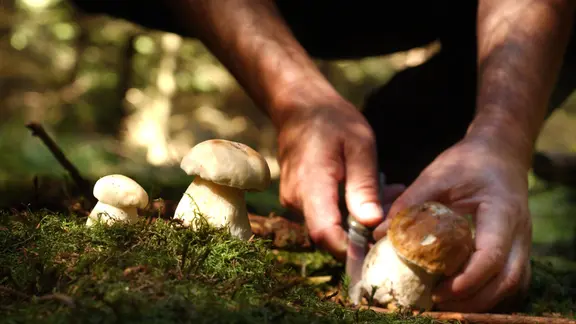
As the crisp autumn air settles over the forests and the damp soil signals the arrival of the prime mushroom season, legions of enthusiasts head into the woods with wicker baskets and specialized knives in hand. It is a ritual as old as foraging itself, yet it is accompanied by a perennial debate that divides families and experts alike: Is it better to slice the mushroom at the base with a knife, or should one gently twist and pull the entire fruiting body from the earth?
While many foragers treat the "correct" method as a matter of sacred tradition—often insisting that cutting protects the mycelium from infection—the reality, backed by decades of scientific research, is far more nuanced. Recent long-term studies suggest that the debate over the harvest technique may be missing the forest for the trees, shifting the focus from how we pick a mushroom to how we treat the ground beneath our feet.
The Scientific Foundation: A Multi-Decade Study
To settle this debate, researchers in Switzerland launched an exhaustive, long-term study starting in 1975. The objective was to determine whether the act of harvesting itself, or the specific technique employed, had any measurable impact on the long-term productivity of fungal populations or the overall biodiversity of the forest ecosystem.
The study began in the Swiss Mittelland region, later expanding to include a second site in a high-altitude spruce forest. Researchers divided these forested areas into specific experimental plots. On some plots, edible mushrooms were harvested regularly; on others, designated as control plots, the fungi were left entirely undisturbed.
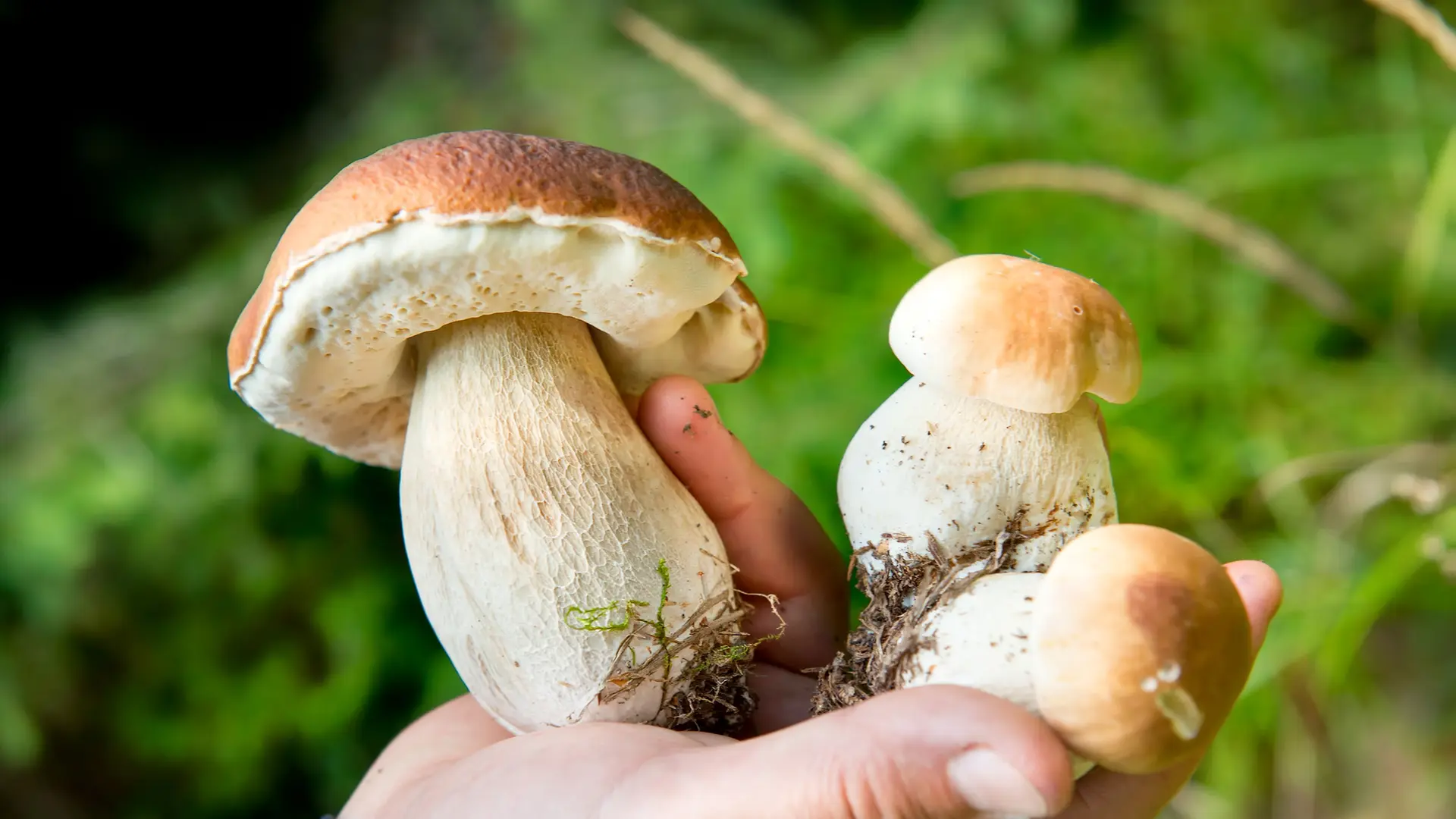
From May through December for over 25 years, scientists meticulously counted every visible fruiting body on a weekly basis. By the time the data collection concluded, they had tracked 582 distinct species of fungi and recorded nearly 148,000 individual mushrooms. It remains one of the most comprehensive long-term studies on the impact of foraging ever conducted.
The Surprising Truth: Harvesting Methods are Irrelevant
The primary finding of the Swiss study was, perhaps, the most unexpected: there is no statistically significant difference in the long-term productivity of mushroom populations whether the fruiting bodies are sliced at the base or twisted and pulled from the soil.
For decades, the prevailing wisdom among mycologists and amateur foragers was that twisting the stem could damage the underlying mycelial network—the vast, underground web of fungal threads that serves as the "organism" itself. Conversely, others argued that leaving a stump behind invited rot. The evidence suggests that both concerns are largely overstated. The mycelium is an incredibly resilient network, and the fruiting body (the mushroom we eat) is merely the reproductive organ, analogous to an apple on a tree. Removing the apple does not harm the health of the tree, and the same principle applies to fungi.
The researchers observed no decline in the number of mushrooms or the variety of species on the plots where harvesting occurred, compared to the untouched control plots. In short, the forest does not "mind" which method you use.
The Real Culprit: Foot Traffic and Soil Compaction
While the harvest technique itself proved to be a non-issue, the study uncovered a far more significant factor that did impact mushroom yields: human presence.
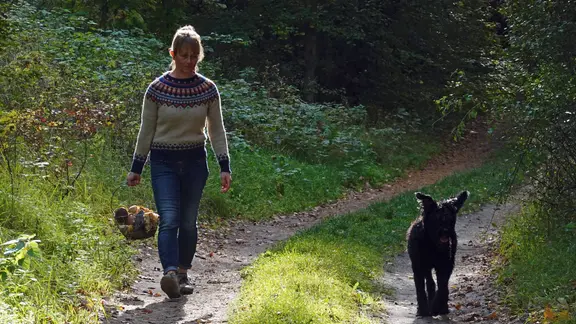
The researchers performed a secondary experiment, comparing plots that were subjected to regular human foot traffic with those that were fenced off or accessed only by raised walkways. The results were startling. Plots that were frequently trampled showed a 28 percent reduction in the number of visible fruiting bodies compared to the undisturbed areas.
It appears that the "problem" is not the knife or the twist; it is the human foot. When foragers walk through the woods searching for mushrooms, they compress the soil. This compaction can damage the delicate, immature fruiting body initials—the tiny "baby" mushrooms—that are still developing just beneath the surface of the soil. By crushing these sensitive structures, foragers inadvertently reduce the number of mushrooms that will reach maturity.
While this led to a drop in the quantity of visible mushrooms, the overall biodiversity remained relatively stable. The researchers identified 195 species in the walked-on areas and 189 in the protected areas, suggesting that while compaction affects yield, it does not necessarily cause species extinction in those areas.
Why Identification Matters: A Practical Consideration
While the "cutting vs. twisting" debate may be moot regarding ecological impact, there is a practical argument for twisting that cannot be ignored: mushroom identification.
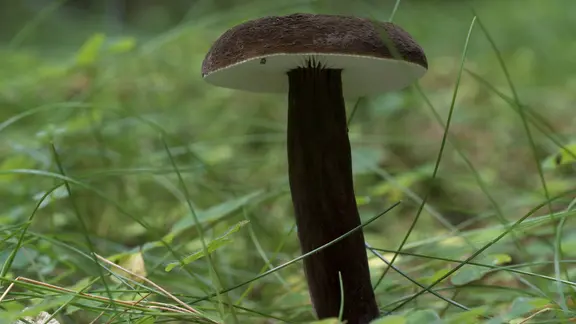
For a forager, the primary goal must always be safety. Many mushroom species are distinguished by specific features located at the very base of the stem—the "bulb." For instance, the deadly Amanita family is often characterized by a cup-like structure (the volva) at the base of the stem. If a forager cuts the mushroom off at the surface, they leave this crucial identifying feature behind in the soil, potentially misidentifying a toxic species as an edible one.
Therefore, mycologists often recommend gently twisting or digging out the entire specimen to ensure all diagnostic features are visible before consuming. This isn’t about forest health; it’s about human health.
Implications for the Modern Forager
The findings of the Swiss study, published in Biological Conservation (Egli et al., 2006), provide a clear mandate for the responsible forager. If you are worried about the "health" of the forest, focus on how you move through it rather than how you harvest your dinner.
Key Takeaways for Foragers:
- Minimize Footprint: Walk slowly and deliberately. Avoid wandering through dense undergrowth where young, unseen mushrooms may be developing. Stick to established trails whenever possible, even if it means finding fewer mushrooms.
- Safety First: If you are unsure of an identification, pull the entire specimen to inspect the base. Your life is more important than the minute impact on the mycelium.
- Respect the Ecosystem: Remember that the mushroom is just the "fruit." The organism lives in the soil and the wood. Avoid raking the forest floor or disturbing leaf litter, as this destroys the micro-climate that fungi need to thrive.
- Quantity Matters: Only take what you can eat. While the study suggests harvesting does not harm the population, over-harvesting on a massive scale (commercial foraging) is a different matter entirely.
Conclusion: A Shift in Perspective
The age-old debate between cutting and twisting has been settled by science, but the conclusion asks for a shift in our behavior. We should stop obsessing over the knife-cut and start worrying about the boot-print.
As climate change continues to impact forest health and mushroom seasons become more erratic, our role as foragers should be that of stewards. The forest is a complex, delicate system where human interaction has a tangible impact. By treading lightly and focusing on proper identification, we can continue to enjoy the bounty of the autumn woods for generations to come, ensuring that the mycelial networks beneath our feet remain as vibrant and productive as they were long before we started walking among them.
The next time you head into the woods, take your knife if you like, but remember: the most important tool you carry is your awareness of where you step.