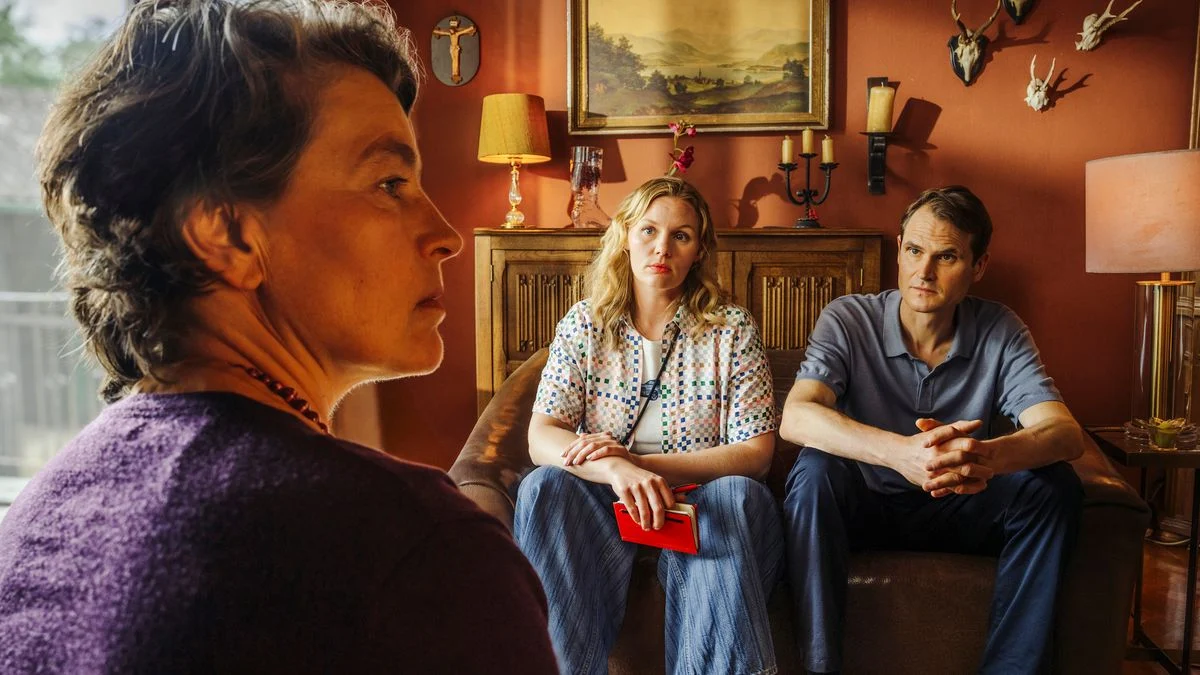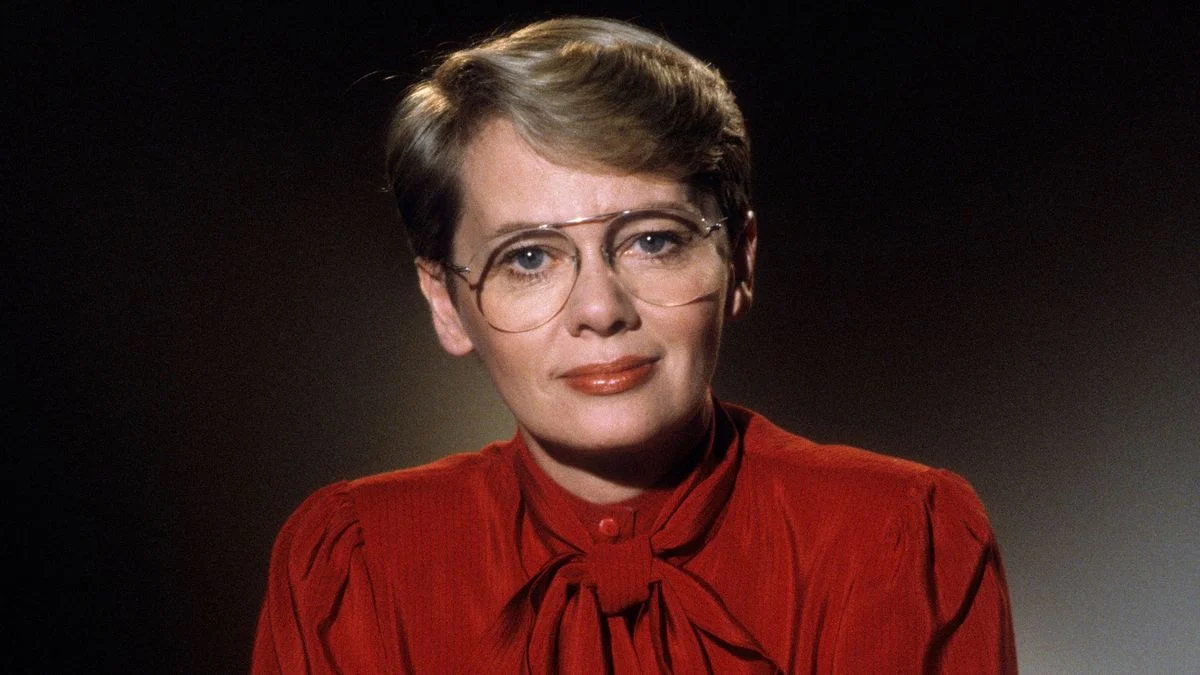
The long-standing Tatort franchise, a cultural institution in German television, has entered a period of transition in its Franconian iteration. Following the departure of the iconic Paula Ringelhahn, played by Dagmar Manzel, the series has introduced a new dynamic duo: the idiosyncratic investigator Felix Voss, played by Fabian Hinrichs, and his new partner, Emilia Rathgeber, portrayed by Rosalie Thomass. Their debut case, a gritty and emotionally taxing investigation, serves as a litmus test for the future of the series—balancing the necessity of establishing a new professional chemistry against the weight of a harrowing, dark narrative.
The Case: From Nuremberg Streets to Provincial Trauma
The investigation begins in a sterile, neon-lit Nuremberg hourly hotel, where a murder sets off a chain reaction that pulls the police into the shadows of the Upper Franconian countryside. The victim, a queer sex worker, is found dead, but as Voss and Rathgeber peel back the layers of his life, they uncover a traumatic past rooted in a decades-old abuse case.
The narrative reveals that the victim had been drugged and sexually assaulted during a youth party years prior. This historical trauma serves as the catalyst for a modern-day vendetta. Two childhood friends of the victim, having lived with the haunting knowledge of the assault, decide to take justice into their own hands, leading to a confrontation that spirals into further violence.
The film relies heavily on flashbacks to illustrate the cyclical nature of this trauma. These sequences are punctuated by the recurring, melancholic strains of the Münchener Freiheit hit "Ohne dich (schlaf ich heut Nacht nicht ein)," a song that serves as an auditory bridge between the innocence of the past and the brutality of the present.
Chronology of the Investigation
The investigative timeline follows a standard procedural structure, albeit one heavily burdened by the emotional weight of the case:

- The Discovery: The body of the sex worker is discovered in a Nuremberg hotel, prompting the initial deployment of Voss and Rathgeber.
- Uncovering the Past: Through forensic evidence and witness testimonies, the investigators identify the victim’s connection to a local youth party held years earlier.
- The Pursuit: Voss and Rathgeber trace the victim’s social circle, eventually homing in on the two childhood friends who witnessed the initial abuse.
- The Confrontation: The investigation culminates in a tense standoff in which one of the friends exacts lethal revenge on the original perpetrator.
- The Fatal Error: The climax results in a tragic misstep, as the newly arrived Rathgeber, reacting to the volatile situation, shoots and kills the avenger, effectively ending the cycle of violence with another loss of life.
Supporting Data and Narrative Criticism
While the series attempts to ground itself in social realism, critics have noted a discrepancy in the pacing and tone. The film fluctuates between "intense, quiet moments"—particularly those highlighting the budding rapport between Voss and Rathgeber—and sequences that feel "overstimulated and drawn out."
A significant point of contention among reviewers is the inclusion of a late-stage plot revelation: the discovery that the murdered perpetrator was not only a serial predator but also an operator of a darknet platform for child pornography. While this serves to provide a moral justification for the bloodbath that concludes the episode, it has been described as "tacked on"—a narrative convenience intended to sanitize the moral ambiguity of the final shoot-out.
Despite these narrative hurdles, the chemistry between the two leads is being hailed as the strongest element of the episode. The "tender approach" between the stoic, analytical Voss and the fresh, intuitive Rathgeber provides a much-needed emotional anchor, promising a compelling evolution for the series as it moves away from the "platonic love" dynamic that characterized Voss’s partnership with Ringelhahn.
Official Context and Creative Direction
The episode was directed by Dustin Loose, a filmmaker known for his ability to handle sensitive subject matter with empathy. His previous work on a Polizeiruf 110 episode centered on a trans witness was praised for its humanistic approach, a sensibility he brings to the Tatort series as well.
The transition from the Ringelhahn era is a delicate one. For nearly a decade, the Franconian Tatort was defined by the unique, almost metaphysical connection between Voss and Ringelhahn. Replacing such a foundational dynamic requires a slow-burn strategy. As noted in the official critique, the "harter Fall" (hard case) acts as a crucible, allowing the new partnership to be forged in pressure rather than ease.

Looking ahead, the production team has already completed filming the second installment featuring the new duo. Titled "Totholz," the upcoming episode deals with the death of a 13-year-old girl and is helmed by director Kilian Riedhof. Riedhof brings significant pedigree to the franchise, having directed the acclaimed television drama Gladbeck and the French feature film Meinen Hass bekommt ihr nicht, which chronicled the aftermath of the 2015 Bataclan terror attacks.
Implications for the Future of the Franchise
The reception of this debut suggests that the Franken-Tatort is entering a phase of introspection. By tackling themes of queer history, systemic abuse, and the moral grey areas of vigilantism, the show remains committed to its reputation for social commentary. However, the reliance on violent tropes—such as the "justifiable" murder—highlights the difficulty the series faces in maintaining high-minded social relevance while satisfying the demands of the crime-procedural genre.
The success of the Voss-Rathgeber era will likely depend on the writers’ ability to lean into the "quiet moments" of their partnership. The audience’s appetite for the series remains high, as evidenced by the consistent viewership, but the challenge lies in balancing the "over-the-top" dramatic beats with the character-driven nuances that made the show a success in the first place.
As the franchise moves forward, the "Franconian" identity of the show—often characterized by its unique regional flavor and slightly surreal, existential undertones—must be carefully managed. The transition represents not just a change in personnel, but a potential shift in the narrative DNA of one of Germany’s most important cultural exports. Whether the new partnership can capture the magic of the previous decade remains to be seen, but the initial signs suggest a promising, if slightly turbulent, beginning.
Ultimately, the goal for the production team is to refine the pacing and ensure that the social issues addressed are woven into the plot more organically, rather than being used as convenient plot devices to wrap up violent arcs. With "Totholz" on the horizon and a new creative vision taking hold, the Franken-Tatort is far from stagnant; it is simply undergoing the necessary, often painful, process of reinvention.