LEIPZIG/NORDHAUSEN – In a coordinated, multi-state law enforcement operation that marks a significant milestone in the fight against organized industrial crime, police forces across Central Germany have moved to dismantle a sophisticated criminal network suspected of orchestrating a string of high-value metal thefts. The operation, which began in the early hours of Sunday, October 25, 2026, involves the search of over a dozen properties and the seizure of substantial evidence, including vehicles allegedly used to facilitate the theft of industrial-grade aluminum and copper.
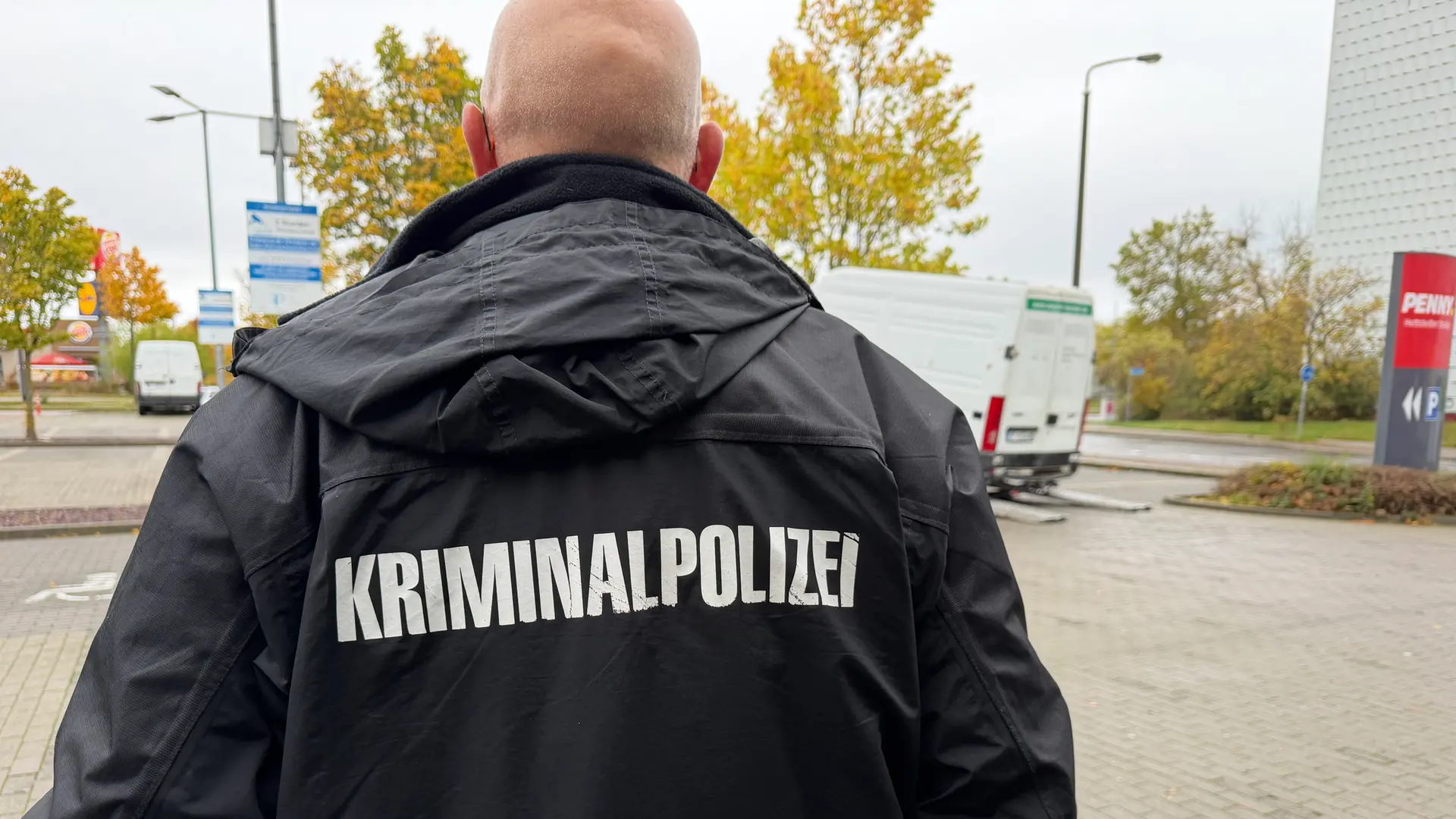
The crackdown follows months of intensive investigations by the Northhausen Criminal Investigation Department (Kripo), which established a dedicated task force, codenamed "Harpyie," to combat the growing plague of "Buntmetalldiebstahl"—the theft of non-ferrous metals.

The Scope of the Syndicate’s Operations
The scale of the criminal enterprise is staggering. According to Detlef Grabs, head of the lead investigative unit in Nordhausen, the syndicate is suspected of comprising as many as 70 individuals. These suspects are believed to have systematically targeted critical infrastructure and commercial hubs, including active construction sites, solar parks, and private industrial facilities across Thuringia, Saxony, and as far south as Northern Bavaria.
The damages attributed to the gang are estimated to reach into the millions of euros. The stolen materials—primarily copper cabling and aluminum components—are highly sought after on the black market due to the volatile but consistently high global prices for base metals.
A Coordinated Strike
The operation on Sunday was not merely a series of raids; it was the culmination of a long-term surveillance strategy. The catalyst for the tactical move was an incident in Leipzig the previous night. Authorities, who had been observing key members of the group, were able to catch several suspects in the act of breaking into a commercial property.

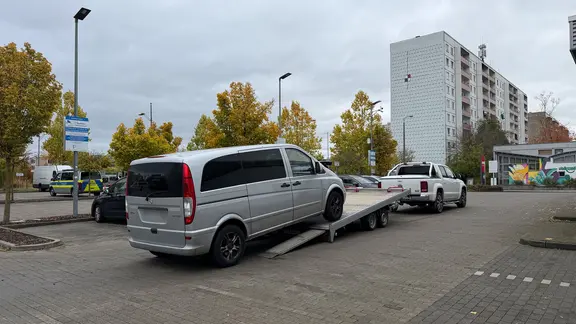
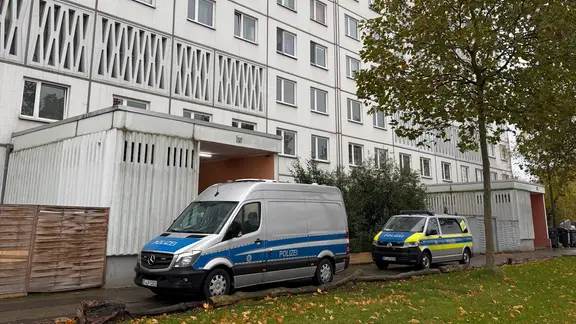
"The suspects were caught red-handed during a burglary in Leipzig," confirmed a police spokesperson. During this tactical intervention, two individuals were arrested on outstanding warrants, while two others managed to evade immediate capture. The subsequent police sweep, which focused heavily on the Leipzig-Neustadt district, led to the inspection of over ten residences and the impounding of ten vehicles deemed essential to the gang’s logistics.

Chronology of a Criminal Wave
The recent surge in metal theft has been a growing concern for regional authorities for the better part of a year. The syndicate’s modus operandi has evolved from opportunistic petty theft to highly organized, professional-level operations that require significant reconnaissance and logistics.

- Mid-2026: The Northhausen Kripo forms the Special Commission "Harpyie" following a marked increase in industrial site burglaries. Intelligence reports suggest a centralized, albeit loosely organized, network of buyers and thieves.
- Late Summer 2026: Reports from North Thuringia indicate the systematic theft of high-value aluminum floor plates from major power grid expansion construction sites. These thefts were not merely isolated incidents but part of a calculated effort to strip construction sites of valuable assets.
- October 2026: The intensity of the thefts spikes. In one notable incident occurring just days before the mass raids, unidentified perpetrators broke into a commercial site in the northern part of Erfurt. They used heavy equipment to bypass security, making off with 21 industrial cable drums containing approximately 1,000 meters of copper wire. The estimated value of that single heist was roughly €70,000.
- October 25, 2026: Operation "Harpyie" transitions from the investigative phase to active enforcement. Following the Leipzig arrests, the public prosecutor’s office in Mühlhausen authorizes simultaneous search warrants across multiple regions.
The Economics of "Buntmetalldiebstahl"
To understand why this syndicate went to such lengths, one must look at the commodities market. Metal theft has become an increasingly lucrative "white-collar" crime in the industrial sector. According to a local scrap metal dealer interviewed by regional media, the profit margins for thieves are massive.
As of late 2026, the market rate for high-quality aluminum allows for a payout of between €1,500 and €6,000 per ton. Copper, the "gold" of the electrical industry, is even more valuable, with market prices reaching upwards of €9,000 per ton.

When a gang can steal a ton of copper from an unsecured cable drum in a matter of minutes, the risk-to-reward ratio becomes highly attractive for organized crime groups. The syndicate’s ability to move these materials into the legitimate scrap supply chain through falsified documentation or corrupt intermediaries is what made them particularly difficult to track until the creation of the "Harpyie" task force.

Official Responses and Judicial Implications
The regional government and law enforcement agencies have characterized the arrests as a major blow to organized crime in the region. The investigation is currently proceeding under the legal classification of "commercial gang theft" (gewerbsmäßiger Bandendiebstahl). This is a serious charge under German criminal law, carrying significantly harsher penalties than simple larceny, reflecting the organized and premeditated nature of the crimes.
The Role of the Prosecutor
The Public Prosecutor’s office in Mühlhausen has been the driving force behind the legal strategy. On Monday, following the initial wave of arrests and seizures, the authorities announced a comprehensive press conference to outline the next steps. Prosecutors have hinted that the current list of 70 suspects is likely not exhaustive, and they anticipate that further investigative leads will result in additional arrests.

"The evidence gathered in the residential raids is substantial," noted a legal analyst familiar with the case. "The seizure of vehicles is particularly important, as these are considered ‘tools of the trade’ and provide investigators with GPS logs, communication devices, and potential forensic evidence linking the suspects to multiple crime scenes across the tri-state area."

Societal and Industrial Implications
The impact of these thefts extends far beyond the monetary loss to the companies involved. The removal of copper cabling from construction sites frequently leads to:

- Project Delays: The loss of specialized components forces construction to grind to a halt while replacements are sourced, costing firms thousands in daily operational delays.
- Safety Hazards: In some instances, the stripping of cables from active or semi-active sites creates significant fire and electrocution hazards for workers returning to the site.
- Infrastructure Vulnerability: The targeting of power grids and solar parks directly impacts the regional energy transition. By sabotaging renewable energy installations, the syndicate has essentially been interfering with regional development goals.
The business community in Central Germany has welcomed the police intervention, with several industry associations calling for stricter oversight of the scrap metal industry. There is a growing consensus that the "no-questions-asked" policy of some unscrupulous recycling centers is the primary oxygen allowing these criminal networks to survive.

Future Outlook: What Happens Next?
As the "Harpyie" task force continues to process the evidence, the focus will likely shift to the "fences"—the individuals or companies acting as the final destination for the stolen goods. The ability to track the material flow from a construction site in Erfurt to a final sale point is the key to dismantling the syndicate entirely, rather than just arresting the foot soldiers.

The upcoming press conference is expected to provide details on whether the stolen materials were being sold within Germany or smuggled across borders into Eastern Europe, where the oversight on non-ferrous metal recycling is historically less stringent.

For the residents of Leipzig and the surrounding districts, the sight of police activity and the dismantling of this network provides a sense of relief. However, law enforcement officials remain cautious. The high value of industrial metals ensures that as long as there is a market, there will be those willing to steal. The success of this operation serves as a warning: the state is watching, and the days of treating industrial metal theft as a minor nuisance are over.

Authorities have urged any citizens or business owners with information regarding suspicious activity at industrial sites or unauthorized scrap metal trading to come forward. The investigation remains ongoing, and with the "Harpyie" task force now fully mobilized, the net is expected to tighten further on the remaining suspects in the coming weeks.