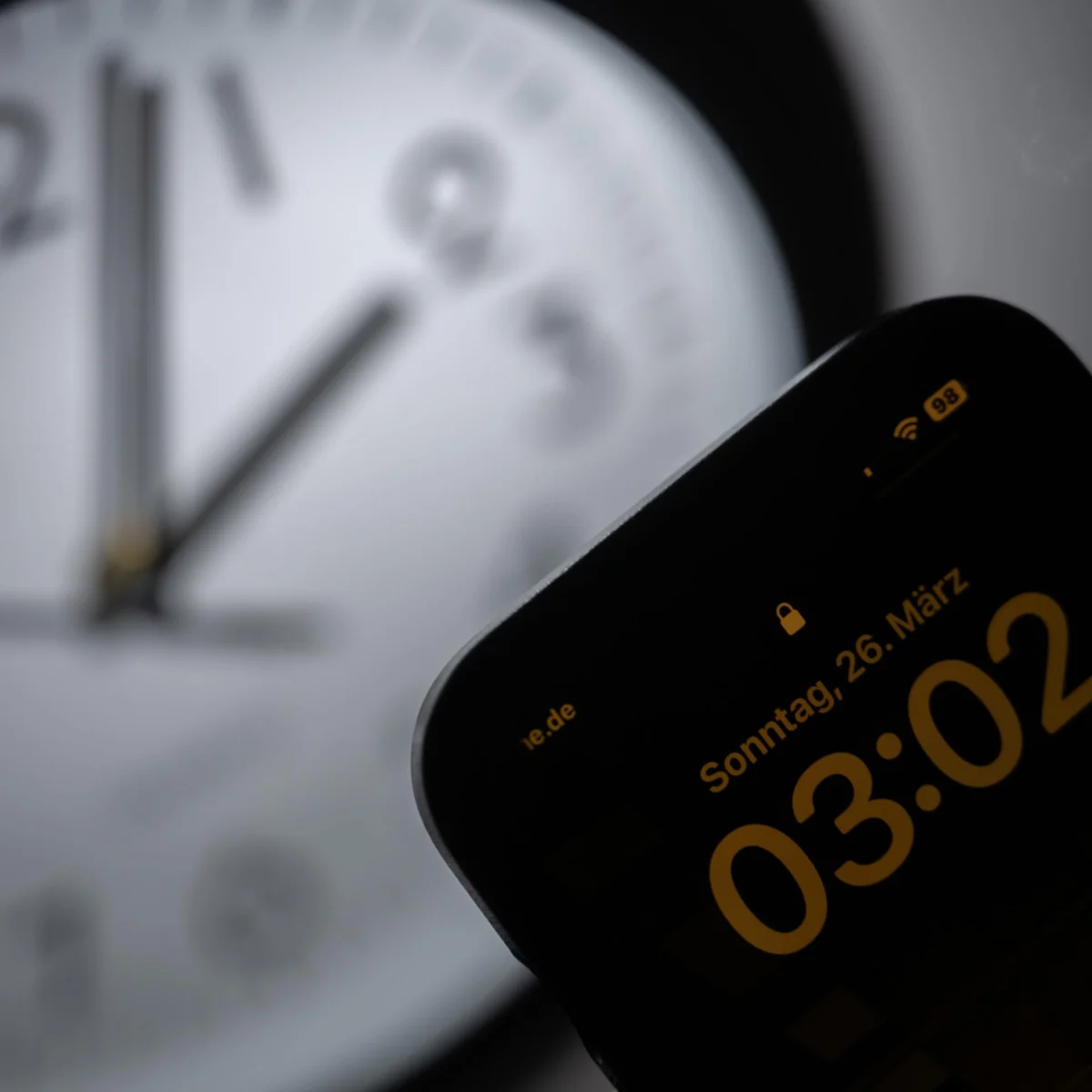
Berlin, Germany – October 25, 2026 – In the early hours of Sunday, October 25, 2026, clocks across Germany were set back by one hour, marking the official end of Daylight Saving Time (DST) for the year. At precisely 3:00 AM, the hands of countless timepieces, both digital and analog, reverted to 2:00 AM, ushering in the Central European Time (CET) and granting residents an additional hour of sleep. This annual ritual signals the shift to earlier sunrises and correspondingly earlier sunsets, fundamentally altering the rhythm of daily life as the nation braces for the shorter, darker days of autumn and winter.
While the return to standard time is a familiar occurrence, the underlying debate about the necessity and impact of Daylight Saving Time continues to simmer, both within Germany and across the wider European Union. For many, the extra hour of sleep is a welcome respite, yet the disruption to circadian rhythms and the perceived lack of tangible benefits fuel persistent calls for its permanent abolition. As Germany settles into CET, the conversation around the future of time changes remains as relevant as ever, with a potential definitive resolution still elusive despite years of discussion. The next shift, marking the beginning of Daylight Saving Time for 2027, is already scheduled for March 28.
The Annual Ritual: Main Facts of the Time Change
The transition from Daylight Saving Time to standard time, officially known as Central European Time (CET), occurred seamlessly across Germany on the final Sunday of October. At 03:00 CEST (Central European Summer Time), clocks were adjusted backwards to 02:00 CET. This seemingly minor alteration has several immediate and widespread effects:
- An Extra Hour: Individuals gained an additional hour, often perceived as an "extra" hour of sleep, relaxation, or leisure. For those working night shifts, it typically means an hour longer on duty.
- Return to Central European Time (CET): Germany, along with most of Central Europe, reverts to its standard time zone. This is often referred to as "winter time," though technically it is the region’s base time.
- Shift in Daylight Hours: The most noticeable impact is the change in the distribution of daylight. Mornings become brighter earlier, offering a welcome dawn for commuters and early risers. Conversely, evenings become darker sooner, with sunsets occurring an hour earlier than under DST.
- Impact on Daily Life: This shift influences everything from commuting patterns and children’s school schedules to leisure activities and retail hours. The earlier onset of darkness often leads to increased energy consumption in the evenings for lighting.
- Automatic Adjustment: The vast majority of modern devices, including smartphones, computers, and many digital clocks, automatically updated their time settings, minimizing confusion. However, traditional analog clocks and some older digital appliances required manual adjustment.
This biannual alteration, while deeply ingrained in the European calendar, is far from universally accepted. Critics point to potential health detriments and a lack of proven energy savings, while proponents argue for its historical rationale and perceived benefits during the summer months. The current return to CET merely marks another chapter in this ongoing, complex discussion.
A Shifting Sands of Time: Chronology of Daylight Saving
The concept of adjusting clocks to maximize daylight is not new, but its widespread implementation and the current debate surrounding it are relatively modern phenomena. The history of Daylight Saving Time in Germany, and indeed globally, is a testament to evolving societal needs and technological capabilities.
Early Proposals and Wartime Introductions
The idea of "saving daylight" can be traced back to figures like Benjamin Franklin in the 18th century, who humorously suggested adjusting sleep schedules to save candle wax. However, the modern concept of DST was seriously proposed by George Hudson in 1895 and, more famously, by William Willett in 1907. Willett argued that moving clocks forward in spring would extend daylight into the evenings, benefiting recreation and reducing energy consumption.
It was during the tumultuous period of World War I that DST first found widespread adoption. Germany was among the first nations to introduce Daylight Saving Time, on April 30, 1916, as a measure to conserve coal and other resources vital for the war effort. Other European nations, including the United Kingdom, quickly followed suit. After the war, many countries, including Germany, abolished DST, only to reintroduce it sporadically during World War II for similar strategic reasons.
Post-War Abolition and the Energy Crisis Revival
Following World War II, Daylight Saving Time largely fell out of favour in many parts of Europe, including West Germany, which officially abolished it in 1949. For several decades, life in Germany proceeded without the biannual clock change.
The energy crises of the 1970s, particularly the 1973 oil crisis, dramatically reignited interest in DST. Faced with soaring energy prices and a renewed focus on conservation, many European nations reconsidered the measure. West Germany reintroduced Daylight Saving Time in 1980, primarily aligning with France and other neighbouring countries that had already done so. The primary justification, once again, was the purported energy savings from reduced artificial lighting in the evenings. East Germany also adopted DST simultaneously in 1980, marking a rare moment of synchronized policy between the two German states prior to reunification.
European Harmonization and the Path to the Present Stalemate
The reintroduction of DST in various European countries in the 1970s and 80s led to a patchwork of different dates for the time changes, creating confusion for international travel and trade. To address this, the European Union began to harmonize the dates for the start and end of Daylight Saving Time.
A series of directives from the European Commission, culminating in Directive 2000/84/EC, established a common schedule across all member states. This directive mandated that clocks would be adjusted forward on the last Sunday of March and backward on the last Sunday of October. This standardization aimed to ensure consistent timekeeping for transport, communications, and cross-border business operations throughout the single market.
However, despite this harmonization, public dissatisfaction with DST grew over the years. Concerns about health impacts, questionable energy savings, and general inconvenience mounted. This culminated in 2018 when the European Commission launched a public consultation on the future of DST. The consultation received an unprecedented 4.6 million responses, with an overwhelming 84% voting in favour of abolishing the biannual clock change.
Following this strong public mandate, the European Parliament voted in March 2019 to end Daylight Saving Time, proposing that the clock changes should cease by 2021. The decision was then left to individual member states to decide whether they would permanently adopt summer time or winter time. However, this is where the process stalled. Member states have been unable to reach a consensus, primarily due to concerns about creating a fragmented time landscape across Europe, with some countries opting for permanent summer time and others for permanent winter time. This deadlock has meant that, despite the public’s clear preference and the Parliament’s vote, the biannual clock changes, including the one witnessed today in Germany, continue as per the Directive 2000/84/EC.
Unpacking the Impact: Supporting Data and Research
The ongoing debate about Daylight Saving Time is fueled by a wealth of research and anecdotal evidence concerning its effects on energy consumption, public health, and various economic sectors. The original justifications for DST have come under increasing scrutiny, with many studies questioning their validity in the 21st century.
The Elusive Energy Savings
The primary rationale for reintroducing DST in the 1970s was energy conservation. The theory posited that by shifting an hour of daylight from the morning to the evening, the need for artificial lighting in homes and businesses would be reduced, thereby saving electricity.
However, numerous studies have challenged this assumption. Modern research, often using more sophisticated data analysis, suggests that any energy savings from reduced lighting are largely offset by increased energy consumption in other areas. For example, while evening lighting might decrease, heating consumption in the mornings (especially in spring) and air conditioning use in the longer, hotter summer evenings can increase. A 2007 study by the U.S. Department of Energy, often cited, found a mere 0.03% reduction in energy consumption during DST. More recent European studies have often found even smaller or negligible savings, with some even indicating a net increase in energy use. The proliferation of energy-efficient LED lighting and modern heating/cooling systems further diminishes the potential for significant savings from DST.
Health and Well-being: A Growing Concern
Perhaps the most significant and increasingly recognized impact of Daylight Saving Time is on human health. The disruption to the body’s natural circadian rhythm, even by just one hour, has been linked to a range of negative consequences:
- Sleep Disturbances: The immediate effect of both spring forward and fall back is a disturbance to sleep patterns. Many individuals report difficulty adjusting to the new schedule, leading to fatigue, reduced concentration, and impaired performance in the days following the change.
- Cardiovascular Health: Several studies have indicated a temporary increase in adverse cardiovascular events, particularly in the days following the "spring forward" in March. Research has shown a slight but statistically significant rise in heart attacks and strokes, attributed to the stress placed on the body by the sudden sleep deprivation and circadian disruption. While the "fall back" often grants an extra hour of sleep, some studies still note minor disruptions.
- Mental Health: The change in light exposure, especially the earlier onset of darkness in the evenings after the fall back, can exacerbate symptoms of Seasonal Affective Disorder (SAD) and generally impact mood. The disruption to routine can also contribute to stress and anxiety for some individuals.
- Accidents: There is evidence suggesting a temporary increase in traffic accidents and workplace injuries in the days immediately following the time changes, particularly in spring, as individuals grapple with sleep deprivation and reduced alertness.
- Children and Adolescents: Younger individuals, whose sleep patterns are often more sensitive, can experience greater difficulty adjusting, impacting their school performance and overall well-being.
Sleep societies and medical professionals across Europe have consistently advocated for the abolition of DST, citing the cumulative negative health effects on the population.
Economic and Sectoral Impacts
While the energy and health aspects dominate the discourse, DST also has various economic implications:
- Agriculture: Farmers often cite difficulties, as their work schedules are dictated by natural daylight and the biological rhythms of their livestock, rather than by clock time. The abrupt change can complicate feeding schedules and fieldwork.
- Retail and Leisure: Proponents of DST often argue that longer daylight evenings in summer encourage more outdoor activities, shopping, and dining, potentially boosting the retail and leisure sectors. However, quantifying this benefit definitively is challenging, and some studies suggest the effect is minimal.
- Transport and Logistics: While the EU’s harmonization efforts have largely mitigated cross-border timing issues, the process of adjusting schedules for international flights, trains, and shipping still requires careful coordination. A fragmented time zone landscape in Europe, should DST be abolished without a unified approach, could introduce significant complexities.
- Productivity: Fatigue and reduced concentration post-time change can lead to a temporary dip in workplace productivity.
Political Impasse: Official Responses and Public Opinion
The journey from public outcry to legislative action on Daylight Saving Time has been fraught with political complexities, leaving the European Union in a peculiar state of limbo. Despite clear indications of public sentiment, a definitive resolution remains elusive.
The EU Commission’s Initiative and Public Mandate
The European Commission, recognizing the growing public dissatisfaction and the conflicting scientific evidence, initiated a landmark public consultation in the summer of 2018. This online survey asked EU citizens whether they wished to abolish DST and, if so, whether they preferred permanent summer or permanent winter time. The response was unprecedented: 4.6 million replies were received, making it the largest public consultation in EU history. A staggering 84% of respondents voted in favour of ending the biannual clock changes. Among those who wanted to abolish it, there was a slight preference for permanent summer time, though this varied significantly by country.
Buoyed by this clear mandate, then-Commission President Jean-Claude Juncker declared that DST would be abolished. In September 2018, the Commission formally proposed to end the seasonal clock changes from 2019 (later pushed to 2021).
European Parliament’s Stance
The European Parliament largely supported the Commission’s proposal. In March 2019, MEPs voted overwhelmingly (410 to 192) to endorse the plan to scrap Daylight Saving Time by 2021. The Parliament’s position was that member states should be free to choose whether to remain permanently on their current summer time or winter time, provided they coordinate their decisions to avoid a chaotic patchwork of time zones.
The Council’s Stumble: A Lack of Consensus Among Member States
The real challenge emerged in the Council of the European Union, where representatives of the member states convene. Despite the public consultation and the Parliament’s vote, the Council has failed to reach a consensus. The primary stumbling block is the fundamental disagreement among member states on which permanent time to adopt.
- Preference for Permanent Summer Time: Countries in the south of Europe, such as Portugal, Spain, and Cyprus, often favour permanent summer time, as it aligns better with their warmer climates and cultural preferences for longer daylight evenings.
- Preference for Permanent Winter Time (CET): Northern and western European countries, including Germany, the Netherlands, and Scandinavia, tend to lean towards permanent winter time (CET). They argue that permanent summer time would result in extremely dark mornings during winter, which could have negative impacts on children going to school and general well-being.
- Geographical Considerations: A key concern is the potential for geographical fragmentation. If, for instance, France adopted permanent summer time and Germany permanent winter time, it would create a one-hour time difference between two closely linked economic partners, leading to significant practical complications for transport, trade, and cross-border communities.
- Impact on Internal Market: Many member states also fear that a fragmented time zone system would negatively impact the functioning of the EU’s single market, complicating logistics, scheduling, and communication.
Germany, while generally supportive of abolishing DST, has emphasized the need for a coordinated approach. The German government has expressed concerns about the potential for a "time zone patchwork" and has called for careful deliberation and agreement among neighbouring states to prevent new disruptions. As a result of this deep division and the complexities involved, the Council has effectively shelved the proposal, with no significant progress made since 2019. This means that until a unanimous agreement is reached, the current system of biannual clock changes, as mandated by Directive 2000/84/EC, remains in force.
Advocacy Groups and Public Pressure
Beyond governmental bodies, a range of advocacy groups continues to exert pressure for change. Sleep societies, medical associations, environmental organizations, and consumer rights groups consistently highlight the negative aspects of DST and call for its abolition. Their persistent efforts, along with the continued public debate, ensure that the issue remains on the political agenda, even if legislative action is currently stalled.
The Unresolved Question: Implications and the Future of Time
As Germany settles into its standard Central European Time, the implications of this annual shift, and the broader debate surrounding it, continue to resonate. The current situation highlights a significant disconnect between public will, parliamentary intention, and the political realities of achieving a unified solution within a diverse union of nations.
The Immediate Aftermath and Digital Convergence
For most individuals, the transition is largely automatic. Modern technology – smartphones, computers, smartwatches – seamlessly updates, often without user intervention. This digital convenience has perhaps dulled the immediate impact of the time change for many, making the physical act of adjusting clocks a fading memory for a younger generation. However, older devices, analog clocks, and the subtle yet profound shift in daylight still serve as tangible reminders of the change. The "extra" hour of sleep is a widely appreciated benefit, often leading to a feeling of refreshed mornings, though this can quickly dissipate as the body adjusts.
The Enduring Debate: Why it Persists
The persistence of Daylight Saving Time, despite widespread public dissatisfaction and strong scientific arguments against it, underscores the complexity of large-scale policy changes. The reasons for the ongoing debate are multi-faceted:
- Entrenched Habit: After decades of biannual adjustments, the practice has become deeply ingrained in societal routines and expectations.
- Lack of Consensus: As discussed, the inability of EU member states to agree on a common permanent time (summer or winter) is the primary roadblock. Each option presents its own set of advantages and disadvantages depending on geography, climate, and cultural preferences.
- Fear of Fragmentation: The prospect of a "time zone mosaic" across Europe, with neighbouring countries potentially operating on different standard times, is a major deterrent. Such fragmentation could significantly complicate cross-border activities, from transport and business to broadcasting and daily life for border communities.
- Lower Political Priority: While the issue garners public attention, it often takes a backseat to more pressing economic, social, or geopolitical challenges on the EU’s legislative agenda.
Potential Scenarios for Abolition
Should the political will eventually coalesce, several scenarios could emerge for the abolition of DST:
- Permanent Summer Time: If the EU collectively decided to remain on permanent summer time, evenings would remain lighter for longer throughout the year. While popular in southern Europe, this would mean very dark winter mornings for northern countries, potentially impacting school children and commuters.
- Permanent Winter Time (CET): Adopting permanent winter time (CET) would align timekeeping with the sun’s natural rhythm for a larger portion of the year, leading to brighter winter mornings. However, it would also mean earlier sunsets in the summer, potentially curtailing evening outdoor activities. This option is generally favoured by sleep experts and medical professionals due to its alignment with natural circadian rhythms.
- Regional Blocks: In the absence of an EU-wide consensus, member states might form regional blocks, agreeing on a common permanent time with their immediate neighbours. While this could alleviate some cross-border issues, it would still lead to internal EU time zone borders.
- National Decisions: The most disruptive scenario would be if each member state made an independent decision without coordination, leading to a truly fragmented European time map. This is precisely what the EU wishes to avoid.
Looking Ahead
As Germany now fully operates on Central European Time, the cycle will repeat on March 28, 2027, when clocks will spring forward again, initiating the next period of Daylight Saving Time. Until the member states of the European Union can overcome their divisions and agree on a unified approach, the biannual clock change will remain a fixture in the European calendar. The debate, however, will undoubtedly continue, fuelled by ongoing research into its effects and the persistent public desire for a more stable and harmonized time system. For now, Germans can enjoy their ‘extra’ hour as they prepare for the winter months, while the broader question of time’s future in Europe awaits a definitive answer.