Brussels, October 25, 2026 – Europe is grappling with a profound wave of social unrest, as widespread protests against surging living costs, housing crises, and perceived government corruption have rocked multiple nations this past weekend. From the streets of Paris and Rome to the capitals of Tirana, Lisbon, and Barcelona, citizens have taken to the streets in significant numbers, often resulting in violent clashes with law enforcement. While authorities report a slight de-escalation in violence compared to the preceding weekend, the sheer scale and intensity of the demonstrations underscore a continent-wide struggle with deep-seated socio-economic grievances.
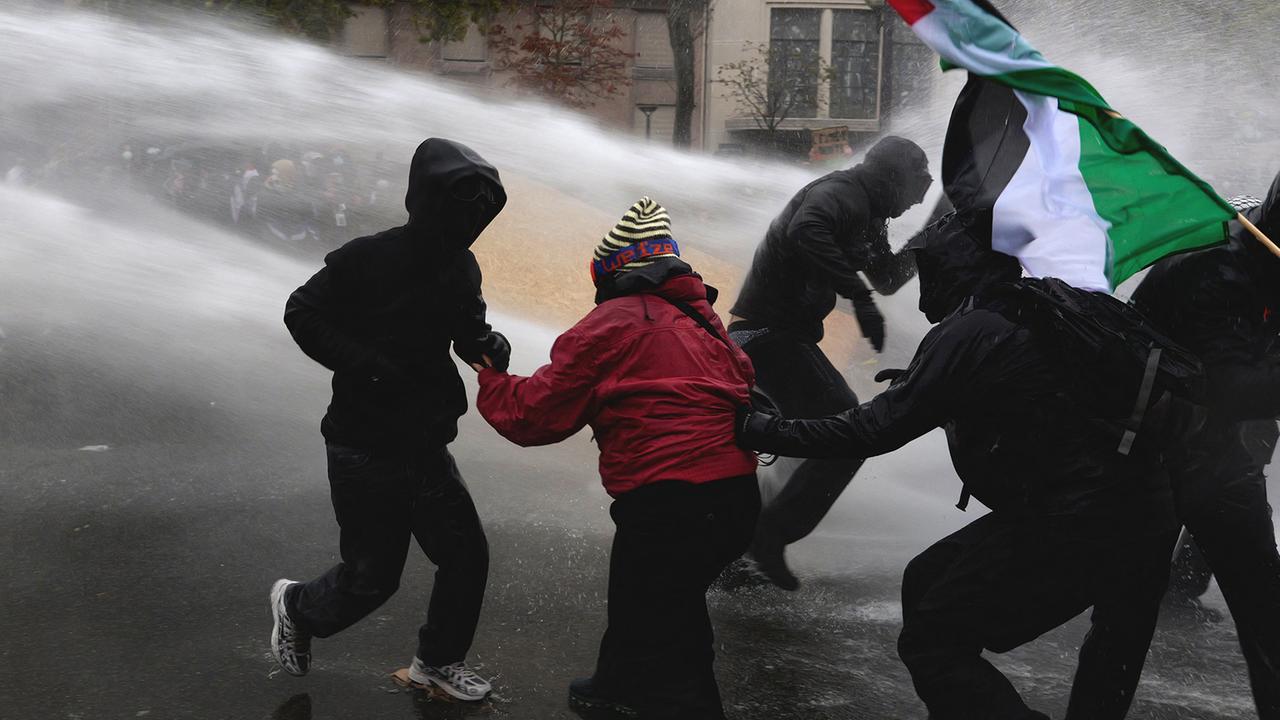
The protests, driven by a confluence of factors including persistent inflation, high energy prices, stagnant wages, and inadequate social services, saw hundreds of thousands participate across at least five major European countries. Police forces, often deploying water cannons, tear gas, and armored vehicles, faced off against demonstrators who, in some instances, resorted to throwing projectiles, vandalizing property, and looting. The escalating tension signals a critical period for European governments, many of whom are struggling to balance public demands with fiscal realities and maintain social order.
The Epicenter of Unrest: A Chronology of Confrontation
The weekend of October 25, 2026, witnessed a continuation and, in some cases, an intensification of protest movements that have been simmering for months across Europe. While specific triggers varied by nation, a common thread of frustration with economic hardship and political leadership ran through the diverse demonstrations.
France: A Nation on Edge as Nearly 1,000 Arrested
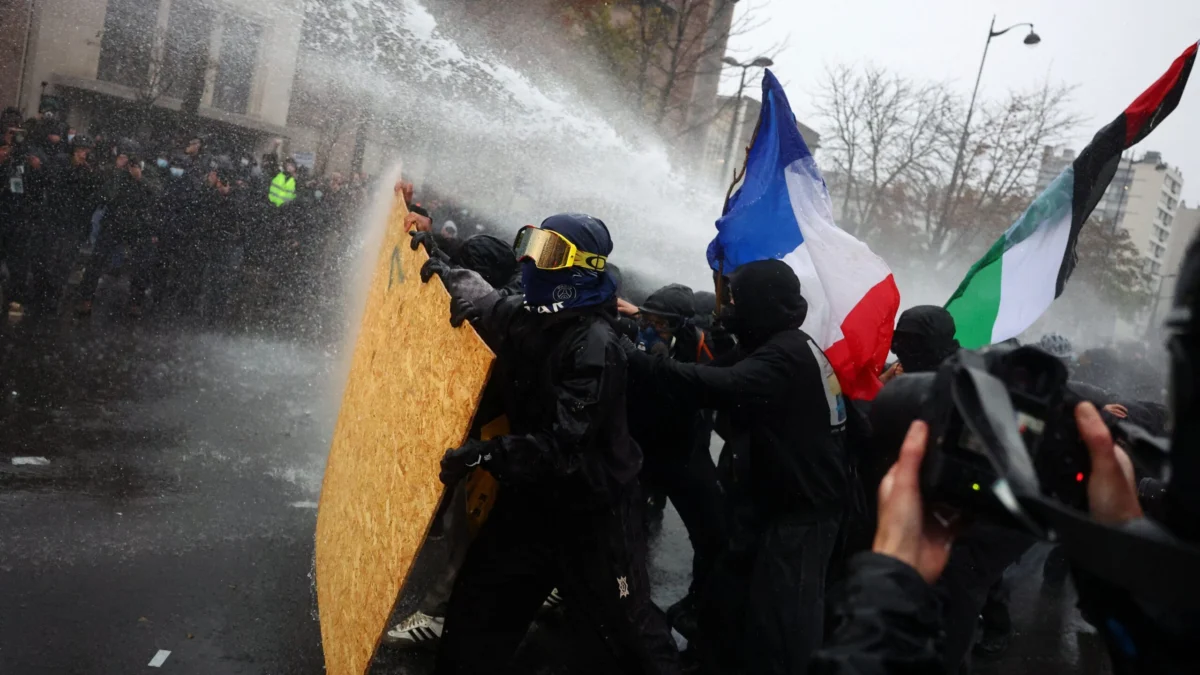
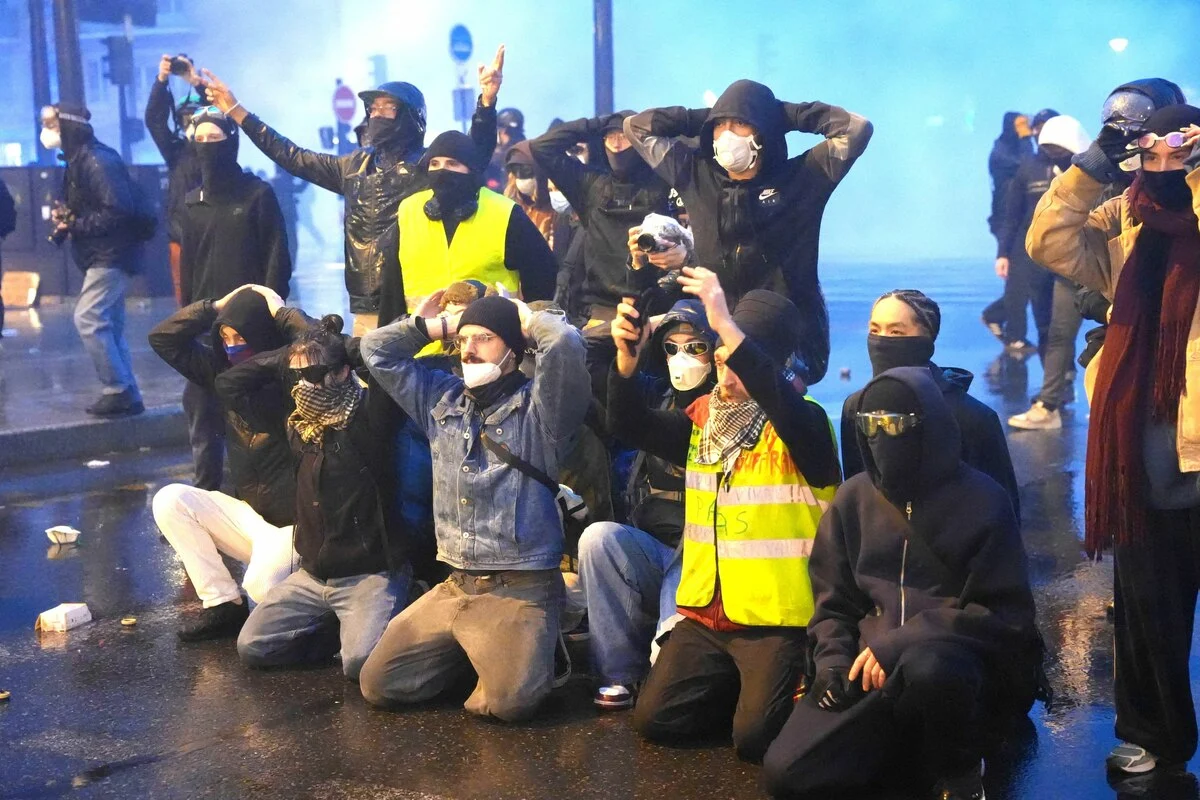
France once again found itself at the heart of the continent’s social upheaval. Large-scale demonstrations across the country, particularly in Paris, devolved into renewed clashes between protesters and security forces. According to Laurent Nuñez of the Interior Ministry, nearly 1,000 individuals were arrested nationwide, a figure expected to rise as final assessments are compiled. While instances of property damage and looting were reported, Minister Nuñez stated they were "not comparable" to the severe destruction witnessed during the previous week’s unrest, suggesting a slight containment of the most extreme elements.
Security forces had been on high alert following the extensive violence of October 17. A formidable deployment of 70,000 police officers and gendarmes was mobilized for the weekend, supported by water cannons and armored vehicles. Anticipating disruption, many Parisian shopkeepers had boarded up their windows, transforming iconic boulevards into fortified commercial fronts. Several cities also imposed pre-emptive assembly bans in specific zones and implemented curfews to deter potential instigators.
The Interior Ministry estimated approximately 410,000 participants in the nationwide protests, with around 110,000 converging on the capital. However, the influential CGT trade union federation claimed a significantly higher turnout, estimating around 800,000 people. The demonstrations initially spearheaded by young people advocating for better school funding, have broadened to encompass a wider spectrum of grievances, drawing in groups protesting against the soaring cost of living, inadequate social welfare, and what many perceive as an unresponsive government. This convergence of disparate protest movements underscores a deepening societal fracture, reminiscent of past periods of intense social unrest in France, such as the "Yellow Vest" movement.
Italy: Tensions Simmer in Major Cities
In Italy, tens of thousands of people took to the streets across various cities on Saturday, though a major escalation akin to the riots seen in Milan on October 17 was largely avoided. Under stringent security measures, mostly young demonstrators peacefully expressed their opposition to high living costs, increased military spending, and Israel’s policy in the Middle East conflict. However, pockets of violence did erupt, particularly in Rome, Bologna, and Turin. Protesters in these cities engaged in confrontations with police, throwing bottles and fireworks. Law enforcement responded with water cannons and tear gas, leading to hundreds of arrests across different locations.
Authorities had been particularly vigilant after calls for widespread protest circulated on social media via an account named "Movimento 17 ottobre," a clear reference to the previous week’s unrest. Fearing a repeat of the Milanese riots, police conducted multiple searches in northern Italy and detained one individual believed to be responsible for managing the incendiary social media account. This pre-emptive action by law enforcement likely contributed to the somewhat contained nature of the violence this weekend, although the underlying discontent remains palpable. The protests highlight the enduring economic anxieties of Italian youth and the complex political landscape, where global events often intersect with domestic grievances.
Albania: Tirana Gripped by Anti-Government Fury
Albania witnessed intense clashes in its capital, Tirana, during renewed anti-government protests. Demonstrators, numbering in the thousands, hurled stones at the Ministry of Education building and attacked security forces with fireworks. Police responded with a forceful array of measures, including water cannons, rubber bullets, and tear gas. According to journalists from Agence France-Presse (AFP), the confrontations resulted in 13 injuries, nine of whom were protesters, as reported by the Ministry of Health. Images from Tirana showed burning barricades and chaotic scenes, indicative of the ferocity of the protests.
These demonstrations are part of a broader movement that has been ongoing since late May. The initial catalyst was a controversial plan for a luxury hotel project situated within a protected coastal nature reserve. The project’s association with Ivanka Trump, daughter of former US President Donald Trump, and her husband, Jared Kushner, has fueled accusations of corruption and a lack of transparency. What began as an environmental and anti-corruption outcry has since broadened into a comprehensive protest against the government of Prime Minister Edi Rama, targeting widespread corruption, poor study conditions, and high university fees. The sustained nature of these protests underscores deep public dissatisfaction with governance and the perceived undue influence of powerful interests in a country aspiring to European Union membership.
Portugal: Housing Crisis Ignites Violent Confrontations
Portugal’s severe housing crisis escalated into direct confrontation in Lisbon. In the early hours of Sunday morning, Portuguese police violently cleared a protest camp that had been established in the city center to highlight the nation’s housing emergency. Reuters reported that several individuals were arrested, and minor injuries were sustained during the operation, though precise figures were not immediately available.
The context for this confrontation is one of Europe’s most acute housing crises. Since 2017, real estate prices in Portugal have more than doubled, with rents for new contracts experiencing a nearly identical surge. This affordability crisis disproportionately affects young people, many of whom are priced out of urban centers. The protest camp was set up following a Saturday march that drew thousands of participants. This was not the first such intervention; police had cleared a similar encampment at the same location just last Tuesday. Fabian Figueiredo, a Member of Parliament for the Left Bloc, condemned the police action as "completely disproportionate," arguing that there had been no disturbance to public order.
Demonstrators are demanding that the government repeal a controversial bill designed to facilitate forced evictions and implement caps on rents for new contracts. Estimates from the Portuguese Central Bank indicate a nationwide deficit of 300,000 housing units, painting a stark picture of the challenge. The Lisbon protests echo similar movements recently observed in Belgium, France, Italy, and Spain, highlighting the pan-European nature of housing affordability issues, often exacerbated by factors like mass tourism and speculative investment.
Spain: Barcelona Sees Youth-Led Looting and Vandalism
In Spain, the vibrant city of Barcelona was plunged into chaos as hundreds of young people gathered for an unannounced protest, reportedly organized through social media channels. The demonstrations quickly turned destructive, with participants damaging street furniture, bicycles, and motorcycles. According to reports from Spanish daily El País and Catalan broadcaster Betevé, shops were looted, and trash containers were set ablaze, creating scenes of urban disorder.
Catalan and municipal police forces responded robustly, arresting approximately 100 demonstrators. Alarmingly, about a quarter of those detained were minors, underscoring the involvement of a younger demographic in the unrest. Over 220 officers were deployed to bring the situation under control. The spontaneity and the destructive nature of these youth-led protests highlight growing frustration among younger generations in Spain, potentially linked to high youth unemployment, precarious economic prospects, and a general sense of disillusionment with established political structures.
Official Responses and the Challenge of Governance
Across Europe, official responses to the protests have varied, but a common thread is the commitment to restoring order while acknowledging, to varying degrees, the underlying grievances.
In France, Interior Minister Laurent Nuñez’s statements emphasized the reduced level of violence compared to the previous week, a narrative aimed at reassuring the public and demonstrating government control. However, the sheer number of arrests and the extensive security deployments underscore the government’s concern about maintaining stability. President Macron’s administration faces immense pressure to address the cost of living crisis and youth disaffection, issues that have historically fueled significant political challenges in France. The government’s tightrope walk involves respecting the right to protest while firmly cracking down on acts of vandalism and violence, a balance that remains difficult to achieve.
Italian authorities, by taking pre-emptive action against the "Movimento 17 ottobre" social media account and conducting arrests, demonstrated a proactive strategy to mitigate potential violence. While this approach may have averted a larger crisis this weekend, it also raises questions about the delicate balance between security and civil liberties. The government is tasked with responding to diverse demands, from economic relief to foreign policy, against a backdrop of complex coalition politics.
In Albania, the government of Prime Minister Edi Rama faces sustained pressure over corruption allegations and controversial development projects. The violent response by police in Tirana reflects the government’s determination to quell unrest, but the underlying issues of governance and transparency are unlikely to dissipate without meaningful reforms. The situation in Albania could have broader implications for its aspirations for deeper integration with the European Union, as the rule of law and democratic accountability are key criteria.
The forceful clearance of the protest camp in Lisbon by Portuguese police drew sharp criticism from opposition politicians, who deemed the action "disproportionate." This highlights a tension between the government’s desire to maintain public order and the public’s right to peaceful assembly, especially on such a critical issue as housing. The government is under immense pressure to implement effective policies to tackle the housing crisis, which threatens the social fabric and economic stability of the country.
Spanish authorities in Barcelona were quick to deploy significant police resources to contain the youth-led protests and make arrests. The focus on containing spontaneous, socially-mediated unrest underscores the challenges modern police forces face in monitoring and responding to decentralized protest movements. Addressing the root causes of youth disillusionment and economic precarity will be crucial to preventing future outbreaks of similar violence.
Implications: A Continent at a Crossroads
The widespread protests across Europe carry significant implications for the political, social, and economic landscape of the continent.
Political Instability: The sustained nature of these protests poses a direct challenge to incumbent governments. They reflect a growing disillusionment with traditional political processes and a demand for more responsive governance. Should these movements continue to gain momentum, they could lead to increased political polarization, electoral shifts, and even governmental instability in the affected nations. The ability of governments to address the grievances effectively will determine their long-term viability and the stability of their democracies.
Economic Consequences: Beyond the immediate costs of property damage and policing, the protests disrupt economic activity, deter investment, and can negatively impact national images. For countries reliant on tourism, like Spain and Portugal, scenes of unrest can deter visitors, further exacerbating economic woes. The underlying economic issues driving the protests – inflation, housing costs, energy prices – are structural and require sustained, coordinated policy responses that could involve difficult trade-offs.
Social Cohesion: The protests also expose and exacerbate deep divisions within European societies. The clashes between protesters and police, the rhetoric from both sides, and the differing interpretations of events can erode trust in institutions and deepen societal fractures. There is a risk that these movements could be co-opted by extremist elements, further complicating efforts to find common ground and resolve disputes peacefully.
A Pan-European Phenomenon: Crucially, these events are not isolated incidents but rather symptoms of broader, interconnected challenges facing Europe. The cost of living crisis, exacerbated by global geopolitical events like the conflict in Ukraine and lingering effects of the pandemic, is a shared experience. The housing crisis in major European cities reflects similar dynamics of urbanization, investment, and insufficient public policy. This interconnectedness suggests that a truly effective response may require not just national efforts but also greater European cooperation and solidarity.
Looking ahead, the weekend’s protests serve as a stark reminder that beneath the veneer of stability, significant socio-economic pressures are building across Europe. The coming months will test the resilience of democratic institutions and the capacity of European leaders to listen, adapt, and implement meaningful reforms to avert further widespread unrest and ensure a more equitable and stable future for their citizens.