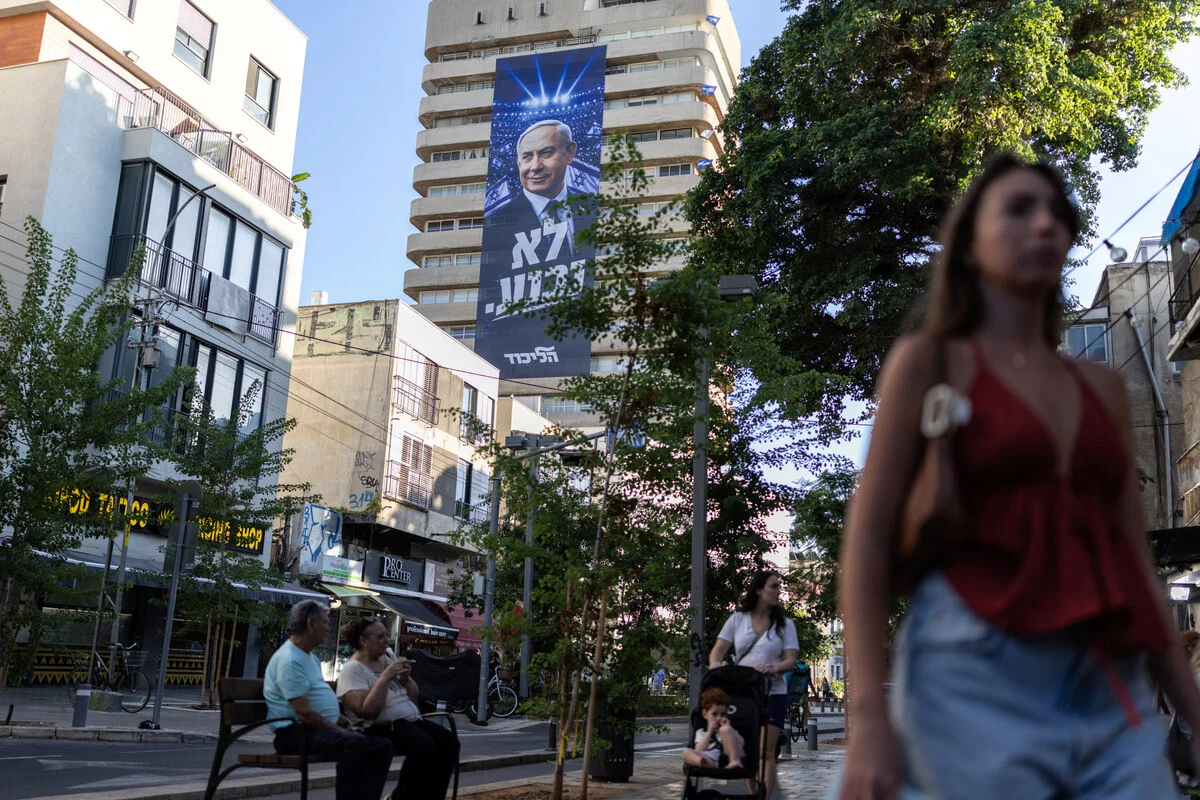
As the date for Israel’s upcoming Knesset elections on October 27th approaches, a palpable sense of anxiety permeates the Israeli diaspora. From Berlin to Los Angeles and Madrid, the Hebrew language is being spoken with a tone of urgency. For many, this is not merely another cycle of democratic deliberation; it is a "fate-defining" election. With absentee voting prohibited for those outside the country, a steady stream of citizens is boarding flights back to Israel, driven by the conviction that this represents the final opportunity to steer the nation away from an irreversible slide into a religious and authoritarian regime.
The State of Play: A Nation Divided
For the supporters of Prime Minister Benjamin "Bibi" Netanjahu, the status quo under the current right-wing coalition has been, in many respects, a realization of long-held aspirations. Religious Zionists have made significant strides toward their goal of settling the "Holy Land." With billions of shekels from the national budget flowing directly into West Bank settlements, the infrastructure of occupation has deepened.
Critics argue that the current government has fostered an environment of near-impunity for extremist settlers, who, often with tacit or explicit state support, employ physical violence to displace Palestinians. The humanitarian toll is staggering: incidents of settler-led violence against Palestinians in the West Bank have surged, averaging six attacks per day. Simultaneously, a concerted effort to "religionize" the state is underway, as ultra-nationalist cells increasingly infiltrate secular neighborhoods, aiming to cement their ideological footprint permanently.
A Chronology of Crisis and Neglect
To understand the current political climate, one must look back at the cascade of failures that have defined the past few years.
- Pre-October 7th: The government was heavily criticized for ignoring intelligence warnings regarding the security situation in Gaza. Instead of focusing on national stability, the administration appeared preoccupied with domestic legislative battles, notably the divisive judicial overhaul.
- The October 7th Trauma: The subsequent Hamas incursion, which resulted in the deaths of approximately 1,200 people and the abduction of 251 hostages, shattered the Israeli psyche. Despite the magnitude of this failure, Netanjahu has consistently blocked the formation of an independent, state-led commission of inquiry.
- The Regional War: The ensuing conflicts with Iran and its proxies have brought the nation to a breaking point. The blockade of the Strait of Hormuz—a direct consequence of the escalating regional tensions—has crippled vital supply lines, yet the government’s stated goals, such as toppling the Iranian regime or dismantling its nuclear program, remain elusive.
The Resilience of the "Bibi" Base
Despite the overwhelming evidence of systemic failure—the intelligence collapse, the hostage crisis, and the failure to achieve clear strategic objectives in the war—Netanjahu’s core base remains remarkably loyal. For his supporters, "Bibi" remains the only figure capable of navigating the existential storms threatening Israel.
This loyalty is tested daily by reality, yet the Prime Minister’s political survival tactics remain sharp. Recent reports from Channel 12 suggest that Netanjahu may have attempted to lobby Donald Trump to initiate a military strike against Iran prior to the US and Israeli elections. Such maneuvers, analysts suggest, are calculated to shift the focus from domestic failure to external conflict, potentially creating a "rally-around-the-flag" effect that could render elections secondary to the "necessity of war."
The Legislative Ambitions of the Right
For the radical elements of the coalition, such as Itamar Ben-Gvir and Bezalel Smotrich, the war in Gaza is viewed through the prism of a potential return to Jewish settlement in the strip. While this has not yet occurred, they are closer to this goal than at any point since the 2005 disengagement.
Furthermore, the government’s plans for a total state overhaul remain dormant but not dead. Having paused the judicial reforms to accommodate a short-lived "Emergency Government" with opposition figures like Benny Gantz, the coalition has made it clear that a victory on October 27th will be the mandate to resume the dismantling of the Supreme Court’s authority. Their goal is clear: to concentrate power in the hands of the executive, removing the judiciary as the final check on governmental overreach.
The Opposition: A Disjointed Front
The opposition lacks a unified ideological manifesto; it is held together by a singular, negative premise: the removal of Benjamin Netanjahu.
- Gadi Eisenkot: A former military chief, Eisenkot is a complex figure. While he pioneered the "Dahiye Doctrine"—a strategy involving the large-scale destruction of civilian infrastructure to deter enemies—he is seen as a moderate compared to the current far-right. He opposes a Palestinian state but seeks to curb the lawlessness of settler violence.
- Avigdor Lieberman: A right-wing hardliner who has pivoted to become a vocal critic of the ultra-Orthodox community’s privileges.
- Jair Golan: Seen by many as a hero of October 7th for his individual efforts to rescue survivors of the Nova festival, Golan has attempted to breathe new life into the Zionist Left.
The political landscape is fractured. Benny Gantz, once the primary challenger, withdrew from the race after polling indicated his party might fail to meet the 3.25% electoral threshold. This illustrates the fragility of the entire anti-Netanjahu bloc.
Implications: The Path Forward
The math of the upcoming election is unforgiving. Most polling indicates a deadlock. With 38 registered parties, the threshold for entering the Knesset will act as a filter, and the future of the nation may hinge on a handful of votes for a small, fringe party.
If the anti-Bibi bloc succeeds, it will likely need to form a coalition mirroring the 2021 "Government of Change." That administration, which included parties from the left, center, and the Arab-Israeli Ra’am party, proved that a bridge between divided sectors of society is possible. It managed to slow settlement expansion, address crime in Arab communities, and maintain a level of democratic stability that has since eroded.
What to Expect Post-Election
- Independent Inquiry: An opposition-led government would almost certainly launch a formal, independent investigation into the failures of October 7th.
- Budgetary Realignment: A pivot away from funding illegal settlements and ultra-Orthodox subsidies toward infrastructure, education, and social services in the "Israeli heartland."
- Diplomatic Rehabilitation: Israel is currently facing its deepest international isolation in decades. A change in leadership is viewed by many global observers as the necessary first step to repairing ties with Western allies and potentially reviving the normalization process with regional powers like Saudi Arabia.
Conclusion: A Vote for Survival
Even those who are cynical about the outcome—the "fatalists" who believe the state is on a path toward collapse regardless of who wins—are preparing to head to the polls. They understand that in a polarized society, the difference between a government that respects democratic norms and one that seeks to dismantle them is not merely academic. It is a matter of national survival.
As the October 27th deadline looms, Israel finds itself at a crossroads. The choice is between a continued descent into ideological fervor and isolation, or a difficult, messy, and uncertain path toward reconciliation and institutional renewal. For those currently streaming back to Ben Gurion Airport, the vote is not just about a party; it is about the very soul of the country.