By Hanna Gersmann
The latest report from the United Nations serves as a sobering, if not terrifying, wake-up call for the international community. The planet is currently careening toward a temperature increase of 2.8 degrees Celsius by the end of this century. While much of the global discourse focuses on the geopolitical shifts—specifically the skepticism toward climate action championed by figures like Donald Trump—the reality closer to home is equally troubling. Germany, often touted as a leader in green innovation, is faltering. With the federal government’s recent decision to dismantle key departments focused on renewable energy and industrial transformation, the nation is stalling just as the pace needs to quicken.
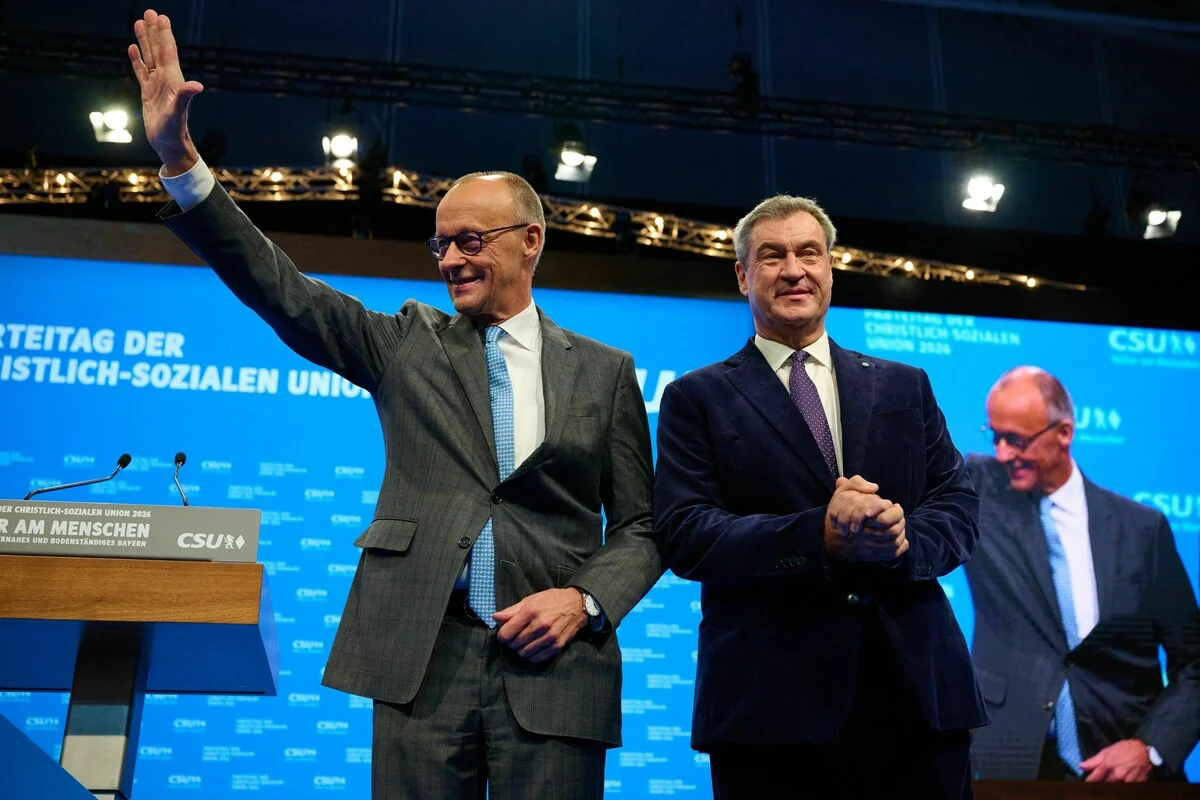
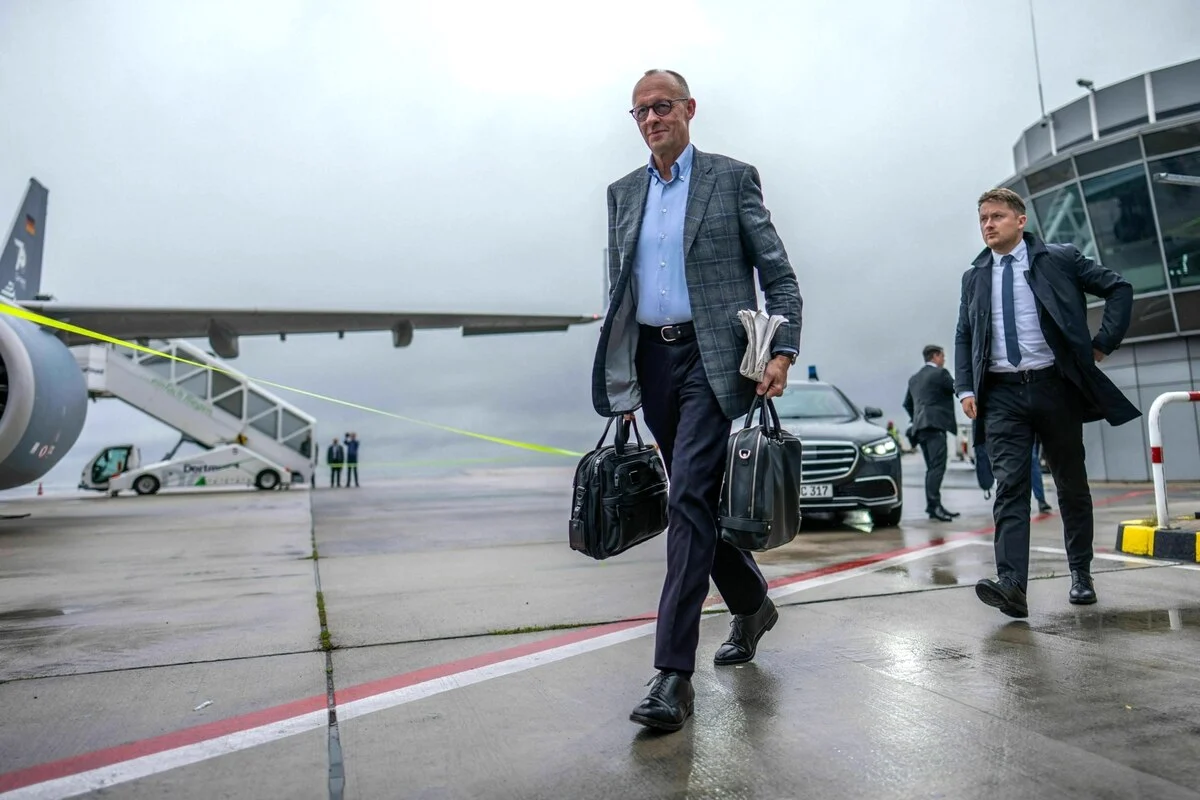
It is time for a drastic change in perspective. Perhaps it is time for opposition leader Friedrich Merz to trade his desk for the cockpit of his Diamond DA62. While his private aircraft has long been a symbol of elite detachment, this specific journey would serve a different purpose: to confront the visceral, ground-level consequences of the climate crisis that cold statistics fail to capture.
The Disconnect of Data
In policy circles, "2.8 degrees" is a figure discussed with clinical detachment. For the average citizen, however, it is an abstract, almost meaningless number. Scientific literacy is essential for sound governance, and no one is suggesting that policy should be untethered from data. However, numbers rarely move hearts or inspire the urgent, collective action required to overhaul a national economy.
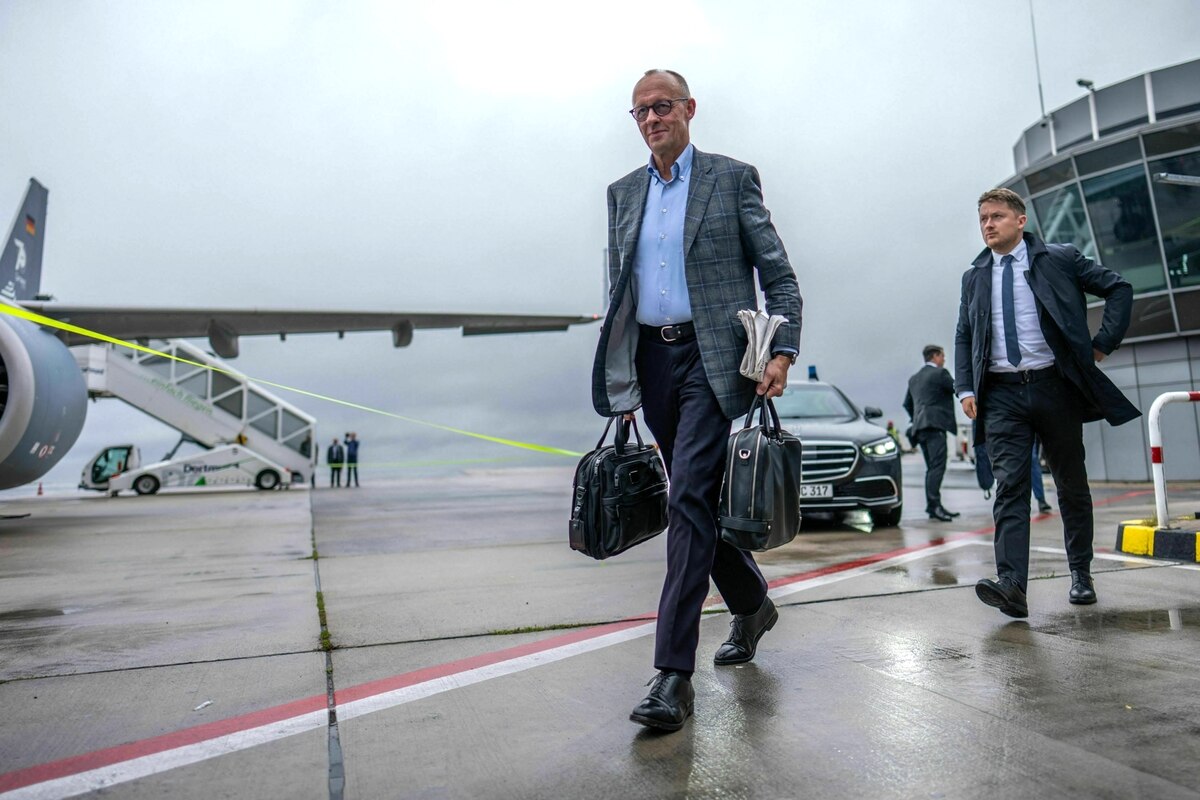
If Mr. Merz wishes to lead a nation, he must do more than cite spreadsheets; he must witness the tangible erosion of the German landscape. A flight across the country, with stops in Freiburg, the Bodensee, the Saarland, and the Baltic coast, would offer a panoramic view of a nation undergoing a slow-motion transformation.
A Chronology of Crisis: A Proposed Itinerary
To understand the stakes, one must see the evidence. The journey should begin in the Sauerland, heading south toward the Uniklinikum in Freiburg.
The Heat Emergency in Freiburg
In Freiburg, a conversation with Thorsten Hammer, the hospital’s disaster management officer, would be illuminating. During the record-breaking heatwaves of the past summer, the facility was forced to establish an emergency task force. The objective was simple but desperate: to cool down the sweltering rooms of vulnerable patients. The hospital had a contingency plan to evacuate patients to climate-controlled exhibition halls should temperatures become life-threatening. This is not a theoretical "future risk"; it is the current operational reality for German healthcare providers.
The Shrinking Bodensee
From the clinic, the flight path should lead to the Bodensee (Lake Constance). The lake is currently shrinking, a victim of high evaporation rates and a lack of significant precipitation. The Alps, once a reliable reservoir of snowmelt, have provided significantly less water due to warmer winters. From an altitude of a few thousand feet, the emerging "beaches" and retreating waterlines might look like mere landscape shifts, but they are symptoms of a systemic hydrological failure.

The Industrial Heart: Steel and Sustainability
In the Saarland, the focus must shift to the economic engine of Germany. The steel industry is currently undergoing a massive, multi-billion-euro transition to low-carbon production. Stephan Ahr, the chairman of the general works council at Saarstahl, has been a central figure in convincing a 14,000-strong workforce to accept necessary operational changes to secure a greener future.
However, there is profound anxiety among the workers. They fear that political shifts—specifically the potential weakening of the emissions trading system—will undermine the very investments they have sacrificed for. To these workers, the climate transition is not a bureaucratic hurdle; it is a question of their livelihood and their legacy as industrial pioneers.
The Baltic Vision
Finally, the route should take the flight north to Rostock. Here, the scale of the challenge is matched by the scale of the proposed solutions. Planners are currently exploring the large-scale desalination of Baltic Sea water to combat the severe, persistent drought affecting Brandenburg and Berlin. That a nation as water-rich as Germany is now discussing desalination as a solution for its capital city’s hinterlands is a testament to how far the climate has already drifted from the norm.
Supporting Data: The 1.5-Degree Gap
The current global warming trajectory of 2.8 degrees is not an inevitable outcome, but it is the default path under current policy frameworks. The scientific consensus, repeatedly highlighted by the IPCC and UN reports, remains clear: the goal must be to limit warming to 1.5 degrees to avoid the most catastrophic tipping points.

Despite the current political inertia, the tools for decarbonization are well-understood. The transition requires:
- Aggressive expansion of renewable energy: Wind and solar power must be prioritized as the primary sources of the national grid.
- Urban resilience: Cities must be redesigned to handle heat islands through increased green spaces and infrastructure adaptation.
- Industrial transformation: Providing long-term policy certainty for industries like steel to transition away from coal-based processes.
- Transport reform: A definitive, accelerated timeline for the phase-out of internal combustion engines.
Official Responses and Political Implications
The political landscape in Berlin remains fractured. The decision by Federal Minister for Economic Affairs Katherina Reiche to dissolve the department responsible for wind, solar, and industrial transformation has sent shockwaves through the climate-policy community. For many, it signaled a retreat from the "Green" industrial policy that was intended to make Germany a global competitor in the post-fossil-fuel age.
Critics argue that by focusing on deregulation and market-only approaches, the current government is ignoring the structural reality that climate change acts as a market failure. The cost of inaction—seen in the destroyed crops, the stressed healthcare systems, and the billions needed for climate adaptation—far outweighs the cost of the investments required today.
A Call to Action
After visiting these sites, Mr. Merz should return to Berlin, but not to the confines of his office. He should meet with younger citizens—those whose lives will be defined by the 2.8-degree world that current policy is failing to prevent.

The task at hand is not to "save" the climate in an abstract, global sense, but to preserve the health, economy, and stability of Germany. A Sondersitzung (special session) of the cabinet, informed by the visceral experience of seeing a shrinking lake and a struggling hospital, would be a necessary start.
Politics is about choices. The choice is between continuing the current trajectory of incremental, often hesitant policy, or committing to a bold, systemic overhaul. The data is clear, the warning signs are on the ground, and the solutions are ready. All that is missing is the political courage to act as if the future actually matters.
Mr. Merz, the runway is clear. It is time for a different kind of flight.