By Editorial Staff
The Bavarian State capital, Munich, often serves as the stage for the most theatrical moments in German conservative politics. This past weekend, the CSU (Christian Social Union) party conference at the Messe München exhibition center proved no exception. While the official agenda was packed with discussions on industrial policy, the fight against extremism, and the upcoming federal election, the true heartbeat of the gathering pulsed around a single, unstated, yet omnipresent topic: the "P-Question"—the succession of Federal President Frank-Walter Steinmeier.
At the center of this political gravity was not the party chairman Markus Söder, nor the visiting CDU leader and Chancellor candidate Friedrich Merz. It was, rather, the President of the Bavarian State Parliament, Ilse Aigner. Across the two-day event, her name hung in the air, a silent candidate for the highest office in the land, representing a potential rift—or a calculated bridge—between the two sister parties of the Union.
A Chronology of the Munich Moment
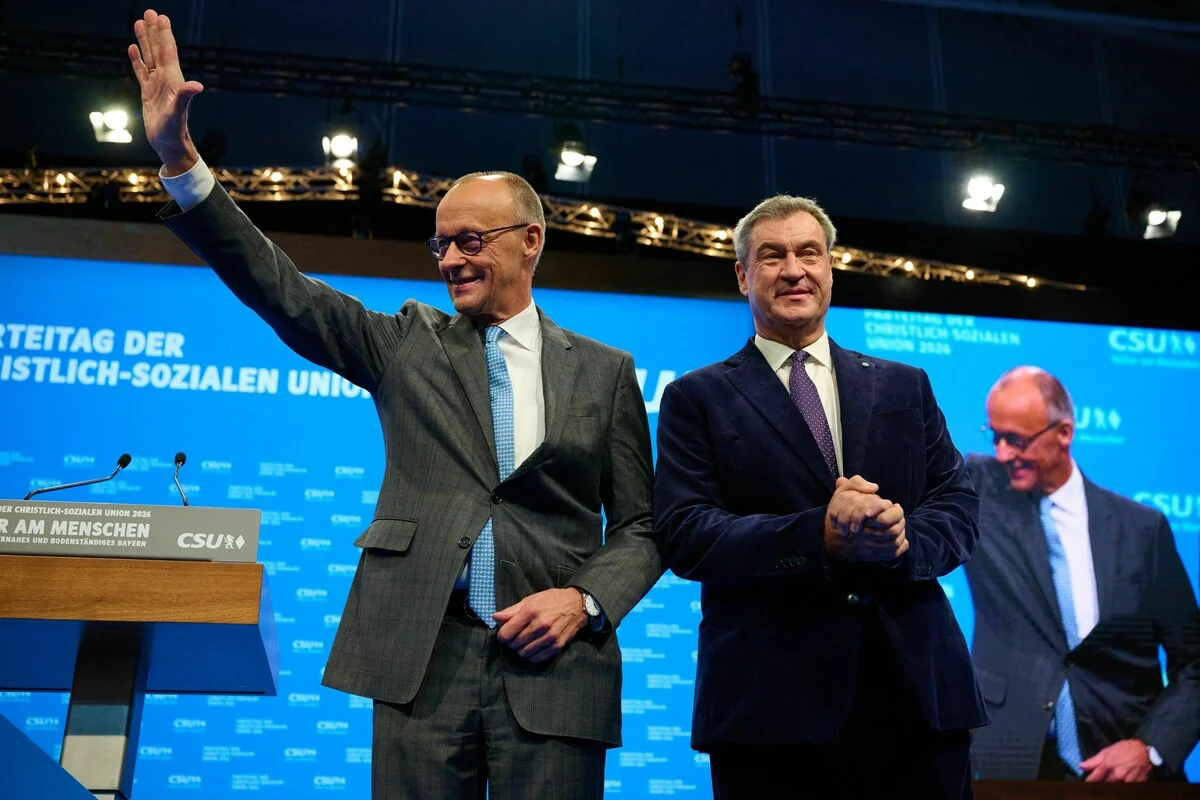
The atmosphere at the convention center was marked by a fragile, performative unity. The arrival of Chancellor Friedrich Merz on Saturday was orchestrated with precision, accompanied by the brass-band-led strains of the Rocky theme song, "Eyes of the Tiger." It was a bold, if somewhat incongruous, choice of music for the staid halls of Bavarian conservatism.
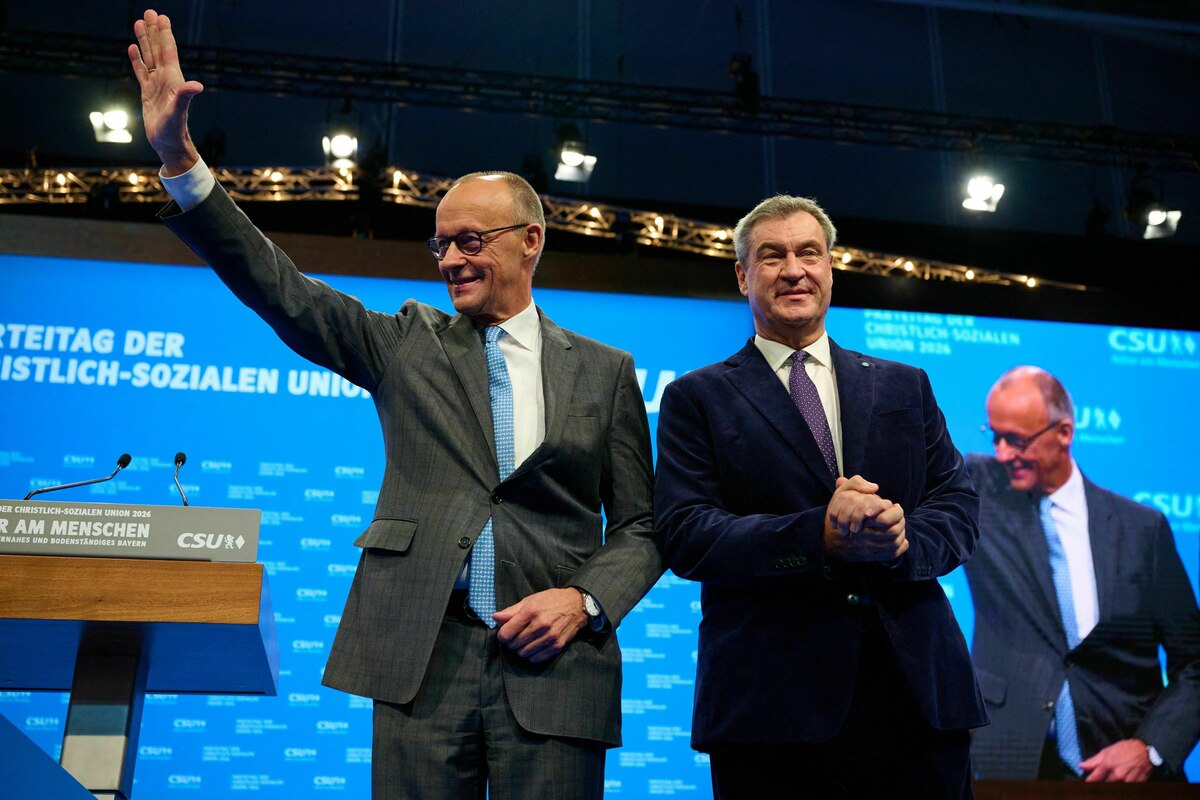
The critical juncture occurred during the opening remarks. As Merz began his address, he moved through the standard list of dignitaries: "Dear Markus Söder," he began, "dear Ilse Aigner." He continued to greet Manfred Weber, the leader of the EPP in the European Parliament, but he was interrupted.
A wave of momentum rippled through the delegates. With a synchronized surge, the audience rose to their feet, delivering a standing ovation that lasted far longer than protocol demanded. It was not a tribute to the Chancellor, but a clear, unmistakable signal of their preference for the presidency. Merz, momentarily sidelined, stood on the stage with a forced, tight-lipped grin. He let the applause wash over him, understanding that the message from the Bavarian base was not just a suggestion; it was an ultimatum. For the remainder of the event, the "P-Question" remained the elephant in the room—deliberately left unaddressed in official speeches, yet articulated in every hushed corridor conversation.
The Case for Aigner: More Than a Favorite
Ilse Aigner has been a fixture of the German political landscape for over a decade. Her trajectory from the Federal Ministry of Food and Agriculture to the head of the Bavarian Landtag has been marked by a consistent ability to transcend internal party squabbles.
Unlike many potential candidates who see their reputation eroded by the abrasive nature of current political discourse, Aigner’s standing remains remarkably pristine. She enjoys a rare commodity in modern German politics: broad support that extends beyond the traditional base of the CSU. Within the party, she is viewed as a unifying figure—a "self-runner" in the eyes of many delegates who believe her candidacy would be not just strategic, but inevitable.

However, the path to the Bellevue Palace is rarely straightforward. While Aigner represents the ideal candidate for the Bavarian wing, the decision rests with the CDU leadership in Berlin, specifically Friedrich Merz.
The CDU-CSU Friction: A Conflict of Interest
The tension surrounding Aigner’s potential candidacy highlights the deeper, structural crisis currently facing the CDU. While the CSU, under Söder, has positioned itself as the guardian of the conservative tradition, the CDU is struggling with internal morale and electoral setbacks, most notably in regions like Mecklenburg-Vorpommern.
For the CDU leadership, allowing the CSU to dictate the candidate for the Federal Presidency carries significant political risk. It could be interpreted as a concession of leadership, a public admission that the smaller, regional sister party is now the one setting the tempo for the entire Union.
"The CDU has not given up the claim to nominate a candidate from its own ranks," sources within the party leadership told the German Press Agency (dpa) over the weekend. This sentiment reflects a deep-seated anxiety: if the CDU cannot even control the nomination for a largely ceremonial, albeit high-profile, office, what does that say about its ability to command the Chancellery?

Implications for the Union’s Future
The urgency expressed by figures like Manfred Weber and Klaus Holetschek—both of whom publicly pleaded with leadership to "not lose any more time"—suggests that the window for a decision is closing. The original timeline, which aimed to settle the presidency question following the eastern state elections, has already passed.
The current strategy of "Schulterschluss" (locking arms) between Merz and Söder is designed to project strength to the electorate. Both leaders emphasized their commitment to a united front, warning against the threats of extremism from both the far-left and far-right. They spoke of the need to protect the industrial base, the rejection of the "Verbrenner-Aus" (the ban on combustion engines), and the importance of a fiscal policy that favors growth over redistribution.
Yet, behind the rhetoric of unity lies a fundamental disagreement on the presidency. Söder’s open support for Aigner is a calculated maneuver; if she succeeds, he cements his influence in Berlin. If she fails, he can point to the CDU’s lack of vision.
The Road Ahead
As the CSU delegates returned home, the "P-Question" remained unresolved. Friedrich Merz, during his address, spoke at length about "Zukunftsmut" (courage for the future), citing a recent meeting with Nvidia CEO Jensen Huang as proof that the world still believes in Germany’s industrial potential. It was an attempt to shift the narrative from petty personnel politics to grand economic strategy.

Whether that strategy will be enough to quell the internal pressure regarding the presidency remains to be seen. Ilse Aigner herself, when pressed on the matter, remained disciplined. "I was very pleased with the reaction of the party conference," she noted, before adding with practiced caution: "But that is a matter for the party leaders to decide."
For now, the Bavarian Gambit is in a state of suspended animation. The Union’s ability to navigate this transition without a public rupture will be the true test of its cohesion. If Merz decides to endorse Aigner, he will likely buy peace with the CSU but risk resentment within his own ranks. If he chooses another path, he risks a long-term alienation of the party’s most successful regional branch.
As Germany looks toward the next phase of its political cycle, the silence from the top regarding the presidency is becoming increasingly deafening. The delegates in Munich have made their choice clear; now, the question is whether the leadership in Berlin has the political capital—or the desire—to follow their lead.