In the popular imagination, the "Viking" is a recognizable, almost cinematic archetype: a hyper-masculine, horned-helmet-wearing marauder with a blonde beard and a penchant for endless raiding. This image, deeply ingrained in global culture through television series, literature, and even sports fandom, is, according to experts, fundamentally flawed.
Matthias Toplak, historian and director of the Viking Museum Haithabu in Germany, argues that the very label "Viking" is a historical misnomer that has been distorted by centuries of religious bias and, more dangerously, by 20th-century political weaponization. To understand the people of the Nordic Iron Age, we must strip away the layers of romanticized fiction and ideological propaganda.
The Semantic Trap: Who Were the "Vikings"?
The term "Viking" itself is a linguistic fossil. Derived from the Old Norse term fara í víking—literally "to go on a raiding expedition"—it describes a specific action, not an ethnicity or a nationality.
"The name was a job description, not an identity," Toplak explains. "Only a small fraction of the population ever engaged in piracy. The vast majority of people we categorize as ‘Vikings’ were farmers, fishers, artisans, and merchants."
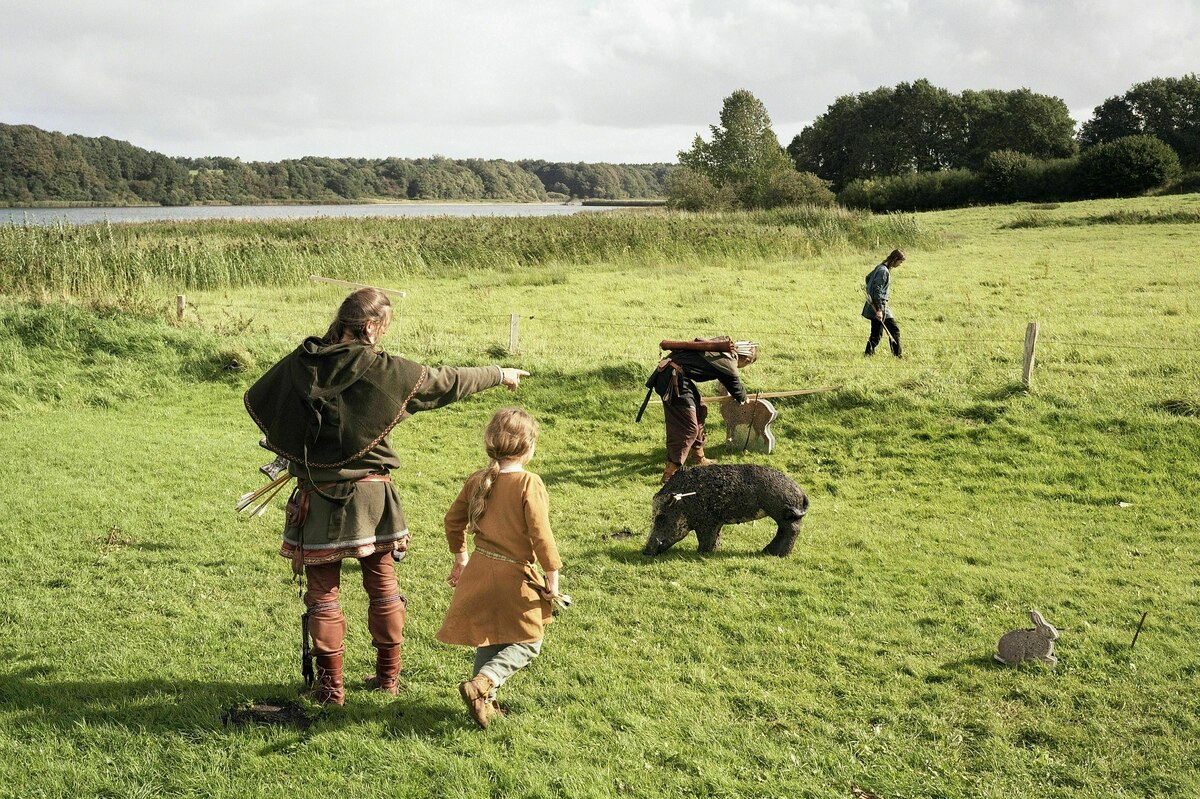
Estimates suggest that only five to ten percent of the Scandinavian population participated in raiding expeditions. The overwhelming majority of the Norse people never ventured further than their local marketplace. Labeling an entire culture based on the seasonal activities of a small, mobile group of warriors is akin to defining the entirety of medieval Europe by the behavior of its mercenaries.
A Chronology of Misperception
The distorted view of the Norse people began not with the people themselves, but with their victims.
The Monastic Filter (8th–11th Century)
The primary written accounts of the "Viking Age" were composed by Christian monks, who were often the targets of the earliest raids. Because monasteries and churches were repositories of immense wealth and lacked standing armies, they were soft targets for hit-and-run tactics. These monastic chroniclers depicted the Norse as divine punishment or "heathen demons," emphasizing their brutality to serve a theological narrative.
The Romantic and Völkisch Appropriation (17th–20th Century)
By the 17th century, Scandinavian nations began looking back to the Viking Age to construct a national mythos. However, the most damaging distortion occurred in the 1930s. The National Socialist regime in Germany, obsessed with racial purity and the myth of the "Aryan" super-race, heavily subsidized excavations, most notably at the trading hub of Haithabu.

"The Nazis sought to turn the Vikings into the ancestral ideal of the ‘Herrenmensch’—the master race," says Toplak. "They solidified the image of the tall, blonde, blue-eyed, clean-shaven giant. This caricature was taught in schoolbooks for decades and, unfortunately, persists in the minds of the far-right today, who still attempt to appropriate Viking imagery."
Supporting Data: The Reality of Norse Society
Modern archaeological evidence paints a picture of a society far more complex and cosmopolitan than the "barbarian" trope suggests.
Cosmopolitan Trade Networks
While the popular image focuses on the longship as a weapon of war, it was first and foremost an instrument of trade and exploration. Archaeological findings show that Norse merchants maintained extensive networks reaching into Central Asia and the Islamic world.
The Diversity of the North
One of the most significant findings in recent years is the ethnic diversity of the Norse world. "In graves that we categorize as ‘Viking,’ we find the remains of Slavs, Anglo-Saxons, and Franks," Toplak notes. "The genetic and cultural makeup was far more diverse than the ‘blonde giant’ myth suggests. It is highly likely that there were many individuals with darker hair, eyes, and skin living within these communities."

The Status of Women
The rigid gender roles often projected onto the Viking Age—men as warriors, women as domestic laborers—are being challenged by evidence. While the 19th-century academic gaze sought to enforce a patriarchal order, modern studies suggest a more nuanced reality.
In 2017, a landmark DNA analysis of a grave in Birka confirmed that a high-status individual buried with a full set of warrior equipment—including weapons and a map—was female. While this does not imply that all women were soldiers, it confirms that free women held significant social power. They were legally allowed to own property, initiate divorce, and, crucially, manage the entire farmstead during the months or years their husbands were away on trade or raiding missions.
Official Responses and Museum Ethics
As the director of the Viking Museum Haithabu, Toplak faces the constant challenge of balancing public fascination with historical accuracy. The museum has had to implement strict house rules regarding the display of symbols, as extreme-right groups frequently attempt to co-opt the site for ideological purposes.
"We have to be very consistent," Toplak explains. "When we see someone wearing symbols associated with white supremacist groups, we intervene. Our job is to present the evidence-based reality of the past, not to feed a fantasy that serves modern political extremism."

The museum also grapples with the impact of pop culture. While shows like Vikings bring unprecedented numbers of visitors to the site, they also bring a set of pre-conceived notions. "If ten out of a hundred visitors arrive because of the show, but leave realizing that the real history is even more fascinating and nuanced than the TV drama, then we have succeeded," says Toplak.
Implications for Modern Historiography
The re-evaluation of the Viking Age is a cautionary tale about how history is written and consumed. It demonstrates that our "common knowledge" about the past is often a reflection of our own present-day anxieties and biases.
1. The Danger of Voids
The lack of extensive contemporary written records from the Norse perspective created a vacuum. This vacuum was filled by the agendas of others: first the Church, then nationalistic historians, and finally the Nazi regime. When we do not have a voice from the culture itself, we are susceptible to the propaganda of those who do.
2. The Value of Neutral Accounts
The records provided by Islamic scholars and diplomats, such as Ibrahim ibn Yaqub at-Tartuschi and Ibn Fadlan, serve as a critical corrective. Unlike their Christian contemporaries, these writers had no interest in demonizing the Norse. They observed the Norse with a traveler’s curiosity, recording their daily habits, their hygiene (which they found both curious and, in some cases, excessive), and their social behaviors. These accounts provide an invaluable look at the Norse as people, not as mythological monsters.

3. Challenging Binary Thinking
The study of the Viking Age is moving away from binaries: Christian vs. Heathen, Man vs. Woman, Raider vs. Merchant. Instead, the focus has shifted toward the "Old Norse cultural space," a fluid, interconnected world held together by a common language and architectural style, but characterized by an incredible degree of adaptability and interaction with the wider world.
Conclusion
The "Viking" as we know him—the horned-helmeted brute—is a construct of the 19th and 20th centuries. The reality of the Norse people was a civilization of complex trade, sophisticated maritime engineering, and a social structure that allowed for a level of female agency and ethnic integration that was, in many ways, ahead of its time.
As we continue to dig into the soil of Northern Europe and analyze the genetic data of the past, we are not just uncovering the history of the Vikings; we are excavating the history of ourselves and the biases that have colored our understanding of humanity for centuries. To truly understand the Norse, we must be willing to let go of the helmeted caricature and embrace the more complex, more human truth that lies beneath.