The German Olympic Sports Confederation (DOSB) stands as a behemoth in German society. With approximately 29 million members, it dwarfs the influence of the country’s largest trade unions, major religious institutions, and even powerful lobby groups like the ADAC. Yet, despite its massive footprint in the daily lives of millions, the organization is currently mired in a quiet, structural crisis: the search for a new president, a process that many critics argue has little to do with democratic principles and everything to do with maintaining an insulated power structure.
As the December election approaches, the rhetoric from candidates like Michael Mronz and Martin Engelhardt—both of whom frequently invoke the word "democracy"—rings hollow to those familiar with the internal machinery of the DOSB. The situation raises a fundamental question: Can an organization that claims to represent the heartbeat of German civic life function when its leadership selection process is shielded from the very people it claims to serve?
The Main Facts: A Membership of Millions, A Democracy of Few
To understand the scale of the disconnect, one must first look at the raw numbers. The DOSB’s 29 million members represent a massive cross-section of German society. For comparison, the German Trade Union Confederation (DGB) manages roughly 5.43 million members, while the Catholic and Evangelical churches count 19.22 million and 17.4 million members, respectively.
Despite this, the "democracy" practiced within the DOSB is restricted to a narrow, self-selecting elite. The upcoming election in early December will not be decided by the millions of athletes, club members, or volunteers who make the system run. Instead, it will be decided by the DOSB Members’ Assembly—a body that claims to represent the base but, in reality, acts as a closed circuit.
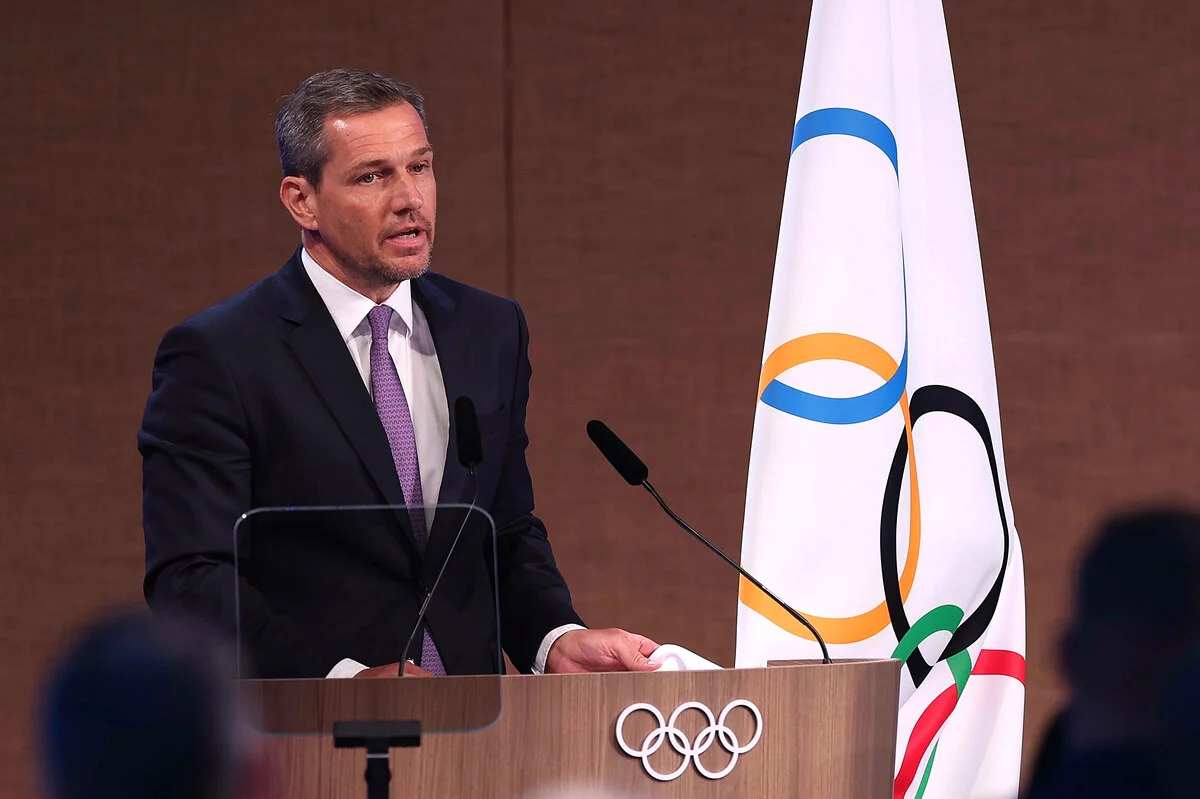
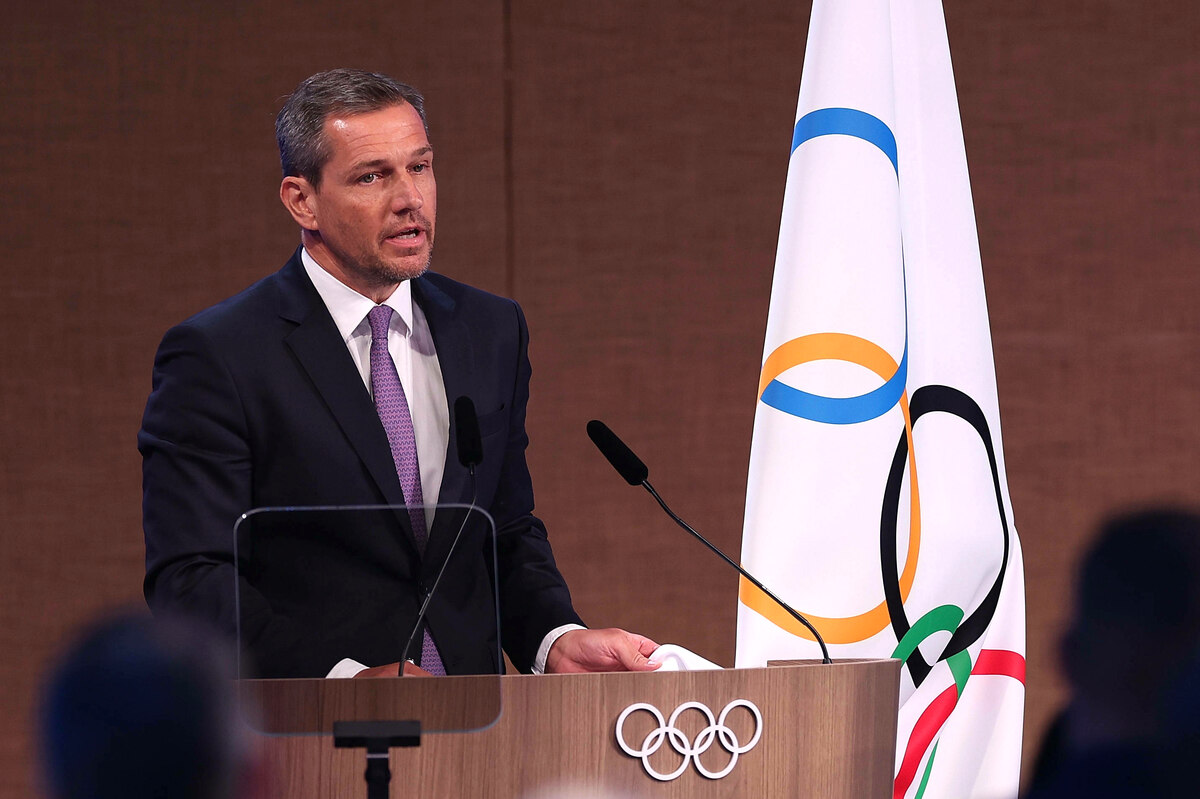
Among those with voting rights are "personal members," a designation that includes the German members of the International Olympic Committee (IOC), such as Thomas Bach and candidate Michael Mronz. This creates a feedback loop: the IOC selects its own members, and those members, in turn, hold significant sway over the governance of the national body. When Mronz and Engelhardt speak of "democracy," they are referring to a procedural formality within a boardroom, not a genuine reflection of the will of the 29 million.
A Chronology of Exclusion: From Post-War Reconstruction to Modern Oligarchy
The current crisis of legitimacy is not a new phenomenon; it is rooted in the complex, often dark history of German sports administration. Following the defeat of the Nazi regime in 1945, the Allied forces recognized that the German sports landscape had been thoroughly poisoned by National Socialism. Organizations had been used as tools of indoctrination, and their leadership was often deeply complicit in the regime’s atrocities.

The figures leading these organizations were not merely "unpolitical" administrators. In the cycling federation, Viktor Brack, who was executed in 1948 for his role in the Nazi "euthanasia" program, served as a leader. The Alpine Club was headed by Arthur Seyss-Inquart, a high-ranking Nazi official who was executed in 1946 for his crimes as the Reichskommissar for the occupied Netherlands.
When the federations began to reconstitute in the late 1940s, the Allied authorities pushed for a new, democratic pillar: the Landessportbünde (State Sports Federations). These were designed to provide a democratic counterbalance, drawing on the traditions of the workers’ sports movement that the Nazis had violently dismantled.
However, the resistance to this democratization was swift and effective. In 1949, the National Olympic Committee (NOK) was formed to bypass these democratic pressures. Its first president was Duke Adolf Friedrich of Mecklenburg, a former colonial governor in Togo. He was succeeded in 1951 by Karl Ritter von Halt, who had been the last Reichssportführer appointed by Adolf Hitler. The message was clear: the old guard of the "unpolitical" sports establishment had successfully regrouped. This historical legacy—a structural preference for top-down control over grassroots participation—remains the blueprint for the DOSB today.

Supporting Data: The Architecture of Disconnection
The current election cycle serves as a case study in how "democracy" is co-opted. Michael Mronz, following his admission into the IOC, has positioned himself as a fresh face, yet his path to power is paved with the same institutional support that has characterized the DOSB for decades.
The "personal member" status is the key tool of this institutional capture. By allowing individuals who are already entrenched in the international sports bureaucracy to cast deciding votes, the DOSB ensures that the leadership remains aligned with the interests of the IOC rather than the interests of German club athletes.
Furthermore, the lack of public interest in the election is not a symptom of apathy, but of alienation. When a candidate like Martin Engelhardt says, "This is part of a democracy," he is using the term in its most technical, hollow sense. If the members themselves have no path to challenge the status quo, and if the pool of candidates is filtered through committees rather than open contestation, then the term "democracy" is merely a thin veneer over a process of co-optation.

Official Responses: The Rhetoric of Legitimacy
The candidates themselves are acutely aware of the image problem. By constantly referencing "open and democratic decisions," they attempt to shield the organization from criticism. However, their arguments crumble under scrutiny.
When asked about the lack of true participation, the standard response from the DOSB establishment is that their structure is "complex" and that it requires specialized knowledge to govern. They argue that the sheer size of the organization necessitates a representative system. Yet, this "representative" system effectively disenfranchises the very people it claims to represent.
The IOC’s role in this is particularly opaque. Since the IOC selects its own members, and those members wield significant power within the national federation, there is no meaningful separation of powers. The "democracy" practiced in the DOSB is essentially a managed democracy, where the outcome is constrained by the existing power dynamics of international sports politics.

The Implications: Why the DOSB Matters
The implications of this crisis go far beyond the selection of a president. When a national organization of 29 million people fails to practice the democratic values it preaches, it loses its moral authority.
- Erosion of Civic Trust: Sports clubs are often the primary site of civic engagement in Germany. When the governing body is viewed as a closed shop, it discourages participation and fosters cynicism among the youth and volunteers who form the base of the pyramid.
- Accountability Gaps: Without genuine democratic pressure, there is little accountability for how funds are spent, how policies are set, and how the organization navigates issues such as human rights, environmental concerns, and the ethics of hosting mega-events like the Olympic Games.
- The "Unpolitical" Fallacy: The historical lesson of the post-war era is that there is no such thing as an "unpolitical" sports organization. Every decision to align with specific international bodies or to prioritize certain agendas is a political act. By pretending to be above the fray, the DOSB avoids the scrutiny required of a healthy, democratic institution.
As the DOSB moves toward its December election, the question remains whether it will continue to operate as a self-serving elite structure or whether it will finally embrace the democratic ideals it has spent decades paying lip service to. For the millions of members who make up the organization, the choice is not theirs to make. And until that changes, the DOSB will remain what it has been for much of its history: a powerful, wealthy, and deeply undemocratic institution that is fundamentally disconnected from the people it claims to represent.
The irony is striking. In the name of "the spirit of sport," the DOSB has institutionalized a system that is the antithesis of fair play. Until the voices of the 29 million are actually heard, the election of a new president will be nothing more than a change of command within an entrenched, exclusionary regime.