By Political Correspondent
The political landscape of Serbia is currently vibrating with a fervor that has not been witnessed in over a decade. As the country approaches critical parliamentary elections this coming Sunday, the "Student List"—a grassroots movement born from deep-seated civic frustration—has emerged as a formidable challenger to the entrenched political hegemony of Aleksandar Vučić.
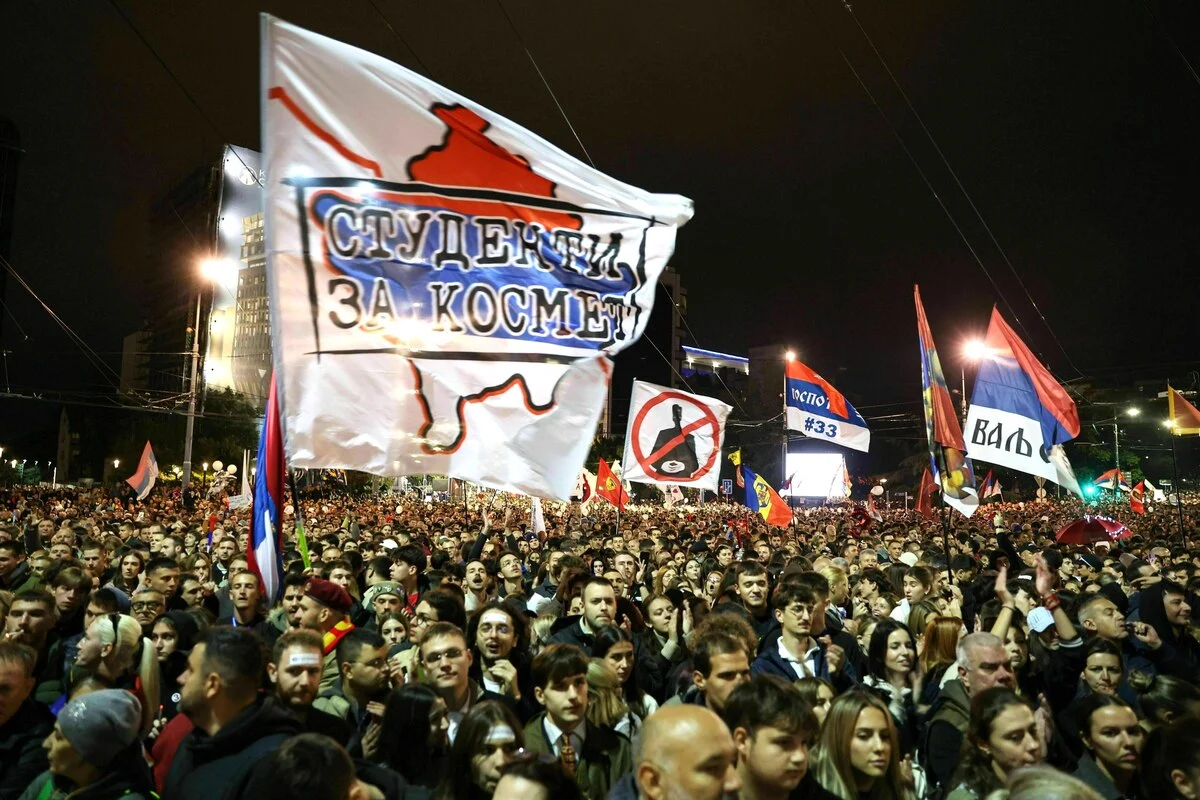
For the movement, the momentum is palpable. On Thursday, the streets of downtown Belgrade became a sea of banners and chants as over 150,000 citizens gathered in a massive show of force. The atmosphere was one of defiant optimism, a stark contrast to the climate of intimidation that has characterized the political environment under the Serbian Progressive Party (SNS). For the movement’s supporters, this was not merely a campaign rally; it was a declarative message to a government they describe as profoundly corrupt: the populace is no longer afraid, and they are prepared to defend the integrity of their votes.
The Roots of Dissent: A Generation Demands Accountability
The impetus for this surge of activism is rooted in a widespread sense of exhaustion. Anja, a 23-year-old political science student in Belgrade, encapsulates the sentiment of her peers. "Fourteen years of manipulation, electoral fraud, and systematic coercion," she asserts. "They have forced public sector employees to vote for the ruling parties, leveraged the livelihood of civil servants, and pressured our professors. The time for passivity has ended."
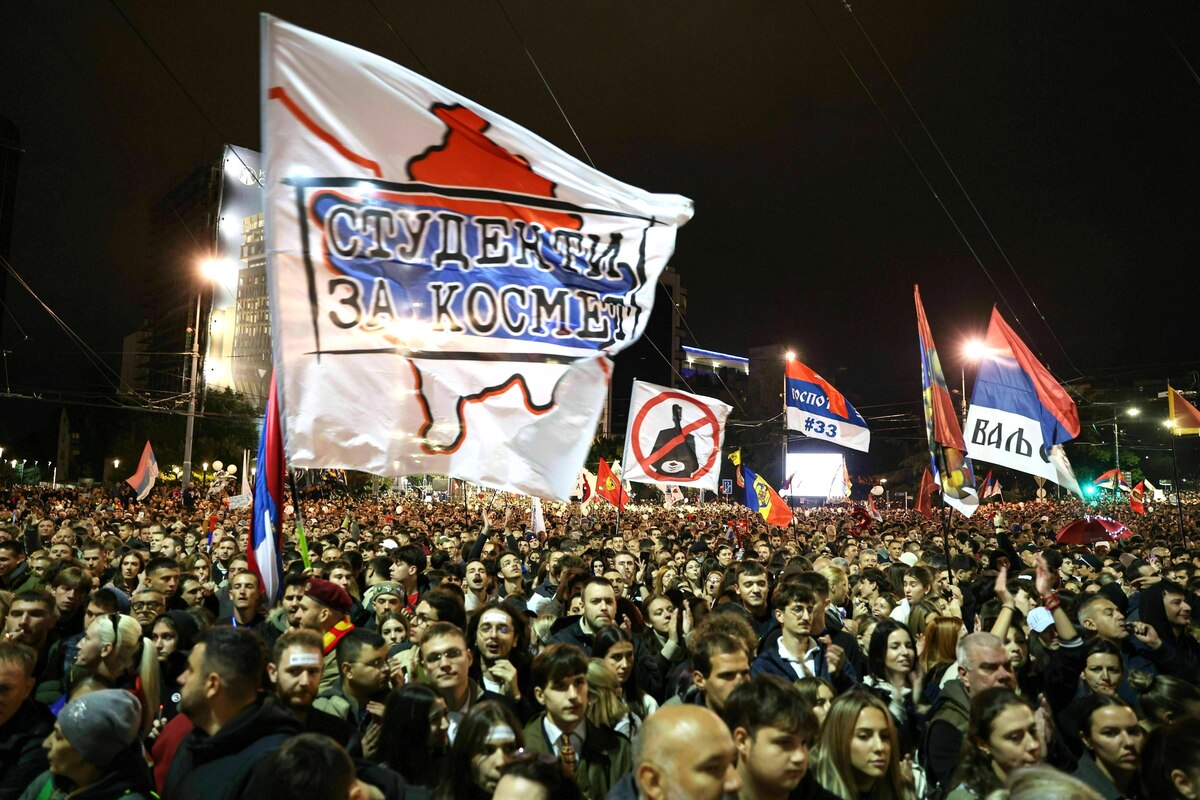
This sentiment is not isolated to the capital; it is echoing across the nation. The "Student List" has tapped into a collective nerve, mobilizing demographics that were previously sidelined by political apathy or fear of reprisal. Opinion polling, which historically favored the SNS and its leader, Aleksandar Vučić, now shows a seismic shift, with the student-led coalition currently polling ahead of the "United Serbia" list.
The political stakes were elevated significantly in late September, when Vučić resigned his post as President, a strategic maneuver designed to allow him to run for the office of Prime Minister. This pivot, aimed at maintaining a grip on executive power, has served to unify the opposition rather than fracture it.
Chronology of the Shift: From Fear to Mobilization
The trajectory of this movement is marked by a series of critical inflection points:
- Mid-2026: Following a series of public grievances and institutional failures, the student movement begins organizing regional councils across Serbia.
- September 2026: Aleksandar Vučić resigns the presidency to focus on the premiership, sparking accusations of maneuvering to bypass term limits and consolidate authority.
- October 2026: The movement gains momentum as private business owners, previously silent, begin to openly support the opposition.
- October 22, 2026: The massive rally in Belgrade demonstrates the breadth of the movement’s support, signaling that the "fear factor" has shifted from the public to the regime.
Perhaps the most significant development is the breakdown of the climate of fear. Historically, the SNS administration utilized the state’s fiscal and regulatory arms—such as financial and fire safety inspections—to punish businesses that dared to support opposition figures or advertise in independent media. Today, however, approximately 170 companies have openly aligned themselves with the students. This unprecedented level of commercial and civil support suggests that the state’s traditional mechanisms of control are failing.

Deeply Divided Society: The Two Serbias
The current state of Serbian society is best described as a chasm. The polarization is absolute; both the ruling coalition and the student-led opposition view a victory for the other side as an existential threat to the nation.
Teachers, medical professionals, and local government officials, who were once silenced by the threat of termination, are now actively participating in the movement. This institutional defiance is a new variable in the Serbian equation. However, this has not been met with passive observation by the state. There is a documented history of the regime utilizing "thug squads"—often composed of criminal elements—to intimidate protestors, election observers, and journalists.
The student movement, cognizant of these tactics, has organized sophisticated, localized "mobile teams." These units are designed to provide rapid responses to escalation, bolstered by a network of citizen councils that span the country. With legal experts and community leaders embedded within their ranks, the movement has also secured representation in all 8,210 polling stations, a logistical feat that significantly bolsters their ability to monitor for electoral fraud.
Official Responses and the Security Apparatus
As election day nears, the rhetoric from the ruling party has sharpened. Aleksandar Vučić has remained characteristically combative, traversing the country to bolster his base through state-aligned media channels. He has characterized the "Student List" not as a political opponent, but as a "terrorist organization" allegedly funded by foreign interests—specifically targeting Croatia—to destabilize the Serbian state.

However, the state’s security apparatus is showing signs of internal friction. In an unprecedented move, 170 retired and active-duty members of the police and security services issued an open letter to their colleagues. They urged law enforcement to remain committed to the Constitution and the rule of law rather than political mandates.
"No political interest, no order from superiors, and no pressure from the government can serve as an excuse to break the law," the signatories stated. Notably, the list includes the former police director, the former head of the BIA (the Serbian Security Intelligence Agency), and the retired commander of the elite SAJ anti-terror unit. This letter represents a significant blow to the regime’s narrative of total control over the security sector.
The Implications: A Tense Election Night
The fear of violence on election night remains the primary concern for international observers and local analysts alike. There is a palpable anxiety that if the ruling party perceives a loss, they may trigger unrest or attempt to nullify results before the polls close.
Internationally, the situation is being watched closely. The explicit support for Vučić from Russian President Vladimir Putin, offered just days before the vote, underscores the geopolitical dimensions of this domestic struggle. While the SNS relies on its rigid, hierarchical structure—boasting approximately 700,000 members—the sheer unpredictability of the student movement has forced the ruling party into a defensive posture.

Whether the "Student List" can successfully translate its massive public turnout into a governing mandate remains to be seen. What is clear, however, is that the social contract in Serbia has been fundamentally rewritten. The citizenry has transitioned from being subjects of a regime to active participants in their own political destiny.
As Serbia stands on the precipice of Sunday’s vote, the question is no longer just about who will occupy the Prime Minister’s office. It is about the resilience of democratic institutions in the face of long-term consolidation and the ability of a new generation to dismantle a system of fear. If the students succeed, it will not only be a victory for their specific platform, but a watershed moment for the democratic aspirations of the Western Balkans. If they falter, the path forward for the country’s civic development remains dangerously uncertain.
Regardless of the outcome, the events of this week have ensured that the political landscape of Serbia will never return to the status quo that existed before the rise of the "Student List." The genie of political engagement is out of the bottle, and the implications for the region will be felt for years to come.