The football world remains in a state of solemn concern as FC Bayern Munich confirms that head coach Vincent Kompany will be sidelined for several weeks following a medical emergency on the club’s training grounds. As the Bavarian giants navigate this precarious period, the focus has shifted entirely from tactical preparations to the long-term health and recovery of their charismatic leader.
The Situation: A Stable but Extended Recovery
FC Bayern Munich’s sporting director, Max Eberl, provided a measured update on the condition of head coach Vincent Kompany, following the frightening incident that occurred at the club’s Säbener Straße facility. While the news is positive regarding the coach’s stability, the timeline for his return to the dugout has been officially pushed back by several weeks, signaling a significant period of transition for the German record champions.
Kompany, 40, was rushed to the hospital yesterday after collapsing during training. While he is currently in stable condition, medical staff have advised that he remains under professional observation for at least several more days to ensure a thorough assessment of his health.
"We spoke with him last night, as well as with his wife," Max Eberl shared during a press briefing ahead of the upcoming Bundesliga clash against SC Freiburg. "It was an incredibly difficult moment for all of us. When something like this happens, the professional side of football immediately loses its significance. The only thing that matters right now is Vincent’s health."
A Chronology of Declining Health
The collapse did not occur in a vacuum. In retrospect, the weeks leading up to the incident were marked by several warning signs that the intensity of the job—combined with physical ailments—was taking a toll on the Belgian manager.
The Warning Signs
- Persistent Physical Struggles: In the weeks preceding the collapse, Kompany had been visibly battling a series of health hurdles, including a persistent virus and nagging hip issues.
- The Leipzig Match: During the recent 6:1 victory over RB Leipzig, fans and pundits alike noted that Kompany spent the vast majority of the match seated, a departure from his usual high-energy presence on the touchline.
- Training and Press Room Absences: Following the Leipzig match, the strain became more apparent. Kompany was forced to miss multiple training sessions and was notably absent from a scheduled pre-match press conference, raising concerns among the club’s hierarchy and the media.
- The Return to Action: After a brief two-day rest period, Kompany signaled his desire to return to work. Driven by his characteristic work ethic, he returned to the training ground and even managed the high-stakes Champions League fixture against Arsenal. The collapse occurred shortly after this return, serving as a stark reminder that physical resilience has its limits.
Eberl addressed the criticism regarding whether the club should have intervened earlier. "He has his own voice and the right to make decisions about his body," Eberl explained. "We cannot forbid a coach from working if he feels fit enough. However, it is clear now that when the quiet warnings of the body are ignored, the body eventually screams. We have to accept that we reached that point."
Official Stance: Prioritizing Recovery Over Results
The board of FC Bayern has taken a unified stance: there will be no rush, no artificial deadlines, and no pressure on Kompany to return before he is fully recovered.
The "No-Timeline" Policy
Max Eberl was categorical in his assessment of the road ahead. "We are not talking about days; we are talking about weeks. That is clear to all of us," he stated. The club has committed to giving the coach all the time he needs to recover fully, without the stress of managing a professional football team.
The decision is rooted in a culture of care that has been emphasized by the club leadership. By refusing to set a specific return date, Bayern aims to alleviate any mental burden the coach might feel, allowing him to focus solely on his rehabilitation.
Implications: A Team Managed "In the Spirit of Vinnie"
With the head coach sidelined, the responsibility for maintaining the team’s momentum falls squarely on the shoulders of the existing coaching staff.
Continuity in the Coaching Staff
The primary leadership role will be assumed by the trusted assistant coaching team, led by Aaron Danks. Danks is no stranger to the pressure of the Bayern dugout; he previously stepped into the role during the Champions League semi-final against Paris Saint-Germain when Kompany was serving a suspension.
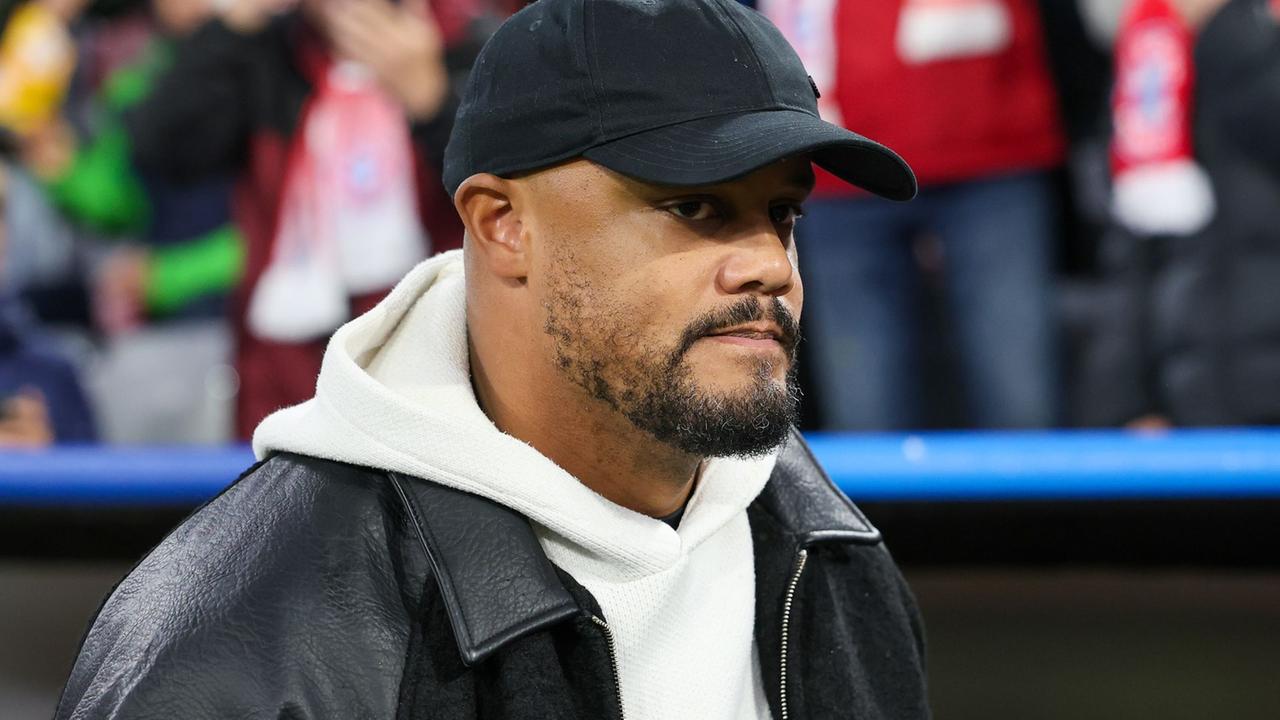
Eberl was quick to praise the infrastructure of the coaching department. "We have a fantastic team, with Vinnie as the figurehead, but our success is built on the collective efforts of the entire staff. There is no thought of changing the structure or bringing in outside help. The players know the system, they know the philosophy, and we expect them to perform in the spirit of Vinnie."
The team’s directive is clear: maintain the tactical identity that Kompany has instilled while ensuring the atmosphere remains focused and professional. The players are expected to draw motivation from their coach’s resilience as they navigate a dense fixture list.
Supporting Data and Context: The Demands of Modern Coaching
The incident involving Kompany serves as a poignant case study for the extreme physical and mental demands placed on elite football managers. Modern coaching has evolved into a 24/7 endeavor, involving high-stress tactical analysis, media scrutiny, and the management of high-profile dressing rooms.
The Cumulative Toll
Medical experts often point to the "accumulation effect," where minor illnesses, if not given proper recovery time, can lead to more serious physiological breakdowns. In Kompany’s case, the combination of a viral infection—which can weaken the immune system—and the physical discomfort of hip issues likely created a perfect storm.
Industry Reflection
The incident has triggered a wider conversation within the Bundesliga and across Europe about the mental and physical health of coaching staffs. While players are subject to rigorous fitness monitoring and recovery protocols, the coaching staff often operates without the same level of medical oversight, frequently working through illness to maintain consistency.
Max Eberl’s comments reflect a shift in this mindset: "Football is not the most important thing in life. The most important thing is health." This philosophy is expected to guide the club’s internal policies moving forward, perhaps setting a precedent for how other clubs manage the health of their personnel.
The Path Forward
As FC Bayern prepares for their upcoming matches, the city of Munich—and the footballing world at large—awaits further updates with a sense of hopeful patience. The focus for the immediate future is on:
- Diagnostic Clarity: While initial tests have provided some insight, the club is awaiting the results of more comprehensive medical evaluations to determine the exact cause of the collapse and the necessary steps for long-term health management.
- Maintaining Tactical Stability: The players have expressed their commitment to the staff, with team leaders reportedly stepping up to ensure the squad remains cohesive during this difficult transition.
- Support Systems: The club has assured the public that they are providing all necessary resources, both medical and personal, to support Kompany and his family during this recovery phase.
A Message of Solidarity
The response from the broader football community has been one of solidarity. Messages of support have poured in from rival clubs, former colleagues, and fans across the globe. This collective well-wishing underscores the respect Kompany has earned throughout his career, both as a legendary player and an emerging tactical mind.
While the fans may miss the sight of their coach on the sidelines, the overwhelming consensus is that the wait for his return is entirely secondary to his long-term well-being. For the next few weeks, the focus at Säbener Straße will be quiet, measured, and above all, focused on the human being behind the tactical board.
The club has promised to provide further updates only when there is significant news to share, prioritizing the privacy of the coach and his family as they navigate the recovery process. For now, the "Spirit of Vinnie" will lead the way, as the players look to translate their concern into focus on the pitch, ensuring that when the time finally comes for his return, he finds a team that has honored his vision and his values.