By Sports Desk Analysis
October 23, 2026
In a decisive move aimed at revitalizing German ice sports on the global stage, the Federal Chancellery and the German Olympic Sports Confederation (DOSB) have officially confirmed the long-term status of Germany’s premier ice skating training hubs. Berlin, Dortmund, and Oberstdorf will remain the designated federal bases for the German Skating Union (DEU) as the nation intensifies its preparations for the 2030 Winter Olympic Games in France.
This landmark decision, communicated by the Federal Office of Administration, ensures that these three pillars of German figure skating will retain their operational funding and institutional support through at least December 31, 2030. For athletes, coaches, and federation officials, the announcement provides a much-needed sense of stability as they embark on the next critical four-year Olympic cycle.
The Core Pillars: Mapping the Landscape
The federal base structure is not merely a logistical arrangement; it is the engine room of German elite sports. By maintaining the status of these three cities, the DEU has solidified a roadmap that distributes talent and resources across specialized disciplines.
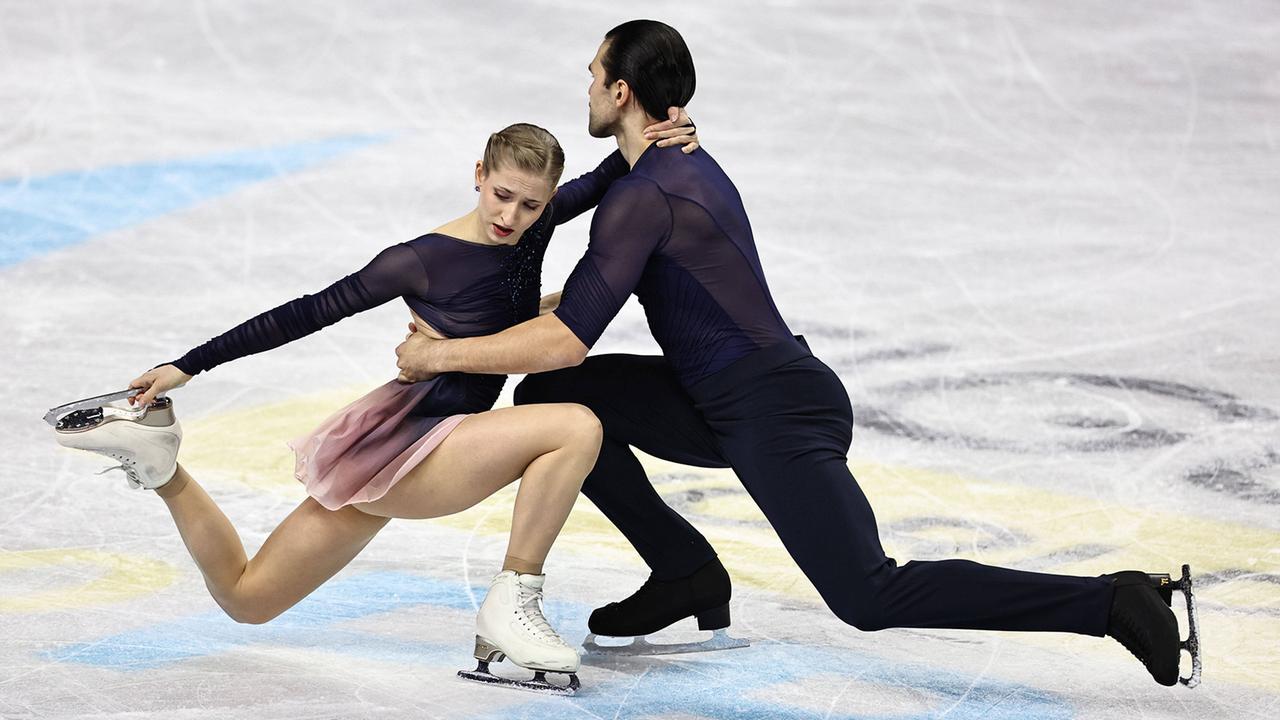
- Berlin: A multidisciplinary powerhouse, Berlin continues to serve as the heartbeat of pair skating, hosting elite duos such as the world-class pair of Minerva Hase and Nikita Volodin, as well as the accomplished team of Annika Hocke and Robert Kunkel. Beyond pair skating, the capital hosts programs for singles and ice dance.
- Dortmund: Serving as a vital hub for singles skating and ice dance, Dortmund provides the necessary infrastructure to develop domestic talent under the watchful eye of federal trainers.
- Oberstdorf: Long considered a traditional bastion of German figure skating, Oberstdorf remains a primary site for both singles and pair skating, ensuring that the geographic spread of the sport remains balanced.
While these locations have secured their status for now, the path forward is not without conditions. The Federal Ministry of the Interior (BMI) has clarified that the continued recognition of these centers remains subject to future evaluations by the newly established "Spitzensport-Agentur" (Elite Sports Agency). As a cornerstone of the German government’s ongoing structural reform of elite sports, this independent foundation will assume control over central funding and strategic direction, marking a new era of centralized oversight intended to improve transparency and efficiency in taxpayer-funded athletics.
A Strategic Pivot: Focus on Infrastructure and Talent
For Jens ter Laak, the Sport Director of the DEU, the confirmation of the federal bases is a "vital prerequisite" for success. In a statement released following the announcement, ter Laak emphasized that the focus is shifting from simple maintenance to aggressive development.
"We welcome the endorsement of our three federal bases, which are of central importance for the development of our sport in the new Olympic cycle," ter Laak noted. "Our focus in the coming years will be on the modernization and expansion of sports infrastructure, as well as the qualitative and quantitative improvement of training standards."
This mission involves a three-pronged approach:
- Professionalization of Coaching Teams: Recruiting and retaining world-class technical staff capable of elevating German skaters to podium contention.
- Training Group Synergy: Creating high-performance clusters where athletes can challenge one another daily, fostering a competitive atmosphere similar to the structures found in rival nations like Japan or the United States.
- Dual-Career Integration: Addressing the perennial challenge of the student-athlete by improving the synergy between academic institutions and high-performance training centers, ensuring that the pressure of the ice does not derail educational prospects.
Furthermore, the DEU has outlined plans to establish localized "Talent Centers." These regional nodes are intended to act as a feeder system, identifying young skaters earlier and preparing them for the rigorous demands of the federal bases. This "bottom-up" approach is expected to provide a sustainable pipeline of talent, ensuring that the success currently enjoyed by pairs like Hase and Volodin is not a fleeting anomaly but a consistent standard.
The "Synchro9" Revolution: Berlin’s New Frontier
Perhaps the most intriguing development accompanying the announcement is the designation of Berlin as the official home for the nascent Olympic discipline, "Synchro9."
Synchronized skating has long been a popular team sport, but its adaptation into an elite, K.O.-style competition—referred to as Synchro9—is set to change the competitive landscape of the Winter Olympics. The discipline is slated for its major debut at the 2028 Winter Youth Olympic Games in Italy, serving as a precursor to its full inclusion in the 2030 Winter Games.
By housing the Synchro9 program in Berlin, the DEU is positioning the city as the primary incubator for this fast-paced, high-energy format. This move aligns with the broader Olympic movement’s desire to include team-based, high-intensity events that appeal to younger demographics and television audiences. For Berlin, it represents an opportunity to lead a new discipline from its infancy, potentially securing Germany’s place as a dominant force in this innovative category.
Implications for the 2030 Cycle
The implications of this decision extend far beyond the skating rink. In the context of the 2030 Olympic cycle, the stability provided by the federal base confirmation allows the DEU to engage in long-term performance planning.
The Competitive Context
Germany faces stiff international competition. The rise of new training methodologies and the heavy state investment in countries like Canada, South Korea, and the United States have raised the bar for technical proficiency. By consolidating resources in Berlin, Dortmund, and Oberstdorf, the DEU is attempting to mirror these successful international models.
Financial and Administrative Oversight
The role of the new Spitzensport-Agentur cannot be understated. As the German government pivots toward a more data-driven, performance-oriented funding model, the skating bases will be under constant scrutiny. Every investment in infrastructure—from ice surface quality to specialized off-ice training facilities—must now demonstrate a tangible return in terms of performance metrics and podium potential.
The Human Element: Athletes and Coaches
For skaters like Minerva Hase and Nikita Volodin, the certainty regarding their training environment in Berlin is a massive psychological boost. Elite skating requires a seamless integration of coaching, medical support, and ice time; any disruption to this ecosystem can be catastrophic to an athlete’s development. By securing the status of these bases for the next four years, the government has provided the athletes with the stability required to focus entirely on their craft.
Looking Toward the Future
As the 2030 Winter Olympics in France loom on the horizon, the German Eislauf-Union finds itself at a critical juncture. The retention of its federal bases provides the platform, but the responsibility for results now rests on the federation’s ability to execute its modernization plans.
The integration of Synchro9, the focus on talent development centers, and the shift toward professionalized training environments represent a comprehensive attempt to modernize German ice sports. If these initiatives succeed, the 2030 Games could mark a turning point for German skating—a return to consistent international prominence and a validation of the current federal funding structure.
However, the challenge remains significant. With the global landscape of figure skating evolving rapidly, the DEU must remain agile, data-driven, and relentlessly focused on the technical requirements of the sport. The clock is ticking toward 2030, and for the athletes training in Berlin, Dortmund, and Oberstdorf, the hard work of turning this administrative success into Olympic gold has only just begun.
The commitment of the state is clear: the resources are in place, the strategy is defined, and the path to France is now firmly under the feet of Germany’s finest ice athletes. Whether this translates into a historic performance in 2030 will be the ultimate test of the new, reformed German sports system.