By Investigative Desk
August 20, 2026
The world of professional ballet is often associated with ethereal beauty, discipline, and artistic transcendence. However, behind the velvet curtains of Germany’s state theaters, a darker reality is festering. Recent investigations into the Saarländisches Staatstheater have exposed a toxic environment characterized by systemic power imbalances, alleged sexual misconduct, and a precarious labor structure that leaves dancers—the most vulnerable artists in the performing arts—silenced by the fear of career termination.
The Structural Trap: A Culture of Precarity
At the heart of the crisis lies the Normalvertrag Bühne (NV Bühne), the standard labor contract governing artistic staff in German theaters. For dancers, this system is a double-edged sword that often cuts deep. Unlike most professional sectors, dancers are subject to "chain-fixed-term contracts," where they can be released at the end of every season for up to 19 years without cause.
Under the NV Bühne, an Intendant (General Manager/Artistic Director) holds near-absolute authority. They can issue a "non-renewal" notice citing "artistic reasons." These reasons are not subject to legal oversight, nor must they be substantiated. For a dancer, whose professional shelf-life is typically limited to the window between 18 and 35 years of age, this creates a state of perpetual anxiety. With fewer than 25% of conservatory-trained dancers securing stable positions in state ensembles, the competition is brutal, and the fear of being branded "difficult" is enough to keep most artists silent in the face of exploitation.
"Dancers are the least protected group in the theater hierarchy," explains Professor Thomas Schmidt, Director of the Theater and Orchestermanagement program in Frankfurt. "The power of the Intendant is at its most effective and destructive here. It creates a ‘culture of silence’ where professional survival is prioritized over personal safety."
Chronology of a Scandal: The Saarbrücken Case
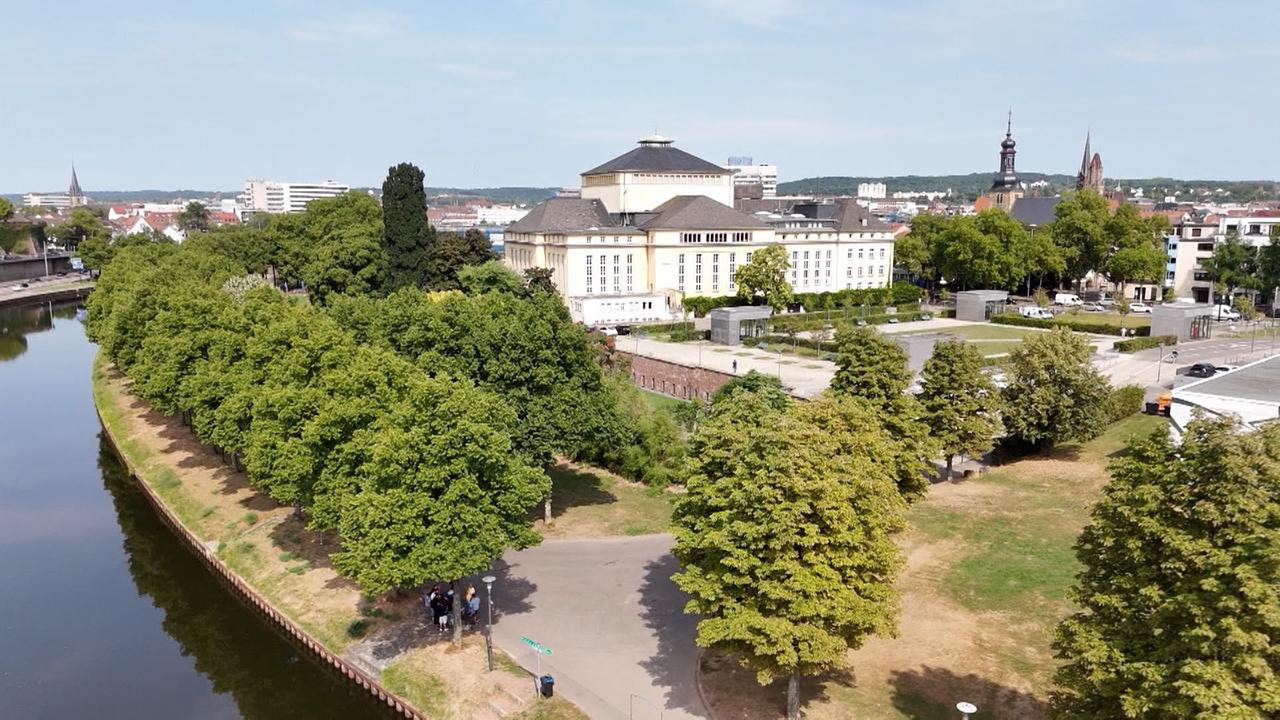
The fragility of this structure became painfully apparent in February 2023 at the Saarländisches Staatstheater. The ensemble was preparing for a production of Gluck’s Orfeo ed Euridice, directed by renowned guest choreographer Abou Lagraa.
The Unraveling
Shortly before the premiere, the theater abruptly canceled the production. The official statement cited "insurmountable differences" between Lagraa and the theater management. However, internal documents and interviews with ensemble members paint a vastly different picture.
According to reports obtained by the Saarländischer Rundfunk (SR), the cancellation was a desperate attempt to contain a brewing scandal. Nearly 20 documented incidents of alleged sexual misconduct by the guest choreographer were reported to the theater’s women’s representative and the then-Intendant, Bodo Busse. Dancers described unwanted touching of their chests and buttocks, purportedly for "demonstrating movement," alongside a barrage of sexualized comments about their bodies and vulgar jokes.
The Management Response
The response from the top was reportedly dismissive. Dancers claim that during their first meeting with Bodo Busse, he failed to take their accounts seriously and, according to witnesses, reacted with hostility. Through his legal counsel, Busse has disputed this characterization, claiming he viewed the situation as "emotionally challenging."
Following the intervention of the stage union (GDBA), which demanded the cancellation of the production, dancers allege they were pressured by management to remain silent. Busse reportedly instructed them not to discuss the reasons behind the cancellation with colleagues or the public.
When questioned, Busse’s legal representative stated that the theater had to balance the protection of the victims with the personal rights of the accused choreographer. They maintained that the theater took decisive action by firing Lagraa, issuing a trespassing ban, and withholding a portion of his fee.
The Cost of Speaking Out: Legal and Professional Barriers
One of the most disturbing aspects of the Saarbrücken incident is the lack of criminal prosecution. Despite the severity of the allegations, none of the dancers filed a formal criminal complaint.
"For a criminal complaint, I would have had to abandon my anonymity," says former soloist Gabrielle Salvatto. "Issues of sexual abuse in the dance world remain largely unpunished. We wanted legal consequences, but the structural power dynamic makes the victim feel like they are the ones who will suffer the professional repercussions."
This hesitation is well-founded. In an industry where one’s reputation is a currency and the Intendant acts as the gatekeeper to future employment, speaking out is often equated to professional suicide. Professor Schmidt notes that when a single dancer is let go for being "troublesome" or "difficult," the rest of the ensemble internalizes the threat. This creates a feedback loop of fear, where the collective voice is systematically suppressed.
Financial Exploitation: The "Soloist" Ruse
The precarity of the dancers is further compounded by financial maneuvering. At the Saarländisches Staatstheater, as in many other houses, dancers are frequently hired under "soloist" contracts, even when their work is exclusively ensemble-based.
In the German theater wage system, group members are entitled to specific salary tiers and automatic increases based on seniority, linked to the size of the orchestra. By classifying dancers as "soloists," theaters can bypass these requirements, often paying them significantly less—sometimes starting at just over 3,000 euros per month—with no path for automatic salary growth.
Management often defends this as the "status quo" of the contemporary dance landscape, claiming that the lines between solo and group work are "fluid." However, unions argue that this is a deliberate cost-cutting measure that exploits the lack of bargaining power among young dancers. The Deutscher Bühnenverein (German Stage Association) has publicly defended these practices, stating that entry-level soloist wages are "appropriate" and that they see no need for a systemic correction.
Implications: A Call for Structural Reform
The situation at the Saarländisches Staatstheater is not an isolated anomaly; it is a symptom of an antiquated model of theater management that prioritizes the unchecked authority of the Intendant over the rights and well-being of the artists.
Recommendations for Change
To move toward a safer and more equitable future, experts like Professor Schmidt propose several fundamental shifts:
- Reform the NV Bühne: The "artistic reasons" clause for non-renewal must be stripped or strictly defined to prevent it from being used as a tool for retaliation against whistleblowers or those who report misconduct.
- Collective Leadership Models: The "Intendant model," which vests supreme power in a single individual, is increasingly viewed as obsolete. Moving toward a collegiate, multi-person leadership structure would provide better checks and balances.
- Independent Oversight: Theaters should implement mandatory, independent ombudsperson offices that report directly to the supervisory board or state cultural ministries, bypassing the local theater administration.
- Standardized Labor Classifications: Transparent, industry-wide standards for dance contracts must be established to prevent the misuse of "soloist" labels as a method to depress wages.
Conclusion
The silence that has surrounded the dance world for decades is slowly being broken, but the structural barriers remain formidable. As long as the Normalvertrag Bühne allows for the arbitrary termination of artists, the environment will remain ripe for abuse.
The dancers of Saarbrücken have shown immense courage in bringing these issues to light, but they cannot carry the burden of reform alone. Without a radical restructuring of how German state theaters are governed and how their artists are protected, the "fear of the season’s end" will continue to stifle the very creativity these institutions are meant to foster. True artistic excellence, as these events suggest, cannot thrive in an environment of intimidation. It is time for the German cultural sector to decide whether it wishes to remain a relic of autocratic management or evolve into a modern, safe, and transparent home for the arts.