By Cultural Editorial Desk
Updated: October 23, 2026
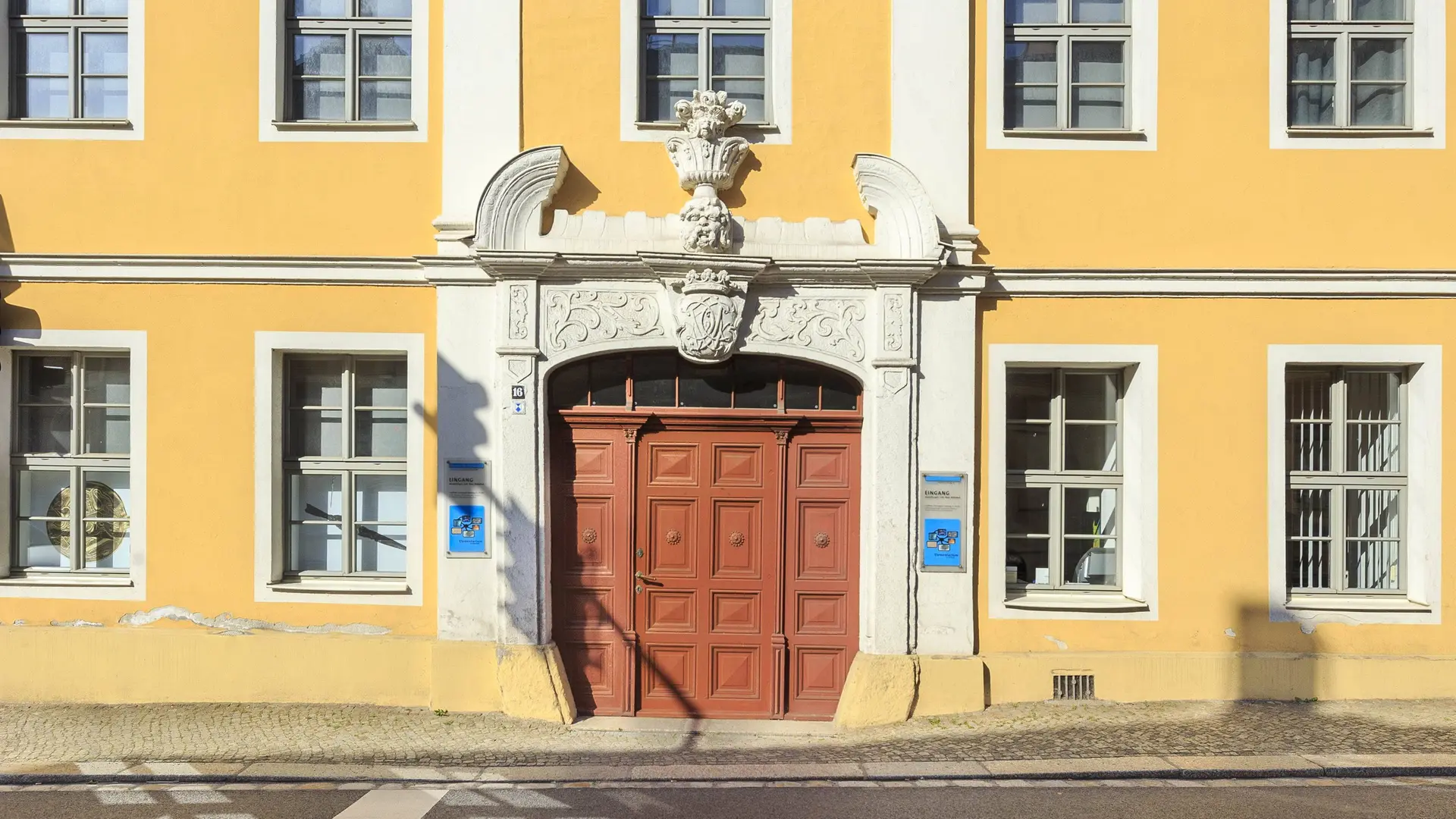
The cultural landscape of the Bautzen district is currently facing a profound existential crisis. The Museum of West Lusatia (Museum der Westlausitz) in Kamenz, a prestigious institution celebrated for its academic rigor and contributions to regional education, finds itself in the crosshairs of a drastic administrative shift. The district authorities have signaled their intent to relinquish sponsorship of the museum by 2027, a decision that has triggered a wave of indignation from heritage experts, the regional government, and the Sächsischer Museumsbund (Saxon Museum Association).
The Core Conflict: A Threat to Cultural Infrastructure
The Sächsischer Museumsbund has issued a stinging rebuke of the Bautzen district’s plans. In an open letter, the organization warned that the district is effectively gambling with the future of a highly decorated and essential educational institution. Fanny Stoye, a board member of the Saxon Museum Association, which represents over 200 cultural institutions across the Free State, did not mince words when speaking to MDR KULTUR.
"The district has essentially put a gun to the museum’s head," Stoye stated. According to the association, the administration provided the museum with no opportunity for meaningful dialogue or a collaborative search for alternative solutions. "We demand an immediate halt to this approach," she added. "One cannot simply divest from a museum without thoroughly weighing all other possible avenues and resources. This is a vital component of the high quality of life for all residents of the district, and it is incomprehensible that it is being put at such risk."

A Chronology of the Impending Exit
The situation began to escalate when the district of Bautzen, citing severe budgetary constraints, announced its intention to offload the financial burden of the Museum of West Lusatia. The announcement came with surprising speed, catching local stakeholders off guard.
- Initial Signals: Rumors of fiscal consolidation within the district began to circulate earlier this year as regional budgets tightened.
- The Announcement: The formal notification of the district’s intent to cease sponsorship by 2027 sent shockwaves through the local community and the state’s cultural preservation circles.
- The Backlash: Within days, the Förderverein (Friends of the Museum) and the Mayor of Kamenz mobilized, labeling the move as a "fatal signal" for regional culture.
- The Impasse: As of late October 2026, the district maintains that the decision is a necessary outcome of broader financial deficits, while the museum’s supporters insist that the burden must remain with the district as the primary administrative authority.
Supporting Data: Why the Museum Matters
The Museum of West Lusatia is far from a standard local repository. It has been a recipient of the Saxon Museum Prize and is a key player in significant scientific research and cross-institutional collaboration.

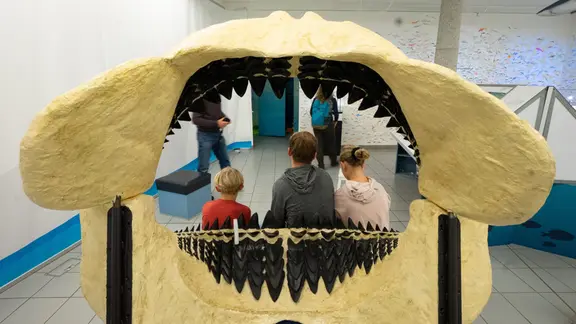
The institution bridges the gap between local history and broader scientific inquiry. Its collections include not only artifacts of urban and regional heritage but also significant prehistoric findings. Furthermore, the museum has become a hub for modern education, utilizing interactive media and forward-thinking exhibition concepts to engage younger generations.
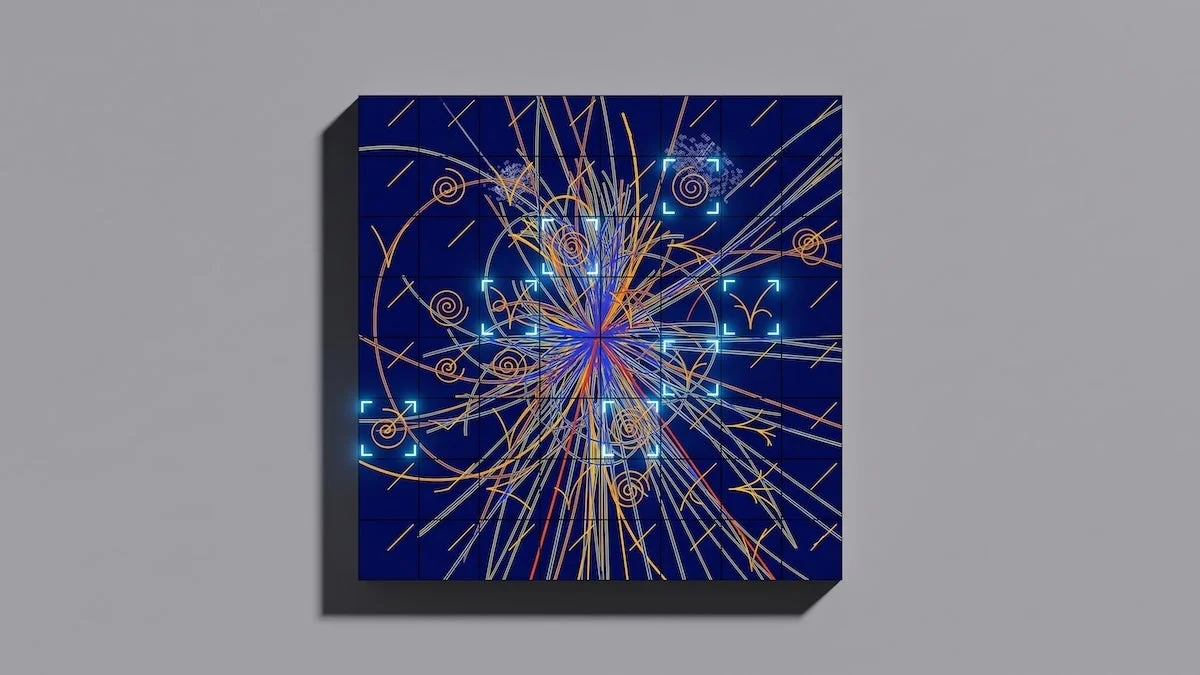
The museum’s relevance is currently highlighted by the special exhibition "Granitmassiv – die Lausitz hört das All" (Granite Massif – Lusatia Listens to the Universe). This exhibition is a direct collaboration with the German Center for Astrophysics (DZA), established in 2025. This partnership demonstrates that the museum is not merely a static monument to the past but an active, evolving participant in the future of the region’s scientific identity.

Official Responses and Political Stances
The local political leadership in Kamenz has been vocal in its opposition to the district’s plan. Mayor Michael Preuß (independent) has publicly committed to maintaining the city’s financial support of 220,000 euros annually. Furthermore, the city has proactively acquired two adjacent properties, signaling a long-term commitment to expanding the museum’s footprint.
"I have great understanding that we are living in financially challenging times," Preuß noted in an interview. "However, if the only solution you can find is to save money at the expense of culture, it is a fatal sign." The Mayor expressed deep skepticism regarding the district’s ability to execute its exit strategy by 2027, pointing to the lack of a sustainable transition plan for the museum’s future management.
The Saxon Museum Association echoed this sentiment, arguing that the responsibility for the museum’s survival rests squarely with the district. "We cannot accept that such fiscal decisions at the expense of museums set a precedent for the future," the association stated in their official communication.
The Scientific Dimension: The "Low Seismic Lab"
The exhibition "Granitmassiv" serves as a microcosm for the museum’s potential. The DZA is currently developing a large-scale research center in the region designed to analyze gravitational waves from space. This research requires an incredibly quiet, stable environment—a condition perfectly met by the ancient granite massif underlying the Lusatian landscape.

At a depth of 200 meters, researchers plan to construct a "Low Seismic Lab." The museum is acting as the public face and educational bridge for this high-stakes project. Co-curator Jana Bingemer of the DZA emphasizes that the museum plays a crucial role in regional development: "It is about showing young people in Lusatia that they have a future here. They don’t have to leave the region to be part of world-class science; they can help shape the region’s self-image right here."
Broader Implications for Regional Culture
The struggle in Kamenz is emblematic of a wider tension in Germany between the constitutional mandate to preserve culture and the harsh reality of municipal insolvency.
1. The Precedent of Disinvestment
If the district of Bautzen succeeds in offloading the Museum of West Lusatia, it could trigger a "domino effect" across Saxony. Smaller districts, facing similar financial pressures, may look to the Bautzen model as a blueprint for cutting costs, potentially leading to the erosion of cultural institutions that form the backbone of regional identity.
2. The Role of the Museum in Modern Society
The argument against the district’s plan is rooted in the belief that museums are not "luxury goods" but essential public infrastructure. By fostering research partnerships (like that with the DZA) and providing educational opportunities, the Museum of West Lusatia contributes to the "soft factors" of the economy—making the region more attractive for investment and retaining young talent.

3. The Need for New Funding Models
The conflict has sparked a debate over how to fund state-supported institutions. Critics of the district’s move suggest that instead of abandoning the museum, the regional government should have sought a multi-layered funding approach, involving state grants, private partnerships, and local contributions, rather than a total abdication of responsibility.
Looking Ahead: The November Deadline
As the calendar turns toward November, the focus shifts to the upcoming deliberations in Kamenz. The city, the museum’s supporters, and the Saxon Museum Association are preparing to present a unified front. The objective is clear: to force the district to reverse its decision and enter into a collaborative process to secure the institution’s funding for the next decade.
The outcome of this standoff will have lasting consequences. For the town of Kamenz, the museum is more than a building; it is a symbol of civic pride and scientific ambition. For the district of Bautzen, the coming months will test their commitment to the region’s cultural future.
As Fanny Stoye summarized, "The museum is a building block for the security of a high quality of life for all residents of the district. To dismantle this block is to weaken the entire foundation of the region."

The stakeholders await the final decision, which will either signal the preservation of a cultural beacon or the beginning of a decline in regional institutional support that could haunt Lusatia for years to come.