Jerusalem, October 23, 2026 – In a dramatic escalation of security measures, the Israeli government has instructed its military to prepare for a comprehensive blockade of the entire West Bank. The directive, issued by Prime Minister Benjamin Netanyahu, follows a deadly shooting attack near the city of Hebron that left several Israelis wounded, some critically, and resulted in the deaths of two alleged Palestinian assailants. The move comes just days before a crucial parliamentary election in Israel, highlighting the volatile intersection of security and domestic politics in the region.
The announcement signals a significant tightening of restrictions on Palestinian movement and access, a measure often implemented during periods of heightened conflict and widely condemned by international bodies as a form of collective punishment. The immediate focus of the blockade will be the volatile city of Hebron, a flashpoint of Israeli-Palestinian tensions, with preparations underway to extend the lockdown across the entire territory.
Main Facts: A Swift and Decisive Response
The decision for a sweeping blockade was made following an urgent security consultation convened by Prime Minister Netanyahu. Participants included Defense Minister Israel Katz and Chief of Staff Eyal Zamir, underscoring the gravity with which the Israeli leadership views the recent attack and the broader security landscape.
The catalyst for these drastic measures was a morning shooting incident near Hebron. According to Israeli reports, two alleged Palestinian attackers opened fire on a group of Israelis, injuring several, with some victims sustaining life-threatening wounds. Israeli security forces swiftly responded to the scene, neutralizing the two suspected perpetrators. Prime Minister Netanyahu’s office later stated that the forces had successfully thwarted a "serious attack," averting what could have been a far more devastating outcome.
In the immediate aftermath, Netanyahu vowed a resolute response, declaring that Israeli forces would pursue "Hamas terrorists and their masterminds everywhere and anytime." While the identities and affiliations of the deceased assailants were not immediately confirmed, the Prime Minister’s rhetoric directly linked the incident to the militant group, a common practice in such circumstances. The security forces have already initiated "extensive arrest waves" across the region, aiming to apprehend individuals suspected of involvement or affiliation with militant activities.
The timing of this significant security escalation, so close to national elections, is particularly noteworthy. Security issues frequently dominate Israeli political discourse, and a robust response to perceived threats often resonates strongly with the electorate. Netanyahu’s decisive action positions him as a strong leader committed to national security, a narrative that could prove influential in the upcoming polls.
Chronology of Events: From Attack to Announced Blockade
The sequence of events leading to the unprecedented West Bank blockade unfolded rapidly on Thursday, October 23, 2026, demonstrating the swift Israeli response mechanism to perceived security threats.
Early Morning (Approx. 08:00 – 09:00 local time): The Attack Near Hebron
The day began with reports of a shooting incident on a road near Hebron, a city in the southern West Bank. Initial details indicated that a vehicle carrying Israeli civilians came under fire. Several individuals were wounded, some critically, prompting an immediate and large-scale response from Israeli security forces, including military and police units. Medics were dispatched to treat the injured, who were subsequently evacuated to Israeli hospitals. Simultaneously, security forces engaged the alleged perpetrators, ultimately neutralizing two individuals at the scene. The precise details of the engagement remain under investigation, but Israeli officials confirmed that the swift action prevented further casualties.
Late Morning (Approx. 09:00 – 10:00 local time): Emergency Security Consultation
Following the attack, Prime Minister Benjamin Netanyahu immediately convened an emergency security consultation in Jerusalem. The high-level meeting brought together key figures from Israel’s defense and intelligence apparatus, including Defense Minister Israel Katz, Chief of Staff Eyal Zamir, and heads of various security agencies. The primary agenda was to assess the security situation, understand the nature and potential affiliations of the attackers, and formulate a decisive response strategy. Intelligence briefings were provided, detailing the immediate threat assessment and potential wider implications.
Mid-Morning (Approx. 10:00 – 10:45 local time): Announcement of Measures
Emerging from the security consultation, Prime Minister Netanyahu’s office issued a statement announcing the government’s stringent new security directives. The statement confirmed that Netanyahu had instructed the military to prepare for a complete and comprehensive blockade of the entire West Bank. This broad directive was preceded by an immediate order for the specific blockade of Hebron, recognizing its particular sensitivity and the location of the attack. Netanyahu publicly condemned the attack, reiterating his commitment to "zero tolerance" for terrorism and promising an unrelenting pursuit of those responsible. He also confirmed that "extensive arrest waves" were already underway across the West Bank, targeting individuals suspected of militant links.
Ongoing Operations (Throughout the day and beyond): Implementation and Raids
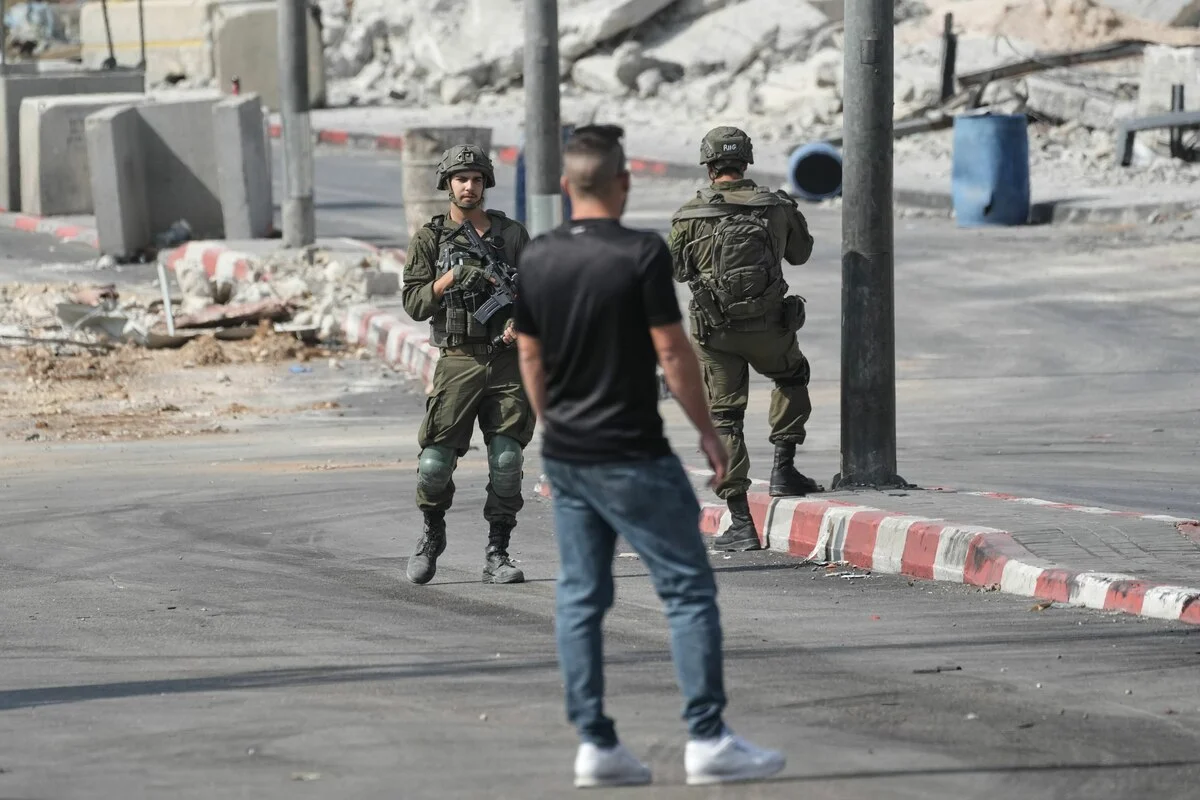
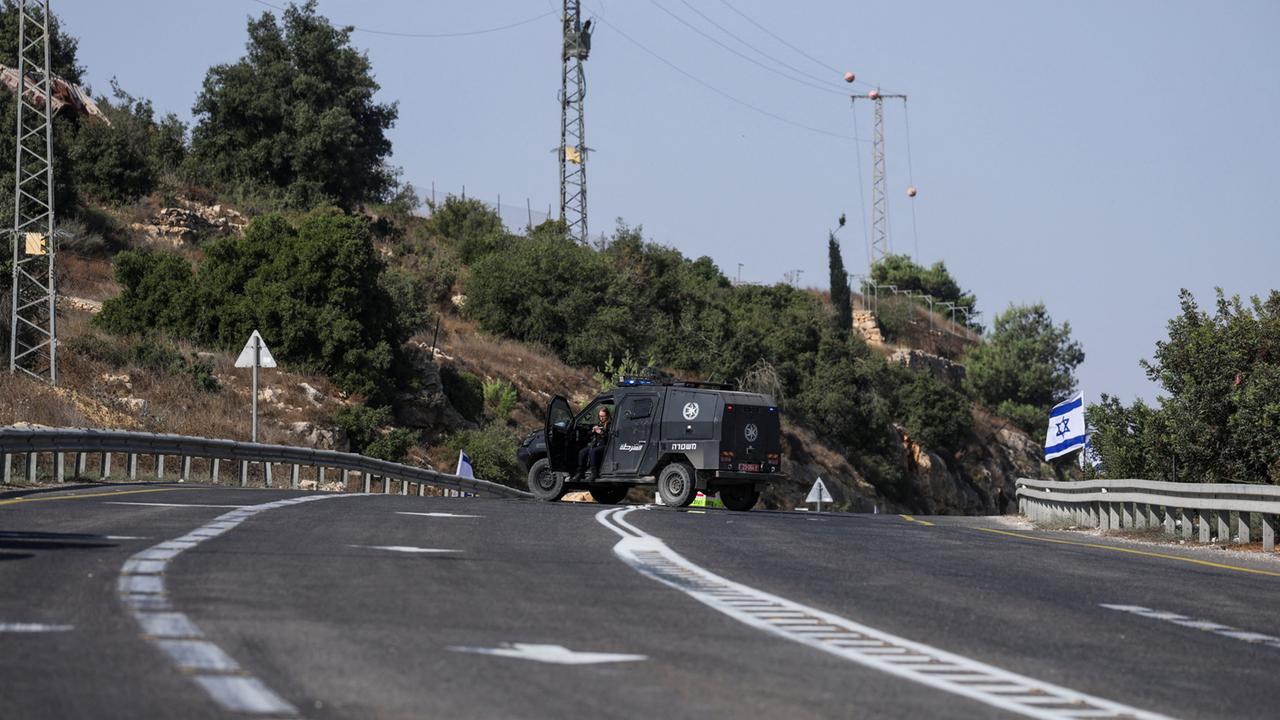
In the hours following the announcement, Israeli forces began implementing the initial stages of the blockade in Hebron, setting up checkpoints and restricting movement in and out of the city. Concurrently, security forces launched widespread raids and arrest operations across various Palestinian towns and villages in the West Bank. These operations aim to dismantle potential militant cells, seize weapons, and gather intelligence related to the recent attack and broader security threats. The atmosphere across the West Bank immediately grew tense, with residents bracing for severe disruptions to their daily lives and the potential for further confrontations.
Supporting Data: Contextualizing the West Bank Blockade
The decision to impose a comprehensive blockade on the West Bank, particularly Hebron, is not without precedent, yet its timing and scope underscore the profound complexities and ongoing volatility of the Israeli-Palestinian conflict. Understanding the historical, geopolitical, and humanitarian context is crucial to grasping the potential ramifications of such a measure.
Historical Precedent and Frequency of Blockades:
Israel has frequently imposed varying degrees of closure and blockade on the West Bank and Gaza Strip since the 1990s, often in response to security incidents. These closures range from localized lockdowns of specific towns or villages to more extensive territorial restrictions. The stated purpose is invariably to prevent further attacks, dismantle terrorist infrastructure, and ensure the security of Israeli citizens. Past examples include closures during major Jewish holidays, following significant terror attacks, or during military operations. While temporary, these measures have cumulative and lasting impacts on Palestinian life.
Geopolitical Significance of Hebron:
Hebron, the largest Palestinian city in the West Bank, holds immense religious significance for both Muslims and Jews, being home to the Cave of the Patriarchs/Ibrahimi Mosque. This shared holy site, coupled with the presence of several hundred Israeli settlers living in heavily guarded enclaves within the city center, makes Hebron a perpetual flashpoint. The city is effectively divided, with areas under Israeli military control (H2 zone) and others under Palestinian Authority control (H1 zone). This intricate and often tense coexistence, marked by frequent friction and violence, makes any security measure targeting Hebron particularly impactful and prone to intense scrutiny. The Israeli presence is often justified by historical and religious claims, while Palestinians view it as an occupation that infringes on their sovereignty and daily life.
Humanitarian and Economic Impact of Blockades:
Blockades, by their very nature, impose severe restrictions on the freedom of movement for Palestinians. This directly impacts:
- Access to Healthcare: Patients requiring specialized medical treatment outside their immediate locality face significant delays or outright denial of passage through checkpoints. Emergency services can be severely hampered.
- Education: Students and teachers are often prevented from reaching schools and universities, disrupting academic calendars and future prospects.
- Livelihoods and Economy: The Palestinian economy, heavily reliant on trade and movement of goods and labor, suffers immensely. Farmers cannot access their land or markets, laborers cannot reach their workplaces in Israel or other West Bank cities, and businesses face severe supply chain disruptions. This leads to increased unemployment, poverty, and economic stagnation.
- Social Fabric: Families are separated, and social interactions are constrained, leading to psychological stress and a sense of isolation among the population.
International Law and Criticisms:
From an international law perspective, measures like comprehensive blockades often draw sharp criticism. Human rights organizations and international bodies frequently argue that such actions can constitute collective punishment, which is prohibited under the Fourth Geneva Convention. While Israel maintains that its security measures are legitimate and necessary responses to terrorism, critics argue that they disproportionately affect the entire civilian population, infringing on fundamental rights like freedom of movement, access to work, and basic necessities, irrespective of individual culpability. The principle of proportionality and distinction between combatants and civilians is a constant point of contention.
The Election Context:
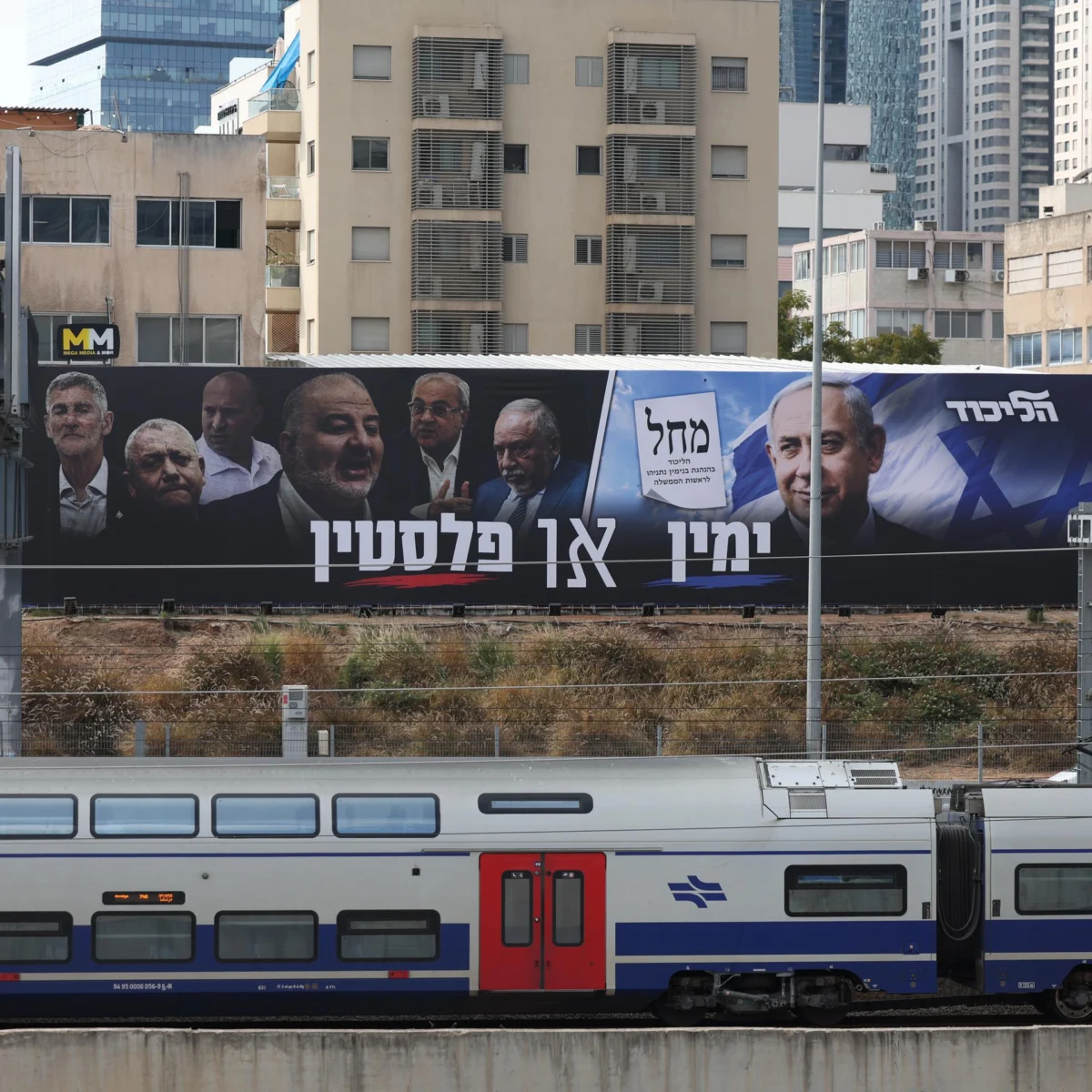
The upcoming parliamentary election in Israel adds another layer of complexity. Security issues consistently rank high on the Israeli public’s agenda, and decisive action against perceived threats often garners political support. Prime Minister Netanyahu, a veteran politician, is known for his hardline stance on security. His swift, forceful response to the Hebron attack can be interpreted as a strategic move to project strength and reassure voters of his ability to protect national interests, potentially consolidating support for his party and coalition ahead of the polls. Such incidents frequently shift public opinion and electoral dynamics.
Hamas and Other Militant Groups in the West Bank:
While Hamas’s primary stronghold is the Gaza Strip, the organization, along with other militant factions like Palestinian Islamic Jihad (PIJ), maintains a presence and attempts to operate in the West Bank. Israel routinely conducts raids and arrest operations to counter these activities, which it views as direct threats to its security. The Israeli government often attributes attacks in the West Bank to Hamas, even when direct links are not immediately proven, using the group as a broad symbol for armed Palestinian resistance. This narrative is central to justifying stringent security measures. The current "extensive arrest waves" are likely targeting suspected Hamas cells or sympathizers, reflecting Israel’s ongoing efforts to prevent the entrenchment of militant infrastructure in the territory.
Official Responses: A Chorus of Condemnation and Justification
The announcement of a comprehensive West Bank blockade has elicited a predictable array of responses from involved parties and the international community, reflecting the deep divisions and entrenched positions in the conflict.
Israeli Government and Military:
Prime Minister Benjamin Netanyahu’s office was unequivocal in its justification of the blockade. "We will not tolerate any attempts to undermine the security of our citizens," a spokesperson stated, echoing Netanyahu’s earlier vow to pursue "Hamas terrorists and their masterminds everywhere and anytime." Defense Minister Israel Katz affirmed the military’s readiness, declaring, "Our forces are fully prepared to implement these necessary measures to protect Israel. This is a clear message to those who seek to harm us: there will be a heavy price." The Israel Defense Forces (IDF) released a statement confirming that troops were being deployed to reinforce checkpoints and prepare for the operational aspects of the full West Bank closure. Military officials emphasized that the measures were intelligence-driven and aimed at preventing future attacks, not at collective punishment, a claim consistently challenged by critics. They highlighted the importance of proactive security operations in maintaining regional stability and deterring hostile elements.
Palestinian Authority (PA):
The Palestinian Authority (PA) leadership in Ramallah swiftly condemned the Israeli decision, characterizing it as a blatant act of "collective punishment" against millions of innocent Palestinians. A spokesperson for President Mahmoud Abbas stated, "This aggressive and illegal measure will only serve to further destabilize the region and inflame tensions. It is a violation of international law and a cruel act against our people." The PA called upon the international community to intervene immediately to halt the blockade and protect Palestinian civilians. They warned that such actions would exacerbate an already dire humanitarian situation and undermine any prospects for peace. The PA Ministry of Health also voiced grave concerns about the potential impact on medical services and access for patients.
International Community:
- United Nations: The UN Special Coordinator for the Middle East Peace Process expressed deep concern over the escalating tensions and the announcement of the West Bank blockade. A spokesperson urged all parties to exercise maximum restraint, de-escalate the situation, and ensure the protection of civilians. The UN reiterated its long-standing position against collective punishment and called for adherence to international humanitarian law, emphasizing the importance of freedom of movement and access to essential services for Palestinians.
- United States: The U.S. State Department issued a statement condemning the attack near Hebron and offering condolences to the victims. While acknowledging Israel’s right to self-defense, the statement also urged Israel to ensure that its security measures are proportionate and do not exacerbate the humanitarian situation or further destabilize the West Bank. It called for calm and encouraged both sides to avoid actions that could lead to further escalation. The U.S. reiterated its commitment to a two-state solution, emphasizing the need for a pathway to peace despite the current challenges.
- European Union: The EU High Representative for Foreign Affairs and Security Policy expressed serious concern about the Israeli decision, highlighting the potential for severe humanitarian consequences. The EU urged Israel to uphold its obligations under international law and to ensure that any security measures are necessary, proportionate, and do not amount to collective punishment. The statement also condemned all acts of violence and called for a return to efforts aimed at de-escalation and a political resolution.
- Human Rights Organizations: Groups like B’Tselem and Human Rights Watch issued strong condemnations, unequivocally labeling the blockade as collective punishment. They highlighted previous reports detailing the devastating impact of such closures on Palestinian lives, documenting violations of human rights, including freedom of movement, access to work, education, and healthcare. These organizations called for immediate international pressure on Israel to reverse its decision and emphasized the need for accountability for actions that violate international law.
Implications: A Deepening Crisis
The implementation of a full West Bank blockade carries profound and far-reaching implications, threatening to further destabilize an already volatile region and entrench the cycle of violence and distrust.
Immediate Security Implications:
The most immediate consequence will be a dramatic increase in military presence across the West Bank. Checkpoints will be reinforced, patrols intensified, and freedom of movement severely curtailed. This heightened security posture, while intended to prevent attacks, often leads to increased friction between Israeli forces and Palestinian civilians, raising the potential for further clashes and confrontations. The "extensive arrest waves" will likely lead to numerous detentions, which could further fuel anger and resentment among the Palestinian population. Militant groups may view the blockade as a provocation, potentially leading to retaliatory actions and a dangerous escalation of violence.
Political Implications:
- For Israeli Elections: For Prime Minister Netanyahu, the decisive action could bolster his image as a strong leader capable of ensuring Israel’s security, potentially swaying undecided voters in the upcoming parliamentary elections. It plays into a dominant security narrative that often resonates with a significant portion of the Israeli electorate, particularly during periods of perceived threat.
- For Palestinian Leadership: The blockade places immense pressure on the Palestinian Authority. Unable to prevent the Israeli measures, the PA risks losing further legitimacy among its populace, who may perceive it as ineffective. The PA will likely intensify its appeals to the international community for intervention, but its ability to influence events on the ground will be severely limited. This could also empower more radical elements who advocate for armed resistance over diplomacy.
- Erosion of Peace Prospects: Any faint hopes for a renewed peace process will be further diminished. Actions like comprehensive blockades deepen mistrust, harden positions, and create an environment antithetical to dialogue and negotiation. Both sides become more entrenched in their narratives of victimhood and justification, making reconciliation seem even more distant.
Humanitarian Outlook:
The humanitarian consequences for the approximately three million Palestinians living in the West Bank will be severe. The blockade will disrupt access to essential services, including food, medicine, and fuel. Economic activity will grind to a halt, leading to job losses, increased poverty, and food insecurity. Families will be cut off from each other, and the psychological toll on a population already living under occupation will be immense. International aid organizations will face significant challenges in delivering assistance, potentially exacerbating the crisis. The situation in Hebron, already complex due to the settler presence, will become particularly acute.
Economic Consequences:
The Palestinian economy, already fragile and heavily dependent on external aid and access to Israeli markets, will suffer a devastating blow. Farmers will be unable to transport produce, construction workers unable to reach job sites, and businesses unable to receive supplies or deliver goods. This economic strangulation will have long-term effects, deepening dependence and stifling any indigenous growth. The impact could lead to widespread unemployment and push many families below the poverty line.
Regional Stability:
While primarily impacting the Israeli-Palestinian territories, such a significant escalation could have wider regional repercussions. Neighboring countries, particularly Jordan and Egypt, often feel the ripple effects of increased instability. International actors, already grappling with multiple global crises, will be faced with another escalating conflict that demands attention and potential diplomatic intervention. The rhetoric surrounding "Hamas terrorists" also plays into broader regional dynamics concerning militant groups.
Future of Israeli-Palestinian Relations:
This incident and the subsequent Israeli response are likely to cast a long shadow over future Israeli-Palestinian relations. Each act of violence and each retaliatory measure further hardens the positions of both sides, making the prospect of a political resolution increasingly remote. The cycle of attack and response reinforces a narrative of perpetual conflict, making it harder for moderate voices to gain traction and for trust to be built. The comprehensive blockade will likely be remembered as another painful chapter in a protracted and deeply contested struggle, reinforcing Palestinian grievances and Israeli security imperatives. The path forward remains fraught with peril, with the immediate future pointing towards further confrontation rather than de-escalation.