Introduction: A Nostalgic Guardian of the Asphalt
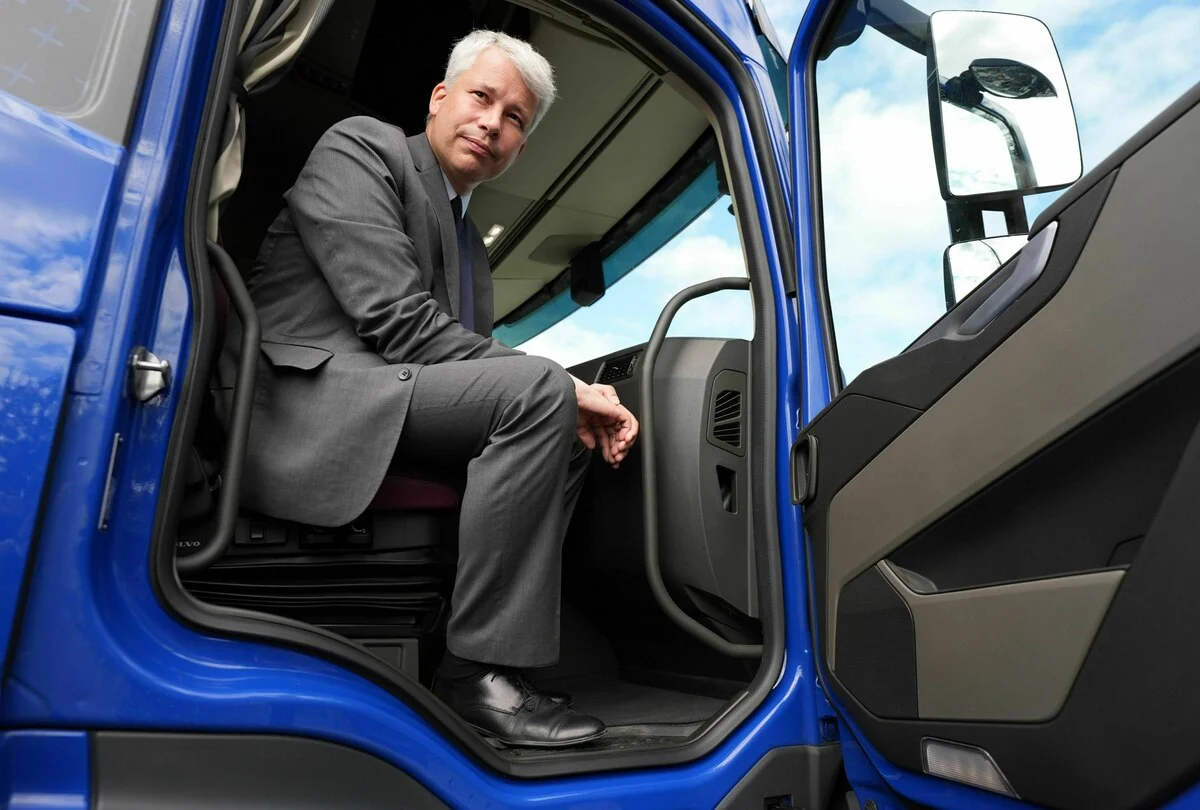
In the landscape of contemporary German politics, few figures evoke as much polarized sentiment as Steffen Bilger. Often mockingly dubbed the "Minister of Combustion" by critics and environmental activists, Bilger represents a political philosophy that views the internal combustion engine not merely as a technological artifact, but as a cultural cornerstone of German identity. As the nation pivots toward a post-fossil fuel future, Bilger remains a steadfast, if controversial, advocate for the automotive status quo.
The debate surrounding Bilger is essentially a proxy war for the soul of the German transport sector. For his supporters, he is the protector of individual mobility and the architect of an efficient, auto-centric society. For his detractors, he is a relic of a bygone era, a man who would prioritize the roar of a V8 engine over the cooling of a warming planet. This report explores the career, the philosophy, and the increasingly surreal policy proposals of a man who seems determined to keep the gears of the 20th century grinding well into the 21st.
A Chronology of the "Auto-Obsessed" Politician
To understand Steffen Bilger, one must look at the roots of his political trajectory. Born on February 16, 1979, in Schongau, Bavaria, Bilger’s formative years were spent in an era where the automobile was the undisputed king of the German Autobahn.

- 1996: Enters the political arena by joining the CDU (Christian Democratic Union).
- 2009: Wins the parliamentary seat for the Ludwigsburg constituency, entering the Bundestag and immediately finding his niche in the Committee on Transport and Digital Infrastructure.
- 2018: Gains national notoriety for his aggressive campaign to strip the environmental NGO, Deutsche Umwelthilfe (DUH), of its non-profit status—a move widely interpreted as an attempt to silence the primary legal challenger to diesel and combustion vehicles.
- 2026: Reaches the apex of his influence, doubling down on infrastructure projects that prioritize long-distance road transport over rail or localized mobility.
Throughout his career, Bilger has displayed a remarkable ability to navigate the complexities of transport law, leveraging his background as a lawyer to stall, refine, and ultimately protect the interests of the German automotive industry.
The Myth of the "Golden Age" of Motoring
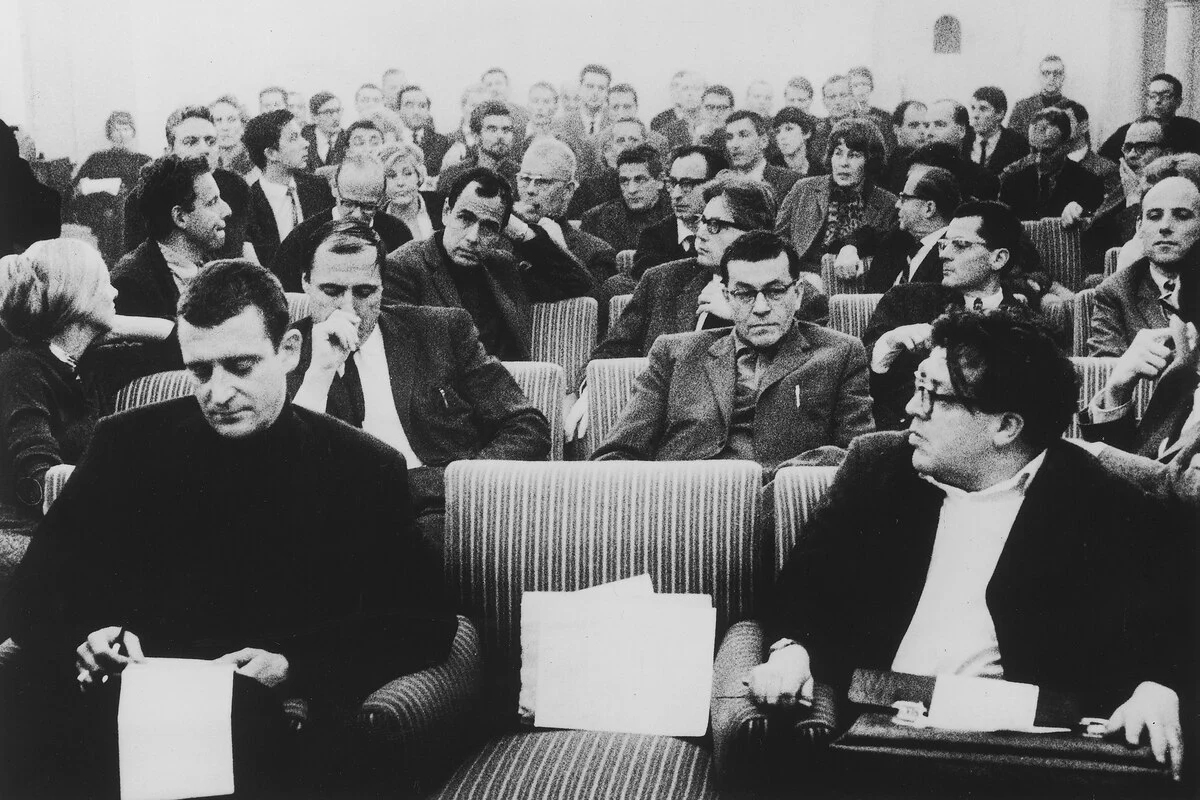
Bilger’s political rhetoric is deeply infused with a longing for the 1960s and 70s. During these decades, federal transport ministers like Georg Leber promised a society where a highway entrance was never more than 500 meters from one’s front door. It was an era where the driving license was treated as a fundamental human right and the car was a family member.
Bilger, born at the tail end of this period, views this "paradise" as the benchmark for national success. He articulates a vision where the ideal transport policy ensures that highways sparkle in the sun, rail remains a background aesthetic rather than a priority, and cyclists are relegated to a minor inconvenience in the face of heavy traffic. This romanticization drives his legislative agenda, which often treats modern environmental regulations as "unnatural" obstructions to a birthright of unfettered, high-speed mobility.

Infrastructure and the "Sunk Cost" Legacy
One cannot discuss Bilger without addressing the fiscal and physical wreckage of his preferred projects. The most prominent example is the Stuttgart 21 rail project—a venture that has become synonymous with endless delays and ballooning costs. With a projected completion date creeping toward the year 2100, the project represents the "sunk cost" fallacy that critics argue defines Bilger’s tenure.
Furthermore, his involvement in the failed Pkw-Maut (passenger car toll) debacle—which cost taxpayers 270 million euros—illustrates a pattern of favoring grand, often economically dubious schemes over pragmatic investment. While the European Court of Justice eventually halted the toll project, Bilger managed to emerge from the wreckage without the personal political fallout that plagued his predecessor, Andreas Scheuer. This resilience is testament to his deep-seated support base within the conservative wing of the CDU and the powerful German automotive lobby.
The Future of Mobility: From Lunar Highways to Sub-Atlantic Tunnels
Perhaps the most striking aspect of Bilger’s platform is his embrace of "techno-utopian" solutions to solve the problems created by mass combustion. In a 2026 policy framework, his ministry has proposed projects that border on the surreal:

- The Atlantic Tunnel: A century-old concept resurrected by Bilger, now envisioned as a multi-modal artery that would allow cars to traverse the ocean floor alongside trains.
- Space-Age Infrastructure: Proposals for "Space Bypass W1," a theoretical highway designed for "the hurried," complete with rail lines on the center median.
- The "Volks-Schnorchel": A satirical, yet symbolic, proposal for a "people’s snorkel" for the underprivileged, suggesting that as air quality declines, the solution is not to fix the engines, but to provide personal filtration for the citizenry.
These proposals reflect a desire to maintain the dominance of the private vehicle at any cost. By pushing the boundaries of what is technologically feasible, Bilger shifts the focus away from the urgent need to transition to public transport and carbon-neutral logistics.
Implications for the Climate and the German Economy
The implications of Bilger’s "combustion-first" policy are profound. By resisting the "Verbrenner-Aus" (the ban on internal combustion engines) and maintaining a lack of a standardized, mandatory speed limit on the Autobahn, Bilger has positioned Germany as a outlier in the global climate struggle.
Economically, the strategy is a double-edged sword. While it protects the short-term profits of legacy manufacturers like BMW, Mercedes-Benz, and Porsche, it risks long-term obsolescence. Critics argue that by clinging to the combustion engine, Bilger is inadvertently accelerating the decline of the German auto industry by preventing the radical innovation required to compete with international electric vehicle giants.

Official Responses and Public Sentiment
The public response to Bilger’s policies is a study in contrasts. In rural areas, where the car is often the only viable means of transport, Bilger is seen as a necessary guardian against the "green" urban agenda that seeks to limit driving. Conversely, in major metropolitan centers, his policies are viewed as an affront to sustainability and a reckless gamble with the climate.
The government’s official stance, when pressed, emphasizes "technology neutrality." They argue that synthetic fuels (e-fuels) and high-efficiency hybrids—the very vehicles Bilger champions—will provide a bridge to a carbon-neutral future. However, environmental scientists consistently refute this, pointing out that the energy density required for such fuels makes them inefficient for mass transport compared to direct electrification.
Conclusion: The Final Lap?
Steffen Bilger remains a man out of time, yet perfectly synchronized with a specific, powerful segment of the German electorate. Whether he is remembered as the last defender of the internal combustion era or the architect of a spectacular infrastructural collapse remains to be seen.

As we approach 2030, the pressure on the German transport sector will only mount. The "Minister of Motion" has staked his career on the idea that the road ahead is as infinite as the highways he dreams of building. Yet, as the climate warms and the economic realities of the 21st century set in, one must wonder if even the most determined politician can stop the inevitable turn of the tide. For now, Bilger keeps his foot on the pedal, navigating a landscape that is changing faster than his ministry can ever hope to pave.