By International Arts Correspondent
September 3, 2026
The 83rd Venice Film Festival, the world’s oldest and arguably most prestigious cinematic gathering, officially opened its doors on the Lido di Venezia today. As the Adriatic sun glistened against the backdrop of the historic Italian lagoon, the festival kicked off with a tribute to one of Hollywood’s most enduring icons, George Clooney, and a bold opening salvo from director Danny Boyle. Yet, beneath the glamour and the accolades, the festival finds itself navigating a shifting landscape defined by the absence of major streaming giants and a renewed focus on auteur-driven narratives.
The Honoree: A Lifetime of Cinematic Excellence
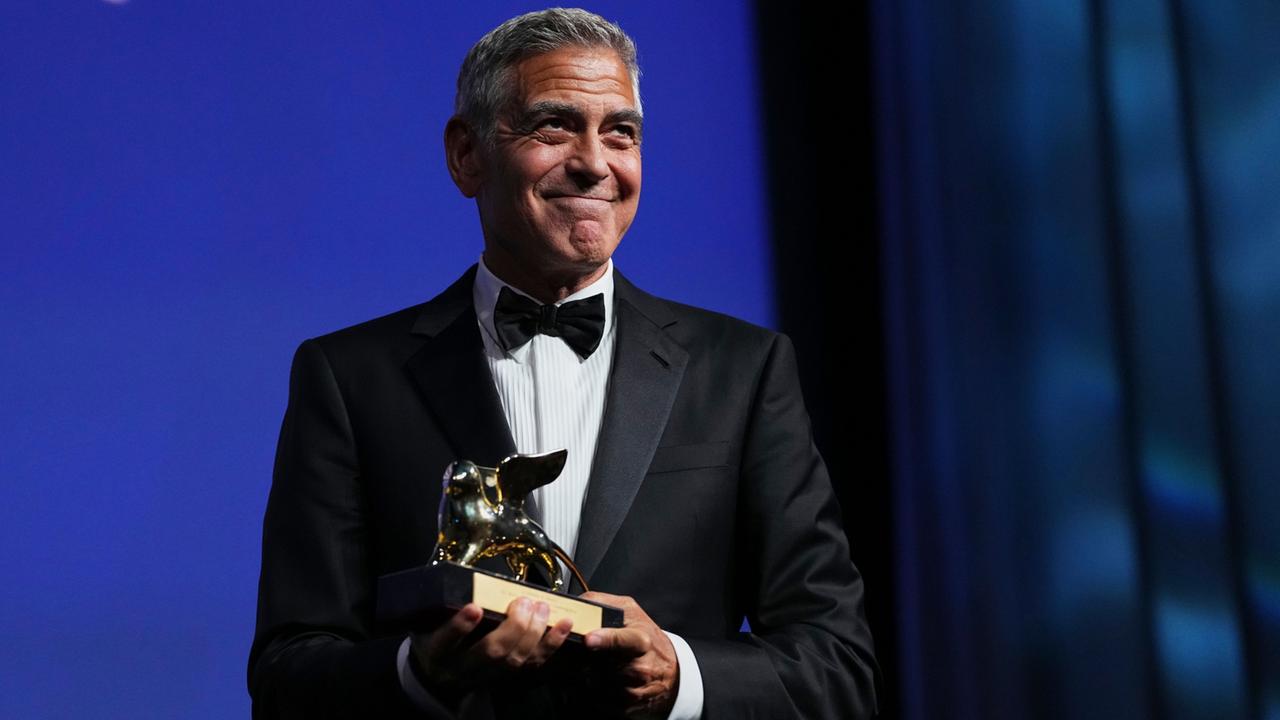
The opening ceremony was marked by the presentation of the Lifetime Achievement Award to George Clooney. The 65-year-old actor, director, and producer, a frequent and beloved fixture at the Venice Lido over the past two decades, accepted the honor with his characteristic blend of self-deprecating humor and profound gratitude.
When the news of the award was first announced in July, Clooney remarked that it was an "enormous honor," though he joked, "It probably means I’m old." The sentiment, while playful, underscores a career that has spanned nearly four decades, evolving from television heartthrob to a powerhouse producer and Academy Award-winning filmmaker.
Clooney’s presence at the festival is not merely ceremonial; it represents the deep ties between the Venice Film Festival and the American independent spirit. Throughout his career, Clooney has used his platform to champion projects that sit outside the typical studio blockbuster model, aligning perfectly with the curatorial philosophy of Venice’s artistic directors. Joining him in the spotlight this year is the legendary American actress Ellen Burstyn, who will also be honored for her monumental contributions to the craft of acting throughout the duration of the festival.
Opening Night: The Murdoch Narrative
The festival’s inaugural screening set a provocative tone for the coming twelve days. Danny Boyle, the visionary British director behind Trainspotting and Slumdog Millionaire, presented his latest feature, Ink. The film provides a high-stakes, unflinching examination of the rise of media tycoon Rupert Murdoch. By selecting such a politically charged and industry-relevant film for the opening slot, the festival organizers have signaled their intent to engage with the power dynamics that shape modern global discourse.
The Race for the Golden Lion: A Global Competition
The competition for the coveted Golden Lion is as fierce as ever, with 21 films vying for the top prize. The selection committee has curated a diverse slate that bridges the gap between established masters and daring newcomers.
Among the most anticipated entries is Bucking Fastard, the latest offering from the German cinematic legend Werner Herzog. Herzog, known for his relentless pursuit of the surreal and the profound, continues to push the boundaries of narrative filmmaking. His inclusion in the main competition is a testament to the festival’s commitment to auteur cinema.
The competition also features high-profile genre-bending works. Primetime, directed by the rising talent Lance Oppenheim, has generated significant buzz. Starring Robert Pattinson, the film explores the dark underbelly of a controversial American television program dedicated to the exposure of predators. It is expected to be one of the most debated films of the 83rd edition, touching on themes of vigilantism, media ethics, and the morality of public shaming.
Other notable contenders include:
- "Wild Horse Nine" by Martin McDonagh: A darkly comedic exploration of the intelligence community, featuring John Malkovich and Sam Rockwell as a pair of eccentric, aging CIA operatives.
- "Bunker" by Florian Zeller: A tense, psychological drama that reunites the director with international stars Penélope Cruz and Javier Bardem.
The jury, tasked with the unenviable duty of selecting the winners, is headed by the acclaimed US actress and director Maggie Gyllenhaal. Her selection as president underscores the festival’s focus on character-driven narratives and the intersection of performance and direction.
The Changing Tides of Distribution: The Absence of Streamers
Perhaps the most significant development at this year’s festival is the conspicuous absence of major streaming giants Netflix and Amazon. For several years, Venice served as the primary launching pad for "prestige" streaming content, often providing these platforms with the critical acclaim necessary to compete during awards season.
Their absence this year marks a structural shift in the industry. As streaming platforms pivot toward tighter budgets and a focus on broad-appeal content, the "festival circuit" model—which prioritizes high-concept, critical-darling films—is being re-evaluated by these companies.
However, the vacuum left by these giants has allowed space for more diverse international productions and documentaries. A rare exception to the "no-streamer" trend is a Disney-produced documentary about the legendary rock band Oasis, covering their highly anticipated and tumultuous comeback tour, "Don’t Look Back in Anger." The inclusion of the documentary, which will be attended by the famously fractious Gallagher brothers, Liam and Noel, promises to bring a surge of pop-culture energy to the Lido.
Furthermore, the festival is leaning into the documentary format as a primary medium for social inquiry. Alex Gibney, the Oscar-winning documentarian, is set to present an exhaustive four-hour examination of tech billionaire Elon Musk. Given the global influence of Musk and the current debates surrounding the intersection of technology, social media, and governance, the film is poised to be one of the most culturally significant moments of the festival.
Implications: The Future of the Lido
The 83rd Venice Film Festival arrives at a precarious moment for the film industry. With the rise of AI in creative workflows, the ongoing debate over theatrical exclusivity, and the cooling of the streaming bubble, the role of festivals like Venice has never been more critical.
Venice acts as a stabilizer. By providing a platform for films that might otherwise be lost in the vast algorithms of home-viewing platforms, the festival reinforces the "event" nature of cinema. When a film premieres in the Sala Grande, it is an experience rooted in communal viewing, historical reverence, and critical scrutiny.
As the festival progresses toward the closing ceremony on September 12, the focus will remain on whether these 21 competition films can capture the public imagination in an era of fragmented attention. The inclusion of veterans like Herzog alongside provocative newcomers suggests a desire to maintain a dialogue between the history of film and its uncertain future.
For now, the focus remains on the red carpet, the hushed anticipation before the house lights dim, and the enduring power of a story told well. As Maggie Gyllenhaal and her jury begin their deliberations, the world watches to see which of these visions will define the cinematic landscape of the coming year. Whether through the lens of a media mogul’s rise, the eccentricities of intelligence agents, or the raw reality of a rock band’s reunion, Venice remains the heart of the cinematic world, beating as strongly as it did eighty-three years ago.