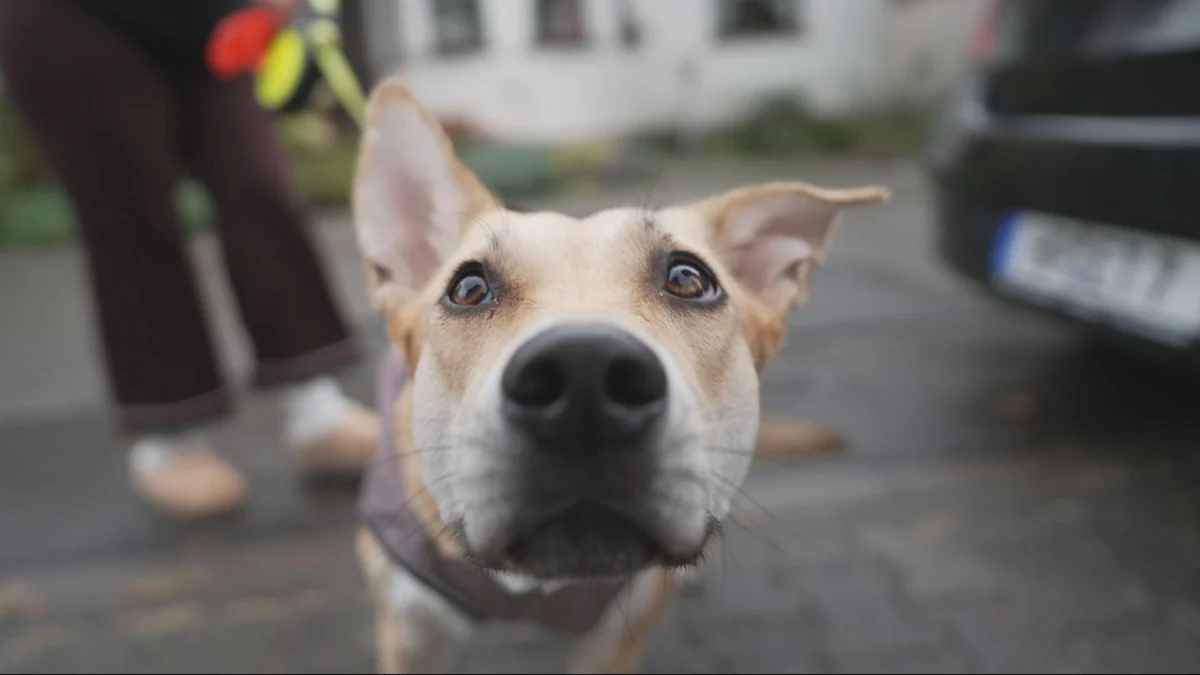
In the tranquil town of Bürstadt, located in the Bergstraße district of Hesse, an unusual atmosphere of apprehension has descended upon pet owners. A team of inspectors, contracted by the local municipal government, is currently conducting a systematic, door-to-door survey aimed at identifying unregistered dogs. This initiative, designed to enforce compliance with the local dog tax ordinance, has triggered a wave of retroactive registrations, sparked heated debates regarding municipal overreach, and reignited the perennial controversy over the legitimacy of the "canine tax" in Germany.
The Core Objective: Tax Fairness and Municipal Revenue
At the heart of the campaign is a drive for "tax fairness," according to Mayor Boris Wenz (SPD). The municipality, home to approximately 17,600 residents, has long suspected that a significant number of dog owners have been bypassing the mandatory registration process, thereby avoiding the annual tax contributions that help fund local infrastructure and animal welfare services.
The decision to deploy external investigators was not taken lightly. The municipal administration observed numerous instances of dogs being walked in public spaces lacking the mandatory registration tags, a visible sign that the registry was incomplete. Faced with a potential loss in revenue and a growing sense of inequity among law-abiding citizens who pay their dues, the city council authorized the survey, which began on October 19 and is scheduled to run until the end of January. The scope of the project is massive: every one of the town’s 7,600 households is subject to a potential visit to determine if a four-legged inhabitant is present and properly registered.

A Chronology of the Initiative
The road to this enforcement drive began with mounting pressure from the public and administrative observations. The following timeline outlines the progression of this contentious policy:
- Initial Planning (Mid-2024): Recognizing a shortfall in registration, the municipal government of Bürstadt began consulting with neighboring jurisdictions. They studied the outcomes of similar operations in Biblis and Lampertheim—the latter having employed an external service provider as early as 2017 to reconcile their animal registry.
- The Announcement Effect (September 2024): Shortly after the town announced its intention to launch a door-to-door survey, a "pre-emptive" wave of compliance occurred. Within weeks of the public notification, 40 previously unregistered dogs were officially signed up at the town hall. By mid-October, an additional three registrations were processed.
- Execution (October 19, 2024): The physical, door-to-door phase commenced. Armed with data and the authority to inquire about household pets, the inspectors began their rounds.
- Projected Conclusion (January 31, 2025): The town has set a deadline for the completion of the audit, with the goal of visiting every household within the municipal boundaries to ensure full compliance.
Economic Rationale and Data Analysis
The financial logic behind the operation is based on a "break-even" threshold. Mayor Wenz estimates that to cover the costs of hiring the external firm and administering the operation, the town must identify approximately 90 previously unknown dogs.
The fiscal importance of the dog tax is evident in the municipal budget. In 2023, the city of Bürstadt collected approximately €97,000 in revenue from the tax; in 2024, that figure rose to €100,000. Under the current fee structure, owners pay €72 per year for a single dog, €108 for a second, and €144 for each additional pet. For owners of "dangerous breeds"—or Listenhunde—the tax is significantly higher, set at €480 per year.

Mayor Wenz argues that these funds are not merely a general revenue stream but are tied directly to the services provided for dog owners. "The tax is a steering instrument," Wenz explained. "The city provides dog-friendly infrastructure, such as designated dog parks and free waste bag dispensers. Furthermore, the city bears the costs if a stray animal is found and must be placed in a shelter."
The Counter-Argument: The Taxpayers’ Association Perspective
While the municipal government frames the initiative as a matter of justice and cost-recovery, the Bund der Steuerzahler (Taxpayers’ Association) of Hesse offers a starkly different critique. Jochen Kilp, a board member of the association, has publicly criticized the move as a waste of administrative resources.
"We frequently find that the effort required to collect the dog tax is entirely disproportionate to the actual financial yield," Kilp stated. From his perspective, the dog tax is a "bagatelle tax" that should be abolished entirely. The association argues that local governments would be better served by focusing their administrative capacities on more significant, higher-yield revenue sources rather than engaging in "snoop-like" door-to-door surveillance that undermines the trust between the citizen and the state.

Navigating the Controversy: Privacy and Compliance
One of the most sensitive aspects of the Bürstadt initiative is the potential for intrusion into private lives. The city has taken steps to mitigate public backlash by clarifying the nature of the interaction.
- Voluntary Disclosure: The mayor has emphasized that the inquiry is voluntary. Residents are not legally obligated to allow an inspector inside their homes, and the process is described as a "dialogue." The inspectors are required to identify themselves formally before asking about the presence of pets.
- The Consequence of Evasion: While the initial approach is non-confrontational, the consequences for those who are found to be willfully avoiding the tax are real. Failure to register a pet is a violation of municipal ordinances and can result in significant fines. The city has explicitly warned that attempting to register the dog "on the spot" when an inspector arrives does not exempt the owner from the legal penalties associated with previous non-compliance.
- The "Mirror" Effect: The administration intends to use the data gathered to determine which households require follow-up. If an owner refuses to provide information, the city may opt to cross-reference data or initiate a formal administrative review.
Implications for Local Governance
The situation in Bürstadt is symptomatic of a broader tension in German local politics. As municipalities struggle with tight budgets and increasing costs for public services, the temptation to squeeze every possible euro from existing tax frameworks is high. However, the use of private contractors to perform what is essentially a surveillance function on behalf of the town hall highlights a shift toward more aggressive enforcement tactics.
The "Bürstadt Model" will likely be watched closely by other German municipalities. If the survey successfully identifies hundreds of unregistered dogs—as the mayor expects, based on data from neighboring towns where up to 300 dogs were uncovered—it may embolden other cities to adopt similar, high-pressure enforcement measures. Conversely, if the campaign leads to a lasting erosion of public trust or if the administrative costs outweigh the tax gains, it could serve as a cautionary tale for local officials across the country.

Ultimately, the dispute over the dog tax in Bürstadt is about more than just money. It is a debate over the role of the state in regulating private domestic life and whether the administrative burden of policing such small-scale tax obligations is compatible with a modern, service-oriented municipal government. As the inspectors continue their rounds through the winter months, the residents of Bürstadt remain caught between the desire for tax equity and the discomfort of state scrutiny at their front doors.