

In the quiet, snow-dusted town of Grünhain-Beierfeld, located in the heart of Germany’s historic Erzgebirge (Ore Mountains) region, a recent criminal incident struck at the very core of local identity and tradition. When nine hand-carved nativity figures—cherished artifacts belonging to a local church—vanished in early winter, the community was plunged into a state of shock. The theft was not merely a loss of property; it was an affront to the deep-rooted cultural and religious heritage that defines this region.
After a frantic week of uncertainty, local law enforcement confirmed a significant breakthrough: the figures have been recovered. This article examines the timeline of this brazen theft, the community’s reaction, the investigative efforts of the Chemnitz police, and the broader implications of preserving regional heritage in an era where such artifacts are increasingly vulnerable.
The Theft: A Blow to Local Tradition
The Erzgebirge region is globally renowned for its centuries-old tradition of woodcarving. From intricate nutcrackers to elaborate Christmas pyramids, these items are more than mere decorations; they are the physical manifestation of the region’s history as a mining hub turned center for folk art.
The nativity scene in the Grünhain-Beierfeld church was a focal point of the community’s Advent preparations. When parish officials discovered the empty display, the absence of the figures created a void that was felt far beyond the church pews. Nine figures—each a unique piece of craftsmanship—had been removed, likely by someone who understood their aesthetic and potential market value. The theft occurred just as the community was preparing for the most important time of the year, casting a somber shadow over the holiday preparations.

Chronology of the Investigation
The investigation into the disappearance began immediately upon the discovery of the crime.
- Initial Discovery: Parish staff alerted the local police after discovering that the display case had been breached and the figures were missing.
- Public Appeal: Recognizing the significance of the objects, the Chemnitz police issued an urgent appeal for information, distributing images of the stolen carvings to local media and online forums.
- The First Lead: The investigation took a critical turn when one of the stolen figures was identified on an online marketplace. This digital footprint provided detectives with the necessary evidence to track the suspects.
- The Breakthrough: Following a swift follow-up, investigators identified a primary suspect. The trail led officers to the recovery of the remaining figures.
- Resolution: One week after the theft became public, police confirmed that all nine figures were in custody, marking a successful end to a case that had deeply rattled the local populace.
Supporting Data: The Rising Threat to Folk Art
The theft in Grünhain-Beierfeld is not an isolated incident but rather part of a troubling trend. As the market for authentic, handmade Erzgebirge art grows, so too does the interest of illicit collectors and opportunistic thieves.

According to regional police reports in Saxony, the theft of religious and cultural artifacts has seen a steady increase over the last five years. These items, often centuries old or crafted by master artisans, are difficult to track once they enter the black market. The incident highlights the vulnerability of small, community-run churches and museums that often lack the sophisticated security systems found in larger state-funded institutions.
Furthermore, the economic pressure on local artisans has meant that some pieces are now fetching record prices at international auctions, inadvertently incentivizing theft. The recovery in this case was facilitated by the fact that the thieves attempted to offload the items online, a common mistake that is increasingly leading to the apprehension of perpetrators in the digital age.
Official Responses and the Parish’s Reaction
The local clergy and parish leadership played a pivotal role in keeping the story in the public eye. Upon the news of the recovery, the local pastor expressed immense relief, characterizing the return of the figures as "a signal and a sign" of the community’s resilience.
"The loss was not just about the monetary value," the pastor stated during a press briefing. "It was about the loss of a tradition that has anchored this church for generations. The outpouring of support from the local community, and the swift action by the authorities, confirms that our heritage is something we are all willing to protect."

The police department, while acknowledging the success of the case, has used the opportunity to advise churches and small museums to review their security protocols. "We urge organizations to document their collections with high-quality photographs and serial numbers," a spokesperson for the Chemnitz police advised. "This documentation is often the only way to successfully recover stolen items once they are moved across borders or sold to private buyers."
Broader Implications: Protecting the Erzgebirge Identity
The theft and subsequent recovery of the Grünhain-Beierfeld nativity figures open a broader conversation about the safeguarding of intangible cultural heritage. As the Erzgebirge region continues to be a destination for tourists and collectors, the tension between accessibility and security will likely increase.

The Role of Digital Vigilance
The fact that the stolen goods were spotted on an online marketplace underscores the importance of public awareness. Local social media groups, neighborhood watch programs, and online forums dedicated to regional history acted as a decentralized investigative force. This collective vigilance proved to be just as effective, if not more so, than traditional investigative techniques.
The Impact on Community Cohesion
In a time of rapid social change, traditional rituals—like the display of a nativity scene—serve as essential markers of community belonging. When those symbols are stolen, the community reacts with a collective sense of violation. However, the successful recovery has had a galvanizing effect, bringing together the parish, local businesses, and law enforcement in a way that reinforces social bonds.

Challenges for Future Preservation
The case serves as a warning for the future. As technology advances, so do the methods of those who seek to profit from the exploitation of cultural artifacts. Future strategies for preservation must include:
- Investment in Security: Small, historic sites require better alarm systems and perhaps modest surveillance to prevent unauthorized access.
- Digital Catalogs: A regional database of significant woodcarvings would allow for faster identification and tracking if theft occurs.
- Community Education: Programs that educate the public on the importance of these artifacts can discourage the black-market demand for stolen goods.
A Lesson in Resilience
The story of the stolen nativity figures is ultimately a positive one, despite the initial trauma. It is a story of a community that refused to let its history be taken away. By leveraging the tools of modern policing and the power of social media, the citizens of Grünhain-Beierfeld were able to reverse the damage and secure their treasures.

As the Erzgebirge looks toward the future, it must grapple with the reality that its greatest assets—its art and history—are also its most vulnerable. The return of these nine figures is a testament to the fact that when a community stands together, even the most precious traditions can be safeguarded against those who would seek to profit from their destruction. The nativity scene will return to its place of honor this coming Advent, serving as a reminder not just of the Christmas story, but of the vigilance and unity that preserved it for the next generation.
Additional Context: Beyond the Theft
While the theft dominated local headlines, it is important to note that the region remains vibrant and active. As highlighted in regional reports, other initiatives continue to define the area. From the "handy-free" zones in Schwarzenberg—aiming to encourage direct communication in public spaces—to the innovative efforts of the Olympia-Förderkreis in Oberwiesenthal, the Erzgebirge is a region that is constantly balancing the preservation of its deep history with the challenges of modern, fast-paced life.
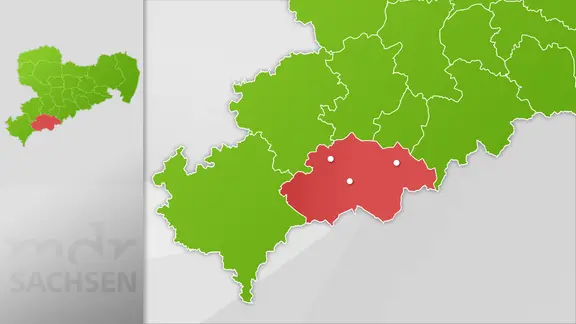
The recovery of the nativity figures fits into this larger narrative of a region that is fiercely protective of its roots while simultaneously engaging with the complexities of the 21st century. Whether it is through the revival of woodcarving traditions via social media influencers like Norman Horatzscheck or the unique, age-old practice of aging Stollen in local mines to achieve the perfect flavor, the Erzgebirge continues to prove that its traditions are not relics of the past, but living, breathing elements of its daily reality. The successful resolution of the church theft is simply another chapter in the enduring story of this remarkable corner of Germany.