BERLIN — On October 3, 2026, the German landscape was transformed by a sprawling, peaceful display of civic urgency. Under the banner "Es brennt!" (It is burning!), an estimated 19,000 protesters joined hands in more than 100 cities, forming human chains to demand a radical shift in climate policy and a structural overhaul of political decision-making. The protest, which spanned from the seat of the Federal Constitutional Court in Karlsruhe to the steps of the Chancellery in Berlin, served as a stark visual reminder of the growing impatience with current legislative progress regarding environmental preservation.
A Call for Systemic Change: The Core Demands
The demonstration was not merely a call for reduced carbon emissions; it was a demand for a comprehensive political and social "restart." Organizers—a broad coalition including the German Environmental Aid (Deutsche Umwelthilfe), Fridays for Future, various church groups, labor unions, and the advocacy group "Omas gegen Rechts" (Grandmas Against the Right)—argued that the current political climate is being stifled by lobbyism and short-term economic interests.
The central message was one of existential threat. By holding up blank white sheets of paper, participants symbolized a desire for a "blank slate"—a call for policymakers to set aside partisan bickering and draft a new, sustainable social contract that prioritizes the preservation of planetary boundaries.
Chronology of the Day: From Karlsruhe to Berlin
The logistics of the event were as ambitious as its message. By midday, organizers reported that the various chains, when combined, stretched approximately 21 kilometers in total.
- 09:00 AM: Initial gatherings began in major urban hubs. In Karlsruhe, the symbolic starting point, protesters gathered near the Federal Constitutional Court, highlighting the role of the judiciary in forcing the government to meet its climate obligations.
- 11:30 AM: The chains began to solidify. In Berlin, the scene outside the Chancellery became the focal point of the media coverage, with thousands forming a line that snaked through the government district.
- 01:00 PM: Peak participation was reached. Across the country, in cities ranging from Dresden to Cologne, protesters stood in silence, holding their blank white signs aloft. The silence was intended to emphasize the gravity of the "burning" world, contrasting with the chaotic noise of political debate.
- 04:00 PM: The event officially concluded with local assemblies, where representatives from the participating organizations read statements demanding that the government move beyond empty rhetoric and commit to binding, rapid decarbonization.
The Climate Reality: Why Now?
The urgency of the October 3 protest is rooted in a year of unprecedented climate volatility. The coalition organizers pointed specifically to the summer of 2026, which saw thousands of heat-related deaths across Europe. These tragedies, coupled with catastrophic flooding and massive, uncontrolled forest fires that have ravaged parts of the continent, have shifted the discourse from "future threat" to "present emergency."
Data and Environmental Trends
The scientific consensus remains the bedrock of the protesters’ arguments. While political rhetoric often focuses on the economic costs of climate action, the organizations behind "Es brennt!" highlighted the hidden costs of inaction.
- Health Impacts: Data from the summer of 2026 indicates that heatwaves are becoming the primary driver of excess mortality among the elderly and vulnerable populations.
- Economic Disruption: The cost of disaster relief for floods and wildfires has reached record highs, with insurance companies warning that certain regions are becoming "uninsurable."
- The Lobbying Gap: Reports circulated during the protest highlighted the perceived influence of fossil fuel lobbyists in Berlin. Activists argued that while the government presents a veneer of environmental concern, the actual legislative output remains compromised by industrial interests.
Official Responses and Political Implications
The government’s reaction to the massive display of civil society engagement was muted but present. Spokespeople from various ministries acknowledged the "valid concerns" of the protesters, emphasizing the administration’s commitment to the 2045 climate neutrality goals. However, these boilerplate responses were met with skepticism by the organizers.
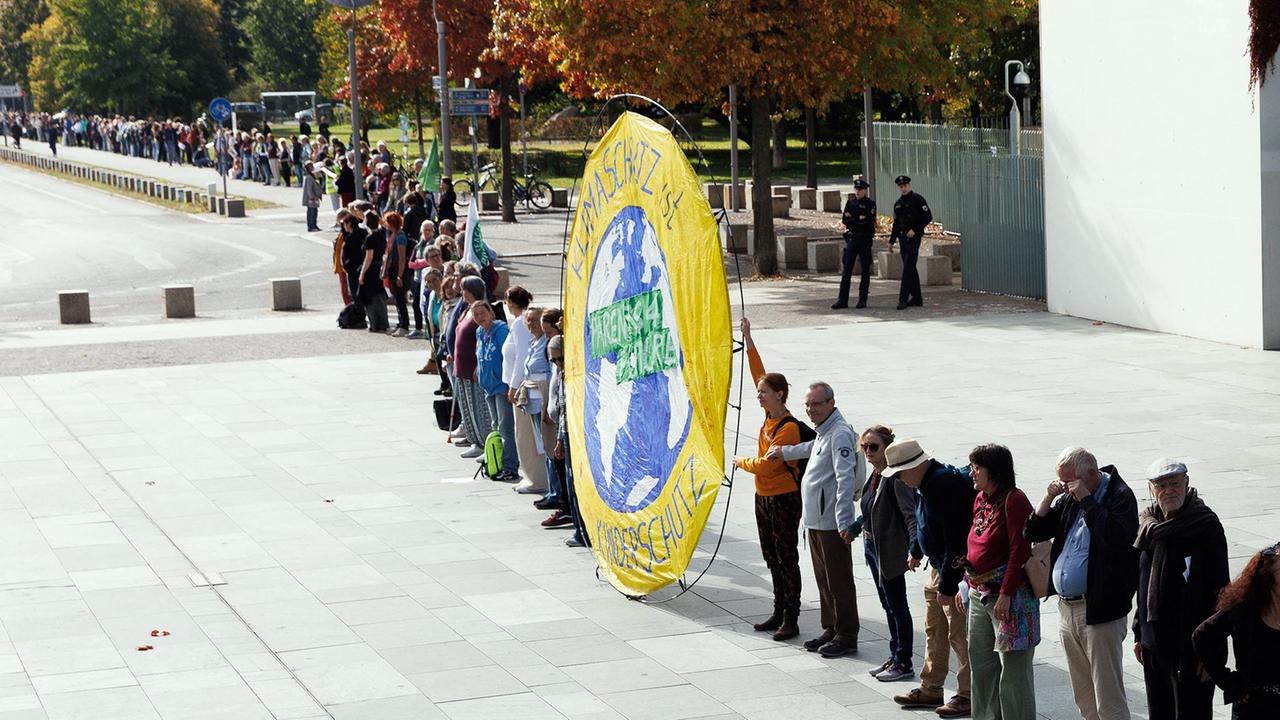
"The government acknowledges our presence, but they ignore our demands," said a spokesperson for the coalition. "They talk about 2045, but our homes are burning in 2026."
The political implications of the protest are significant. As Germany approaches future electoral cycles, the "Climate Issue" remains a wedge topic. The involvement of traditional institutions like churches and unions suggests that climate concern has moved from a niche activist interest to a mainstream social consensus. The protest effectively bridged the gap between different demographics, proving that the demand for climate justice has moved beyond the youth-led movements of the early 2020s.
Implications for Democracy
One of the most profound aspects of the protest was its focus on the health of the democratic process. By framing the climate crisis as a failure of democracy, the organizers successfully argued that environmental policy is inseparable from political integrity.
The "blank paper" symbol was particularly poignant here. It suggested that if the current political establishment is incapable of drafting a roadmap that ensures the safety of future generations—children, grandchildren, and great-grandchildren—then the system itself requires a fundamental reboot.
The Road Ahead
As the sun set on October 3, the human chains dispersed, but the pressure on the Bundestag remains. The protest demonstrated that the movement is not losing steam; rather, it is diversifying its tactics and broadening its coalition. By linking the survival of the planet with the health of the democratic state, the organizers have set the stage for a period of intensified political pressure.
The question remains: will the government view this as a momentary protest to be managed, or as a genuine signal that the electorate is demanding a new, non-negotiable approach to the climate crisis? For the 19,000 people who stood in the streets of Germany today, the answer is clear: the status quo is no longer an option. As the world continues to "burn," the demand for a new, cleaner, and more equitable page in history is not just a plea—it is an expectation.
Summary of Key Demands:
- Immediate Legislative Action: A move away from incrementalism toward a rapid, science-based phase-out of fossil fuels.
- Lobbying Transparency: Stricter regulations on the influence of fossil fuel industries in the legislative process.
- Climate Justice: Policies that protect the most vulnerable from the impacts of heatwaves and climate-induced disasters.
- Generational Accountability: Ensuring that current policies do not sacrifice the environmental security of future generations.
As the echoes of the protest fade, the political heat in Berlin is only likely to rise, mirroring the very climate crisis the demonstrators gathered to highlight. The movement has made its point: the time for "blank sheets" is over; it is time for decisive, pen-to-paper policy changes.