By Helena Kreiensiek
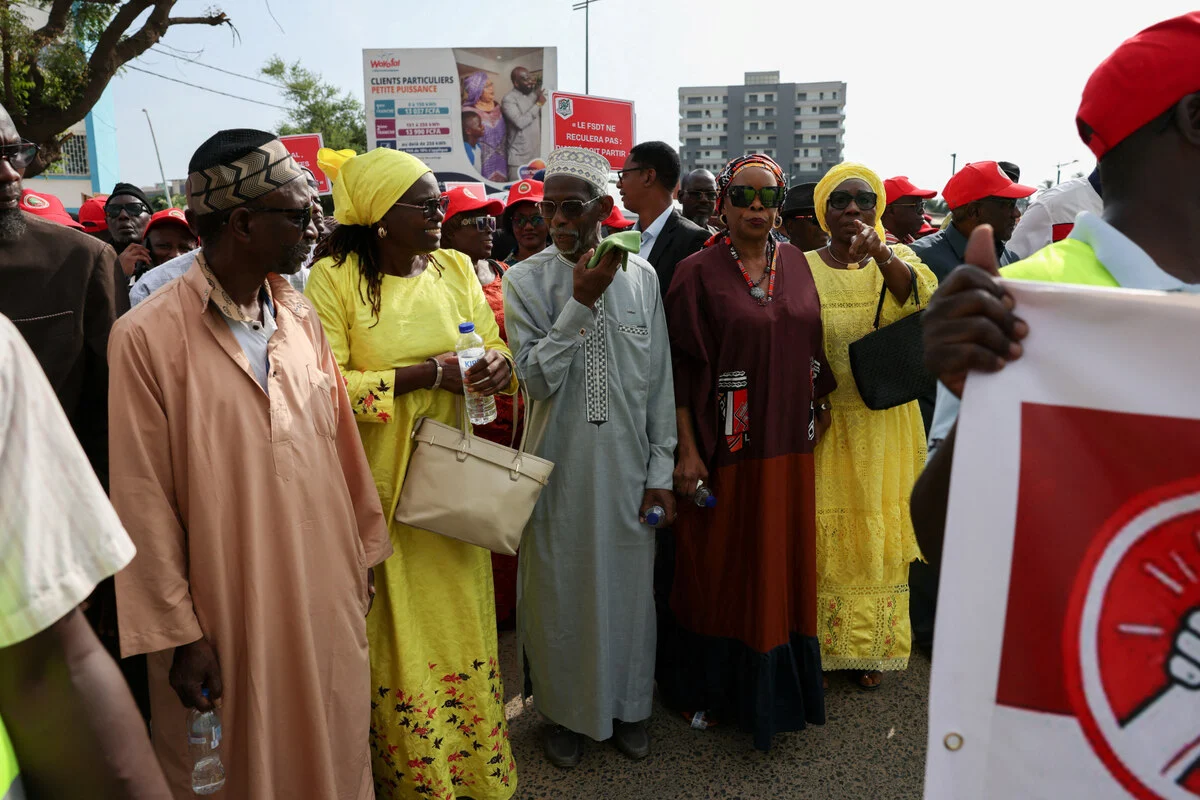
As Senegal prepares to host the Youth Olympic Games (JOJ)—the first-ever Olympic event on the African continent—the celebratory atmosphere in Dakar is being punctured by the harsh reality of social unrest. While the government has spent months polishing the capital’s infrastructure, a powerful coalition of 13 labor unions has launched a three-day general strike, transforming the city’s major arteries into hubs of protest rather than routes for international visitors.
The strike, which began on Wednesday, represents a significant escalation in the ongoing confrontation between the Senegalese government and its public sector workforce. With the games scheduled to open on October 31, the timing is a calculated challenge to President Diomaye Faye’s administration, highlighting a deep disconnect between the state’s desire for international prestige and the domestic reality of crushing inflation and stagnant wages.
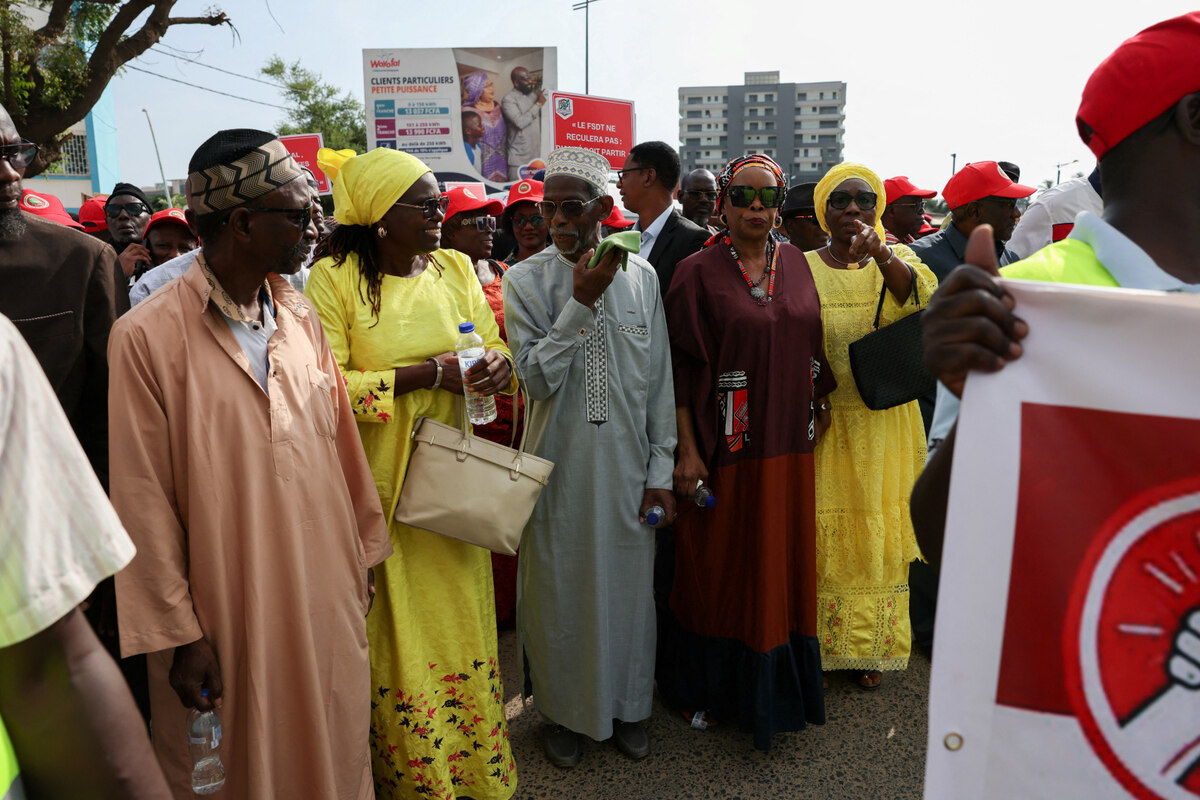
The Mirage of Progress: A City Prepped for Inspection
For weeks, the Senegalese government has been engaged in a frantic "beautification" campaign. Street markings have been repainted, sidewalks repaired, and, most notably, a new rail link connecting the international airport to the central train station was inaugurated just in time for the games. The government is desperate to project an image of a modern, efficient, and stable Senegal to the 2,700 young athletes arriving from across the globe.
However, beneath the fresh paint lies a crumbling social contract. The demonstrators, clad in red—the color of labor defiance—and armed with homemade signs, see the massive investment in Olympic infrastructure as a provocation. For them, the millions of CFA francs poured into hosting duties represent a misplaced priority in a country where the cost of living has skyrocketed and public services are in a state of decay.
Chronology of a Growing Crisis
The current unrest is not a sudden eruption but the culmination of months of political and economic friction.

- Early 2024: President Diomaye Faye assumes office, riding a wave of hope and reformist promises. The public expectation for immediate economic relief is immense.
- Spring 2024: A forensic audit reveals a staggering 13-billion-dollar "budget hole" left by the administration of former President Macky Sall. The discovery of long-hidden debt liabilities forces the new government into a position of fiscal austerity.
- Mid-2024: The partnership between President Faye and his influential Prime Minister Ousmane Sonko begins to fray. The political instability leads to a legislative deadlock, paralyzing the government’s ability to pass meaningful reforms.
- September 3, 2024: The government implements a new labor code that allows for four-year renewable fixed-term contracts. The move is viewed by unions as a direct attack on job security.
- October 15, 2024: Prime Minister Ahmadou Al Aminou Mohamed Lô makes a last-ditch plea to labor unions to suspend industrial action for three months, citing the need for stability during the upcoming Olympic Games.
- October 20, 2024: Union leaders hold mass demonstrations in Dakar, signaling their refusal to accept the government’s request for "patriotic patience."
- October 23, 2024: The three-day general strike officially commences, disrupting public services and transit across the capital.
The Economic Engine: Inflation vs. Austerity
The heart of the protest is the plummeting purchasing power of the average Senegalese citizen. Marieme Sakho Dansokho, a teacher participating in the protests, offers a simple but devastating metric: the price of a sack of rice. A year ago, it cost 8,000 CFA-Francs (approximately 12.20 euros); today, that same sack commands 12,000 CFA-Francs or more.
While the government touts a "booming" oil and gas sector, these revenues have yet to trickle down to the public. Instead, the country is grappling with the legacy of the previous administration’s financial mismanagement. The 13-billion-dollar deficit has severely limited the government’s fiscal maneuverability. When the state should be providing social relief, it is instead forced to service debts and cut costs, leaving the working class to bear the brunt of the "normalization" process.
Official Responses and the Rhetoric of "Patriotism"
The government’s response to the strike has been a mix of desperate appeals and thinly veiled threats. Mamadou Lamine Dianté, the Minister for Public Service and Labor, has urged workers to prioritize the "international image" of the nation over their grievances.

"The games are of great importance for the country’s international reputation," Dianté argued in a recent statement, appealing to the "responsibility" and "patriotic spirit" of the workforce. The government’s narrative is clear: the Youth Olympic Games are a national project that transcends individual or sectoral disputes.
However, this appeal has fallen on deaf ears. On Tuesday, the government hardened its tone, warning public servants that the strike would be met with salary deductions, disciplinary measures, and potential legal consequences. This shift from "patriotic appeal" to "disciplinary action" highlights the government’s growing anxiety as the clock ticks toward the opening ceremony.
The Structural Roots of the Dispute
The demands of the 13-union coalition are comprehensive, covering a broad spectrum of the Senegalese economy. They are not merely asking for higher wages; they are demanding a structural overhaul of their working conditions:

- Salary and Benefits: Immediate increases in base pay and the implementation of a 100,000 CFA-Franc (approx. 153 euro) housing allowance to combat the cost-of-living crisis.
- Labor Law Reform: The total rejection of the new labor code that permits excessive use of fixed-term contracts. The unions argue that these measures create a "precarious class" of workers with no long-term future.
- Social Infrastructure: Demands for better funding for healthcare, education, and transport, which they argue have been neglected in favor of the "prestige projects" associated with the Olympics.
The political impasse between President Faye and the parliamentary faction led by his former ally, Ousmane Sonko, has exacerbated the situation. With the opposition threatening to block the upcoming budget vote, the government is effectively trapped. It cannot satisfy the unions without further straining the budget, yet it cannot ignore the unions without risking total paralysis during the most high-profile event in the country’s history.
Implications for Senegal’s Future
The situation in Dakar is a microcosm of a larger challenge facing many African nations: how to balance the demands of global integration and international status with the urgent, foundational needs of the citizenry.
If the strike continues or intensifies, the international spotlight on the Youth Olympic Games will inevitably shift from the athletic achievements to the political dysfunction of the host nation. For the Faye administration, the games were meant to be a coming-out party—a signal that Senegal is a stable, emerging power. Instead, the streets of Dakar are telling a different story: a story of a nation where the divide between the political elite and the working public has become an unbridgeable chasm.

As the athletes arrive, they will be greeted by a city that is physically prepared but socially fractured. Whether the government can resolve this crisis through negotiation or if it will rely on the heavy hand of the state remains to be seen. What is certain, however, is that the Olympic flame in Dakar will be burning in the shadow of a profound and unresolved national struggle.
The unions have made their position clear: they are no longer willing to wait for the "trickle-down" effects of economic policy that never arrives. As one protestor put it, "We have waited for months. We have listened to promises. Now, we are hungry, and we are done waiting." As the government tries to maintain the facade of a successful host, it must face the reality that its greatest challenge is not the logistics of an international sports event, but the fundamental task of governing a population that has lost its faith in the promise of tomorrow.