In a landmark policy shift, the German federal government is moving to end the era of state-funded emergency relief for homeowners, proposing a mandatory "Elementarschaden" (natural hazard) insurance scheme. As climate change accelerates the frequency of extreme weather, the move aims to shift the financial burden from the taxpayer to the property owner.
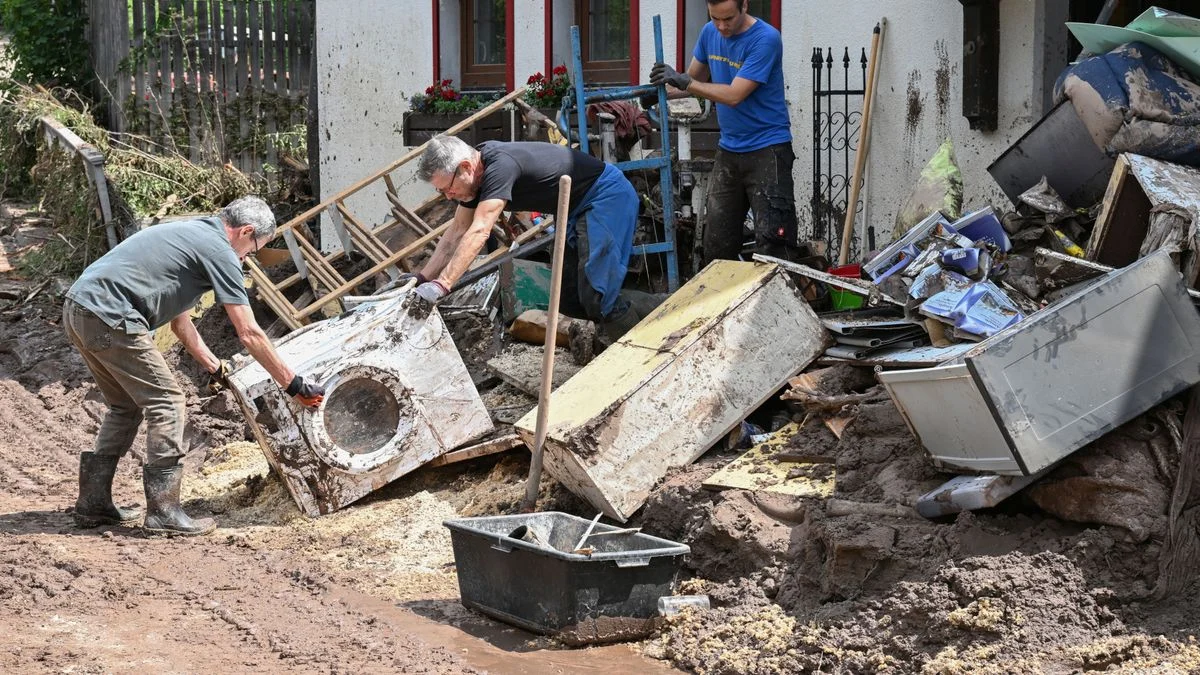
The proposal, drafted by Minister of Justice Stefanie Hubig and Minister of Finance Lars Klingbeil, signals a fundamental change in the social contract between the German state and its citizens. For decades, many Germans have relied on federal and state aid to rebuild their lives following catastrophes, such as the devastating Ahr Valley floods of 2021. The government now argues this approach is no longer sustainable.
The Core Proposal: Bridging the Protection Gap
The legislative framework, the details of which were exclusively obtained by Der Spiegel, outlines a system where every residential building policy in Germany must include coverage for natural hazards. Currently, standard building insurance covers damage from fire, lightning, storm, and hail, but explicitly excludes floods, heavy rain, earthquakes, and landslides.
Under the new proposal:
- Mandatory Inclusion: New residential building insurance contracts will automatically be required to include elementar-damage coverage.
- Grandfathering Existing Policies: Current insurance holders will see their existing policies extended to include these protections. Should a homeowner fail to respond to an offer from their insurer, the coverage will be automatically added after a one-year grace period.
- Risk-Based Pricing: Premiums will not be a flat rate; instead, they will be calculated based on the specific risk profile of the building’s location, mirroring the logic of private property risk assessment.
A Chronology of Climate and Consequence
The push for this legislation did not emerge in a vacuum; it is the culmination of years of escalating climate-related devastation.
2021: The Ahr Valley Tragedy: In July 2021, severe flooding caused historic levels of destruction across the Ahr Valley. The catastrophe claimed over 180 lives and caused billions of euros in damage. Despite the scale of the tragedy, it highlighted a startling trend: even in regions explicitly known to be at risk, insurance penetration remained low.
2021–2024: The Stagnation of Self-Insurance: In the three years following the Ahr Valley disaster, the insurance rate in the state of Rhineland-Palatinate—the region hit hardest—crept from 37% to only 42%. Nationwide, over 40% of residential buildings remain completely uninsured against natural disasters.

2026: The Legislative Pivot: Faced with the realization that voluntary insurance is insufficient to mitigate the financial risks of climate change, the Ministry of Justice and the Ministry of Finance announced the draft policy on October 21, 2026. The government has identified this as a necessary step to stabilize the housing market and individual household finances in an era of increasing volatility.
The Financial Burden: Deductibles and Costs
One of the most contentious aspects of the proposal is the distribution of costs. The government is currently exploring two models to ensure the system remains "socially acceptable."
- The Standard Model: Homeowners would be responsible for a maximum deductible of €20,000 in the event of a total loss.
- The "Minimum Insurance" Model: To ensure lower-income households can afford the premiums, the government is examining a "lite" version of the insurance. Under this structure, the premium would be significantly lower, but the homeowner would be required to cover up to €100,000 of the damage themselves.
To protect tenants, Hubig and Klingbeil are simultaneously drafting measures to prevent landlords from passing these insurance costs onto tenants, fearing that a surcharge could lead to an inflationary spike in the rental market.
Expert Analysis: The Insurance Industry’s Dilemma
The insurance industry, represented by Jörg Asmussen, General Manager of the German Insurance Association (GDV), has historically opposed a mandatory system, arguing that a mandate alone cannot stop a flood.
"It is correct to ensure that more buildings are insured against natural hazards," Asmussen stated in response to the announcement. "However, a mandatory policy does not prevent a single drop of water from causing damage. To ensure that protection remains affordable in 20 years, we need a combination of mandatory insurance, binding preventative infrastructure measures, and a state-backed reinsurance system for extreme catastrophes."
The industry’s concern is not just the immediate risk, but the long-term insurability of Germany’s housing stock. Insider reports from within the insurance sector warn that we are approaching a "tipping point." In areas prone to wildfires, coastal erosion, and frequent flooding, some insurers have already begun restricting or denying coverage.
Implications: The Looming Financial Crisis
The most alarming aspect of the current situation is the potential for a systemic financial crisis. If a significant percentage of homes become "uninsurable" due to high risk, their market value will plummet.

Economists are drawing parallels to the 2008 global financial crisis, which was exacerbated by the instability of the mortgage market. If banks find that the collateral for their home loans—the houses themselves—are no longer covered by insurance, the mortgage market could face a severe liquidity crisis. If properties lose their value because they are situated in "uninsurable" zones, the resulting negative equity could trigger a wave of defaults, destabilizing the banking sector.
The Future of Living in Germany
The government’s decision to mandate insurance is an admission that the state can no longer afford to be the "insurer of last resort." With climate change expected to increase the frequency of extreme events, the fiscal burden of rebuilding entire regions every few years would eventually exceed the government’s budgetary capacity.
For the average homeowner, this policy means an end to the "wait and see" approach. The cost of insurance—which currently averages between €92 and €200 annually, depending on risk zones—is expected to rise as insurers recalibrate their risk models to reflect the reality of the 21st-century climate.
As Germany moves toward this mandatory model, the focus will likely shift to urban planning. If the price of insurance becomes the primary indicator of a property’s true cost, we may see a decline in real estate value for properties in floodplains and a renewed focus on climate-resilient construction.
The era where the state absorbed the cost of nature’s fury is closing. In its place, a new reality is emerging: one where every homeowner must weigh the cost of their premium against the inevitable volatility of the environment. Whether this policy effectively secures the future of German housing or merely shifts the burden of a growing crisis remains to be seen.