Brasília, Brazil – October 21, 2026 – Just days before Brazil’s highly anticipated presidential run-off election, the already acrimonious campaign has plunged into unprecedented legal chaos. Both incumbent President Luiz Inácio Lula da Silva and his far-right challenger, Jair Bolsonaro, have filed separate petitions with the Supreme Federal Court (STF) demanding the annulment of their opponent’s candidacy. This extraordinary escalation underscores the deep polarization gripping the nation and casts a shadow of uncertainty over the democratic process ahead of the October 25th vote.
The mutual demands for exclusion stem from grave allegations of electoral impropriety. President Lula da Silva’s campaign accuses the U.S. technology giant Meta Platforms Inc. – the parent company of Facebook, Instagram, and WhatsApp – of manipulating its algorithms to unfairly disadvantage his candidacy. Conversely, Bolsonaro’s campaign has fired back with accusations of "abuse of power" against President Lula, specifically citing concerns over his activities and content disseminated through WhatsApp. Meta has vehemently denied Lula’s claims, attributing any anomalies to "technical problems."
This development marks a critical juncture in one of Brazil’s most consequential elections, forcing the country’s highest court to grapple with complex legal, technological, and political questions under immense public scrutiny and against an exceptionally tight deadline.
Main Facts: A Contentious Race Plunges into Legal Turmoil
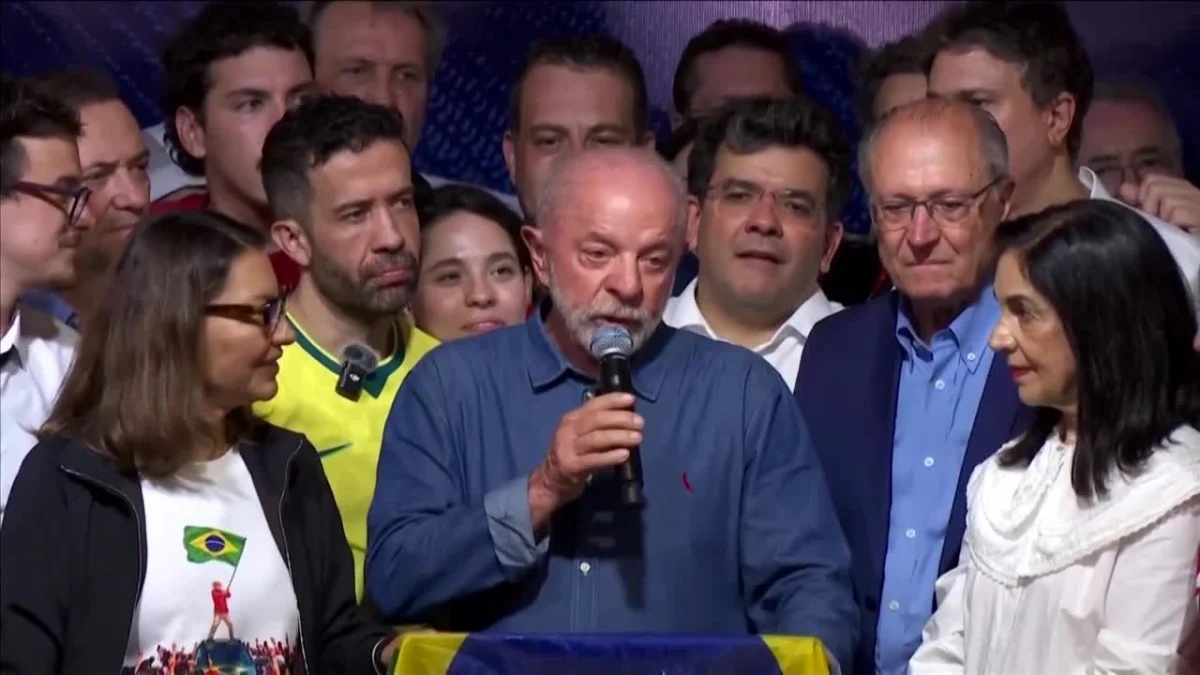
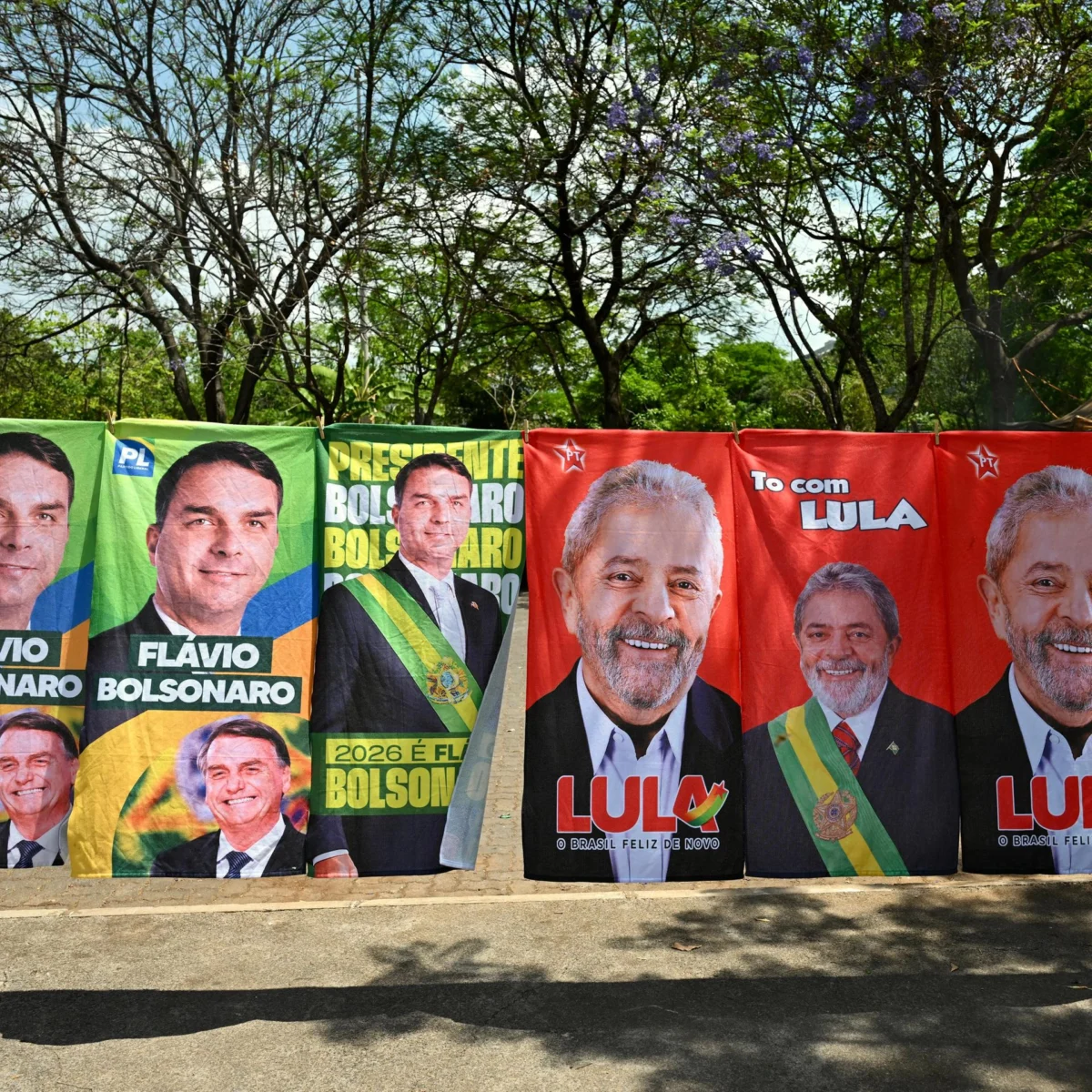
Brazil is on the brink of its decisive presidential run-off election, scheduled for October 25, 2026. The two contenders are the veteran leftist leader, President Luiz Inácio Lula da Silva of the Workers’ Party (PT), and his formidable far-right adversary, former President Jair Bolsonaro. The race, which saw neither candidate secure an outright majority in the first round, has been characterized by intense rivalry, ideological clashes, and a deeply divided electorate.
However, the political contest has now taken a dramatic turn, moving from the campaign trail into the hallowed halls of the Supreme Federal Court (STF). On October 21, 2026, the news agency AFP reported that President Lula da Silva’s campaign officially requested the STF to annul Bolsonaro’s candidacy. The basis of this unprecedented request lies in allegations that Meta Platforms Inc., through its dominant social media platforms, deliberately manipulated algorithms to create an unfair disadvantage for Lula’s re-election bid. Meta, for its part, quickly dismissed these serious accusations, attributing any reported issues to mere "technical problems."
In a swift and equally striking counter-move, the Bolsonaro campaign lodged its own petition with the STF, seeking the annulment of Lula’s candidacy. This retaliatory action centers on claims of "abuse of power" by the incumbent president, specifically pointing to his use of the widely popular messaging application, WhatsApp.
The STF now faces the monumental task of evaluating these explosive, mutually exclusive claims of electoral misconduct within a mere four days, a timeframe that underscores the urgency and potential volatility of the situation. The outcome of these legal battles could fundamentally alter the course of the election, or at the very least, profoundly impact its perceived legitimacy, regardless of who ultimately prevails at the ballot box.
Chronology of Escalation
The current legal maelstrom did not emerge in a vacuum but is the culmination of a deeply contentious and prolonged electoral cycle.
The Road to the Run-off
The journey to this pivotal run-off began with the first round of voting, held earlier in October. The election pitted two of Brazil’s most influential and polarizing figures against each other. President Lula da Silva, a former two-term president who returned to the political arena after a period of incarceration on corruption charges (later overturned), sought to reclaim the nation’s top office on a platform emphasizing social programs, environmental protection, and a return to economic stability. Jair Bolsonaro, who governed from 2019 to 2022, aimed to regain power with a message focused on conservative values, law and order, and a free-market economy.
The first round results were exceptionally close, with Lula securing a plurality of votes but falling short of the 50% plus one vote required to avoid a run-off. Bolsonaro, despite a strong showing, also failed to reach the threshold, setting the stage for the head-to-head confrontation scheduled for October 25th. The narrow margin of victory for Lula in the first round, often just a few percentage points, amplified the intensity and stakes of the second round.
The Digital Battleground: Campaign Intensity and Allegations
In the period between the first and second rounds, the campaign intensified dramatically. Both candidates poured resources into mobilizing their bases, engaging in heated debates, and dominating the digital landscape. Social media, particularly WhatsApp, Instagram, and Facebook, became critical battlegrounds for disseminating campaign messages, mobilizing supporters, and, inevitably, for spreading misinformation and engaging in aggressive attacks against opponents.
It was within this charged digital environment that the first major legal salvo was fired. On October 21, 2026, Lula’s campaign officially lodged its complaint with the Supreme Federal Court. The core of their argument, as reported by AFP, was a sophisticated claim of algorithmic manipulation by Meta Platforms Inc. The campaign alleged that Meta’s proprietary algorithms, which govern content visibility and distribution across Facebook, Instagram, and WhatsApp, were systematically biased against President Lula, suppressing his messages, limiting his reach, and effectively disadvantaging his electoral efforts. This accusation suggested a deliberate interference in the democratic process by a foreign technology conglomerate.
Meta’s immediate response was a categorical denial. The company issued a statement asserting that there was no intentional manipulation and attributed any discrepancies or issues in content visibility to "technical problems" – a broad term that could encompass anything from system glitches to routine algorithm updates or content moderation errors. However, for Lula’s campaign, this explanation was insufficient, fueling their conviction that a more insidious pattern of interference was at play.
Bolsonaro’s Retaliation and the "Abuse of Power" Claim
Hardly hours after Lula’s campaign launched its legal offensive, the Bolsonaro campaign retaliated with its own petition to the STF. This counter-claim accused President Lula da Silva of "abuse of power," specifically highlighting his extensive use of WhatsApp. The nature of this alleged abuse was not immediately detailed but broadly implied the misuse of the presidential office or resources, or the dissemination of unlawful or manipulative content through the popular messaging platform, to gain an unfair electoral advantage. This mirrored, in a sense, Lula’s focus on digital platforms, albeit from a different angle of alleged misconduct.
The timing of these legal challenges, just four days before the run-off, has created an unprecedented situation. The Supreme Federal Court, typically tasked with interpreting the constitution and ensuring the rule of law, is now thrust into the role of adjudicator in a highly politicized electoral dispute, under immense pressure to render a decision that could reshape the election’s outcome or its legitimacy. The looming October 25th run-off date means any ruling by the STF would have immediate and profound consequences, potentially altering the very fabric of Brazil’s democratic framework.
Supporting Data and Context
The current legal imbroglio surrounding Brazil’s presidential run-off is deeply rooted in the country’s unique political landscape, its relationship with digital technology, and the enduring legacy of polarization.
The Pervasive Influence of Social Media in Brazilian Elections
Brazil stands out globally for its exceptionally high social media penetration and the integral role these platforms play in political discourse. WhatsApp, in particular, is not merely a messaging app but a primary source of news and political information for a vast segment of the Brazilian population. Its encrypted, group-chat functionality has made it a potent tool for rapid information dissemination, campaign organization, and unfortunately, the viral spread of misinformation and disinformation, often referred to as "fake news."
Past Brazilian elections, most notably the 2018 presidential election that brought Jair Bolsonaro to power, were heavily influenced by social media campaigns. Concerns about the widespread dissemination of false narratives, often amplified by automated bots and coordinated networks, have been a recurring theme. These issues have led to calls for stricter regulation of digital platforms and greater transparency regarding their content moderation and algorithmic practices. Lula’s current allegations against Meta resonate with these historical concerns, suggesting a continuity of challenges in safeguarding the integrity of the digital electoral space.
Allegations Against Meta: Unpacking Algorithmic Manipulation
Lula’s campaign’s accusation of Meta manipulating algorithms raises profound questions about the power and responsibility of global tech giants in democratic processes. Algorithmic manipulation can manifest in various subtle yet impactful ways:
- Shadow-banning: Reducing the visibility of a candidate’s posts without explicit notification.
- Content Suppression: Downranking or removing content that is critical of one candidate or favorable to another, under the guise of content moderation policies.
- Algorithmic Bias: The inherent design of an algorithm, even if not intentionally malicious, can inadvertently favor certain types of content or narratives, thereby benefiting one campaign over another.
- Targeted Reach Limitation: Restricting the audience size for specific campaign messages, effectively limiting their organic spread.
Meta, like other tech giants, has faced numerous controversies globally regarding its handling of election-related content, data privacy, and the impact of its algorithms. The Cambridge Analytica scandal, whistleblower testimonies detailing internal awareness of platform harms, and ongoing debates about Section 230 in the U.S. all highlight the systemic challenges in regulating these platforms. For Lula’s campaign to claim deliberate manipulation suggests they believe they have evidence pointing beyond mere "technical glitches" to a pattern of systemic bias that disproportionately affected their digital outreach efforts. Proving such a claim in court, however, is notoriously difficult, requiring access to proprietary algorithms and internal data.
Bolsonaro’s "Abuse of Power" Claim: The WhatsApp Angle
Bolsonaro’s counter-accusation of "abuse of power" by President Lula, particularly concerning WhatsApp, touches upon different facets of electoral law and ethical conduct. "Abuse of power" in an electoral context typically refers to the use of public office, state resources, or official influence to gain an unfair advantage in an election. This could involve:
- Misuse of Public Resources: Leveraging government communication channels or personnel for campaign purposes.
- Dissemination of Misinformation: Using the power of the presidential office to spread false or misleading information via large WhatsApp groups or official channels.
- Illegal Campaign Finance: Coordinated, undeclared campaign activities facilitated through WhatsApp groups.
- Direct Interference: Allegations of the president using his position to unduly influence electoral actors or processes through digital means.
Brazil has stringent electoral laws governing campaign conduct, particularly concerning the use of public resources and the spread of misinformation. The Supreme Federal Court and the Superior Electoral Court (TSE) have previously intervened to address instances of misinformation and undue influence in elections. Bolsonaro’s claim, therefore, seeks to frame Lula’s digital campaign activities as a violation of these established norms, potentially undermining the fairness of the election.
The Supreme Federal Court: Brazil’s Judicial Crucible
Brazil’s Supreme Federal Court (STF) is a powerful and highly influential institution, often seen as the ultimate guardian of the constitution and democracy. Its justices are appointed for life and frequently find themselves at the epicenter of major political crises, interpreting laws, adjudicating disputes between branches of government, and making decisions that profoundly impact national policy and political outcomes.
The STF has a history of intervening in electoral matters, particularly when there are allegations of serious misconduct or threats to the democratic order. However, being asked to annul a presidential candidacy just days before a run-off is an unprecedented challenge. The court faces immense pressure to act swiftly, impartially, and with the utmost legal rigor. The complexity of the claims – proving algorithmic bias versus defining "abuse of power" through WhatsApp – combined with the compressed timeline, makes this one of the most significant judicial tests in recent Brazilian history. The political legitimacy of any ruling, regardless of its content, will be intensely scrutinized by both domestic and international observers.
Official Responses and Reactions
The dual legal challenges have elicited immediate and strong reactions from all parties involved, as well as from legal experts and the broader political community.
Meta’s Official Stance
Meta Platforms Inc. was quick to issue a public statement in response to President Lula’s allegations. The company categorically denied any intentional manipulation of its algorithms to disadvantage Lula’s campaign. Instead, Meta attributed any reported anomalies in content reach or visibility to "technical problems." This explanation is a common corporate defense in such situations, seeking to frame issues as systemic glitches rather than deliberate actions. However, for critics and Lula’s campaign, this response often rings hollow, given Meta’s history of controversies surrounding data, content moderation, and algorithmic transparency. The company did not immediately provide further details regarding the nature of these "technical problems," leaving room for speculation about whether they refer to bugs, routine updates, or other factors. The challenge for Meta will be to provide credible evidence to support its claims, particularly if the STF decides to delve deeper into the technical aspects of Lula’s petition.
Lula’s Campaign Team’s Position
Lula’s campaign team expressed confidence in the merits of their case before the Supreme Federal Court. They argued that the alleged algorithmic manipulation by Meta represents a grave and systematic interference in the democratic process, potentially disenfranchising voters and unfairly skewing the election results. Campaign spokespersons emphasized the pervasive influence of Meta’s platforms in Brazil and the critical importance of ensuring a level playing field in the digital sphere. They likely presented internal data or expert analyses to the STF, purporting to show a measurable disadvantage in their digital reach compared to Bolsonaro’s campaign or previous electoral cycles. Their legal strategy seems focused on portraying Meta as a foreign entity unduly influencing a sovereign election, a narrative that resonates with broader concerns about tech power.
Bolsonaro’s Campaign Team’s Position
Bolsonaro’s campaign, equally resolute, presented their "abuse of power" petition as a necessary countermeasure and a defense against what they perceive as Lula’s own electoral misconduct. They accused the incumbent president of leveraging his office and the popular WhatsApp platform to gain an unfair advantage, potentially through the dissemination of propaganda, the misuse of official channels, or other actions that violate electoral ethics. While specific details of the alleged "abuse of power" concerning WhatsApp were not immediately public, it is likely they pointed to instances of mass messaging, coordinated digital attacks, or the use of government-affiliated networks to boost Lula’s image or denigrate Bolsonaro. Their legal strategy aims to discredit Lula’s campaign and present him as someone willing to overstep boundaries to secure victory.
Legal Experts and Political Analysts
Legal experts and political analysts across Brazil have reacted with a mixture of concern and skepticism regarding the feasibility and implications of these petitions. Many agree that proving algorithmic manipulation is an extremely complex undertaking, requiring access to proprietary company data and sophisticated technical analysis, which the STF may not have the resources or expertise to conduct swiftly. Similarly, defining and proving "abuse of power" specifically through WhatsApp messages could be challenging, as it requires distinguishing between legitimate campaign activities and illegal influence.
There is broad consensus that the STF faces an unenviable task. Many experts have cautioned against the court annulling a presidential candidacy so close to an election, highlighting the potential for political instability and a constitutional crisis. Such an intervention, while legally possible under extreme circumstances, would be unprecedented in its timing and scale. Some analysts suggest the court might be more inclined to issue injunctions or demand greater transparency from Meta, rather than outright annulment, to avoid destabilizing the entire electoral process. International observers have also voiced concerns, emphasizing the importance of upholding democratic institutions and the rule of law amidst such high-stakes legal battles.
Implications and Outlook
The legal challenges launched by both presidential campaigns have cast a profound shadow over Brazil’s democratic future, raising critical questions about electoral integrity, the role of technology, and institutional stability.
Impact on Voter Confidence
The immediate and most significant implication is the potential erosion of voter confidence. When both leading candidates accuse the other of fundamental electoral misconduct and demand their exclusion, it inevitably sows seeds of doubt among the electorate. Voters may become skeptical of the fairness of the process, the legitimacy of the institutions, and ultimately, the validity of the election outcome. This could lead to increased political apathy, or, conversely, heightened anger and potential civil unrest, regardless of who wins on October 25th. The perception that the election is being decided in the courts rather than by the ballot box is a dangerous precedent for any democracy.
Potential Outcomes of the Supreme Court’s Decisions
The Supreme Federal Court faces an agonizing set of choices, each with far-reaching consequences:
- Both Petitions Rejected: The STF could rule that neither campaign has presented sufficient evidence for the annulment of their opponent’s candidacy, or that the legal and logistical challenges of adjudicating such complex claims so close to the election are insurmountable. In this scenario, the election would proceed as planned, but the accusations would linger, potentially delegitimizing the winner in the eyes of the losing side’s supporters.
- One Petition Accepted, One Rejected: This outcome would be explosive. If, for example, the STF were to annul Bolsonaro’s candidacy based on Lula’s Meta allegations, or vice-versa based on the "abuse of power" claim, it would plunge Brazil into an unprecedented constitutional crisis. The excluded candidate’s supporters would likely view the decision as a judicial coup, leading to widespread protests, social unrest, and potentially a fundamental challenge to the democratic order. The legal framework for replacing a candidate at such a late stage would also be highly contested.
- Both Petitions Accepted: While highly improbable, if the STF were to annul both candidacies, it would create an unparalleled political vacuum. This scenario would necessitate a complete re-evaluation of the electoral process, potentially requiring new elections with different candidates, an interim government, or other extraordinary measures. Such an outcome would signify a profound systemic failure and an existential crisis for Brazilian democracy.
The Future of Brazilian Democracy
Beyond the immediate election, these legal battles have long-term implications for the rule of law, the role of social media companies in elections, and the nature of political discourse in Brazil. The STF’s decisions will set crucial precedents for how allegations of algorithmic manipulation and digital abuse of power are handled in future elections. It will also highlight the urgent need for robust regulatory frameworks for social media platforms to ensure transparency and accountability, especially in politically sensitive contexts.
The deep political polarization, exacerbated by these legal maneuvers, threatens to undermine the foundational principles of consensus and compromise necessary for a functioning democracy. The "us vs. them" narrative, already prevalent, risks hardening into an intractable divide where the legitimacy of the opposition is constantly questioned.
Beyond Election Day: A Contested Mandate?
Even if the run-off proceeds on October 25th without a candidacy annulment, the legal battles might not conclude. The losing side could continue to challenge the election results in court, citing the very allegations currently before the STF. This would mean that even a declared winner might face a prolonged period of legal challenges, potentially leading to a contested mandate and prolonged political instability.
As Brazilians head to the polls on October 25th, they do so under the shadow of profound legal uncertainty. The Supreme Federal Court’s imminent decisions, whatever they may be, will undoubtedly shape not just the outcome of this election, but potentially the very trajectory of Brazilian democracy for years to come.