Executive Summary: A Continent Under Pressure
In the wake of the ongoing conflict in Iran—a geopolitical crisis that has sent shockwaves through global energy markets—the European Union finds itself at a critical juncture. Since the onset of the conflict, the member states of the European Union have collectively shouldered an unprecedented financial burden, shelling out over 100 billion euros in additional costs for energy imports.
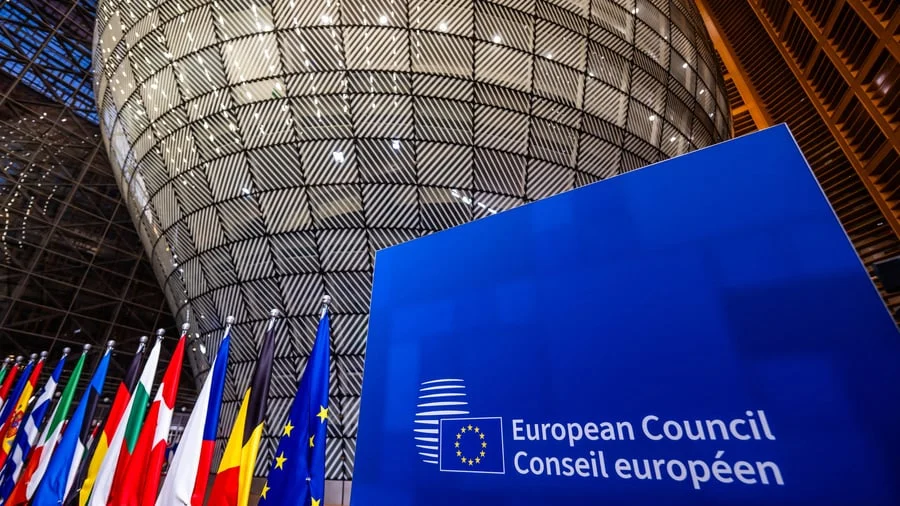
Faced with this fiscal hemorrhage and the looming threat of industrial stagnation, German Chancellor Olaf Merz and his EU counterparts have converged on a unified strategy: the urgent implementation of coordinated, cross-border measures designed to tame volatile energy prices. The consensus among the leaders is clear—the era of fragmented, nationalistic energy policies must give way to a more integrated European approach to ensure long-term stability and economic security.
Chronology of the Crisis: From Stability to Emergency
The current energy crisis did not materialize overnight. Its roots trace back to the initial instability caused by the Iran-related geopolitical tensions, which disrupted traditional supply chains and severely limited the availability of affordable hydrocarbons.

- Phase I: The Initial Shock. As hostilities commenced, energy markets reacted with immediate volatility. Gas and oil futures saw historic spikes, leaving many European nations, which had relied on diversified but expensive imports, struggling to balance their national budgets.
- Phase II: The Cost of Dependence. Over the subsequent months, the cumulative cost of these imports soared past the 100-billion-euro threshold. This drain on capital has limited the ability of member states to invest in domestic infrastructure and social programs.
- Phase III: The Diplomatic Pivot. Recognizing that individual national efforts were insufficient, leadership in Berlin, Paris, and Brussels began coordinating a multilateral response. The recent EU summit serves as the culmination of these preliminary diplomatic efforts, shifting the focus from crisis management to systemic structural reform.
Supporting Data: The Fiscal Reality
To understand the urgency of the EU’s actions, one must look at the data. The 100-billion-euro figure represents more than just a line item in a ledger; it signifies a massive transfer of wealth out of the European economy.
Import Costs and Inflationary Pressures
The surge in import costs has acted as a primary driver of inflation across the Eurozone. While the European Central Bank has attempted to curb inflationary pressures through monetary policy, the structural reality of high energy input costs remains a stubborn obstacle. Energy-intensive sectors, including chemicals, manufacturing, and automotive production, have seen their margins compressed, leading to a significant risk of deindustrialization if price stability is not achieved.
Emission Trading and Market Stability
The current proposal also addresses the complexities of the EU’s Emissions Trading System (ETS). Companies are required to purchase certificates to cover their carbon footprint; however, extreme market volatility has made it difficult for firms to plan long-term investments. The proposal to accelerate the implementation of the "Market Stability Reserve" is designed to act as a buffer, smoothing out the peaks and valleys in the pricing of these certificates.

The Strategic Path Forward: Proposed Measures
While the full scope of the legislative packages remains in development, the broad strokes of the EU’s strategy have begun to emerge.
1. Regulatory Flexibility and Methane Reduction
A significant point of discussion involves the relaxation of specific environmental standards to facilitate faster energy production and transition. The European Commission has signaled a willingness to loosen certain climate protection regulations regarding methane emissions. By removing overly burdensome administrative hurdles, the EU hopes to encourage cleaner, more efficient extraction and transport processes without compromising the long-term goals of the Green Deal.
2. Voluntary Demand Aggregation
Perhaps the most ambitious proposal on the table is the creation of a framework for the voluntary bundling of energy demand. By acting as a single, massive purchaser, the EU could wield significant bargaining power against global energy suppliers. This "buyer’s club" model aims to eliminate the competition between member states for limited supply, which has historically driven prices upward.
3. Reform of the Emissions Trading System (ETS)
The leaders have called for the ETS to become more predictable. The goal is to ensure that companies can anticipate the costs associated with their carbon emissions. By speeding up the legislative process for the market stability mechanism, the EU hopes to provide businesses with the certainty they need to invest in decarbonization technologies rather than simply paying for their current output.
Official Responses and Political Dynamics
The discourse at the summit was characterized by a rare sense of alignment, though not without underlying tensions.
The Stance of the German Chancellor
Chancellor Merz has been a vocal advocate for a "Europeanized" energy market. In his press briefings, he emphasized that "no member state can withstand these global pressures in isolation." His administration is pushing for a deeper integration of power grids and a shared approach to strategic reserves, arguing that this is the only way to insulate the European consumer from the whims of international conflict.

The Italian Perspective
Italy, represented by its government officials, has been particularly cautious regarding the expansion of the emissions trading system to include heating and transport fuels. Italy has successfully lobbied for a thorough impact assessment, ensuring that the burden of the energy transition does not fall disproportionately on lower-income households. The EU’s commitment to "examine the consequences" of these new systems is a direct result of this pressure.
Implications: A New Era for Europe
The implications of these measures extend far beyond the immediate goal of price reduction. They represent a fundamental shift in the relationship between the EU and its member states.
Sovereignty vs. Solidarity
For decades, energy policy was considered a purely national prerogative. By moving toward joint purchasing and shared market stability mechanisms, the EU is effectively pooling a significant portion of its economic sovereignty. This move suggests that the political cost of losing autonomy is now viewed as lower than the economic cost of inaction.

The 2028 Horizon
The implementation of the new emissions trading system for fuels like gasoline and natural gas, scheduled for 2028, will be a defining moment for the continent. As these costs are integrated into the price of heating and transport, the EU will face the ultimate test of its social cohesion. The success of these policies will depend on whether the revenue generated from these carbon prices can be effectively redistributed to support the most vulnerable populations, preventing the political polarization that often accompanies green transitions.
Future Economic Resilience
If successful, these measures will create a more resilient European energy landscape. By reducing dependency on volatile spot markets and increasing the predictability of industrial input costs, the EU could restore its competitive edge on the global stage. However, the path is fraught with technical, legal, and diplomatic challenges.
The task ahead for the European Commission is to translate these broad political agreements into concrete, enforceable regulations that respect the diversity of the member states’ energy mixes while maintaining a unified front. The eyes of the world, and more importantly, the eyes of European industry and consumers, are fixed on Brussels to see if this promise of unity will translate into the tangible relief that the economy so desperately needs.

Conclusion
The path to energy security in Europe is no longer a matter of national policy, but of collective survival. As the EU navigates the consequences of the Iran-related conflict, the emphasis on market stability, joint demand management, and predictable regulatory environments marks a maturation of the European project. While the road ahead is long and the fiscal impact of the current crisis will be felt for years, the unified approach demonstrated at the recent summit provides a necessary foundation for a more stable and prosperous future. The transition to a greener, more self-sufficient energy system is no longer just an environmental goal—it is the bedrock upon which the future of the European economy will be built.