By Tech Analysis Desk
October 8, 2026
In a monumental strategic shift that signals the end of a decade-long experiment, Amazon has officially moved away from its proprietary "Fire OS" platform. With the launch of its new "Alexa Tablet" lineup, the e-commerce giant is not only embracing Google’s standard Android operating system but is also making a concerted effort to exit the budget-hardware trap, setting its sights firmly on the premium territory currently dominated by Apple’s iPad and Samsung’s Galaxy Tab series.
Main Facts: A Fundamental Change in Philosophy
The transition from Fire OS to standard Android is more than a mere software update; it is a declaration of independence from a walled garden that often restricted user choice. For years, Amazon’s tablets operated on a heavily modified, "forked" version of Android that stripped away Google services, effectively locking users into Amazon’s own Appstore.
With the new Alexa Tablets, users gain native access to the Google Play Store, opening the floodgates to a vast ecosystem of applications that were previously cumbersome or impossible to install. The devices are branded as "Alexa Tablets," reflecting a deep, system-level integration of Amazon’s artificial intelligence. This rebranding suggests that while the OS is now open, the hardware remains a vessel for Amazon’s broader service architecture, including Prime Video, Kindle, and its sprawling e-commerce ecosystem.

The flagship of this new offensive is the Alexa Tablet 12 Pro. Featuring a 12-inch display with a 3:2 aspect ratio, the device is clearly aimed at professionals and power users. Notably, Amazon has introduced a matte display option—utilizing a photolithography process developed with Corning—to reduce glare, a direct answer to Apple’s high-end Nano-texture glass.
Chronology: From Loss-Leader to Premium Contender
To understand the magnitude of this shift, one must look back at the origins of the Fire tablet project.
- 2011: Amazon releases the first Kindle Fire, a device sold at or near cost. The goal was never to profit from hardware, but to create a portal for digital consumption.
- 2012–2020: The "Fire" brand cements itself in the low-cost tablet market. While hardware specifications were often criticized as mediocre, the low price point made them ubiquitous in households as media consumption devices.
- 2023–2025: Increasing competition from low-cost Chinese tablet manufacturers and the declining novelty of the Fire OS interface lead to stagnating sales. Meanwhile, the cost of silicon and display components continues to climb.
- October 2026: Amazon pulls the plug on the Fire OS development branch. The introduction of the Alexa Tablet 12 Pro, 11-inch, and 8-inch models marks the first time in fifteen years that Amazon hardware runs "vanilla" Android.
Supporting Data: Specifications and Pricing
Amazon’s move to distance itself from the "cheap tablet" label is reflected in its pricing and hardware specs. The company is no longer prioritizing the "sub-$100" entry point that once defined the Fire tablet line.
The Alexa Tablet 12 Pro:

- Base Model (Standard Display): 8 GB RAM / 128 GB Storage starting at €499.99.
- Matte Display Variant: Starts at €559.99.
- High-End Variant: 16 GB RAM / 256 GB Storage at €559.99.
The Mainstream Lineup:
- 11-inch Model: Starts at €329.99 (or €349.99 without lock-screen advertising).
- 8-inch Model: Starts at €229.99 (or €249.99 without lock-screen advertising).
- Kids Editions: Ranging from 8.7 to 11 inches, bundled with protective gear, starting at €229.99.
The inclusion of 8 GB to 16 GB of RAM is a significant jump from previous Fire tablets, which often struggled with multitasking. By leveraging standard Android, Amazon has been able to implement better window management and memory optimization, which the company claims was a key driver in the decision to move away from its custom OS.
Official Responses: Why the Change?
Kevin Keith, the Amazon manager overseeing the transition, addressed the rationale behind the pivot in a press briefing. When asked why the company abandoned its own software, Keith noted that the evolution of the Android ecosystem made the "forked" approach obsolete.
"Android has matured significantly in its ability to handle multitasking, window management, and memory efficiency," Keith explained. "We reached a point where the overhead of maintaining our own variant was no longer providing a superior user experience compared to what the open Android ecosystem offers today."

Keith also addressed the elephant in the room: the rising cost of hardware. The global shortage of memory chips, fueled by the massive demand for AI data center infrastructure, has hit tablet manufacturers hard. Amazon has historically subsidized hardware to drive service subscriptions. With these new, more expensive devices, Amazon is consciously opting for thinner margins to remain competitive against Apple, rather than passing the full cost of inflation on to the consumer.
Implications: The Battle for the Premium Space
This transition has profound implications for the tablet market and Amazon’s internal strategy.
1. The Death of the "Walled Garden"
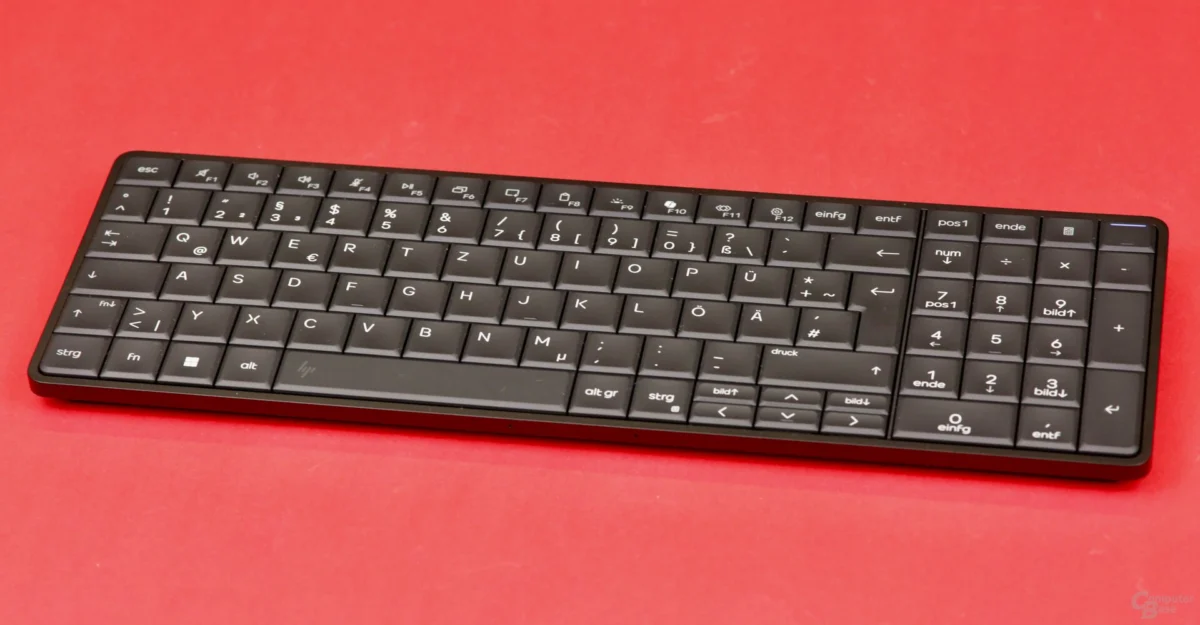
For consumers, the most immediate benefit is the accessibility of the Google Play Store. The "Fire" experience was often hampered by the lack of critical productivity apps. By adopting standard Android, Amazon is effectively turning its tablets into legitimate productivity tools. The addition of magnetic keyboards and stylus support, paired with the Kindle app’s new "focus mode" (which disables notifications and reduces blue light), positions these devices as serious alternatives to the iPad Air or the Galaxy Tab S-series.
2. The AI Integration: Alexa+
Perhaps the most intriguing aspect of the new hardware is "Alexa+." This subscription-based service allows the tablet to "see" and analyze the screen in real-time. If a user is watching a video of a specific jacket, they can prompt Alexa to find and purchase it on Amazon. By moving to standard Android, Amazon can integrate this AI more deeply into third-party apps, potentially turning every app on the tablet into a gateway for Amazon’s commerce engine.

3. A Strategic Retreat from the "Bottom"
By abandoning the sub-$100 price bracket, Amazon is signaling that it no longer cares to dominate the ultra-low-end tablet market, a space currently flooded by generic, unbranded devices. Instead, the company is betting that its brand recognition, combined with the convenience of its retail ecosystem and the reliability of a standard Android experience, will allow it to capture the "prosumer" segment.
4. Competitive Pressure on Apple and Samsung
For years, Apple’s iPad has been the undisputed king of the tablet space, while Samsung held the Android crown. Amazon is now attempting to disrupt this duopoly. By offering hardware that is comparable in build quality to an iPad but runs the more flexible Android OS, Amazon is gambling that power users will prefer a device that integrates seamlessly with their Amazon Prime account while still allowing the freedom of the Play Store.
Conclusion
The release of the Alexa Tablet series is an admission that the era of the "Amazon-exclusive" software environment has reached its limit. While the company will continue to support legacy Fire OS devices for the time being, the writing is on the wall. Amazon is pivoting from being a vendor of cheap, restrictive media players to a manufacturer of premium, versatile computing devices.
Whether the market—which has long associated Amazon tablets with budget-friendly, low-spec hardware—will accept this shift remains to be seen. However, by finally aligning with the global Android standard, Amazon has removed the biggest barrier to its success, setting the stage for one of the most interesting hardware battles of the decade. As the company sacrifices short-term margins for long-term ecosystem relevance, it is clear that Amazon is no longer content with just being a place to watch movies; they want the device in your hand to be your primary window to the digital world.