Italy’s post-pandemic recovery was framed as a historic opportunity—a massive injection of capital intended not just to patch the wounds of COVID-19, but to fundamentally modernize the nation’s infrastructure, economy, and social fabric. With a staggering €194.4 billion allocated from the European Union’s "Next Generation EU" (NGEU) recovery fund, Italy secured the largest share of any member state. Yet, as the program reaches its maturity, the reality on the ground offers a complex, often sobering picture of administrative strain, logistical hurdles, and the precarious nature of "artificial" revitalization.
The Microcosm of Campolo: A Village Reborn on Paper
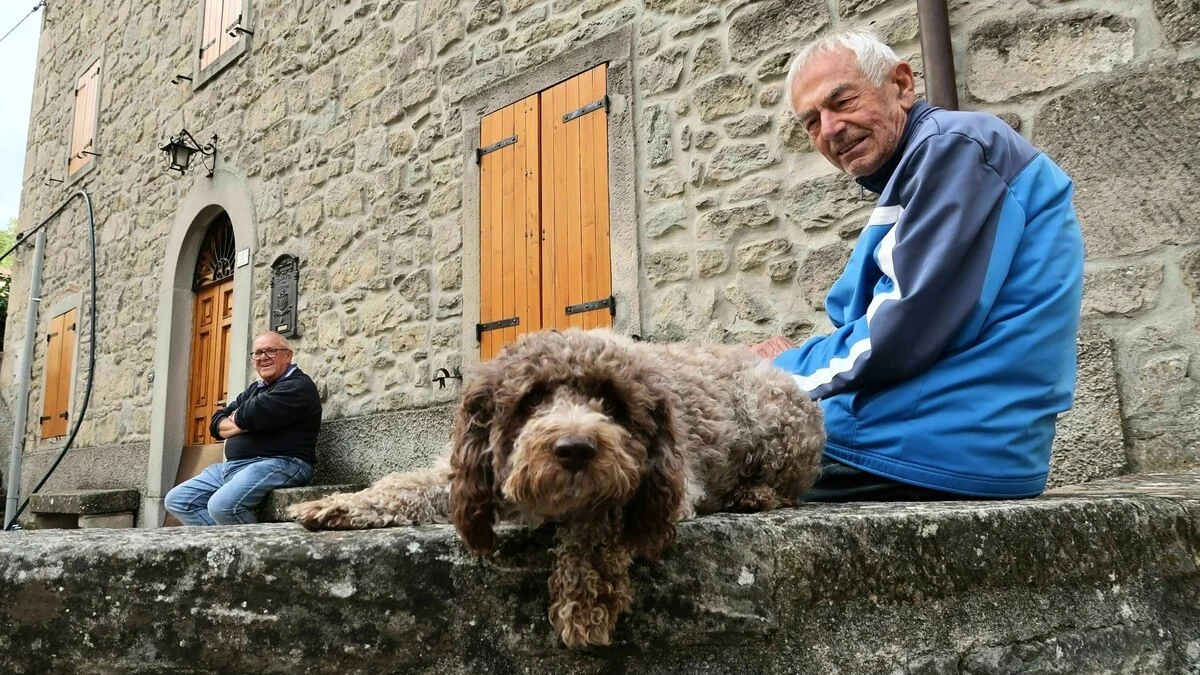
In the quiet, mountainous region of Emilia-Romagna, the village of Campolo serves as a poignant microcosm of this grand European experiment. For years, the village—home to a permanent population of between 10 and 30 souls—felt "forgotten by God." Silence dominated the steep, winding alleys, and the historical stone houses stood as fading relics of a bygone era.
That changed with the Piano Nazionale di Ripresa e Resilienza (PNRR). The Italian government, through the Ministry of Culture, earmarked €20 million for the revitalization of the borghi (historic small towns) in the region. For Campolo, this meant a sudden, intense facelift. The project, titled "Da Campolo l’Arte fa Scola," saw the renovation of eleven properties, including the transformation of a derelict building into a bustling Trattoria, the creation of a youth hostel, and the installation of energy-efficient lighting.
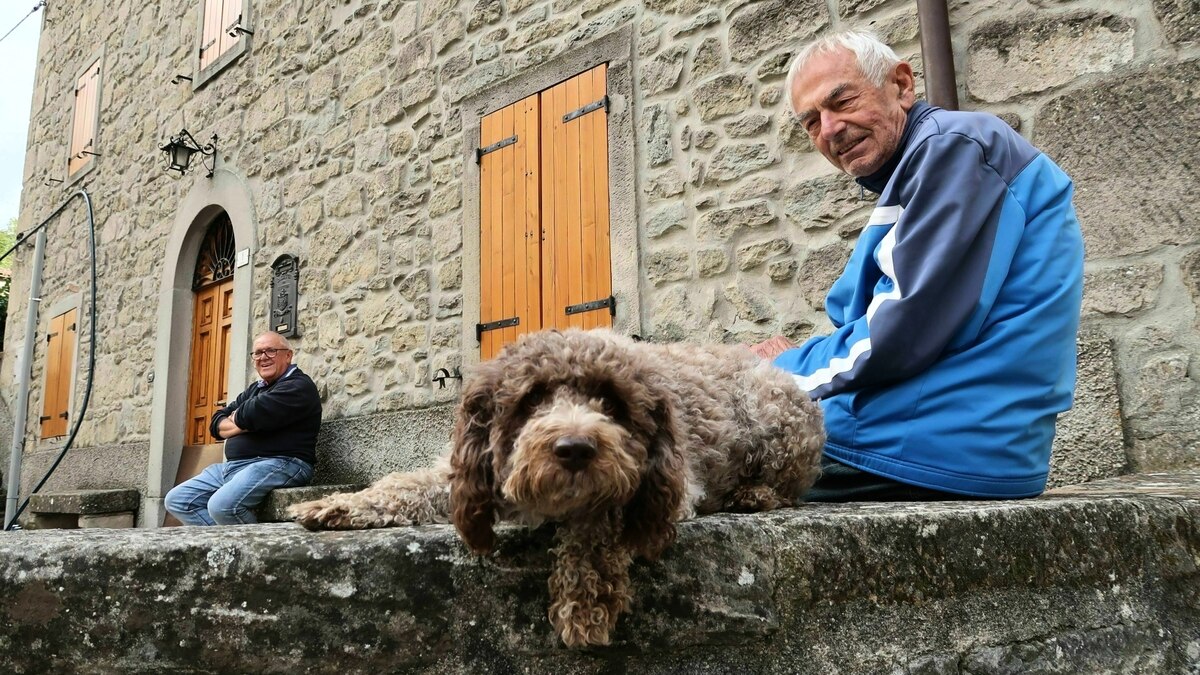
Ilenia degli Esposti, a 27-year-old entrepreneur, stands at the heart of this transformation. She has reopened her grandmother’s former restaurant, a space that had been shuttered for 15 years. Her success is undeniable; the opening was a triumph, with reservations booked solid through mid-November. Yet, beneath the veneer of fresh cobblestones and glowing streetlights, the fundamental questions remain: Can a village that is almost inaccessible without a private vehicle sustain such an influx of tourism? And what happens when the temporary funding—and the project coordinators like Joanna Soroko—disappear?
A Chronology of Ambition and Constraint
The timeline of the PNRR was dictated by the EU’s strict mandate: funding was approved in June 2021, and the entire investment had to be committed and executed by June 30, 2026. This five-year window created a "ticking clock" environment that left little room for the meticulous planning required for large-scale public works.
- 2020–2021: The Italian government, under the shadow of the pandemic, drafted the National Recovery and Resilience Plan under immense political pressure. The transition from the Conte administration to the Draghi government added another layer of instability to the planning process.
- 2021–2022: The rollout of the "1,000 Experts" program attempted to staff local administrations with the specialized personnel needed to handle the bureaucratic avalanche of EU funding. However, the rapid selection process—with interviews reportedly lasting as little as ten minutes—led to a mismatch between expert skills and local needs.
- 2023: The catastrophic floods in Emilia-Romagna hit, causing nearly €9 billion in damage. This forced a pivot in the PNRR strategy, as the government scrambled to reallocate funds for emergency repairs—a move that was never part of the original, rigidly defined roadmap.
- 2026: The program officially closes. As of mid-2026, the silence from official government channels regarding a comprehensive impact assessment has been deafening.
The Administrative "Burn-Out"
The scale of the challenge was perhaps most misunderstood at the municipal level. In Bologna, a city with 4,000 employees, managing €780 million in projects was a daunting task. But in small Apennine communities, the burden was even more extreme. In Grizzana Morandi, a municipality of 4,000, officials were tasked with overseeing €21 million in projects. Effectively, this amounted to €1 million per municipal employee.

The result was an administrative "burn-out." External consultants, speaking on the condition of anonymity, describe the PNRR as a top-down mandate that ignored the realities of local governance. The sheer volume of reporting, accounting, and regulatory compliance required by the EU—combined with the difficulty of finding qualified contractors—led many municipalities to simply abandon projects. Ozzano dell’Emilia, for instance, chose to forgo funding for flood repairs because it could not guarantee that the work would meet the strict EU deadlines.
Official Responses and Political Rhetoric
The political narrative surrounding the PNRR has been marked by a stark contrast between high-level optimism and ground-level skepticism. Prime Minister Giorgia Meloni has consistently touted Italy’s performance, claiming the nation is "in first place" regarding the implementation of NGEU funds.
However, data analysts at the non-profit foundation openpolis tell a different story. Their monitoring indicates that transparency is severely lacking. "If the municipality doesn’t upload the data, you don’t know anything," says one consultant. The government’s assertion of success is often based on the sheer amount of money received, rather than the efficiency or long-term viability of the projects completed. By the time the funding deadline arrived in June 2026, the lack of a consolidated report on the program’s outcomes suggests that the government is hesitant to confront the reality of the expenditure.

Implications: Building for Tomorrow or Fixing Yesterday?
The question of whether Italy has achieved "resilience" remains the central point of contention. The PNRR was intended to foster an ecological transition, favoring renewable energy and sustainable development. Yet, the 2023 and 2024 floods proved that the country’s geography is changing faster than its infrastructure plans.
The renovation of the Via del Paleotto, a road that collapsed twice in two years due to flooding, highlights the tension between the EU’s strict "no soil sealing" environmental regulations and the desperate need for basic, durable infrastructure. While the city of Bologna ultimately used €600,000 in recovery funds to repair the road, the conflict over tree-clearing and asphalt usage underscores the difficulty of applying a rigid, overarching European framework to highly specific local environmental crises.
What remains of the windfall?
For the municipal administrations, the PNRR has been a mixed blessing. It forced local governments to upgrade their digital platforms, build modern transit systems like trams and electric bus networks, and renovate derelict historic assets. As Anna Lisa Boni, a councillor in Bologna, noted: "We now know that we can perform miracles."

However, for small communities, the end of the funding cycle brings a "cliff effect." Without the PNRR, the specialized staff hired to manage these projects are being let go. The maintenance of the newly built infrastructure—the youth hostels, the cultural centers, and the sports facilities—now falls upon the municipalities, many of which lack the tax base to fund the ongoing operational costs.
A Legacy of "What If"
As the dust settles, the consensus among observers is that Italy has achieved much, yet missed the mark on true structural reform. The PNRR effectively acted as a stimulus package that kept the economy growing during a volatile period, but it did not necessarily solve the deep-seated issues of administrative paralysis, lack of technical expertise, and the vulnerability of the country to climate change.
The final verdict on the €194.4 billion investment will not be found in the inaugural ceremonies or the freshly paved streets of villages like Campolo. It will be found in the coming decade, as the nation grapples with the long-term sustainability of these projects. As Joanna Soroko, who steered the Campolo project, aptly observed: "On June 30, everyone said, ‘It’s over.’ But now, it’s actually getting interesting." The challenge for Italy is no longer about acquiring the funds—it is about proving that it can sustain the life it has artificially breathed into its most fragile corners.