Aden, Yemen – October 15, 2026 – The temporary capital of Yemen, Aden, was plunged into renewed turmoil today as the Presidential Palace, the seat of the internationally recognized government, came under a rocket attack. While initial reports indicate that no government officials were injured and the extent of the damage to the building remains unclear, the assault marks a significant escalation in the protracted Yemeni conflict, reverberating just a day after Houthi missile strikes targeted Saudi Arabia’s capital, Riyadh, and ignited an oil facility.
The audacious strike on Al-Maashiq Palace, a symbolic and strategic stronghold in the southern port city, immediately drew widespread suspicion towards the Iran-backed Houthi movement. Although the group has yet to claim responsibility, Yemeni state media and security officials were quick to attribute the attack to the Islamist militia, underscoring the deep-seated animosity and the continuous cycle of violence that defines the ongoing civil war. The incident serves as a stark reminder of the fragile security situation in Aden, a city that not only hosts the beleaguered Yemeni government but also serves as a crucial command center for the Saudi-led military coalition fighting the Houthis.
This latest assault on Yemeni soil follows a day of intense Houthi aggression against Saudi Arabia, highlighting the militia’s persistent capability to launch cross-border attacks and its apparent intent to widen the scope of the conflict. The confluence of these events paints a grim picture for the prospects of peace and stability in a region already grappling with one of the world’s most severe humanitarian crises.
Main Facts
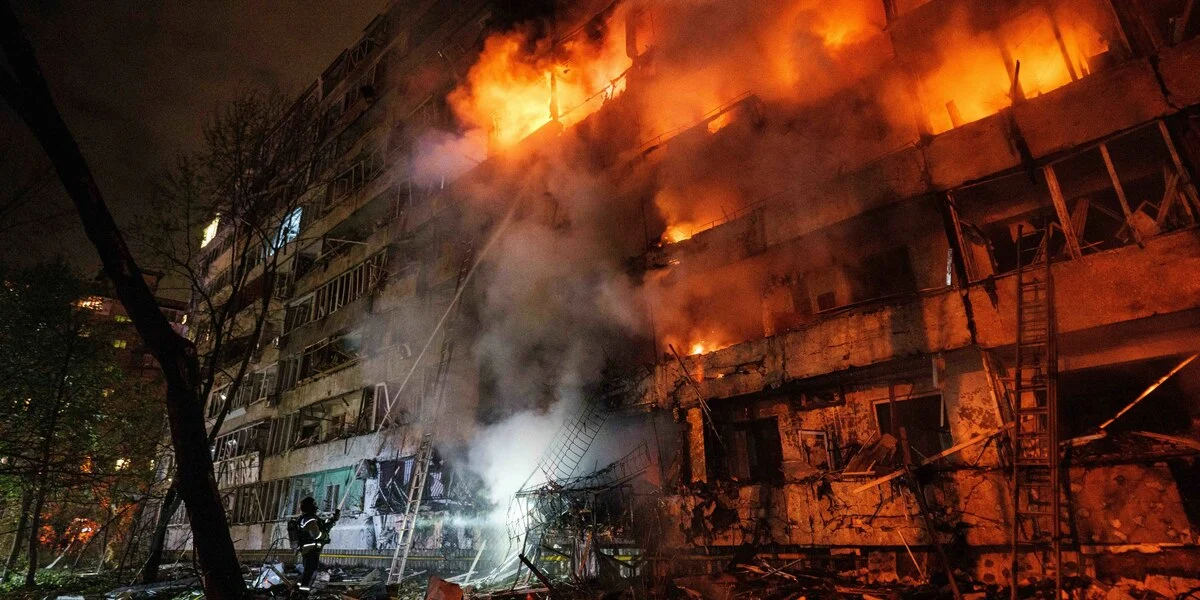
The tranquility of Aden was shattered on the afternoon of October 15, 2026, when multiple rockets reportedly struck the vicinity of the Presidential Palace, also known as Al-Maashiq Palace. The attack, which occurred during daylight hours, sent shockwaves through the highly fortified governmental district overlooking the Gulf of Aden. Security forces immediately swarmed the area, establishing perimeters and initiating rapid response protocols, while residents reported hearing loud explosions.
Despite the gravity of targeting such a critical government installation, preliminary assessments indicated that the palace itself might not have sustained a direct hit, or at least not one causing catastrophic structural damage. Crucially, Yemeni government sources swiftly confirmed that no cabinet members or senior officials present at the palace at the time of the attack were harmed. This swift confirmation aimed to reassure both domestic and international stakeholders, mitigating potential panic and demonstrating a degree of resilience in the face of aggression.
Yemeni media outlets and security analysts were quick to point fingers at the Houthi rebels, suggesting the attack was a calculated act of retaliation or a demonstration of their extended reach. The Houthis, who control the capital Sana’a and large swathes of northern Yemen, have repeatedly targeted government positions and infrastructure in southern Yemen, seeking to undermine the legitimacy and operational capacity of the internationally recognized administration of President Abdrabbuh Mansur Hadi. The lack of immediate Houthi acknowledgement is typical of their strategy, often employing tactical ambiguity before confirming or denying such operations based on unfolding political and military dynamics.
Aden holds immense strategic importance as the interim capital of Yemen, a role it assumed after the Houthis seized Sana’a in 2014-2015. It is not only the temporary seat of President Hadi’s government, which is supported by the Saudi-led coalition, but also a vital port city and a hub for humanitarian operations. Furthermore, Aden hosts a significant operational command center for the Saudi-led coalition, making it a high-value target for Houthi military ambitions. The attack thus represents not just a strike against the Yemeni government, but potentially against the wider coalition efforts to stabilize the south and push back against Houthi expansion.
Chronology of Events
The rocket attack on Aden’s Presidential Palace did not occur in isolation but rather as part of a disturbing pattern of escalating aggression, particularly from the Houthi movement. Understanding the sequence of recent events is crucial to grasping the immediate context and the potential implications of this latest strike.
The Attack on Al-Maashiq Palace (October 15, 2026)
The morning in Aden had been relatively calm, a fragile peace often punctuated by the distant sounds of conflict or the heavy presence of security forces. However, in the mid-afternoon, multiple explosions rocked the Al-Maashiq Palace district. Eyewitnesses described a sudden barrage, with several projectiles impacting the area surrounding the heavily guarded complex. Smoke was reportedly seen rising from near the palace grounds, although official confirmation on the exact impact points and extent of damage remained scarce in the immediate aftermath.
Security forces, including elements of the Yemeni army loyal to the Hadi government and allied Southern Transitional Council (STC) forces, immediately locked down the entire neighborhood. Checkpoints were reinforced, and patrols intensified as investigations commenced. The immediate priority for officials was to ascertain the safety of President Hadi and his cabinet, who frequently use the palace for meetings and administrative functions. The quick announcement that no government members were injured was a critical de-escalation measure, aimed at preventing panic and projecting an image of control and continuity. While the Houthis did not immediately claim responsibility, the nature of the attack – a targeted strike on a high-value government symbol – strongly implicated them, given their established capabilities and history of similar assaults.
Recent Houthi Escalations Against Saudi Arabia (October 14, 2026)
The attack on Aden came on the heels of a particularly aggressive day for the Houthi movement, which had launched a series of missile and drone strikes deep into Saudi territory on October 14, 2026. These attacks underscored the Houthis’ expanding arsenal and their unwavering commitment to retaliating against the Saudi-led coalition.
One of the most significant incidents occurred in the Saudi capital, Riyadh. Houthi ballistic missiles, or remnants thereof, targeted civilian areas. Saudi air defenses successfully intercepted several projectiles, but the sheer volume and trajectory meant that debris rained down on the city. Tragically, four civilians were injured by falling shrapnel and fragments from an intercepted Houthi rocket. The injuries, though not life-threatening, highlighted the indiscriminate nature of such attacks and the constant threat faced by residents of Saudi cities. Saudi authorities condemned the attack as a "terrorist act" aimed at civilian infrastructure, reiterating their right to self-defense and their commitment to protecting their populace.
In a separate, but equally concerning, attack on the same day, a Houthi drone strike reportedly ignited a fire at a facility belonging to the state-owned oil giant Aramco. While the specific location and extent of the damage were not immediately detailed by Saudi officials, any attack on Aramco infrastructure is a major concern for global energy markets. The Houthis have frequently targeted Saudi oil facilities, ports, and airports, aiming to disrupt the kingdom’s economy and pressure Riyadh into withdrawing from the Yemeni conflict. These attacks demonstrate the Houthis’ evolving asymmetric warfare capabilities and their willingness to escalate beyond traditional front lines.
Historical Context of Aden’s Volatility
Aden itself has a long history of political instability and conflict, particularly since the Houthi takeover of Sana’a. The city has been a focal point of power struggles not only between the internationally recognized government and the Houthis but also among various factions within the anti-Houthi bloc.
In 2019, Aden witnessed fierce clashes between forces loyal to the Hadi government and the Southern Transitional Council (STC), a powerful separatist movement backed by the United Arab Emirates (UAE). These clashes, which saw the STC temporarily seize control of significant parts of Aden, underscored the deep divisions and competing agendas among the nominal allies fighting the Houthis. Although a power-sharing agreement, the Riyadh Agreement, was eventually brokered, tensions persist, and the city remains a complex mosaic of competing security forces and political loyalties. Previous attacks on Aden, including suicide bombings and rocket fire, have frequently been attributed to various extremist groups or the Houthis, highlighting the city’s perpetual state of vulnerability and its symbolic importance as a prize in Yemen’s multi-layered civil war.
Supporting Data
The rocket attack on Aden’s Presidential Palace and the preceding Houthi strikes on Saudi Arabia are deeply embedded within the broader, multi-faceted Yemeni conflict. Understanding the strategic landscape, the capabilities of the involved actors, and the international dimensions is critical to fully appreciating the significance of these events.
The Yemeni Conflict: A Broader Picture
The Yemeni civil war, which began in earnest in late 2014 and escalated dramatically with the intervention of a Saudi-led coalition in March 2015, is one of the most complex and devastating conflicts of the 21st century. It pits the Houthi movement, an Iran-backed Zaidi Shia group that seized the capital Sana’a, against the internationally recognized government of President Abdrabbuh Mansur Hadi, supported by a coalition of Arab states including Saudi Arabia and the UAE.
The conflict is often described as a proxy war between regional rivals Saudi Arabia and Iran, with both sides leveraging their influence and resources to support their respective allies. Beyond these primary antagonists, the conflict features numerous other armed groups, including southern separatists (STC), al-Qaeda in the Arabian Peninsula (AQAP), and ISIS affiliates, further complicating the political and military landscape. The result has been a catastrophic humanitarian crisis, with millions facing famine, disease, and displacement. The UN has repeatedly called it the world’s worst humanitarian disaster, underscoring the immense suffering endured by the Yemeni population.
Strategic Importance of Aden
Aden’s designation as the interim capital of Yemen following the Houthi takeover of Sana’a in 2014-2015 immediately elevated its strategic profile. It is the country’s economic lifeline, home to one of its largest ports, which is crucial for both commercial trade and humanitarian aid delivery. The Al-Maashiq Palace, targeted in this attack, serves as the primary residence and administrative center for President Hadi and his government, making it the most visible symbol of state authority in areas not controlled by the Houthis.
Moreover, Aden’s geographical location at the southern tip of the Arabian Peninsula, near the Bab al-Mandeb strait – a critical chokepoint for global maritime trade connecting the Red Sea to the Indian Ocean – adds to its geopolitical significance. For the Saudi-led coalition, Aden is not just a base of operations but a testament to their support for the internationally recognized government and a strategic outpost against Houthi expansionism. The city’s control is thus central to both the legitimacy of the Hadi government and the broader coalition strategy, making any attack on its core institutions a profound challenge.
Houthi Capabilities and Iran’s Role
Over the course of the conflict, the Houthi movement has demonstrated a remarkable evolution in its military capabilities, particularly in the development and deployment of ballistic missiles, cruise missiles, and unmanned aerial vehicles (UAVs or drones). What began as a largely conventional insurgency has transformed into a sophisticated force capable of projecting power hundreds of kilometers beyond its strongholds.
International experts and Saudi Arabia frequently accuse Iran of providing the Houthis with advanced weaponry, technical expertise, and training, enabling them to enhance their arsenal. While Iran denies directly arming the Houthis, evidence from captured weapons and intelligence reports often points to a clear Iranian link, particularly in the components and designs of Houthi missiles and drones. These capabilities allow the Houthis to launch retaliatory strikes against Saudi Arabia and target key government installations in Yemen, serving multiple strategic objectives: to demonstrate their resilience, to inflict economic and psychological damage on their adversaries, and to pressure the coalition into a political settlement favorable to their interests. The precision and reach of the October 14th attacks on Riyadh and Aramco, followed by the Aden strike, are stark indicators of this growing threat.
Saudi-led Coalition’s Role and Challenges
The Saudi-led coalition, comprising a diverse group of Arab states, intervened in Yemen with the stated goal of restoring the legitimate government of President Hadi and countering what it perceives as Iranian expansionism through the Houthi movement. Despite significant military expenditure and air superiority, the coalition has struggled to achieve a decisive victory.
The challenges faced by the coalition are multifaceted. They include navigating a complex battlefield with numerous non-state actors, grappling with internal divisions among coalition members (most notably between Saudi Arabia and the UAE over their respective proxies in southern Yemen), and facing international criticism over civilian casualties and the humanitarian impact of their military campaign. The Houthis’ asymmetric warfare tactics, including the use of mobile missile launchers and drones, have proven difficult to counter effectively, allowing them to continue their cross-border attacks despite extensive air interdiction efforts. The Aden attack, despite the presence of coalition forces and their command center, highlights these enduring vulnerabilities and the ongoing struggle to secure even their most critical allied territories.
Official Responses
The rocket attack on Aden and the prior strikes on Saudi Arabia elicited swift reactions from various official bodies, reflecting the gravity of the situation and the entrenched positions of the parties involved in the Yemeni conflict.
Yemeni Government’s Reaction
The internationally recognized Yemeni government, headed by President Abdrabbuh Mansur Hadi, immediately condemned the rocket attack on Al-Maashiq Palace as a "cowardly terrorist act" aimed at undermining the stability and authority of the legitimate state. Information Minister Moammar Al-Eryani, or a similar spokesperson, would likely issue a strong statement, attributing the attack to the Houthi militia and highlighting their disregard for peace and their continued pursuit of violence. The government would likely emphasize that such attacks only strengthen their resolve to restore state institutions and achieve a comprehensive peace based on UN resolutions. They would also likely reiterate calls for increased international pressure on the Houthis and their alleged Iranian backers to cease hostilities and engage meaningfully in peace negotiations. The swift confirmation of no injuries to government officials was a deliberate move to project strength and continuity, countering any Houthi attempt to sow chaos or suggest a decapitation strike.
Houthi Spokesperson’s Stance
As of the immediate aftermath, the Houthi movement had not claimed responsibility for the Aden attack. This strategic ambiguity is a common tactic, allowing them to observe the reactions and potential consequences before making a definitive statement. If they eventually claim responsibility, their rhetoric would likely frame the attack as a legitimate military operation against "occupation forces" or "agents of aggression," referring to the Saudi-led coalition and the Hadi government. They would portray it as a response to ongoing Saudi-led aggression and the blockade on Yemen. Their spokespeople, such as Brigadier General Yahya Saree, often issue statements highlighting their "right to respond" to any military actions against Yemen. In the context of the recent Saudi strikes, they would likely present the Aden attack as part of a broader retaliatory campaign, demonstrating their reach and determination to defend their sovereignty.
Saudi Arabia’s Position
Saudi Arabia, having been directly targeted by Houthi missiles just hours before the Aden incident, would issue strong condemnations of both the attacks on its own territory and the assault on the Yemeni Presidential Palace. A statement from the Saudi Ministry of Foreign Affairs or a coalition spokesperson would likely denounce the Houthi actions as "terrorist acts" that threaten regional security and violate international law. They would reaffirm their unwavering support for the legitimate Yemeni government and their commitment to defending Saudi national security interests. The kingdom would also likely reiterate its accusation that Iran is arming and supporting the Houthis, calling on the international community to take a firmer stance against Tehran’s destabilizing role in the region. The recent attacks would be used to justify the continuation of their military operations in Yemen as necessary to neutralize the Houthi threat.
International Community’s Reaction
The international community, particularly the United Nations and key Western powers, would express deep concern over the escalating violence. The UN Special Envoy for Yemen would likely issue a statement urging all parties to immediately de-escalate, exercise maximum restraint, and return to the negotiating table. The UN Secretary-General would reiterate calls for a nationwide ceasefire and a political solution, emphasizing the dire humanitarian consequences of continued conflict. Western powers, such as the United States, the United Kingdom, and the European Union, would condemn the attacks, particularly those targeting civilian areas and critical infrastructure. They would likely call for accountability for those responsible and stress the importance of protecting civilians. While condemning the Houthi actions, there might also be renewed calls for all parties, including the Saudi-led coalition, to adhere to international humanitarian law and work towards a comprehensive peace process. The attacks would undoubtedly complicate ongoing diplomatic efforts to mediate a lasting resolution to the conflict.
Implications
The rocket attack on Aden’s Presidential Palace, coupled with the preceding Houthi strikes on Saudi Arabia, carries significant implications for the trajectory of the Yemeni conflict, regional stability, and the prospects for peace.
Impact on Peace Prospects
These latest escalations deal a severe blow to already fragile peace efforts led by the United Nations. Each major attack, whether on Riyadh, Aramco, or Aden, deepens mistrust between the warring parties and hardens their negotiating positions. The Houthis, by demonstrating their continued offensive capabilities, may feel less compelled to make concessions, believing they can exert pressure through military means. Conversely, the Saudi-led coalition and the Yemeni government will likely view these attacks as further evidence of Houthi intransigence and a lack of commitment to a peaceful resolution, reinforcing their resolve to continue military operations. The cycle of violence and retaliation makes it exceedingly difficult for UN envoys to build common ground for a ceasefire or a comprehensive political settlement, pushing any meaningful peace dialogue further into the distant future.
Regional Stability
The cross-border nature of the Houthi attacks directly impacts regional stability, particularly the broader Saudi-Iran proxy conflict. These incidents underscore Iran’s alleged ability to project influence and threaten Saudi security through its proxies, fueling tensions between the two regional heavyweights. Any significant disruption to oil infrastructure, as seen with the Aramco attack, can have ripple effects on global energy markets, adding another layer of international concern. Furthermore, Aden’s strategic location near the Bab al-Mandeb strait means that increased instability or conflict in the city could potentially threaten vital maritime shipping lanes, raising alarms for international trade and security. The sustained Houthi threat acts as a constant irritant and a destabilizing factor in an already volatile Middle East.
Security in Aden and South Yemen
The attack on Al-Maashiq Palace will undoubtedly lead to a significant tightening of security measures across Aden and potentially throughout southern Yemen. While the immediate objective of injuring government officials may have failed, the psychological impact of striking such a symbolic target is profound. It demonstrates that even the most fortified areas remain vulnerable. This could lead to increased internal crackdowns, intensified intelligence gathering, and a more visible presence of security forces, which could, in turn, exacerbate tensions between the various armed factions operating in Aden, including the government forces and the Southern Transitional Council (STC). The incident may also prompt the Saudi-led coalition to review and potentially enhance its defense capabilities and strategies in Aden, perhaps deploying more advanced air defense systems or increasing its operational presence to counter future threats.
Future Trajectory of the Conflict
The recent wave of attacks suggests a potential new phase of escalation in the Yemeni conflict. The Houthis appear determined to continue their strategy of striking deep into enemy territory, believing it to be an effective means of exerting pressure. This could prompt a robust military response from the Saudi-led coalition, potentially leading to intensified airstrikes on Houthi strongholds and military assets. The interplay between these escalations will likely determine the short-to-medium term trajectory of the conflict. Without significant international pressure and a genuine commitment from all parties to de-escalate, the cycle of violence is poised to continue, further deepening the humanitarian crisis and pushing Yemen further away from a sustainable peace. The long-term outlook remains bleak, with the conflict showing no signs of abating and the Yemeni people continuing to bear the brunt of geopolitical rivalries.