In an unprecedented move that signals a hardening of the geopolitical lines governing the global digital landscape, the United States Department of Justice (DOJ) has formally requested to intervene in the high-stakes legal dispute between Elon Musk’s social media platform, X (formerly Twitter), and the European Union. This intervention marks a significant escalation in the ongoing friction between Silicon Valley’s libertarian-leaning tech giants and the Brussels-based regulatory apparatus, raising fundamental questions about national sovereignty, the reach of extraterritorial law, and the future of digital governance.
The Core Conflict: A €120 Million Dispute
The genesis of this legal confrontation lies in a hefty €120 million fine levied by the European Commission against X. The Commission, acting as the EU’s executive arm, imposed the penalty citing alleged violations of the Digital Services Act (DSA)—a sweeping piece of legislation designed to curb the power of Big Tech, combat disinformation, and protect user data within the European Single Market.
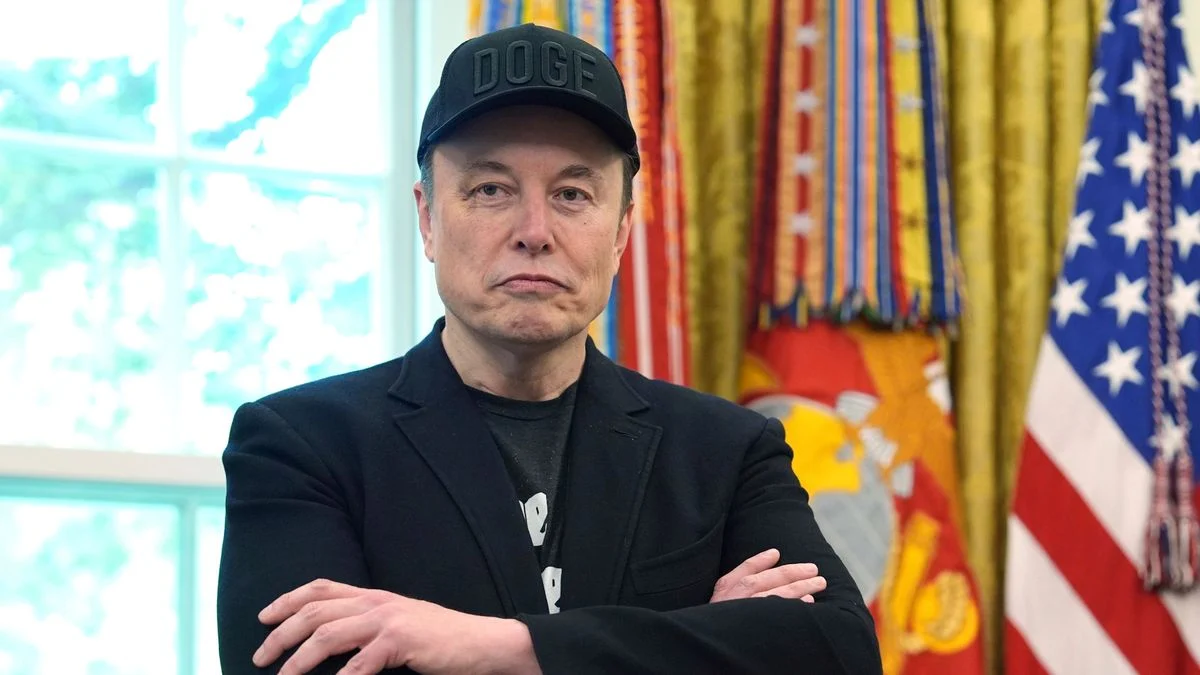
Elon Musk, who has frequently clashed with European regulators over his vision of "free speech absolutism," has challenged the fine in court. The billionaire entrepreneur argues that the EU’s regulatory reach is both overzealous and legally unfounded. The US government’s decision to formally join the fray as an interested party provides a powerful tailwind to Musk’s defense, transforming a corporate-regulatory dispute into a matter of international diplomatic significance.
Chronology of a Regulatory Clash
To understand how the situation reached this boiling point, it is necessary to examine the timeline of the growing animosity between X and the European Union.
- October 2022: Elon Musk completes his $44 billion acquisition of Twitter, immediately initiating sweeping changes to content moderation policies, staffing, and algorithmic transparency.
- August 2023: The EU’s Digital Services Act (DSA) officially enters into force for "Very Large Online Platforms." X is immediately placed under the scrutiny of Brussels.
- December 2023: The European Commission launches formal proceedings against X, citing concerns over the dissemination of illegal content and the efficacy of its "Community Notes" feature.
- Early 2024: Negotiations between the Commission and X management stall. Reports emerge of frustration within Brussels regarding X’s perceived lack of cooperation and transparency.
- Mid-2024: The Commission issues its final determination, imposing the €120 million fine. X initiates a legal challenge in the European General Court.
- Late 2024 (Present): The US Department of Justice files a formal request to intervene in the case, citing concerns over the scope of EU regulatory authority over American corporations.
Official Responses and the Argument of Jurisdiction
The US government’s involvement is grounded in a specific legal philosophy regarding jurisdiction. Brett Shumate, a high-ranking official within the Civil Division of the US Department of Justice, articulated the government’s position with striking clarity.
"The European Commission has attempted to extend its regulatory reach into matters that fall outside the scope of its legal authority," Shumate stated in the department’s filing. The US government contends that by penalizing an American-based company for operational decisions made on US soil, the EU is infringing upon the sovereignty of US corporations and the legal frameworks under which they operate.
For the European Commission, the logic is equally clear. Brussels maintains that if a company chooses to operate within the European Single Market—a market of nearly 450 million consumers—it must abide by the rules set forth by its legislative bodies. From the EU’s perspective, the DSA is not merely a set of guidelines; it is a fundamental prerequisite for doing business in Europe. They argue that X’s refusal to comply undermines the safety and digital rights of European citizens.
Implications for Global Digital Governance
The intervention by the US government carries profound implications for the future of the internet.
1. The Fragmentation of the Internet
For decades, the internet functioned as a relatively borderless entity. However, the move toward "digital sovereignty" by the EU, met by the defensive posture of the US, suggests a trend toward "splinternet"—a fractured digital landscape where different regions operate under vastly different legal regimes. Companies like X are increasingly forced to choose between withdrawing from massive markets or subjecting themselves to a patchwork of often contradictory global regulations.
2. The Power of the "Brussels Effect"
The "Brussels Effect" is a term coined to describe the EU’s ability to set global standards through its own domestic regulations. Because global companies find it easier to adopt a single standard rather than creating region-specific iterations of their software, the EU’s laws often become the de facto global baseline. The US government’s intervention is, in many ways, an attempt to break this cycle, signaling that Washington will no longer stand by while Brussels dictates the operational parameters of American tech giants.
3. The Musk Factor
Elon Musk is a unique player in this geopolitical chess game. Unlike the CEOs of Meta or Google, who have generally sought to negotiate and compromise with EU regulators, Musk has taken a combative approach. His personal and corporate platform provides him with a global megaphone to challenge the legitimacy of EU regulators directly. This confrontation is as much about the personality of Musk as it is about the policy of the EU.
Economic and Strategic Consequences
The financial weight of the €120 million fine is, for a company the size of X, manageable. However, the legal precedent is the true prize. If the European General Court rules in favor of the EU, it will solidify the Commission’s power to penalize US firms for domestic operations, setting a dangerous precedent for American industry. Conversely, a victory for X—bolstered by the DOJ’s support—could effectively strip the DSA of its teeth, rendering the EU’s attempts to regulate global tech platforms largely symbolic.
Beyond the immediate legal arguments, there is a clear strategic dimension. The US government is increasingly wary of China’s influence in tech and its own domestic tech-backlash. By defending X, the US may also be attempting to protect its own regulatory autonomy, ensuring that the rules governing the American internet are written in Washington, not Brussels.
Analysis: A Dangerous Precedent?
Legal experts remain divided on the outcome. Some argue that the US intervention is a necessary check on "regulatory imperialism." Others, particularly those within the European legal community, see it as an act of diplomatic aggression that undermines the rule of law.
"The US is effectively telling the EU that their sovereignty ends at the digital border," noted one analyst specializing in transatlantic trade law. "This is not just about a fine; it is about the fundamental power dynamics of the 21st century."
As the case progresses, the world will be watching to see how the European General Court balances the necessity of protecting its citizens from digital harms against the reality of international legal limits. The outcome will likely influence not just the future of X, but the future of every tech platform that attempts to operate across the Atlantic.
Conclusion
The US government’s formal request to join the legal battle between Elon Musk and the European Union is a watershed moment in international tech policy. What started as a dispute over compliance and content moderation has morphed into a high-stakes standoff between two of the world’s most powerful political entities.
As the legal arguments unfold in court, the implications will ripple far beyond the halls of justice. They will define how the next generation of digital infrastructure is governed, who has the right to regulate it, and whether the concept of a unified, global internet can survive in an age of increasingly rigid geopolitical boundaries. Whether this leads to a new era of transatlantic cooperation or a prolonged period of digital protectionism remains to be seen, but one thing is certain: the rules of the digital game are being rewritten, and the stakes could not be higher.