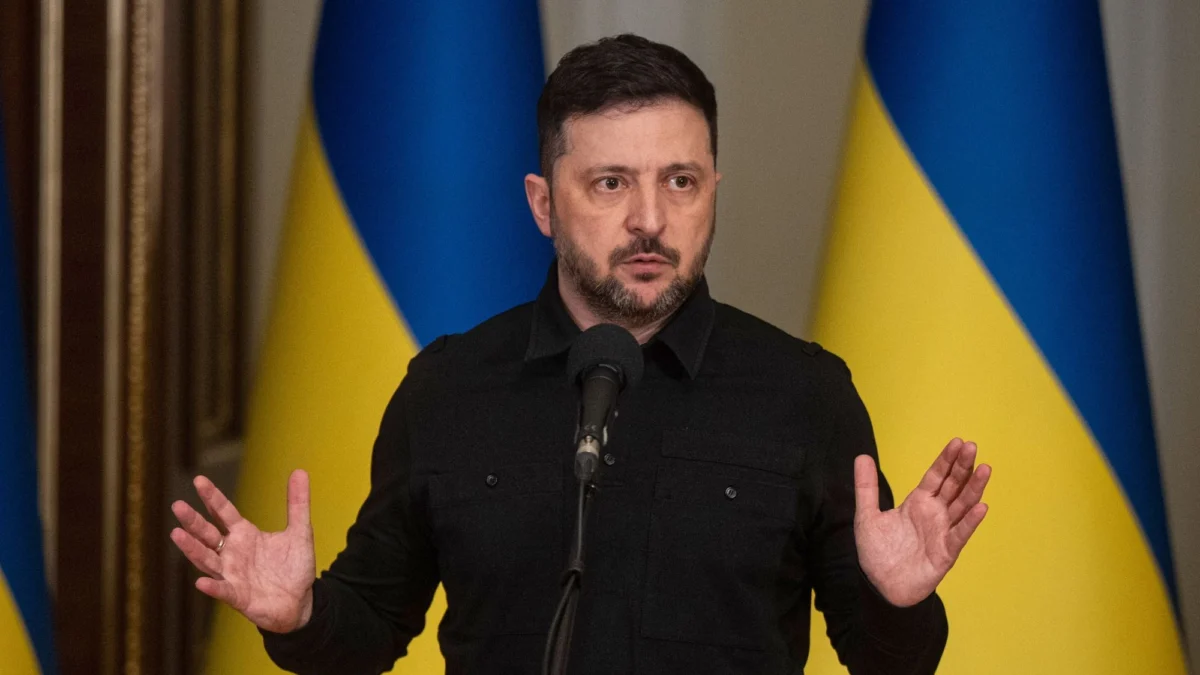
London, UK – Ukrainian President Volodymyr Zelensky has arrived in London for high-stakes discussions with British officials, including Andy Burnham, the Mayor of Greater Manchester. His visit comes at a pivotal moment, as Ukraine grapples with intensified Russian aerial assaults, a controversial restriction on its Starlink satellite communication services, and growing debates among international allies regarding sustained financial and military aid. Zelensky’s diplomatic push aims to galvanize further support, urging Western nations not to avert their gaze from the escalating realities on the ground as Russia demonstrates a clear intent to continue its "insane war of annihilation."
The ongoing conflict has seen a dramatic escalation in recent days, marked by severe Russian strikes on Ukrainian energy infrastructure, raising fears of a brutal winter ahead. Simultaneously, Ukraine has reported gains in its counter-offensive in the eastern Donetsk region and has conducted retaliatory drone attacks on Russian data centers. The Black Sea remains a volatile flashpoint, with reports of a tanker ablaze off Romania, possibly due to a drone strike, and earlier attacks on civilian vessels near Bulgaria.
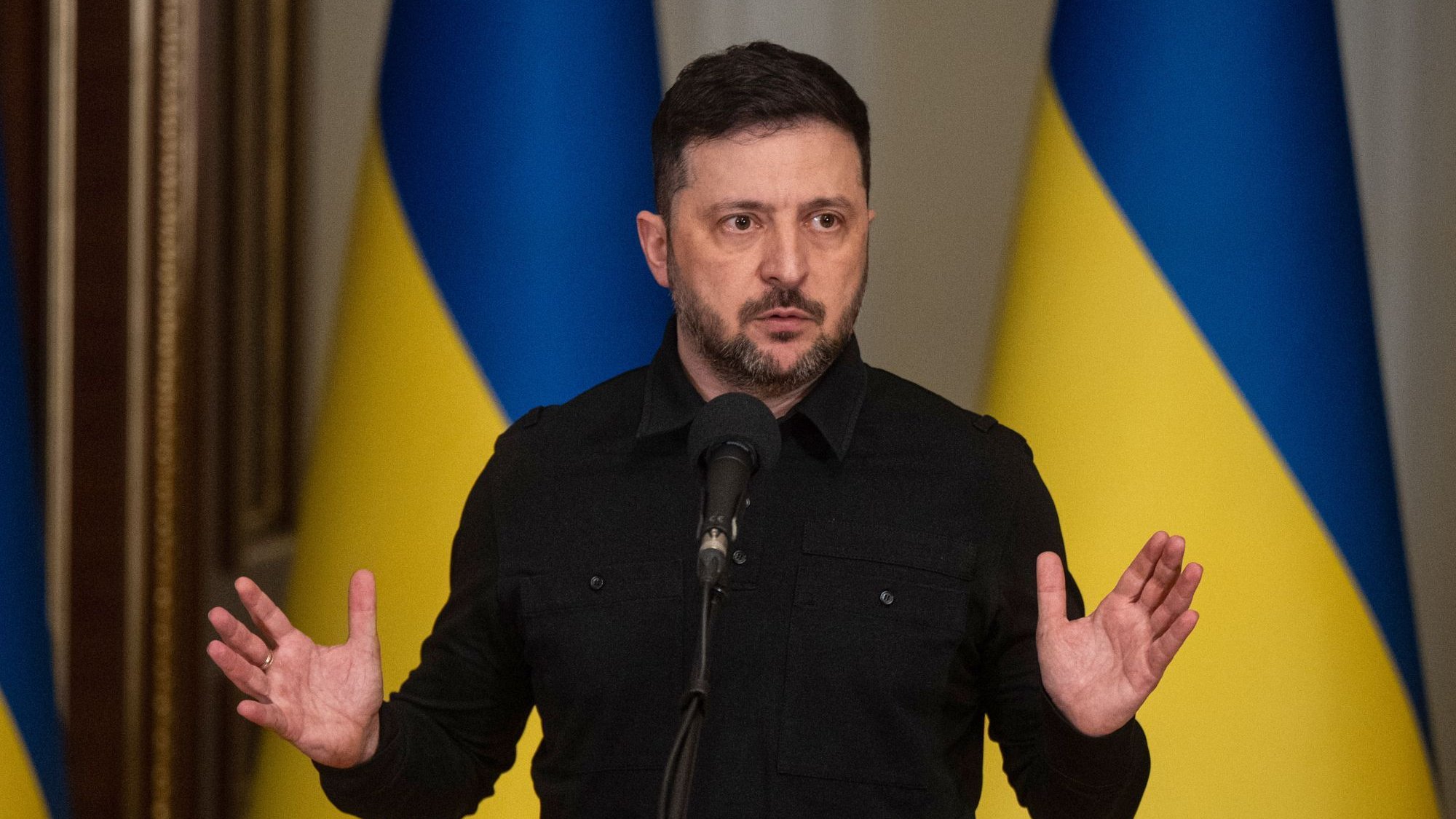
Compounding these military and humanitarian crises, a dispute has erupted over the functionality of Elon Musk’s Starlink satellite network for the Ukrainian military. Kyiv alleges that SpaceX, Starlink’s operator, has imposed speed restrictions without warning, severely impeding drone operations and air defense capabilities. This development has drawn sharp criticism from European allies and sparked speculation about political motivations, potentially linked to recent overtures between former US President Donald Trump and Russian President Vladimir Putin concerning an "energy ceasefire."
The broader international landscape reflects a complex mix of unwavering support, growing economic constraints, and a renewed call for diplomatic solutions, even as the immediate prospects for peace talks remain dim.

Main Facts
The ongoing Ukraine war continues to be a multifaceted conflict, characterized by a mix of intense military engagements, cyber warfare, and high-stakes international diplomacy. Key developments include:
- Zelensky’s Diplomatic Mission: Ukrainian President Volodymyr Zelensky is in London for talks with British officials, including Mayor Andy Burnham, seeking to bolster international support and respond to Russia’s continued aggression. He condemned Russia’s "insane war of annihilation" and is expected to visit Brussels for an EU summit.
- Starlink Controversy: Ukraine has accused SpaceX of imposing unannounced speed restrictions on its military Starlink terminals, hindering critical drone and air defense operations. Elon Musk, SpaceX CEO, countered by stating Starshield (the military version) is US government-controlled, while Starlink (civilian) is restricted to defensive uses. This has fueled concerns among allies, with Poland’s Foreign Minister Radosław Sikorski publicly questioning Musk’s motives and linking them to potential political maneuvering, particularly after former US President Donald Trump’s call for an "energy ceasefire" and a reported diesel deal with Russia. Furthermore, incidents of fires at Starlink ground stations in Poland and Bulgaria have raised suspicions of sabotage.
- Intensified Energy Warfare: Russia has launched extensive missile and drone attacks on Ukrainian energy infrastructure, particularly in Kyiv and Kharkiv, leading to widespread power outages affecting hundreds of thousands. Russia claims to have targeted six to seven power plants and a data center, while Ukraine disputes Russian claims of hitting oil refineries, stating its attacks focused on Russian data centers instead. This escalation directly contradicts calls for an "energy ceasefire."
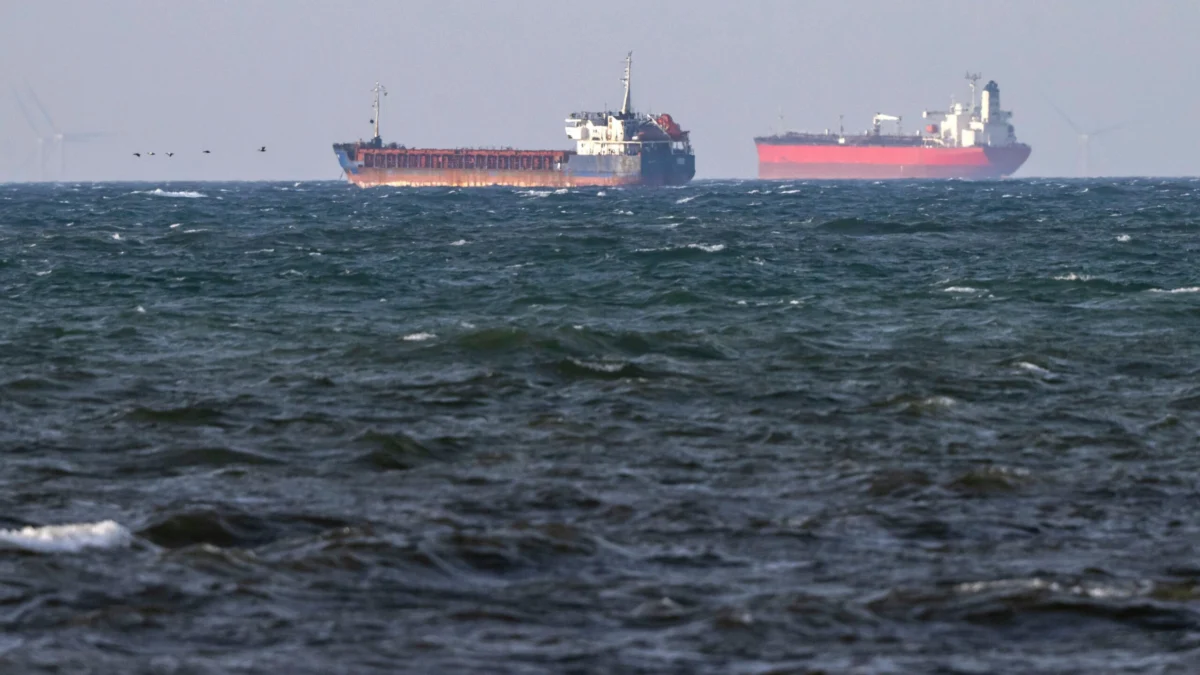
- Black Sea Volatility: A commercial tanker caught fire off the coast of Romania following an explosion, with a possible drone strike under investigation. This incident follows the sinking of a Turkish grain ship by a drone nine days prior in Romania’s exclusive economic zone, underscoring the severe risks to civilian shipping in the Black Sea.
- Ukrainian Counter-Offensive: Ukraine has reported successful operations in the eastern Donetsk region, liberating 16 villages and reclaiming 277 square kilometers as part of its Third Army Corps counter-offensive, pushing back Russian forces north of Sloviansk.
- Humanitarian Concerns: A grim report from Bangladeshi police indicates at least 20 Bangladeshi nationals, allegedly lured to Russia with false job promises, were forced into military service and killed as "bait" on the Ukrainian front lines.
- International Aid Debates: The EU has pledged €2.86 billion for Ukrainian defense procurement, specifically for drones, air defense, and missiles from Ukrainian companies. However, political divisions persist, with France’s right-wing leader Marine Le Pen declaring that France can no longer financially support Ukraine due to its own economic difficulties. Germany, through Chancellor Friedrich Merz and Foreign Minister Johann Wadephul, has reaffirmed its commitment, dismissing claims that aid comes at the expense of social spending and calling for continued pressure on Russia. NATO Secretary-General Mark Rutte has also urged increased air defense support for Ukraine.
- Cybersecurity Focus: Russian President Vladimir Putin held high-level talks on cybersecurity, with his spokesman Dmitry Peskov emphasizing the growing threat of AI being weaponized by states, though denying any direct link to recent Ukrainian data center attacks.
Chronology of Key Events
The past days have unfolded with a rapid sequence of events, highlighting the ongoing intensity and multifaceted nature of the conflict:

- Early Morning (Date unspecified, likely current day): Russia Launches Extensive Attacks on Ukraine. The Russian military claims to have attacked seven Ukrainian energy facilities and a data center overnight, asserting these targets served the Ukrainian military. Specific targets included two thermal power plants in Kyiv, another in the surrounding region, and one thermal power plant and a combined heat and power plant in Kharkiv. A data center in Kyiv, allegedly used for intelligence gathering, was also targeted. Ukrainian President Volodymyr Zelensky later reported that at least 600,000 people were without power, stating that Russia used 39 ballistic missiles and over 120 drones in these attacks, which he termed "demonstrative disrespect" towards former US President Donald Trump’s call for an "energy ceasefire."
- Morning (Date unspecified, likely current day): Ukraine Responds and Counters Russian Claims. Ukraine contradicts Russian claims of attacking oil refineries. Dmytro Lytwyn, an advisor to President Zelensky, states that Ukrainian forces attacked a data center and another target in Russia, but not oil refineries, as claimed by Russian Deputy Prime Minister Alexander Novak. Simultaneously, the Ukrainian Air Force reported intercepting only four of 39 Russian missiles during the night’s extensive attacks, with a large portion aimed at energy infrastructure.
- Mid-Morning (Date unspecified, likely current day): Starlink Restrictions Come to Light. Serhiy Beskrestnov, an advisor to President Zelensky, announced on Telegram that SpaceX had restricted the use of its Starlink satellite network for the Ukrainian military. He specified that the military version of the communication service no longer functioned at speeds exceeding 160 kilometers per hour, severely disrupting combat missions without prior warning. An insider from the 7th Rapid Response Corps on the southeastern front corroborated these outages.
- Late Morning (Date unspecified, likely current day): International Reactions to Starlink and Aid. Poland’s Foreign Minister Radosław Sikorski sharply criticized Elon Musk on X, questioning his motives and implying political calculus behind the Starlink restrictions. He stated, "As your European customers, we are watching you." In Brussels, an EU Commission spokesperson confirmed the transfer of €2.86 billion to Ukraine for the procurement of drones, air defense systems, and missiles from Ukrainian companies, acknowledging reports of Starlink disruptions but offering no further comment.
- Afternoon (Date unspecified, likely current day): Zelensky Arrives in London; Other Military Updates. Ukrainian President Volodymyr Zelensky arrived in London for discussions with British officials, including Andy Burnham, the Mayor of Greater Manchester. His visit aimed to galvanize support and denounce Russia’s continued aggression. Concurrently, Russia’s Defense Ministry claimed its air defense intercepted over 900 Ukrainian drones across various Russian regions, Crimea, and the Azov Sea. Moscow Mayor Sergei Sobyanin reported nearly 500 drones flying towards Moscow, with 180 intercepted. In the western Ukrainian city of Lutsk, a Russian attack reportedly killed three people and injured twelve, with drone debris hitting a warehouse and damaging a residential building.
- Late Afternoon (Date unspecified, likely current day): Diplomatic Stances and Economic Realities. German Foreign Minister Johann Wadephul (CDU) asserted that he sees no substantial reduction in US support for Ukraine and called for immediate talks between Ukraine and Russia, along with an urgent ceasefire for civilian shipping in the Black Sea. He also warned against making "economic gifts" to Putin. In Brussels, French right-wing populist Marine Le Pen declared that France could no longer financially support Ukraine due to its "extremely problematic economic situation," citing a high budget deficit and weak economic growth.
- Evening (Date unspecified, likely current day): NATO Reaffirms Support; Russia Addresses Cybersecurity. NATO Secretary-General Mark Rutte, visiting Estonia, urged alliance members to provide more aid, especially air defense, to Ukraine, emphasizing that Russia’s aggression would not weaken NATO’s resolve. Meanwhile, Russian President Vladimir Putin met with high-ranking officials to discuss cybersecurity, with presidential spokesman Dmitry Peskov highlighting the increasing threat of AI being weaponized by various states, although he denied any direct connection to recent Ukrainian drone attacks on Russian data centers.
- Ongoing (Sept 9): Starlink Ground Station Fires. Earlier reports from Bulgaria indicated a fire at a Starlink facility near Sofia on September 9th, where 11 of 17 antennas were allegedly "intentionally set on fire." The pro-Western opposition party, Democratic Bulgaria, publicly disclosed the incident, suspecting a Russian connection, noting that these antennas were crucial for SpaceX connectivity and utilized in the Ukraine war. This followed an earlier unspecified incident at a Starlink ground station in Poland.
Supporting Data and Context
The recent surge in activity underscores several critical aspects of the ongoing conflict:
The Energy War: Russia’s strategy of targeting critical infrastructure, particularly energy facilities, is a calculated move to cripple Ukraine’s ability to sustain itself, especially as winter approaches. The reported strikes on Kyiv’s thermal power plants and Kharkiv’s energy grid highlight a renewed focus on systematically undermining Ukrainian resilience. This tactic also serves as a direct challenge to former US President Donald Trump’s recent call for an "energy ceasefire" and his reported agreement with President Putin for diesel fuel supplies to the US, suggesting Russia’s disregard for such diplomatic gestures when its military objectives are at stake. Ukraine’s counter-attacks on Russian data centers, including those belonging to major institutions like Sberbank and Yandex, indicate a growing capacity and willingness to inflict retaliatory damage on Russia’s digital infrastructure.
The Starlink Controversy: Elon Musk’s Starlink has been indispensable for Ukrainian communication and military coordination, particularly for drone operations. The alleged speed restrictions, impacting mobility and real-time data transmission, represent a significant operational challenge for Ukraine. Musk’s clarification that Starshield is government-controlled and Starlink is for defensive purposes raises questions about the chain of command and influence over these critical technologies. The timing of these restrictions, coupled with the political climate surrounding Trump’s "energy ceasefire" proposal, has fueled suspicions of political leverage, drawing condemnation from allies like Poland who directly fund Starlink subscriptions for Ukraine. The reported fires at Starlink ground stations in Poland and Bulgaria add a new layer of concern, suggesting potential acts of sabotage aimed at disrupting this vital communication lifeline.
Maritime Security in the Black Sea: The incidents involving commercial vessels, particularly the tanker fire off Romania and the sinking of a Turkish grain ship, underscore the increasing militarization and peril in the Black Sea. This vital waterway, crucial for global food supplies and regional trade, is becoming a primary battleground for proxy attacks. German Foreign Minister Johann Wadephul’s stark warning that "the Black Sea is becoming more and more a war zone" and his call for an immediate ceasefire for civilian shipping highlight the broader economic and humanitarian implications, including potential food shortages in the global South.

The Human Cost: The report of Bangladeshi nationals being coerced into military service as "bait" for Russian forces is a chilling revelation, exposing a darker dimension of human trafficking and exploitation in the context of the conflict. This echoes historical patterns of vulnerable populations being used as expendable assets in warfare, raising serious human rights concerns and potentially violating international laws of armed conflict.
Official Responses and International Stances
The unfolding events have triggered a range of responses from international actors, reflecting both unity and emerging fault lines within the coalition supporting Ukraine.

- United States: The US has reportedly proposed a plan for European states to release a portion of blocked Russian state assets and transfer them to a US-supervised instrument to revive peace talks. However, this proposal, allegedly presented by US special envoys Steve Witkoff and Jared Kushner, was rejected by European delegates, indicating a divergence in strategies for managing Russian assets and pursuing diplomatic avenues. Elon Musk’s statement regarding US government control over Starshield also highlights the significant, albeit sometimes opaque, role of the US government in crucial wartime technologies.
- European Union: The EU has demonstrated continued financial commitment, transferring €2.86 billion to Ukraine specifically for the procurement of drones, air defense systems, and missiles from Ukrainian companies. This aid package aims to address Ukraine’s immediate battlefield needs. However, the rejection of the US proposal on Russian assets and the EU Commission’s cautious stance on the Starlink disruptions ("aware of reports" but no further comment) suggest a nuanced approach within the bloc.
- France: The statement by French right-wing populist Marine Le Pen, asserting that France can no longer financially support Ukraine due to its "extremely problematic economic situation," signals a potential shift in French foreign policy if she were to assume power. Her comments reflect a broader sentiment of aid fatigue and economic nationalism that could challenge the unified European front.
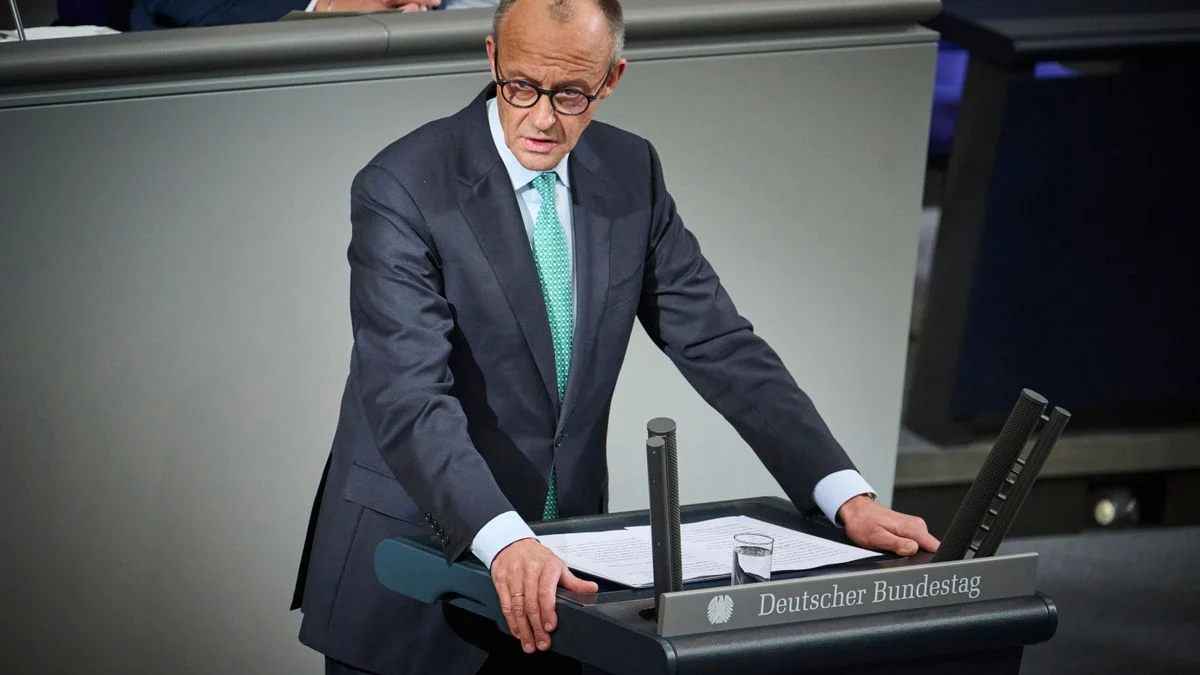
- Germany: German Chancellor Friedrich Merz has firmly rejected the narrative that aid to Ukraine comes at the expense of social spending, emphasizing that funding for defense and Ukraine aid is covered by a special exemption in the debt brake. Foreign Minister Johann Wadephul has also underscored Germany’s commitment, expecting continued US support and calling for sustained pressure on Russia, cautioning against "economic gifts" that could embolden Putin. His focus on Black Sea security highlights Germany’s concern for broader regional stability and global supply chains.
- NATO: Secretary-General Mark Rutte, during a visit to Estonia, reiterated NATO’s unwavering support for Ukraine, specifically calling for more aid, particularly in air defense, to prepare for the approaching winter. He dismissed Russia’s "hybrid attacks" as a sign of weakness and assured that NATO would not be intimidated, while also maintaining that there is no immediate military threat to NATO territory.
- Russia: President Vladimir Putin’s meeting on cybersecurity, while framed as a general discussion on AI and digital threats, comes amidst Ukrainian drone attacks on Russian data centers. Presidential spokesman Dmitry Peskov’s denial of a direct link to these "isolated attacks" contrasts with Ukraine’s narrative of retaliation, suggesting a strategic downplaying of the impact of Ukrainian strikes. Russia’s continued attacks on Ukrainian energy infrastructure, despite calls for an "energy ceasefire," demonstrate its determination to prosecute the war on its own terms.
Implications
The current developments carry significant implications for the future trajectory of the Ukraine war, regional stability, and international relations:
Escalation of Warfare: The intensification of attacks on critical infrastructure by both sides—Russia targeting Ukrainian energy, and Ukraine targeting Russian data centers—signals a deepening "energy" and "cyber" war. This strategy aims to cripple the opponent’s capacity to wage war and sustain its population, with severe humanitarian consequences for Ukrainian civilians as winter approaches. The disregard for an "energy ceasefire" indicates a hardening of positions and a diminishing prospect for de-escalation in the near term.

The Future of Starlink and Tech Warfare: The Starlink controversy highlights the critical role of private companies and advanced technology in modern warfare, as well as the potential for these tools to become subjects of geopolitical leverage. If Starlink’s functionality for Ukraine is indeed restricted, it could force Kyiv to seek alternative, potentially less effective, communication solutions, impacting its tactical advantage. The broader implication is a growing debate about the ethical and political responsibilities of tech giants whose services become integral to national defense, and the potential for non-state actors (or actors with mixed allegiances) to influence the course of conflicts. The suspected sabotage of ground stations further emphasizes the vulnerability of these critical assets.
Strains on International Alliances: While core support for Ukraine remains strong, evident in the EU’s latest aid package and NATO’s continued calls for assistance, emerging political and economic pressures could test the unity of the Western coalition. Marine Le Pen’s stance in France, coupled with the rejection of the US proposal on Russian assets, reveals cracks in a previously unified front. These divergences could be exploited by Russia, complicating future aid efforts and diplomatic initiatives. The debate over how to fund Ukraine and