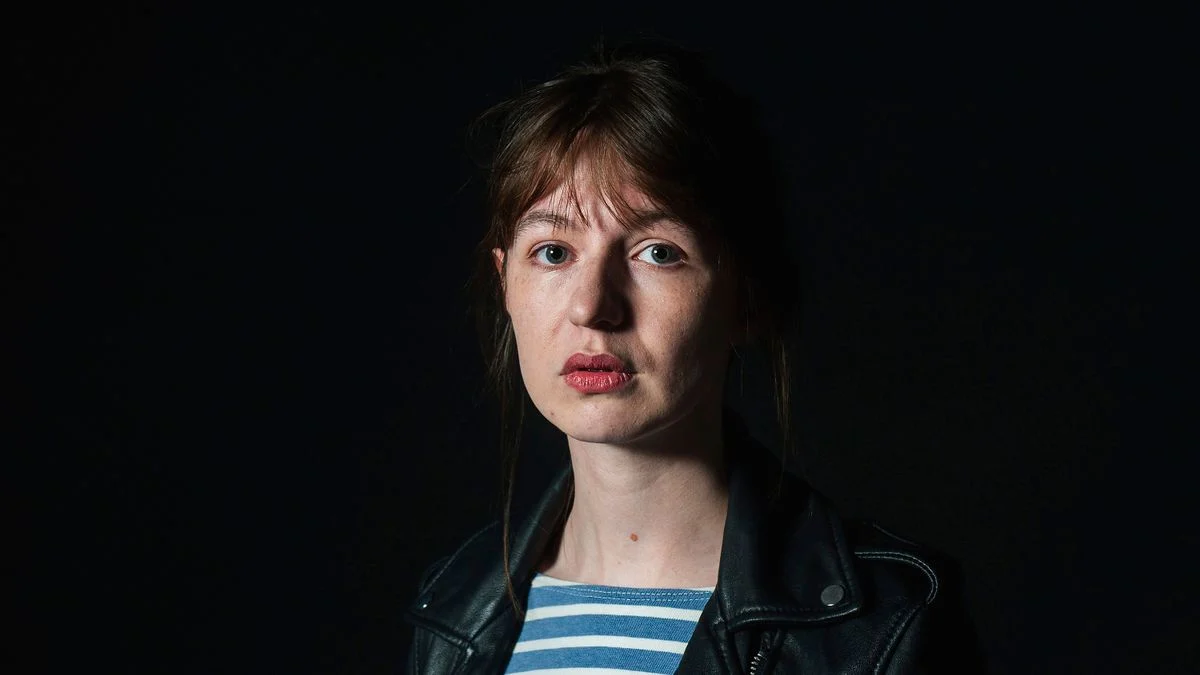
In an unprecedented collision between contemporary literature and stringent national security legislation, acclaimed Irish novelist Sally Rooney has effectively ceased the commercial distribution of her works within the United Kingdom. This move, which has sent shockwaves through the publishing industry and human rights circles alike, stems from Rooney’s vocal, financial, and moral support for the activist group "Palestine Action"—an organization currently classified by the British government as a terrorist entity.
For Rooney, the author of global bestsellers such as Normal People and Beautiful World, Where Are You, the decision represents a definitive stand against what she perceives as the criminalization of political dissent. However, the legal reality in Britain is stark: by openly declaring her intent to fund the group, Rooney has placed herself in the crosshairs of the Terrorism Act, creating an impasse that renders the continued publication of her books in the UK legally and ethically untenable for her publishers.
The Genesis of a Conflict: A Chronological Overview
The current crisis did not emerge in a vacuum; it is the culmination of escalating tensions between the British state’s definition of "extremism" and the growing movement of civil disobedience regarding the situation in Gaza.
The Designation of "Terrorism"
In the latter half of 2025, the UK government intensified its crackdown on protest movements, leading to the formal proscription of "Palestine Action." The group, known for its direct-action tactics against defense contractors and firms linked to Israeli military interests, was labeled a terrorist organization under the Terrorism Act. This designation fundamentally altered the legal landscape, transforming financial contributions or public endorsements of the group into potential criminal acts.
The Irish Times Manifesto
Shortly after the proscription, Rooney published a searing opinion piece in The Irish Times. In a display of ideological defiance, she publicly pledged her continued support for the group. Addressing the potential legal repercussions head-on, she wrote: "If this makes me a ‘supporter of terror’ under UK law, then so be it." This declaration served as the catalyst for the current publishing standoff.
The Withdrawal from the UK Market
By late 2026, the situation reached a breaking point. In an interview with The Guardian, Rooney confirmed that she could no longer accept royalties from UK book sales. The dilemma for her publishers was twofold: the potential for money-laundering or "terror-financing" charges, and the moral refusal to process funds that could legally be construed as tainted under the new statutory framework.
The Legal Tightrope: The "Terrorism Act" in Practice
The legislative framework currently being invoked—the Terrorism Act 2000 and subsequent amendments—has become a lightning rod for criticism. Since the proscription of Palestine Action, police powers have been utilized with unprecedented frequency.
Statistical Context: The Scope of the Crackdown
Official government statistics reveal the intensity of the state’s response. Since the ban on Palestine Action, there have been more than 3,000 arrests made under the Terrorism Act. A staggering 2,800 of these arrests are directly linked to activities, protests, or associations involving Palestine Action. These figures illustrate a broader trend of "securitized policing," where the state is increasingly utilizing anti-terror legislation to dismantle radical protest movements.
The Judicial Seesaw
The legality of the government’s actions has been subject to intense judicial scrutiny. In February 2026, the High Court issued a landmark ruling that temporarily lifted the ban on Palestine Action, suggesting that the government’s designation might be an overreach. However, the government successfully appealed the decision, with a higher court reinstating the ban, citing the necessity of national security. The case is now pending before the Supreme Court of the United Kingdom, with a final ruling expected in November. This decision will not only determine the fate of the group but will also set a precedent for how the British legal system handles political movements that engage in disruptive direct action.
Official Responses and Industry Implications
The publishing industry, usually insulated from the front lines of political radicalism, has found itself in the center of a storm. The conflict between the author’s conscience and the publisher’s legal obligation has created a "deadlock" scenario.
The Publisher’s Dilemma
In a statement issued to the press, Rooney’s publishers expressed their frustration with the current legal status quo. "The works of an author cannot be sold if the proceeds cannot be legally forwarded," the statement noted. The logistical impossibility of distributing books while being legally barred from remunerating the creator has rendered the British market effectively closed to her future and current titles.
For a publisher, the risk is not merely reputational but existential. Under current UK law, if a company continues to operate in a way that facilitates the income of a person who has publicly committed to funding a proscribed group, the firm itself could face investigation. Consequently, the commercial withdrawal is as much a defensive legal strategy as it is an act of solidarity.
Rooney’s Stance
Rooney has remained steadfast. She has already canceled scheduled promotional tours and personal travel to the United Kingdom, citing her refusal to engage with a state that she believes has abandoned the principles of free speech and peaceful protest. "I have always tried to be open about my convictions," she told The Guardian. "I am prepared to face the consequences." Her rhetoric highlights a growing divide between the artistic community and the government’s approach to civil liberty.
Broader Implications: The Future of Dissent in the UK
The Sally Rooney case serves as a microcosm for a much larger, more uncomfortable conversation about the state of democracy in the United Kingdom.
The Shrinking Space for Dissent
Critics of the government’s approach argue that the Terrorism Act is being repurposed to stifle political opposition. By framing protest as "terrorism," the state effectively removes the possibility of a nuanced public debate. When an author of Rooney’s stature—a figure whose works are studied in universities and enjoyed by millions—is forced out of a market due to her political associations, it signals a narrowing of the "Overton Window" in British cultural life.
The Precedent for Authors and Creatives
This situation sets a chilling precedent for other artists, musicians, and writers who use their platforms to express radical or non-conformist political views. If the standard for "terror support" is merely the endorsement of an organization that the state has deemed undesirable, then the entire creative community is potentially vulnerable to legal censorship.
The Ethical Dilemma of Consumption
For the British public, the absence of Rooney’s books from shelves poses a unique ethical challenge. Does one source these works through unofficial channels, or does the withdrawal signify an end to her cultural influence in the region? The situation forces readers to grapple with the reality that their cultural consumption is inextricably linked to the legal and political machinations of the state.
Conclusion: A Turning Point for Intellectual Freedom
The standoff between Sally Rooney and the British legal system is far from resolved. As the Supreme Court prepares to deliberate on the status of Palestine Action this November, the outcome will have profound implications for the limits of protest and the autonomy of the individual against the state.
Rooney’s decision to prioritize her conscience over her commercial success in one of the world’s largest book markets is a rare act of intellectual courage in an era of corporate caution. Regardless of how the courts rule, the "Rooney Case" has already succeeded in drawing international attention to the fragility of civil liberties in the United Kingdom. It remains to be seen whether this will lead to a re-evaluation of the Terrorism Act or if it marks the beginning of a new, more restrictive chapter in British public life.
For now, the silence on the shelves where Rooney’s novels once stood remains a loud, uncomfortable reminder of the price of conviction in a climate of legal volatility. The intersection of literature, politics, and the law has never been more contested, and the world will be watching to see if the Supreme Court chooses to uphold the spirit of dissent or reinforce the current legislative cage.