Warsaw/Kyiv/Moscow – The conflict in Ukraine has entered a new phase of diplomatic friction and military escalation, marked by a sharp rebuke from Poland’s Foreign Minister Radosław Sikorski against SpaceX CEO Elon Musk for reported restrictions on Starlink satellite services for the Ukrainian military. This criticism comes amidst a surge in Russian attacks on Ukraine’s energy infrastructure, which Kyiv alleges is a blatant disregard for a recently announced "energy ceasefire" by former U.S. President Donald Trump. Meanwhile, Trump’s controversial diesel deal with Russia and his ambiguous stance on the conflict continue to sow confusion and concern among allies.
The reported limitations on Starlink, a vital communication lifeline for Ukraine’s defense, have prompted accusations of political maneuvering, highlighting the intricate interplay of private sector influence, geopolitical strategy, and the brutal realities of modern warfare. As winter looms, the systematic targeting of energy facilities threatens to plunge Ukraine into its "most terrible war winter," according to geopolitical experts, further complicating an already volatile international landscape.
Escalating Tensions and Controversies
The past week has seen a dramatic intensification of the Ukraine conflict, not only on the battlefields but also in the diplomatic arena, with a series of developments underscoring the complex and often contradictory dynamics at play. From crucial satellite communications being curtailed to Russia’s unyielding energy infrastructure assaults, the situation remains deeply precarious.
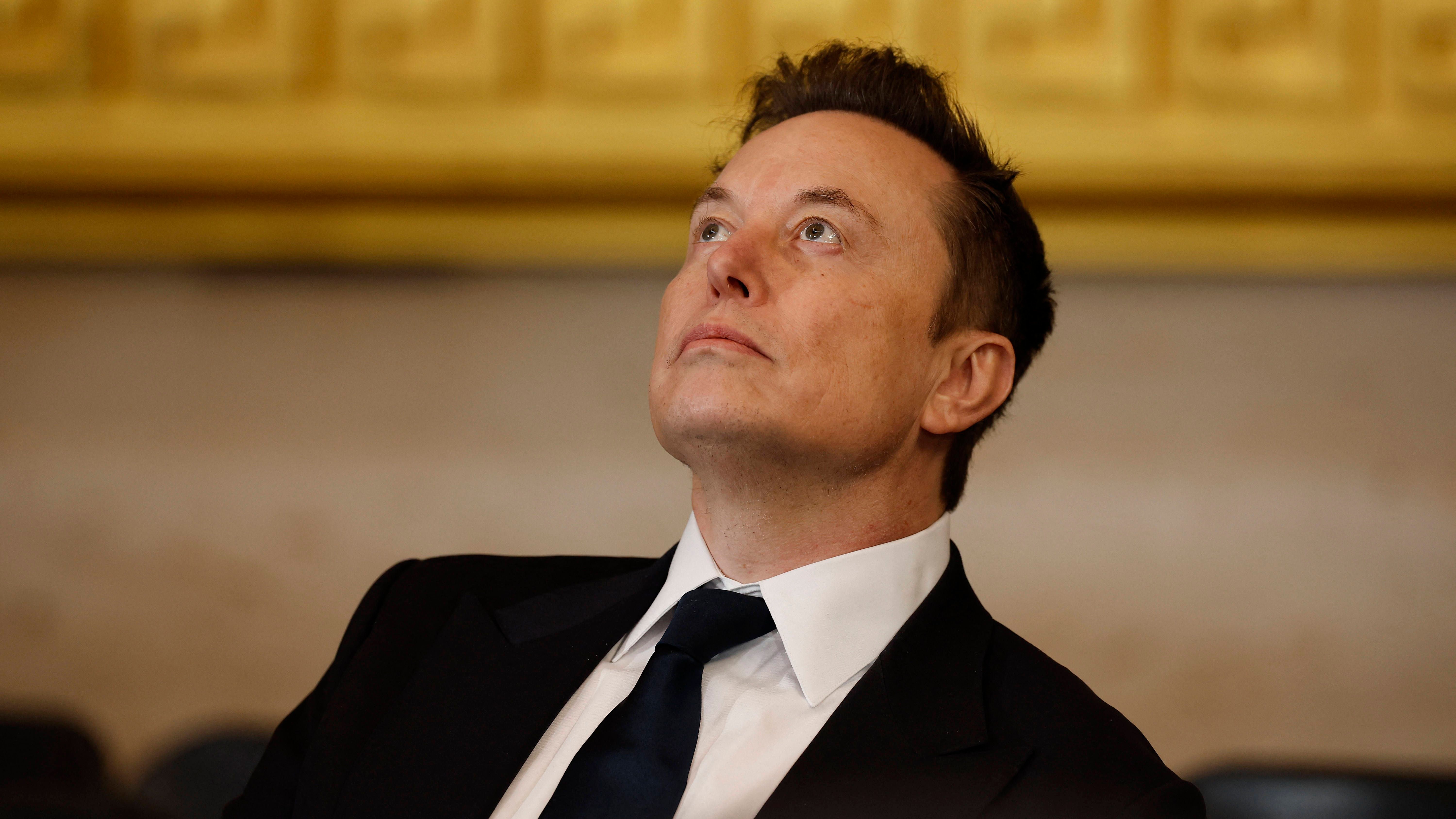
Starlink’s Crucial Role and Sudden Restrictions
Elon Musk’s Starlink satellite internet service has been an indispensable asset for the Ukrainian military since the early days of the full-scale invasion, providing resilient communication capabilities where traditional infrastructure has been destroyed or is unreliable. Its high-speed, low-latency connectivity has been critical for command and control, drone operations, and frontline communication, granting Ukrainian forces a significant tactical advantage.
However, this vital support now appears to be under threat. Radosław Sikorski, Poland’s Foreign Minister, publicly criticized Musk, questioning his motives for reported restrictions on the service. Taking to the platform X (formerly Twitter), Sikorski directly addressed Musk, stating, "Hey, Elon Musk, big man, are you playing politics again with your products? As your European customers, we are watching you." This pointed remark suggests a growing concern among European allies about the unpredictable nature of private sector involvement in critical military support and the potential for it to be swayed by political considerations.
The specific nature of the restrictions was detailed by Serhiy Beskrestnov, an advisor to Ukrainian President Volodymyr Zelensky. Beskrestnov reported on Telegram that the military version of Starlink’s communication service no longer functions at speeds exceeding 160 kilometers per hour. This limitation, imposed without prior warning, has significantly impacted combat operations, leading to "the interruption of several missions," according to Beskrestnov. An unnamed insider from the 7th Rapid Response Corps, deployed on the southeastern front, confirmed experiencing Starlink connection failures. The abrupt nature of these changes and the lack of communication from SpaceX have left Ukrainian forces vulnerable and raised questions about the operational reliability of the service in future critical situations. The timing of these restrictions has also fueled speculation about a potential political dimension, especially given recent diplomatic overtures from the United States.

Russia’s Persistent Assaults on Energy Infrastructure
Despite recent diplomatic efforts to de-escalate attacks on energy systems, Russia has launched a fresh wave of large-scale strikes against Ukrainian power facilities. The Russian Ministry of Defense confirmed these attacks, reporting that its forces targeted seven Ukrainian energy facilities and a data center overnight. According to Moscow, these sites served the Ukrainian military, with ground-launched missiles and long-range drones hitting two heating plants in the capital Kyiv and another in the surrounding region. Additionally, a heating plant and a thermal power station in Kharkiv, which reportedly supplied the Ukrainian military in the southeastern part of the region, were also struck. The data center in Kyiv was allegedly used for gathering intelligence on Russian forces.
Ukrainian President Volodymyr Zelensky swiftly condemned these attacks, accusing Russia of showing "ostentatious disrespect" for the "energy ceasefire" announced by former U.S. President Donald Trump. Zelensky emphasized that the strikes were a deliberate targeting of facilities that should have been protected by the agreement, describing the scale of the assault as "completely intentional and demonstrative." The Ukrainian Air Force further reported that only four out of 39 Russian missiles launched during the night were intercepted, with the majority aimed at energy infrastructure. These attacks, which also included strikes on state energy company Naftogaz’s gas production facilities in the Kharkiv region, caused fires and significant damage to vital infrastructure, intensifying concerns about Ukraine’s ability to maintain power and heating as winter approaches.
A Fraught Diplomatic Landscape
The military developments are inextricably linked to a complex and often contradictory diplomatic landscape, where the actions and statements of international actors create both hope and confusion.

Trump’s Controversial "Energy Ceasefire" and Diesel Deal
The current diplomatic disarray largely stems from former U.S. President Donald Trump’s recent interventions. Trump, without clear coordination with allies or Ukraine, unilaterally announced an "energy ceasefire" on Sunday, urging both sides to refrain from attacking each other’s energy infrastructure. This declaration followed his decision to temporarily lift U.S. sanctions on Russian diesel exports, an agreement he claimed would help American farmers and lower global fuel prices ahead of the upcoming U.S. congressional elections. The deal involves Russia supplying over 2.25 million barrels of diesel to the global markets, not directly to the U.S. as initially misstated by Trump.
This move immediately drew bipartisan criticism in the U.S. Congress, with senators arguing that the agreement violated a 2022 law prohibiting the import of Russian energy until Moscow ends its aggression against Ukraine. Insiders familiar with the matter, speaking to Reuters, suggested that the U.S. envoys Steve Witkoff and Jared Kushner had informed Ukrainian representatives in Miami that the diesel deal was intended to "soften" Moscow’s position and encourage peace negotiations. However, Ukrainian officials reacted skeptically, viewing the deal as a concession to Russia, especially as the envoys also reportedly demanded an end to Ukrainian attacks on Russian refineries. The U.S. delegation, however, did not threaten to cut aid to Kyiv at that time.
Trump’s response to Russia’s immediate violation of his self-proclaimed ceasefire was equally perplexing. When questioned about Russia’s continued attacks, Trump deflected, stating, "Well, I’d have to look at that first, because there have been violations on both sides." He further asserted that Russian President Vladimir Putin was more interested in a peace deal than President Zelensky, a statement that has been widely criticized for undermining Ukraine’s position and absolving Russia of its aggression. Despite these controversial stances, Trump affirmed that the U.S. would continue to share intelligence with Ukraine, saying, "We help them and we share intelligence. We want the war to end, so we are working with them and Russia to end the war." These conflicting messages have created significant uncertainty regarding the future of U.S. support and its overall strategy for ending the conflict.
International Reactions and Calls for Peace
The diplomatic fallout from these events has been immediate and widespread. Polish Foreign Minister Radosław Sikorski’s direct challenge to Elon Musk reflects a broader European unease with the opaque nature of Starlink’s operational policies and their potential impact on a sovereign nation’s defense.
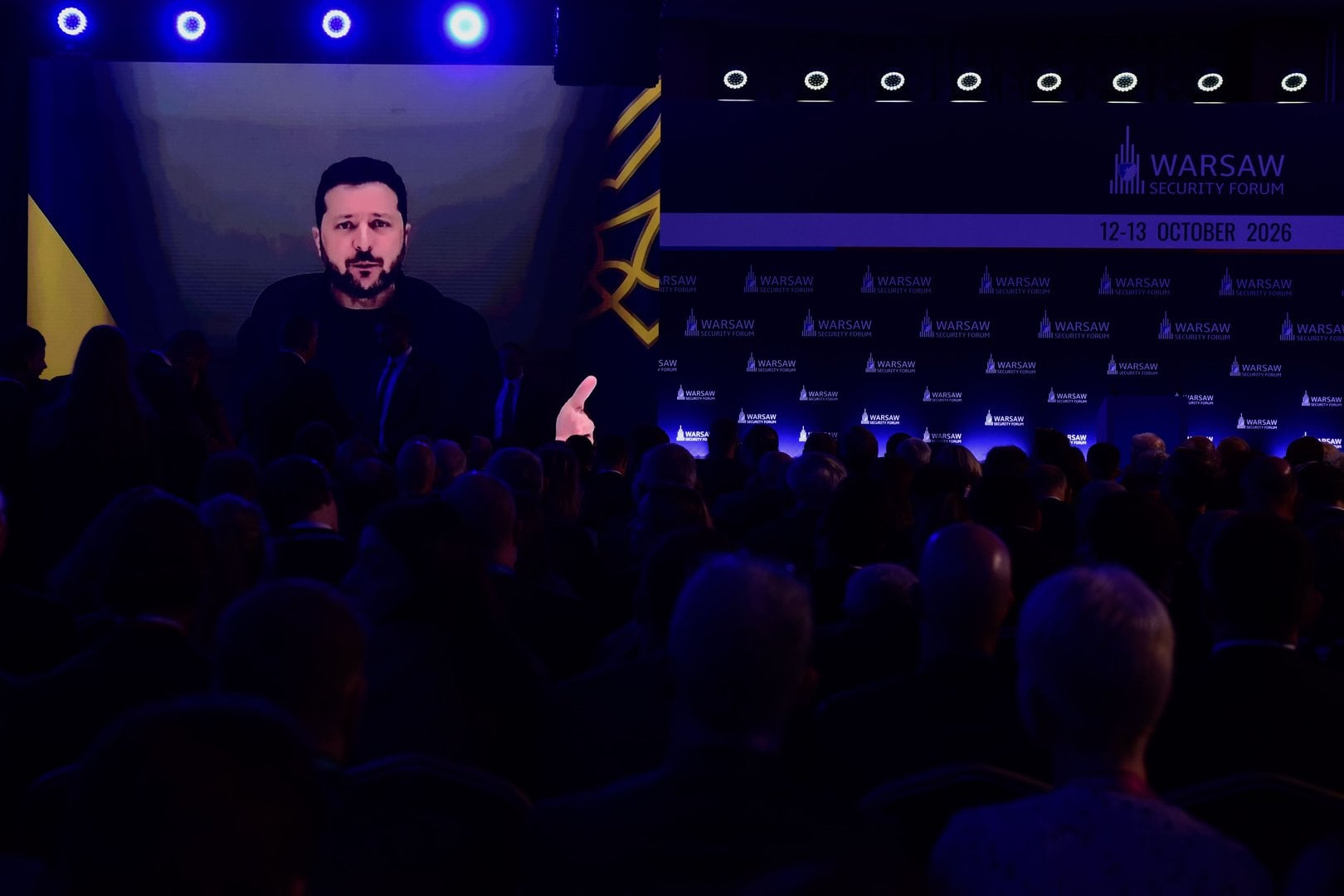
Ukrainian President Volodymyr Zelensky, while initially expressing surprise at Trump’s ceasefire announcement, indicated a willingness to consider it, emphasizing its potential as a step towards peace if the U.S. could ensure Moscow’s compliance. However, Russia’s subsequent missile barrage on energy facilities forced Zelensky to accuse Moscow of flagrantly breaching the agreement. He urged Washington to intervene and ensure adherence, lamenting that he learned of the agreement "from the media." Zelensky described Russia’s actions as an unprecedented display of "ostentatious disrespect" towards the United States, suggesting that Moscow did not perceive Trump’s statements as authoritative.
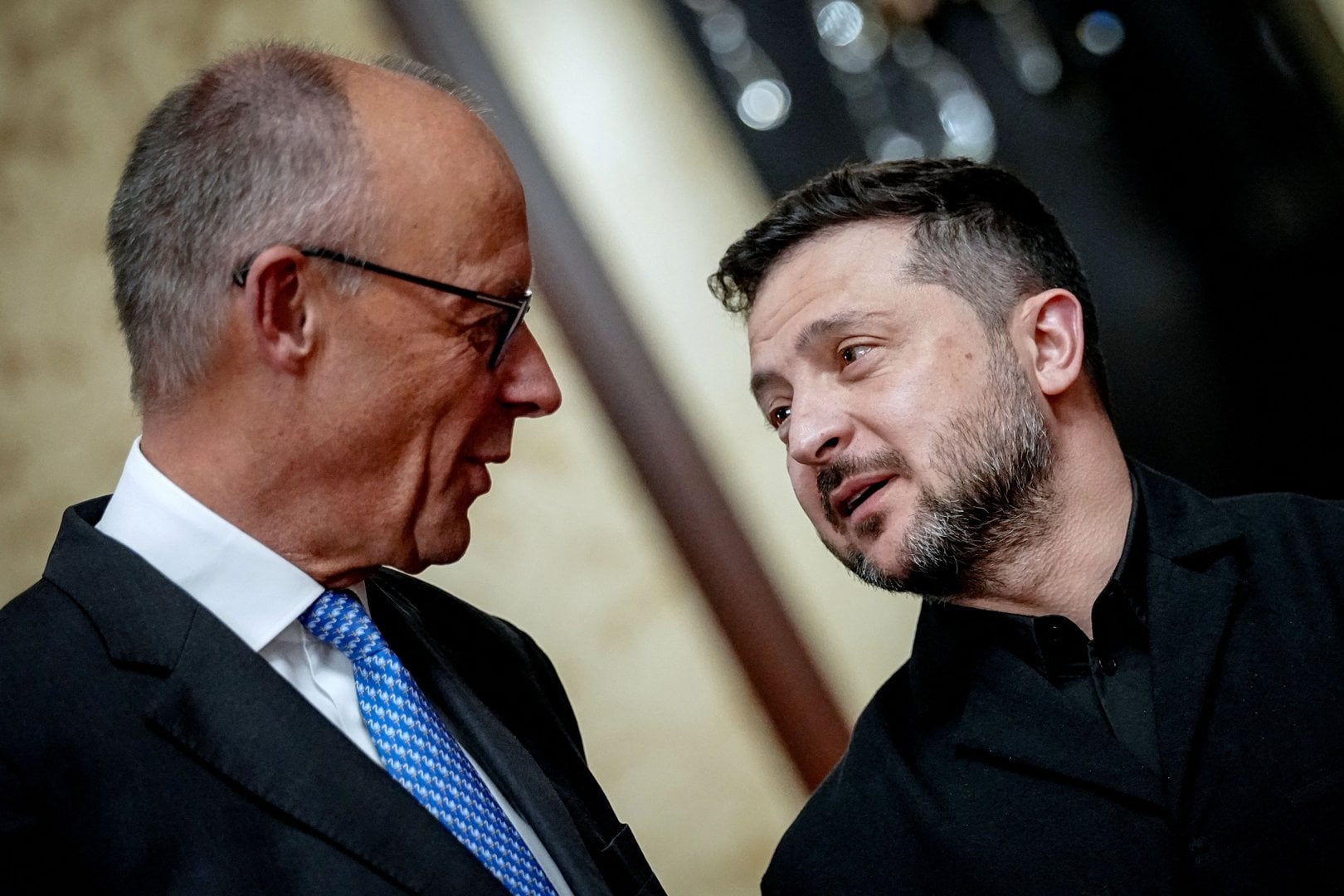
Germany’s Chancellor Friedrich Merz and President Zelensky held a telephone conversation during which both leaders agreed that Russia must commit to a comprehensive ceasefire for all energy infrastructure. Merz reaffirmed Germany’s unwavering solidarity with Ukraine, underscoring the united front among key European allies. Zelensky also confirmed discussions with NATO Secretary-General Mark Rutte and Polish Prime Minister Donald Tusk, stating that all shared an "absolutely clear position: Ukraine must be supported, and Russia must not be given a chance to break Ukraine and Europe."
The Kremlin’s response to Trump’s "energy ceasefire" has been notably ambiguous. Kremlin spokesman Dmitri Peskov stated that "contacts with the U.S. side were ongoing" and that the Kremlin would "inform when there are results," deliberately avoiding any confirmation of the ceasefire. Peskov also declined to specify whether the proposed truce would apply exclusively to oil refineries. Furthermore, Moscow flatly rejected Zelensky’s proposal for a 60-day ceasefire to organize presidential elections, with Peskov reiterating Russia’s demand for a long-term peace agreement rather than a temporary truce. This stance further highlights Russia’s attempts to undermine Zelensky’s legitimacy, as Ukrainian law prohibits elections during martial law.
Broader Security Concerns and Humanitarian Impact
Beyond the immediate battlefront and diplomatic sparring, the conflict continues to generate wider security concerns and a deepening humanitarian crisis.
Black Sea Incidents and Regional Instability
The Black Sea region, a critical maritime route, has also witnessed renewed instability. The Bulgarian government reported drone attacks on two merchant ships off its coast, one of which, the "Alfa Watan" (sailing under the flag of Togo), sank within approximately three minutes of being hit. This rapid sinking suggests a drone equipped with a warhead exceeding 300 kilograms, according to Professor Dimitar Nedjalkov of the Military Academy in Sofia. The fate of the 12 crew members of the "Alfa Watan" remains unknown.
In response to these grave incidents, Bulgaria’s Prime Minister Rumen Radev summoned the Russian ambassador to Sofia and announced that he would seek technical assistance from NATO Secretary-General Mark Rutte and the European Union for the ongoing investigations. The attacks underscore the heightened risks to commercial shipping in the Black Sea and the potential for broader regional destabilization, as the origin of the drones remains officially unconfirmed, though suspicions naturally point to the ongoing conflict.
Civilian Casualties and Infrastructure Damage
The human cost of the renewed Russian aggression is mounting. In Kyiv, one person was killed and at least six were injured in the missile strikes on energy facilities. Kharkiv, Ukraine’s second-largest city, also suffered significant damage, with four people killed in attacks targeting transport and logistics infrastructure.
Meanwhile, Russian regions bordering Ukraine have also reported drone attacks. In the Saratov Oblast, a drone strike in the city of Balakovo reportedly killed one person and damaged houses. Balakovo is home to critical infrastructure, including a data center for Russia’s leading bank, Sberbank, a nuclear power plant, and a hydroelectric power station. Separately, a drone attack in the Belgorod region’s village of Kupino also resulted in one fatality. Russia’s regional governor, Vladimir Vladimirov, reported that a drone attack on an industrial area in Nevinnomyssk, a significant chemical industry hub in the Stavropol region, was successfully repelled. These reciprocal attacks highlight the expanding geographical reach of the conflict and the increasing risk to civilian populations on both sides.

The damage to Ukraine’s energy infrastructure is particularly alarming as winter approaches. Geopolitics expert Klemens Fischer, a former Austrian diplomat and professor at the University of Cologne, warned in the "Handelsblatt Today" podcast that the proposed energy ceasefire is "unrealistic" given Russia’s strategy. Fischer stated that Russia views winter as a crucial pressure tactic, noting that "at least 80 percent of Ukraine’s energy infrastructure has already been destroyed." He cautioned that the coming months could become "the most terrible war winter for Ukraine," posing an immense humanitarian challenge.
Sanctions and Global Implications
The international community continues to react to the evolving conflict with further sanctions and diplomatic pressure. The European Union recently adopted new sanctions against three individuals and four organizations in North Korea. These measures target their involvement in the country’s nuclear and ballistic missile programs, specifically citing their "growing military and economic cooperation" with Russia, which includes the deployment of North Korean laborers in Russia, collaboration in trade and industry, and an "arms-for-oil" exchange. This underscores the deepening ties between Moscow and Pyongyang, creating a new axis of concern for global security.
Despite the continuous imposition of sanctions, geopolitical expert Klemens Fischer offered a sobering assessment, stating that while sanctions are "painful" for Russia, they have "never ended a war." He suggested that Russia might hope that continued oil deliveries to the global market, facilitated by Trump’s diesel deal, could eventually lead to the lifting of broader sanctions and a "return to the world community."

Adding another layer of complexity, the Kremlin has demanded an "objective clarification" from the upcoming trial in Germany concerning the 2022 Nord Stream pipeline sabotages. A Ukrainian citizen is set to face trial in Hamburg, and Moscow expects the proceedings to identify the instigators and perpetrators of the sabotage, hinting at its continued interest in the incident’s geopolitical implications.
Implications and Outlook
The current confluence of military actions and diplomatic maneuvering casts a long shadow over the future of the Ukraine conflict, with significant implications for all involved parties.
Uncertain Future of U.S. Engagement
The U.S. stance, largely dictated by former President Trump’s recent actions and statements, introduces a profound element of uncertainty. While Trump confirmed continued intelligence sharing with Ukraine, his public criticisms of Kyiv’s actions against Russian refineries and his suggestion that Putin is more amenable to peace than Zelensky send conflicting signals. Such rhetoric risks undermining the international coalition supporting Ukraine and could embolden Russia. Geopolitical expert Fischer’s stark warning that a cessation of U.S. arms supplies would render Ukraine "defenseless in the medium term" highlights the critical nature of consistent and unwavering American support. The ongoing internal political dynamics in the U.S. will undoubtedly shape the conflict’s trajectory, potentially creating vulnerabilities that Russia could exploit.

Ukraine’s Resilience and Challenges
Ukraine faces an uphill battle to maintain its resilience in the face of relentless Russian aggression. The systematic targeting of energy infrastructure, coupled with reported Starlink restrictions, threatens to severely degrade its defensive capabilities and humanitarian conditions. President Zelensky’s efforts to rally international support and navigate complex diplomatic overtures are crucial, but the challenges are immense. The approaching winter, with a significant portion of its energy grid already compromised, poses an existential threat to millions of Ukrainians. The country’s ability to repair and protect its critical infrastructure, while simultaneously fending off attacks, will be a defining factor in the coming months.
The Shifting Geopolitical Chessboard
The Ukraine conflict is increasingly reshaping the global geopolitical landscape. The emergence of a deepening alignment between Russia and North Korea, evidenced by the EU’s new sanctions, points to a growing challenge to the existing international order. The role of powerful private actors, such as Elon Musk and SpaceX, in providing critical military support also introduces novel ethical and political dilemmas. Their capacity to unilaterally alter the terms of such vital services raises questions about accountability and the balance of power between states and private enterprises in times of conflict. For European nations, the task of maintaining a united front in support of Ukraine, while navigating the complexities of U.S. policy shifts and internal economic pressures, remains a formidable challenge. The coming period promises continued volatility, requiring astute diplomacy, robust international cooperation, and an unwavering commitment to the principles of national sovereignty and international law.