By Financial News Desk
Updated: October 2, 2026
The global sportswear industry, long dominated by the sheer scale and cultural omnipresence of Nike, is undergoing a seismic shift. As the Beaverton-based giant grapples with a significant cooling of its financial engine, its primary European competitors—Adidas and Puma—are finding an unexpected opening to reclaim market share. This realignment of the industry hierarchy, underscored by a series of disappointing quarterly results from Nike, has sent shockwaves through global stock exchanges, forcing investors to re-evaluate the resilience of the world’s biggest sports brands.
Main Facts: The Decline of the Titan
The latest financial disclosure from Nike has sent a clear signal to the market: the post-pandemic boom in athletic retail has officially ended. Following the close of the markets in the United States, Nike reported a dismal quarter, with revenue tumbling four percent year-on-year to $11.2 billion. Even more concerning for shareholders was the two percent decline in net profit, which settled at $712 million.
The company’s forward guidance is equally sobering. Management expects a revenue contraction in the high single-digit percentage range for the current fiscal year. Despite an aggressive pivot to a $2.5 billion cost-cutting and restructuring program, the market’s reaction was unforgiving. Nike’s share price plunged by more than ten percent in pre-market trading, reflecting a loss of confidence in the brand’s current strategic trajectory.
Chronology: From Pandemic Highs to Structural Stagnation
To understand the current crisis, one must look at the timeline of the last four years. During the height of the COVID-19 pandemic, demand for loungewear and high-performance athletic gear reached an all-time high. Brands like Nike, Adidas, and Puma saw record-breaking digital sales as consumers, confined to their homes, prioritized health and comfort.
However, the transition into 2024 and 2025 proved difficult. Inflationary pressures began to erode consumer purchasing power, and the supply chain disruptions that plagued the early 2020s gave way to an inventory glut. By late 2025, Nike began to feel the heat of its own strategic decisions. In a bold but ultimately flawed move, the company slashed its wholesale partnerships to prioritize its own Direct-to-Consumer (DTC) channels. While intended to boost margins, the move alienated traditional retail partners and opened the door for rivals to occupy the shelf space Nike had vacated.
Supporting Data: The Divergent Paths of Competitors
While Nike’s stock suffered, the European giants followed a different narrative. Initially, shares of Adidas and Puma dipped in sympathy with the sector-wide trend following Nike’s announcement. However, by midday, both stocks had staged a remarkable turnaround, climbing nearly two percent in their respective markets.
The data suggests a structural divergence:
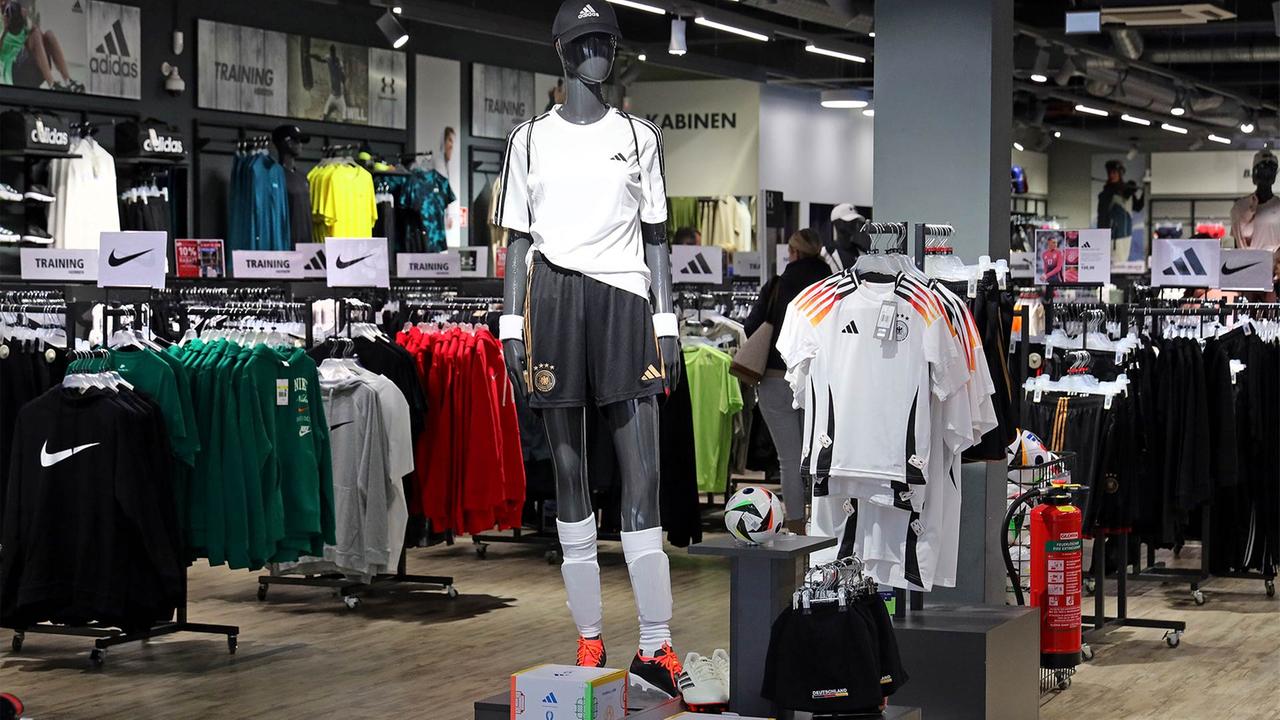
- Adidas: The German sportswear manufacturer reported a record net revenue of 6.7 billion euros in the second quarter of 2026, with an operating profit increase of five percent to 574 million euros.
- Nike: Revenue declined by four percent, with a particularly sharp drop in the Chinese market, where sales fell by nearly 25 percent.
- Puma: While currently undergoing an internal restructuring and dealing with minor operational losses, the company maintains a positive outlook, banking on a stronger second half of the year to stabilize its position.
The China Factor: A Case Study in Localization
One of the most critical battlegrounds for global sports brands is China, a market that has historically been vital for growth. Nike’s failure to innovate specifically for the Chinese consumer has been cited by analysts as a primary driver of its 25 percent revenue drop in the region. The brand’s reliance on "global" designs failed to resonate with local tastes.
In stark contrast, Adidas has aggressively pursued a "localization" strategy. Rather than importing Western-centric designs, the company has pivoted toward products designed and manufactured within China. This approach taps into the Guochao trend—a movement that celebrates Chinese cultural pride and heritage. By collaborating with local designers and showcasing their work at events like the Shanghai Fashion Week, Adidas has effectively insulated itself from the anti-globalization sentiment that has hampered Nike’s growth in the region.
Official Responses and Strategic Pivots
Nike’s management has been transparent about the need for a total overhaul. The announced $2.5 billion savings program is intended to streamline operations, reduce bureaucracy, and refocus on product innovation. "We are in a period of transition," noted a company spokesperson in a recent investor call. "The priority is to return to the basics of innovation and to ensure our retail partners are once again a core part of our ecosystem."
Conversely, Puma’s CEO, Arthur Höld, has taken a more measured approach. Following a solid first quarter and a softer second, the company confirmed its full-year outlook. "We expect a gradual improvement in sales in the second half of the year," Höld stated. "The foundation remains strong, and we are confident in our ability to navigate the volatility of the current market."
Implications: A New Era for the Industry
The current situation holds profound implications for the future of the sportswear sector.
1. The Death of "One-Size-Fits-All" Retail
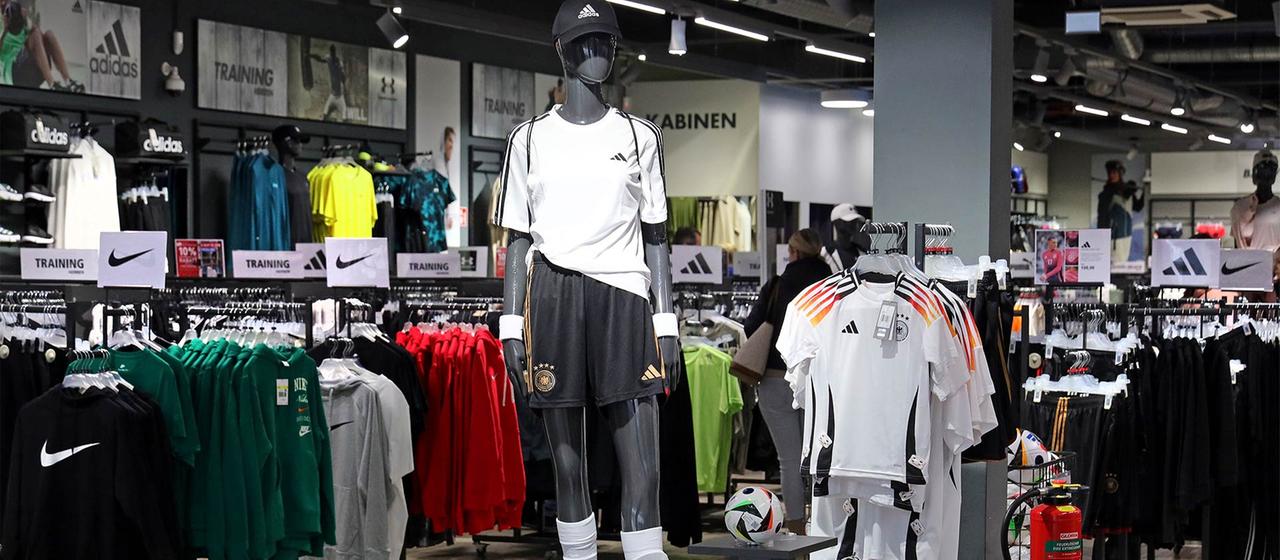
Nike’s struggle serves as a cautionary tale for the industry. The assumption that a brand is powerful enough to dictate terms to retailers has been proven wrong. The market is shifting toward a more collaborative retail model where brand presence in multi-brand stores is once again recognized as a driver of brand equity and reach.
2. The Rise of the "Challenger" Brands
It is not just Adidas and Puma benefiting from Nike’s weakness. A host of specialized, smaller brands—often focused on niche sports like trail running, pickleball, or sustainable fashion—are successfully chipping away at the market share of the "Big Three." These smaller, more agile companies are often faster to market and more attuned to the specific needs of modern, diverse consumer demographics.
3. Macroeconomic Pressures
The industry is not operating in a vacuum. Rising inflation, increased tariffs, and geopolitical trade barriers continue to loom over the sector. For the consumer, the increased cost of living means that apparel is no longer the "must-buy" item it was in 2021. Companies that cannot justify their price points through clear, innovative value propositions are finding themselves sidelined.
4. Broader Market Impact
The turbulence in the retail sector is being mirrored in the broader DAX index. As the German index crossed the 25,000-point threshold, investors are looking to these blue-chip companies as a bellwether for the European economy. The success of Adidas is currently providing a much-needed boost to investor sentiment, providing a counter-narrative to the broader anxiety surrounding US monetary policy and global inflation.
Conclusion: Looking Ahead
The path forward for the athletic apparel sector is anything but certain. While Nike possesses the deep financial pockets and brand heritage to orchestrate a recovery, the competitive landscape has fundamentally changed. The era of unchecked growth for the global titans has been replaced by a more fragmented, hyper-competitive market where success is increasingly dictated by agility, local market relevance, and a balanced approach to distribution.
As the US Federal Reserve’s upcoming decisions on interest rates loom over the markets, the performance of these brands will continue to be a primary focus for analysts. A soft landing for the global economy could help stabilize the retail sector, but for legacy giants like Nike, the mandate is clear: innovate, localize, and restore broken partnerships, or risk ceding the crown permanently to the very challengers they once considered negligible.
For now, the momentum remains with the European competitors, whose recent successes in China and their commitment to traditional retail channels are providing a blueprint for surviving—and thriving—in a cooling global market.