By Global Culture Desk
September 12, 2026
The 83rd Venice Film Festival concluded on a note of both cinematic celebration and profound political introspection. As the curtains fell on the Lido, the prestigious Golden Lion for Best Film was awarded to Woman Unknown, a poignant historical drama directed by May el-Toukhy. While the festival celebrated artistic achievement, the event was simultaneously defined by intense discussions regarding gender parity in the industry and the volatile intersection of documentary filmmaking and the ongoing conflict in Gaza.
The Triumph of "Woman Unknown"
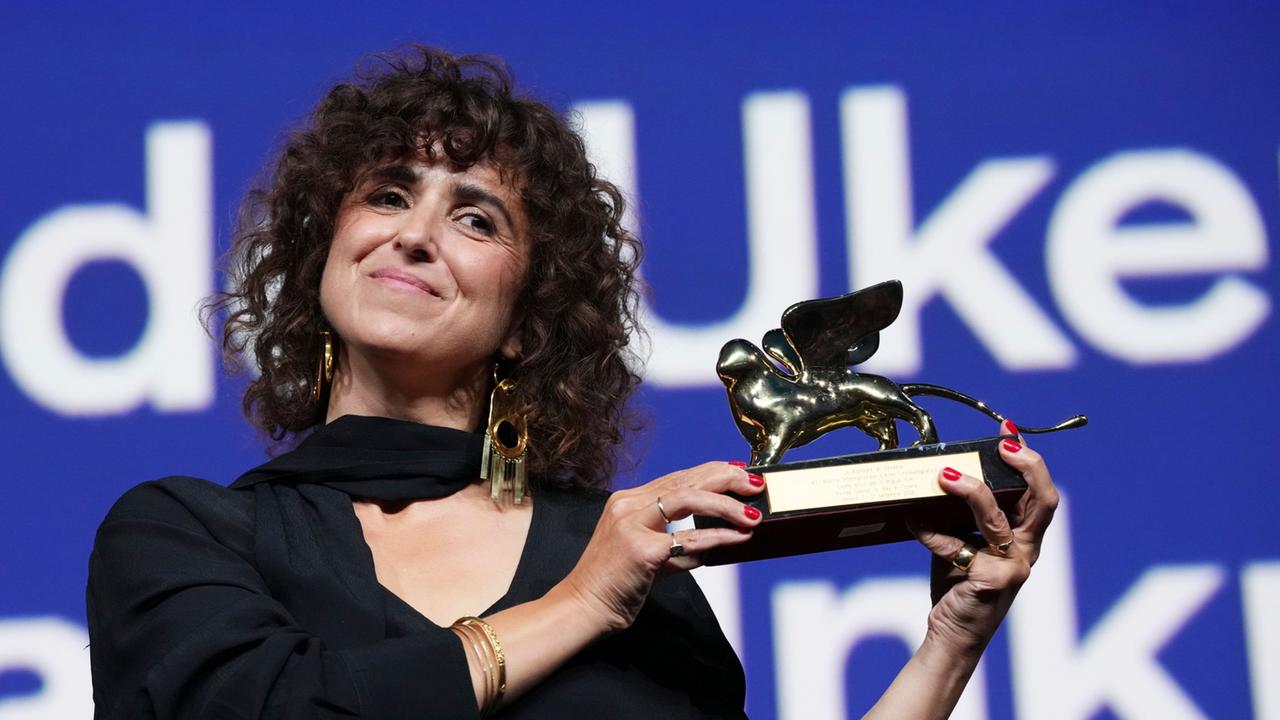
The festival’s highest honor, the Golden Lion, went to Danish director May el-Toukhy for her latest feature, Woman Unknown. The film, which captivated critics and audiences alike, is a meticulously crafted historical narrative set in Denmark during the immediate aftermath of World War II. El-Toukhy’s direction was praised for its delicate balance of personal trauma and national identity, grounding the macro-historical shifts of post-war Europe in the intimate, often agonizing journey of its protagonist.
The recognition for the film was not limited to the director. Mathilde Arcel, who delivered a hauntingly nuanced performance as the film’s lead, took home the Volpi Cup for Best Actress. The jury’s decision to award Arcel underscored the film’s emotional resonance, marking a significant milestone in her burgeoning career.
Rounding out the top tier of individual acting honors was veteran actor John Malkovich, who received the Golden Lion for Best Actor for his portrayal of a morally ambiguous CIA operative in the geopolitical thriller Wild Horse Nine. Malkovich’s performance was hailed as a masterclass in subtlety, depicting a man caught in the machinery of intelligence and the erosion of personal ethics.
The runner-up prize, the Silver Lion Grand Jury Prize, was awarded to the acclaimed South Korean auteur Lee Chang-dong for his latest work, Possible Love. Known for his rigorous visual language and deep psychological character studies, Lee’s latest offering was widely considered one of the most intellectually challenging films of the competition, further cementing his status as a titan of contemporary world cinema.
The Gaza Documentary "Naza" and the Power of Truth
Perhaps the most discussed entry at this year’s festival was Naza, a searing documentary that walked away with the Special Jury Prize. Directed by the Israeli journalist Rachel Szor in collaboration with colleague Yuval Abraham, the film arrived at the Lido already shrouded in anticipation.
During its world premiere, the documentary received a thunderous 25-minute standing ovation, a rare feat that signaled the film’s profound impact on the festival audience. Naza had been a frontrunner for the Golden Lion, and its ultimate recognition by the jury as a Special Prize recipient was widely seen as a nod to its journalistic bravery and cinematic urgency.
Contentious Narratives and Military Response
The subject matter of Naza is inherently explosive. The film features testimonies from anonymous Israeli military officials and intelligence officers who provide detailed accounts of the Israel Defense Forces’ (IDF) operations in the Gaza Strip. Specifically, the subjects discuss the mechanisms behind operations that resulted in the deaths of Palestinian civilians.
The documentary serves as an unflinching examination of the moral costs of modern warfare, using first-hand accounts to bridge the gap between abstract military strategy and the brutal realities on the ground. Unsurprisingly, the film has met with fierce pushback from official quarters.
In a formal response to the film’s release, a spokesperson for the Israeli military categorically rejected the allegations presented in Naza. The spokesperson argued that the documentary fails to account for the tactical realities of asymmetric warfare, specifically accusing Hamas of "intentionally embedding military infrastructure within civilian centers," thereby complicating the IDF’s ability to conduct strikes without collateral damage. The clash between the documentary’s narrative and the official state position has sparked a wider conversation about the role of the filmmaker as a witness to conflict.
Chronology of the 2026 Festival
- Opening Night: The festival commenced under a cloud of scrutiny regarding its selection committee, with early protests held outside the Palazzo del Cinema regarding the lack of female representation in the main competition.
- Mid-Festival Surge: The premiere of Naza shifted the festival’s momentum, turning the focus from pure cinema to the responsibility of the camera in documenting human rights abuses.
- The "Woman Unknown" Effect: As the festival progressed, May el-Toukhy’s film emerged as the critical consensus favorite, praised for its restraint and aesthetic beauty.
- Closing Ceremony: The awards were distributed on the final evening, confirming a balanced slate of winners that acknowledged both the artistic prestige of European period dramas and the urgent, investigative power of contemporary political documentaries.
The Gender Parity Debate: A Systemic Failure?
Beyond the awards, the 2026 Venice Film Festival will likely be remembered for its ongoing struggle with gender equality. At the start of the competition, Woman Unknown was the sole film directed by a woman in a main competition slate of 20 entries. The late addition of Naza—a co-directed project—did little to rectify the optics of a field dominated by male filmmakers.
The disparity did not go unnoticed by the festival’s leadership or its guests. Jury President Maggie Gyllenhaal, a celebrated actress and director, used the opening press conference as a platform to address what she termed a "systemic problem" within the global film industry.
"It is not a matter of a lack of talent," Gyllenhaal noted. "It is a matter of access, funding, and institutional gatekeeping." She pointed out that for many female directors, the struggle to secure the necessary budget and distribution support creates a high barrier to entry that persists long before a film reaches the selection committee of a major festival.
Critics and activists argued that the Venice selection committee’s reliance on established male names reflects a broader conservatism in the industry. While festival directors have promised to review their selection processes for future years, the 2026 edition has served as a catalyst for a global discussion on how film festivals can better reflect the diverse voices of the cinematic landscape.
Implications for the Future of Cinema
The 2026 edition of the Venice Film Festival leaves the industry at a crossroads. First, the success of Woman Unknown confirms that historical drama remains a potent force, provided it is handled with contemporary sensibilities and emotional depth.
Second, the controversy surrounding Naza highlights a changing landscape for documentary filmmaking. Audiences and jurors are increasingly demanding that documentaries act as more than just passive observers; there is a clear appetite for films that challenge state narratives and demand accountability from those in power. However, this also places filmmakers in the crosshairs of geopolitical disputes, raising questions about the safety of journalists and the ethics of anonymous sourcing in public media.
Finally, the festival’s gender debate suggests that the "business as usual" approach to programming is no longer sustainable. If the most prestigious festivals in the world—Cannes, Berlin, and Venice—fail to showcase a representative cross-section of global talent, they risk losing their cultural relevance. The pressure is now on the organizers to implement transparent, proactive policies that ensure that the next generation of filmmakers—regardless of gender—has the resources and the stage to share their stories.
As the industry moves forward, the legacy of Venice 2026 will be defined by the tension between the beauty of the craft and the harsh realities of the world it seeks to represent. Whether this year’s winners will inspire a new wave of political courage or lead to a more inclusive selection process remains to be seen. For now, the Golden Lion rests with May el-Toukhy, and the conversation in the streets of the Lido is far from over.