The security landscape in the Middle East has undergone a dramatic shift following a wave of coordinated aerial strikes targeting critical infrastructure in Saudi Arabia. The international airports in Riyadh and Dammam, two of the Kingdom’s most vital logistical hubs, have become the primary targets of an intensifying campaign by Houthi rebels. As the Saudi-led military coalition struggles to contain the fallout, the region faces a precarious period of heightened alert, with air traffic grounded, schools shifting to remote learning, and geopolitical tensions with Iran reaching a fever pitch.
Executive Summary: A Strategic Shift in Conflict
The recent series of attacks marks a significant escalation in the ongoing proxy conflict between Saudi Arabia and the Iran-backed Houthi movement. By targeting international aviation hubs, the insurgents are moving beyond localized military skirmishes to directly threaten the economic and infrastructural heart of the Gulf state.
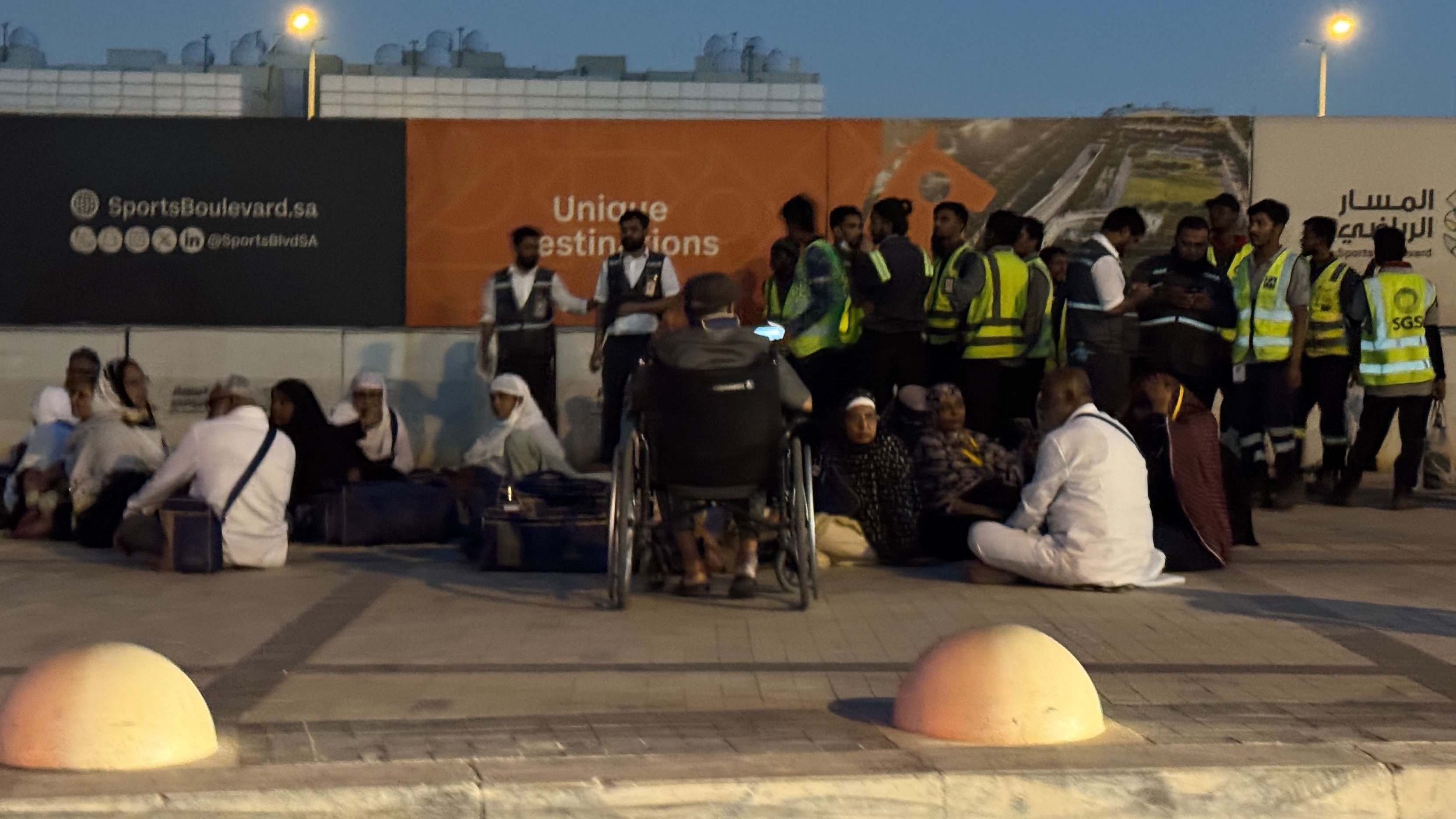
According to reports from the Saudi-led coalition, the capital’s airport was subjected to a direct strike on Saturday, leading to an immediate suspension of all air traffic. Concurrently, the airport in Dammam, a crucial node for the Kingdom’s Eastern Province and the oil industry, was also confirmed as a target. This double-pronged assault suggests a more sophisticated level of operational capability than previously demonstrated by the Houthi forces, raising urgent questions about regional security architecture and the effectiveness of current defense systems.
Chronology of the Assault
The sequence of events began in the early hours of Saturday, as radar systems detected multiple incoming threats targeting the capital.

- The Saturday Strike: In the initial, high-impact wave, the Riyadh international airport was hit, resulting in significant structural damage and, according to official figures, the tragic loss of at least twelve lives. More than 300 individuals were reported injured, marking this the single most lethal attack on the Kingdom since the regional conflict escalated in late February.
- Ongoing Threat: Following the initial strike, reports emerged of a secondary, ongoing threat. The Saudi air defense systems successfully intercepted a cruise missile in the immediate vicinity of the Riyadh airport. Despite this, the facility remains non-operational, with fires reported at the site, forcing authorities to maintain a total freeze on air traffic.
- Expansion to Dammam: As the situation in Riyadh unfolded, the Saudi Civil Aviation Authority confirmed that Dammam’s airport had also been targeted. While damage assessments are currently underway, the admission by the Houthi rebels that they intentionally directed projectiles toward this secondary hub confirms a calculated effort to disrupt the Kingdom’s logistical and transport capabilities on multiple fronts.
Supporting Data and Technical Assessment
The precision and volume of the attacks indicate that the perpetrators are utilizing advanced weaponry, including loitering munitions, ballistic missiles, and cruise missiles. Security analysts point to the increased usage of Iranian-designed drone technology, which allows for evasive flight paths that complicate traditional interception protocols.
The human toll of the Saturday attack—12 fatalities and over 300 injuries—represents a grim milestone. This is the highest casualty count documented in a single strike on Saudi soil since the current cycle of regional violence began in late February. The sheer scale of the incident has forced the Saudi Ministry of Education to announce the suspension of all in-person classes across the country until at least Thursday, signaling that the government is treating the threat as a sustained, national-level emergency.
Official Responses and Diplomatic Fallout
The international community has reacted with alarm to the targeting of civilian airports. The Saudi-led coalition, which has been engaged in a long-standing military campaign in the Jemen, has vowed a "firm and decisive" response. A spokesperson for the coalition stated that the attacks represent a "dangerous escalation" and a "blatant violation of international law," given the civilian nature of the targets.
Teheran, meanwhile, has faced renewed scrutiny. While the Iranian government maintains that it provides only "moral and political" support to the Houthis, Western intelligence agencies continue to present evidence of material, technical, and logistical support, including the transfer of missile components.

In response to the crisis, diplomatic channels in capitals from Cairo to Berlin and Tokyo are working overtime. Global powers are concerned that the disruption of air travel in the Gulf will have a cascading effect on global supply chains, energy prices, and regional stability. The White House has reiterated its commitment to supporting Saudi Arabia’s defense, though it faces the delicate challenge of deterring further attacks without triggering a wider, uncontrolled regional war.
Implications for Regional Security
The vulnerability of high-profile infrastructure like airports poses a profound challenge for the Saudi government. Several key implications have emerged:

1. The Challenge of Defense
The success of the Houthi strikes in penetrating the defense perimeter suggests that the current multi-layered missile defense systems (such as the Patriot batteries) require significant upgrades to counter low-altitude, swarm-drone tactics. The ability to defend against "saturation attacks"—where the sheer number of incoming threats overwhelms tracking systems—is now the primary focus for regional military planners.
2. Economic and Logistical Disruption
Airports are not merely transit points; they are symbols of economic connectivity. The suspension of flights in Riyadh and the potential damage to Dammam’s infrastructure threaten to spook foreign investors and slow down the Kingdom’s ambitious "Vision 2030" development projects. The cost of insuring flights, cargo, and infrastructure in the region is expected to rise sharply, potentially impacting global logistics costs.

3. Societal Impact
The government’s decision to close schools and mandate remote learning is a clear indication that the threat is perceived as persistent. This disrupts the daily lives of millions of citizens and residents, creating an atmosphere of anxiety that the Houthi movement likely intends to leverage as a form of psychological warfare.
4. A Shift in the Proxy War
The conflict has moved from the border regions of Jemen into the heart of the Saudi mainland. This shift forces the Kingdom to reconsider its defensive posture. It also complicates any potential peace negotiations, as the "rules of engagement" appear to have been discarded by the insurgent forces. The focus is no longer on territorial control in the Jemen, but on imposing a "cost of conflict" directly upon the Saudi state.

Looking Ahead: The Path to De-escalation
As the dust settles on the immediate aftermath of the attacks, the question remains: what happens next?
Regional experts suggest that a cycle of retaliation and counter-retaliation is the most likely scenario unless a robust diplomatic framework is established. The United Nations has called for an immediate cessation of hostilities, but with the Houthi leadership emboldened by the recent strikes and the Saudi coalition under immense domestic pressure to retaliate, the window for dialogue is narrowing.

The upcoming days will be critical. If the Saudi defense apparatus can successfully neutralize further incoming projectiles, it may serve as a deterrent. However, if the airports remain under threat or if further casualties occur, the probability of a direct, large-scale military confrontation involving external regional powers increases exponentially.
For the international community, the events in Riyadh and Dammam serve as a stark reminder of the volatility of the Middle East. The disruption of global transit hubs, combined with the loss of civilian life, has transformed what was once a localized regional conflict into a matter of global security concern. The world watches as the Kingdom of Saudi Arabia navigates one of the most difficult security crises of the decade, balancing the need for national defense with the imperative of maintaining regional stability.