By MDR SAXONY
Travelers departing from Saxony’s primary aviation hubs—Leipzig/Halle Airport (LEJ) and Dresden Airport (DRS)—will encounter a noticeably leaner flight schedule as the industry transitions into the winter season. With the official implementation of the winter flight plan on Sunday, which remains in effect until the end of March, both airports are reporting significant decreases in flight frequencies compared to the previous year. As the aviation sector continues to navigate a landscape defined by rising operational costs and shifting travel demands, these reductions reflect a broader trend of consolidation and strategic adjustment across regional German airports.

The State of Connectivity: A Quantitative Overview
The numbers provided by the Mitteldeutsche Flughafen AG, the operator of both airports, paint a sobering picture for those seeking extensive travel options from within the state. In Leipzig/Halle, the upcoming winter schedule features an average of 78 weekly departures, a reduction of approximately 18.8 percent compared to the 96 departures recorded during the 2025/26 winter season.
Dresden Airport faces a similar, albeit slightly less severe, contraction. The airport will see an average of 56 departures per week, down from 65 in the previous winter period, representing a decline of nearly 14 percent. These figures are not merely statistical shifts; they represent a tangible reduction in the logistical infrastructure that connects Saxony to the wider European and international economy.

Strategic Shifts: The Case of Sundair and New International Routes
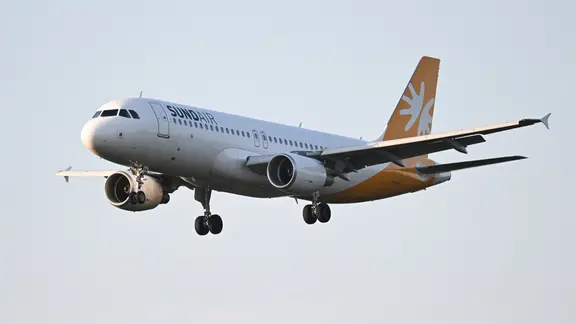
A significant portion of the decline in Dresden can be attributed to the tactical decision by the holiday airline Sundair. The carrier has opted to suspend its operations in Dresden entirely until the end of April, effectively withdrawing the aircraft it had previously based at the airport. This move has had an immediate impact on the regional market, specifically leading to the cancellation of popular winter getaway routes to the Canary Islands.
While the loss of the Canary Islands service is a blow to leisure travelers, the winter schedule is not devoid of innovation. Beginning in December, Dresden will gain a new connection via the airline Flyone, which will offer flights to Chișinău, the capital of the Republic of Moldova. This addition represents a strategic attempt to tap into Eastern European demand, though both the airport and the airline have remained tight-lipped regarding the specific projections or long-term commitments for this route.
Inner-German Connectivity: Cost Pressures and Strategic Retrenchment
The erosion of connectivity is perhaps most visible in the inner-German network. Lufthansa, the national carrier, has continued its policy of streamlining its flight plan, citing the prohibitive nature of high location costs in Germany. These costs—encompassing aviation taxes, security fees, and ground handling expenses—have forced the airline to prioritize high-margin routes, often at the expense of regional connectivity.
Under the current plan, both Dresden and Leipzig/Halle are serviced by an average of only three daily flights to Frankfurt, a major global hub. For business travelers, this limited frequency poses significant challenges in terms of connectivity to intercontinental flights. Dresden’s link to Munich remains somewhat more robust, with 17 flights per week, while Eurowings continues to operate six weekly flights between Dresden and Düsseldorf. These flights are specifically timed to cater to the needs of the business community, yet the overall frequency remains a point of contention for regional economic stakeholders.
The most severe impact in the inner-German sector is felt on the Leipzig/Halle to Frankfurt route, which has seen a reduction of nearly 20 percent in capacity. In contrast, international regional connectivity remains relatively stable, with Austrian Airlines maintaining six weekly flights from Leipzig/Halle to Vienna, and Swiss International Air Lines offering a similar frequency from Dresden to Zurich.
The Leisure Market: Maintaining Essential Sun Destinations
Despite the overall reduction in volume, core leisure travel remains a pillar of the winter schedule. Nonstop services to popular holiday destinations, including Antalya (Turkey), Hurghada (Egypt), and Palma de Mallorca (Spain), will continue to be served from both airports throughout the winter months.
Leipzig/Halle, in particular, maintains a diverse portfolio for winter travelers. In the late autumn, the airport will introduce a new direct route to Aswan, Egypt, located on the banks of the Nile. This complements the existing stable of routes to Marsa Alam, the Canary Islands, and the Portuguese island of Madeira. Meanwhile, Dresden retains its niche connection to Bolzano in South Tyrol, which will be served twice a week via turboprop aircraft, providing a vital link for winter sports enthusiasts and regional tourism.
Official Responses and Industry Implications
The Mitteldeutsche Flughafen AG has acknowledged the challenges inherent in the current aviation climate. Airport officials have repeatedly pointed to the "high location costs" in Germany—a sentiment echoed by industry giants like Lufthansa—as the primary driver behind the reduced schedules. The argument is that until the fiscal burden on German aviation is lightened, regional airports will continue to struggle to attract and maintain the necessary flight frequencies to compete with major European hubs.

The airlines themselves have been largely opaque regarding these decisions. Requests for comment sent to both Sundair and Flyone regarding their capacity adjustments and future strategies have, in many cases, gone unanswered. This silence underscores the volatile and highly competitive nature of the regional flight market, where routes are frequently opened or closed based on rapid assessments of profitability and operational efficiency.
The Broader Context: Why Connectivity Matters
The reduction in flight frequencies is not merely an inconvenience for travelers; it has broader economic implications for the state of Saxony. Reliable air connectivity is a critical component for regional investment, the tourism industry, and the ability of local companies to conduct business on a global scale.

- Tourism Impact: The loss of direct flights to the Canary Islands from Dresden forces residents to either seek alternative departure airports—such as Berlin or Prague—or abandon their travel plans altogether. This shift results in lost revenue for the regional airport and associated service providers.
- Business Climate: For a state with a growing industrial base, limited access to Frankfurt and Munich—Germany’s primary air gateways—acts as a bottleneck. Business travelers often require flexible, high-frequency connections to ensure productivity. When these are removed, the "attractiveness" of the region as a corporate headquarters or manufacturing hub can be diminished.
- The "Berlin Effect": Regional airports in Germany are increasingly competing not just with one another, but with the gravitational pull of larger, better-connected airports. The expansion of high-speed rail and the relative ease of travel to Berlin-Brandenburg Airport (BER) mean that many Saxon travelers are bypassing their local airports in favor of the wider selection available in the capital.
Looking Ahead: Seasonal Nuances and Future Prospects
While the winter schedule is locked in, airport operators note that fluctuations are common. Travel demand during the Christmas holidays and the spring break period often leads to the addition of extra flights or the introduction of "special charters" by tour operators. These flights are typically bundled into package deals and do not appear in standard commercial scheduling, but they provide a necessary lifeline for the airports during peak seasons.
Furthermore, the aviation industry remains in a state of flux. Advancements in aircraft technology, such as the introduction of more fuel-efficient, smaller-capacity regional jets, could potentially change the calculus for regional airports in the coming years. If airlines can operate these routes more economically, there is a possibility that some of the lost frequency could be restored.

However, for the present, the message from the airport authorities is one of pragmatism. Travelers are advised to check their flight status regularly, as seasonal demands and operational constraints can lead to sudden changes. As we head into the colder months, the aviation landscape in Saxony serves as a microcosm of the wider European struggle to balance operational viability with the necessity of maintaining a robust and accessible transportation network.
Summary of Key Winter Connectivity
| Route / Destination | Airport Origin | Frequency/Status |
|---|---|---|
| Frankfurt | LEJ & DRS | 3 flights/day (Reduced) |
| Munich | DRS | 17 flights/week |
| Düsseldorf | DRS | 6 flights/week |
| Antalya/Hurghada/Mallorca | LEJ & DRS | Consistent nonstop service |
| Chișinău (New) | DRS | Commencing December |
| Aswan (New) | LEJ | Commencing Late Autumn |
| Canary Islands | DRS | Suspended for winter |
As the winter season progresses, the stakeholders in Saxony’s aviation sector—from the airport management to the regional government—will continue to monitor these developments. The hope remains that the current period of consolidation will eventually give way to a more stable, sustainable, and better-connected future for travelers in the region. Until then, the winter of 2026-27 will be defined by fewer choices, a focus on core leisure routes, and a continued debate over the future of German regional aviation.