
"I’m absolutely thrilled," says Gerda, her voice buzzing with the kind of kinetic energy usually reserved for teenagers on their first solo trip. At 75, the Elmshorn native is currently in the final stages of packing for her latest adventure: a multi-stop tour of Ireland, taking in the rugged majesty of the Cliffs of Moher and the historic charm of Cork. For Gerda, who has used a wheelchair for nearly 30 years following an accident, this is just the latest in a long list of stamps in her passport. From the waterfalls of Iguazú and the windswept plains of Tierra del Fuego to the mountain gorillas of Uganda—where she was carried into the jungle in a specialized sedan chair—her travels have been defined by audacity. "On the narrow paths of Machu Picchu, you have to learn to trust your porters," she says, reflecting on the resilience required to see the world.
Gerda is part of a growing cohort of travelers who refuse to let physical, sensory, or cognitive impairments dictate the boundaries of their curiosity. However, as her experience highlights, traveling with a disability is not merely a matter of buying a ticket; it is a complex logistical operation that balances newfound personal confidence against a fluctuating landscape of accessibility, financial hurdles, and evolving legal standards.
The Evolution of Inclusive Travel
For decades, the tourism industry viewed "accessible travel" as a niche, often restricted to brief, highly controlled day trips from cruise ships. But that is changing. As the global population ages and the principles of the UN Convention on the Rights of Persons with Disabilities gain traction, the demand for truly inclusive tourism has surged.
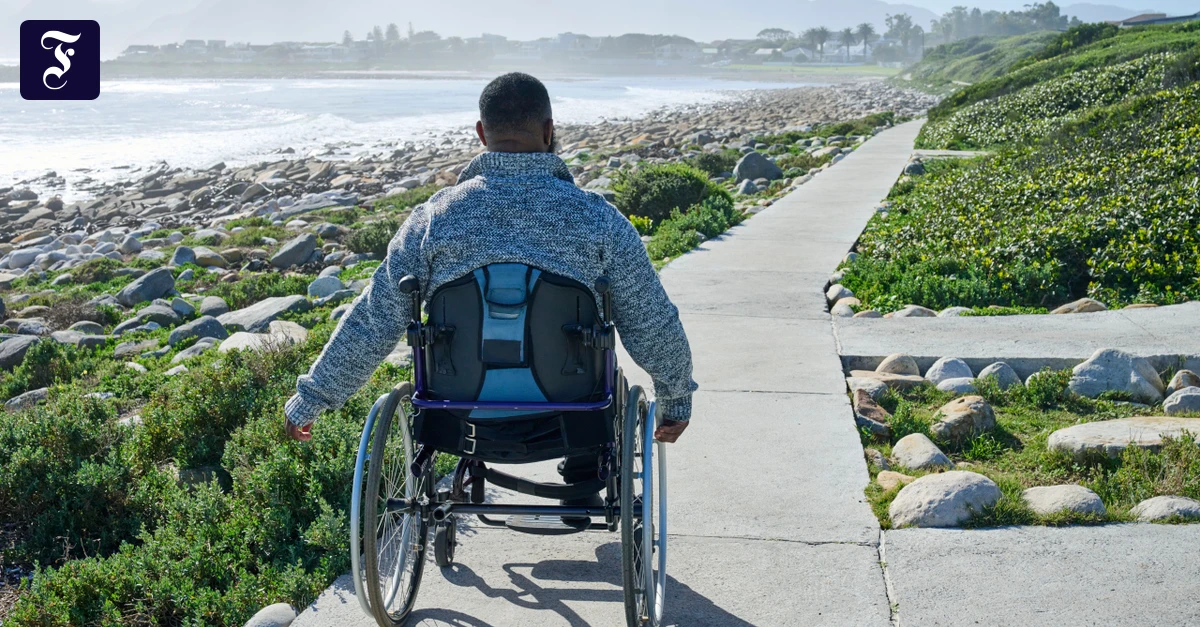
The German Bundesteilhabegesetz (Federal Participation Act) formalizes the idea that participation in society—including leisure and recreation—is a fundamental right, not a luxury. Yet, the bridge between legislation and reality remains uneven. While specialized agencies like Grabo-tours have spent 40 years pioneering routes to exotic locations, the onus often falls on the individual to navigate a fragmented ecosystem of information. Websites like reisemaulwurf.de and barrierefreier-tourismus.info serve as critical, though occasionally outdated, hubs for those seeking specialized providers.
Chronology of Progress and Setbacks
The trajectory of accessible travel has been non-linear. The early 2000s saw a rise in "accessible tourism" marketing, yet the current climate presents a paradox. Jutta Grabowski of Grabo-tours notes that while societal tolerance and on-the-ground accessibility—such as museum ramps and hotel design—have significantly improved, the logistics of getting there have grown more fraught.
Key Milestones:
- The Early Phase: Reliance on cruise ship shore excursions, which provided a "safe" introduction to travel for those with mobility aids.
- The Expansion Phase: Specialized travel agencies emerged, focusing on overcoming structural barriers in developing nations.
- The Current Regulatory Era: Implementation of IATA standards for accessibility, including complex regulations for lithium-ion batteries in power wheelchairs.
- The 2028 Horizon: The upcoming introduction of the European Disability Card, promising equal access to special conditions across EU borders.
Supporting Data: The High Cost of Inclusion
The financial reality of inclusive travel is stark. When a traveler requires assistance—whether a personal aide, a professional porter, or a specialized guide—the costs multiply. A standard European tour with an inclusive provider typically starts at 2,500 euros, with long-haul trips reaching three times that amount.
The burden is often exacerbated by the lack of incentives. While inner-German flights with Lufthansa or Eurowings offer free or reduced travel for companions of those with a "B" designation on their disability ID, international travel is rarely so accommodating. Airlines and cruise lines have largely retreated from offering free companion tickets, and some have even implemented policies—often citing safety or liability concerns—that restrict staff from physically assisting passengers during disembarkation.
Official Responses and Systemic Challenges
The industry is currently grappling with a "fear of liability" culture. Jutta Grabowski points out that many hotels, while having "accessible" rooms on paper, are increasingly reluctant to provide written guarantees that those rooms will be fully functional upon arrival. This is driven by a defensive legal posture, where providers fear that any minor failure—a malfunctioning hoist or a poorly designed bathroom—could lead to significant refund claims.
Sarah Süss, who has operated Süsse Reisen for 25 years, highlights another systemic oversight: the failure to acknowledge the diverse needs of disabled travelers beyond their disability. "Most hotels have adapted to mobility restrictions," she says. "But the idea that a wheelchair user might be a parent, with children who need to stay in the same room, seems to exceed their imagination." Finding accessible family suites remains a significant hurdle.
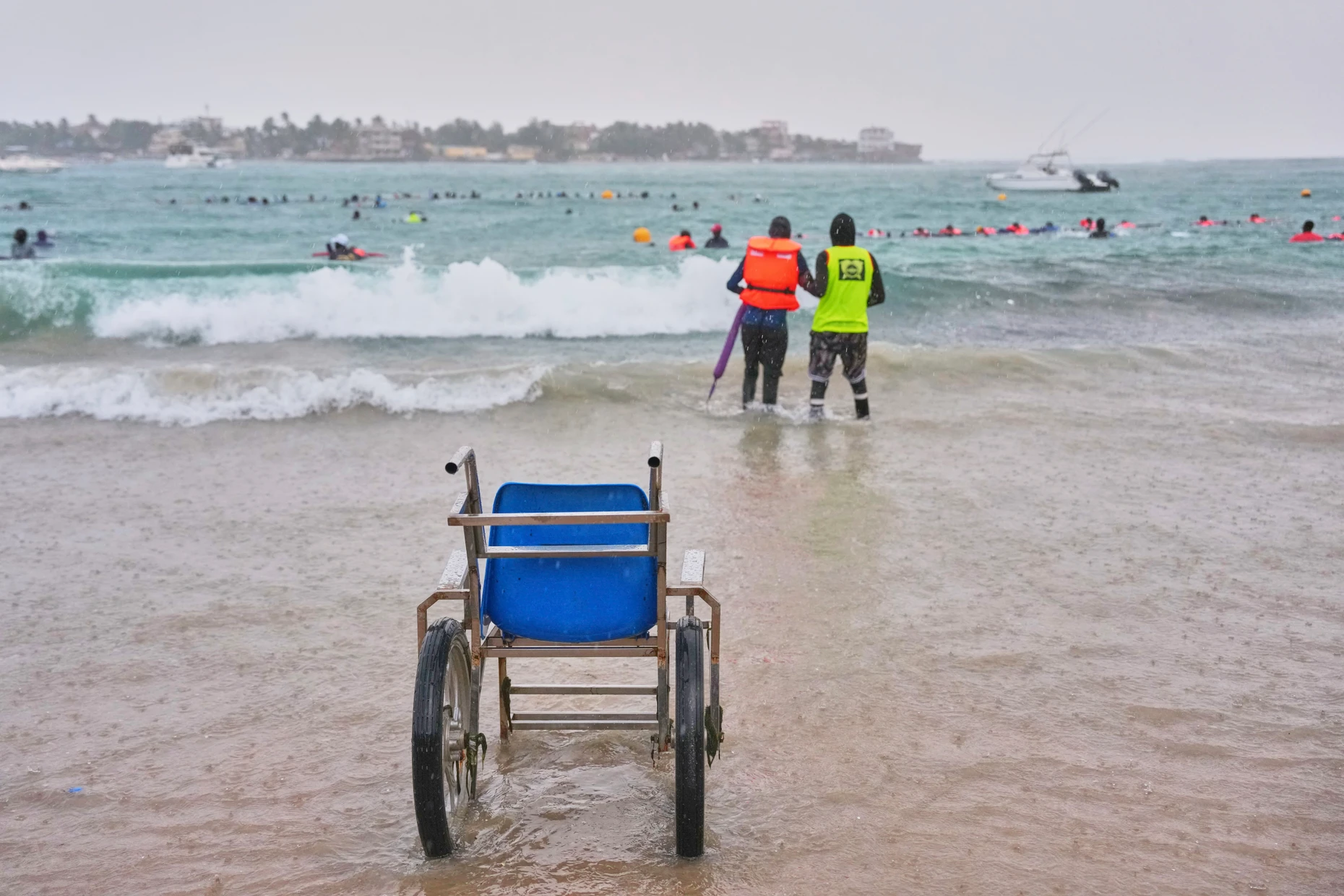
Furthermore, the "self-drive" market is hitting a wall. Ahorn Reisen, which specializes in North American road trips, notes that while they can easily equip vehicles with hand controls, they cannot guarantee the interior dimensions required for full wheelchair accessibility within a campervan. The closure of services like MS-Mobil, a casualty of rising fuel costs and maintenance expenses, has further limited the options for independent travelers.
Implications: Navigating the Financial Maze
Despite these hurdles, there are mechanisms designed to offset the costs. The German system, for instance, allows for the use of the "Entlastungsbetrag" (a monthly allowance for relief services) and "Verhinderungspflege" (short-term care funds) to be applied to travel.
Michael Peters of Weitsprung Reisen notes that these funds can cover up to two-thirds of the total travel cost, provided the correct applications are made. Christin Steinbach, of the non-profit Urlaub und Pflege, emphasizes that for many, travel is not just about the destination; it is about the therapeutic value of the journey. Their participants, some with high-level care needs (Care Level 5), often return home significantly fitter and more mentally alert due to the stimulation of new environments.

Looking Ahead: The 2028 Threshold
The future of inclusive tourism hinges on standardization. The European Union’s commitment to the European Disability Card, set to take effect on June 5, 2028, is the most significant development in years. By ensuring that a person’s disability status is recognized across borders for up to three months, the EU aims to dismantle the current "jurisdiction lottery" that makes cross-border travel for disabled individuals so legally and financially complex.
Until then, the landscape remains one of trial, error, and immense personal determination. For travelers like Gerda, the effort is well worth the outcome. The barriers are real—whether they are airline policy, hotel constraints, or the sheer cost of support—but the act of traveling remains a powerful assertion of autonomy.
As the industry slowly realizes that "accessible travel" is not a charity case but a vibrant, growing market, the hope is that the necessity of being "carried into the jungle" will eventually be replaced by a world where the infrastructure itself invites everyone to participate. For now, the pioneers continue to lead the way, proving that while the world may not yet be perfectly built for everyone, the desire to explore it remains a universal human trait.