The world of winter sports is currently reeling from a decision that many purists describe as a death knell for one of the most demanding disciplines in the Olympic program. In July, the International Olympic Committee (IOC) officially confirmed that Nordic Combined—a sport that has been a pillar of the Winter Olympic Games since their inception in 1924—will be removed from the Olympic program. The repercussions of this decision are already beginning to ripple through the sport, leaving athletes, coaches, and federations in a state of profound uncertainty.
The German Ski Association (DSV), a global powerhouse in the discipline, has characterized the current situation as "dramatic." With the Olympic carrot removed, the funding, youth recruitment, and media interest that keep the sport alive are under direct threat. As the international governing body, the FIS (International Ski Federation), scrambles to formulate a survival strategy, the global community of Nordic Combined athletes faces an existential crisis.
The Evolution and Fall of a Tradition
Nordic Combined is a unique test of athletic duality. It requires athletes to master two vastly different skill sets: the explosive, technical precision of ski jumping and the relentless endurance of cross-country skiing. For nearly a century, it was considered the ultimate "King of the Winter Games," representing the pinnacle of versatility.
A Chronology of the Decline
- 1924: Nordic Combined debuts at the first Winter Olympic Games in Chamonix. It is hailed as the ultimate test of a complete winter athlete.
- 1980s–2000s: The sport experiences a golden era, with legends like Ulrich Wehling and later Eric Frenzel and Johannes Rydzek capturing the world’s imagination.
- 2022: During the Beijing Winter Olympics, murmurs of dissatisfaction begin to circulate within the IOC regarding the lack of global gender equality and the perceived complexity of the broadcast format.
- 2023 (July): The IOC officially announces that Nordic Combined will not be included in the 2030 Winter Olympic program, citing a lack of global participation and the absence of a women’s category at the Olympic level.
The "Drama" of the Aftermath: Official Perspectives
The reaction from national federations has been nothing short of desperate. The DSV, which has long been a dominant force in the sport, has publicly stated that the exclusion is a catastrophic blow to the development of young talent.
"The decision has left us in a state of shock," says a representative from the German coaching staff. "When you remove a sport from the Olympics, you aren’t just removing a medal event. You are removing the primary source of state funding, the motivation for young children to pick up a jumping ski, and the legitimacy of the sport in the eyes of the general public."
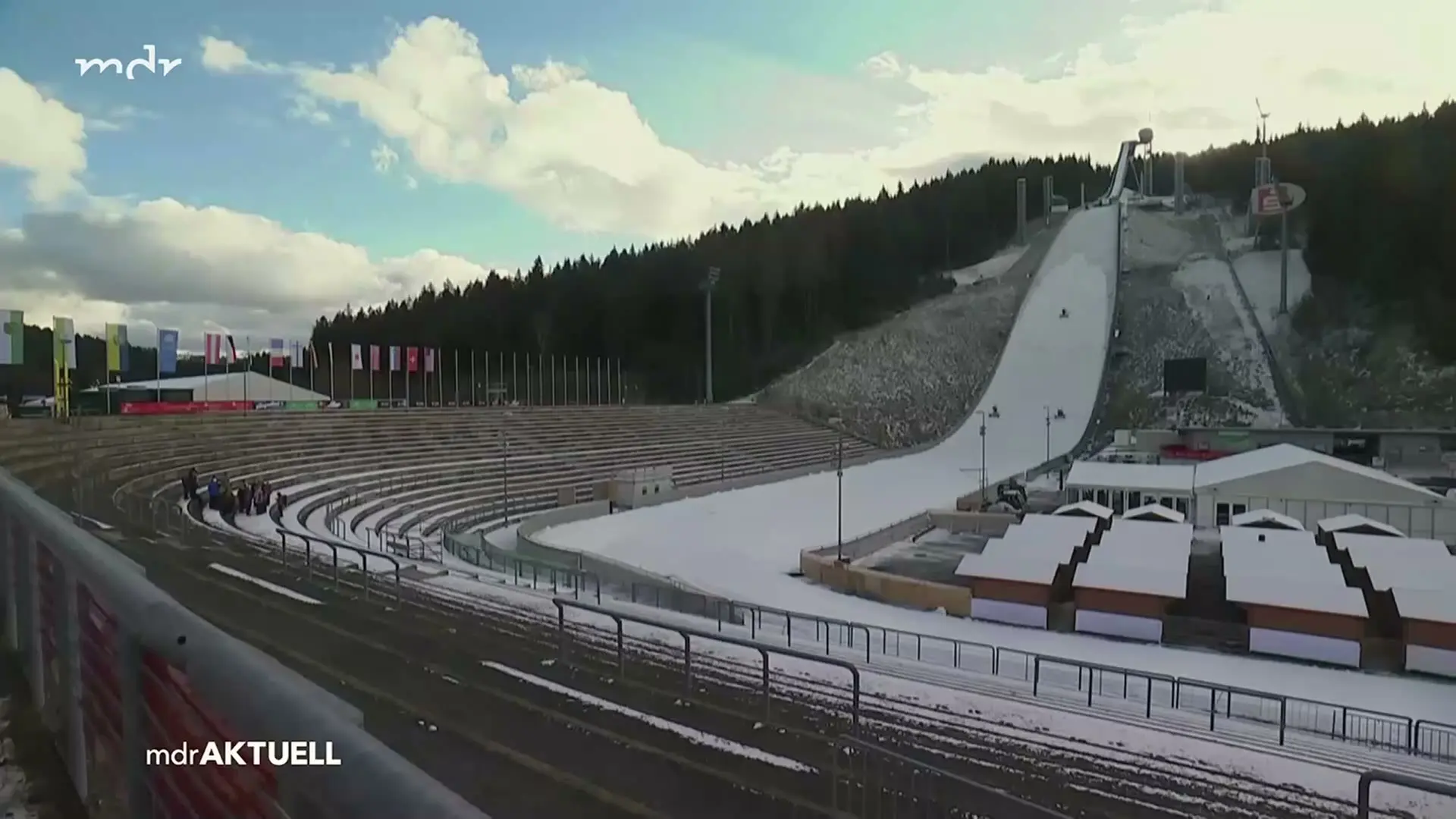
The FIS, meanwhile, has attempted to project a sense of stability, claiming that they are working on "re-innovation" plans. The world governing body is looking to pivot, focusing on a new global tour, increased marketing, and an aggressive push to integrate women’s Nordic Combined into the sport’s permanent structure—a factor the IOC explicitly cited as a reason for the exclusion.
Supporting Data: The Global Participation Gap
The IOC’s decision was not made in a vacuum. Data regarding global participation and broadcast reach has long been a point of contention.
- Geographic Concentration: Currently, over 80% of elite-level Nordic Combined athletes originate from only six nations: Norway, Germany, Austria, Japan, Finland, and Estonia.
- Gender Disparity: While FIS has made strides in recent years to establish a women’s World Cup, the lack of a deep, competitive field of female athletes on a global scale allowed the IOC to argue that the sport had not reached the required "universality" standards.
- Broadcast Metrics: Unlike sports like snowboarding or big-air freestyle skiing, which have seen meteoric rises in youth engagement, Nordic Combined has struggled to capture the "TikTok generation." The complexity of the "Gundersen Method" (where jump results determine the starting handicap for the ski race) is often criticized for being too difficult for casual viewers to follow.
The Financial and Structural Implications
The removal from the Olympics creates a "trickle-down" effect of financial instability. In many European nations, Olympic sports receive substantial government subsidies. Without the Olympic designation, Nordic Combined risks losing its status as a "priority sport" within national sports ministries.
The Impact on Youth Recruitment
Young athletes choose their disciplines based on the potential to compete on the world’s biggest stage. With the Olympic dream extinguished, the pipeline of talent is already beginning to dry up. Junior programs across Central Europe have reported a sharp decline in new registrations since the July announcement.
The Professionalization Trap
For the current generation of world-class athletes, the consequences are immediate. Many have invested decades of their lives into a sport that now has a terminal date. The professional circuit—the World Cup—faces a bleak future if it cannot maintain the interest of sponsors, who typically only invest in sports that offer the global exposure of an Olympic Games.
Can the Sport Be Saved?
The FIS has proposed a series of "rescue missions," including a drastic change in the format of the competition to make it more spectator-friendly. Ideas being floated include:
- Sprinting Formats: Reducing the length of the cross-country race to make it a high-intensity, short-duration event.
- Increased Gender Parity: Forcing a 50/50 split in competition slots for men and women in all future FIS events to prove to the IOC that the sport is inclusive.
- Modernizing the Narrative: Using technology, such as live biometric data and improved camera angles, to explain the "jump-to-ski" transition to a non-expert audience.
However, many analysts remain skeptical. History shows that once a sport is removed from the Olympic program, the path back is nearly impossible. The IOC rarely reverses these types of decisions, preferring to favor newer, more commercially viable sports like skateboarding, climbing, and breaking.
A Legacy at Stake
The tragedy of this situation lies in the rich history being discarded. Nordic Combined represents a bridge between the traditional, rugged nature of alpine survival and the modern, high-performance athletic world. It requires a level of physical versatility that is arguably unmatched in any other winter sport.
The athletes who remain in the sport are now essentially competing for a legacy. They are not just racing for World Cup points; they are racing to prove that their sport has value, that it deserves to be seen, and that it was worthy of its place on the world stage for a century.
As the current season progresses, the atmosphere in the locker rooms and on the jumping hills is noticeably different. There is a sense of melancholy, a quiet understanding that they are the custodians of a dying tradition. The focus has shifted from the pursuit of Olympic gold to the pursuit of survival.

Conclusion
The exclusion of Nordic Combined from the Olympic program is a watershed moment for the Winter Games. It highlights the tension between tradition and the relentless demand for commercial growth and youth-centric entertainment. Whether or not the FIS can successfully "re-invent" the sport remains to be seen, but the current outlook is grim.
For now, the world’s best Nordic Combined athletes will continue to jump and ski. They will do so with the knowledge that the highest mountain they have to climb is no longer the hill on the ski jump, but the bureaucracy of the International Olympic Committee. It is a fight against time, against waning interest, and against the modernization of the Olympic movement itself. As the sport moves into this uncertain future, one thing remains clear: the spirit of Nordic Combined will persist, even if the world’s biggest stage is no longer there to bear witness to it.